Senior diplomats from the COMESA region gathered in Livingstone, Zambia, for the fourth in a series of diplomatic antitrust-focused conferences that began in 2016 but were halted due to the coronavirus pandemic in 2019.
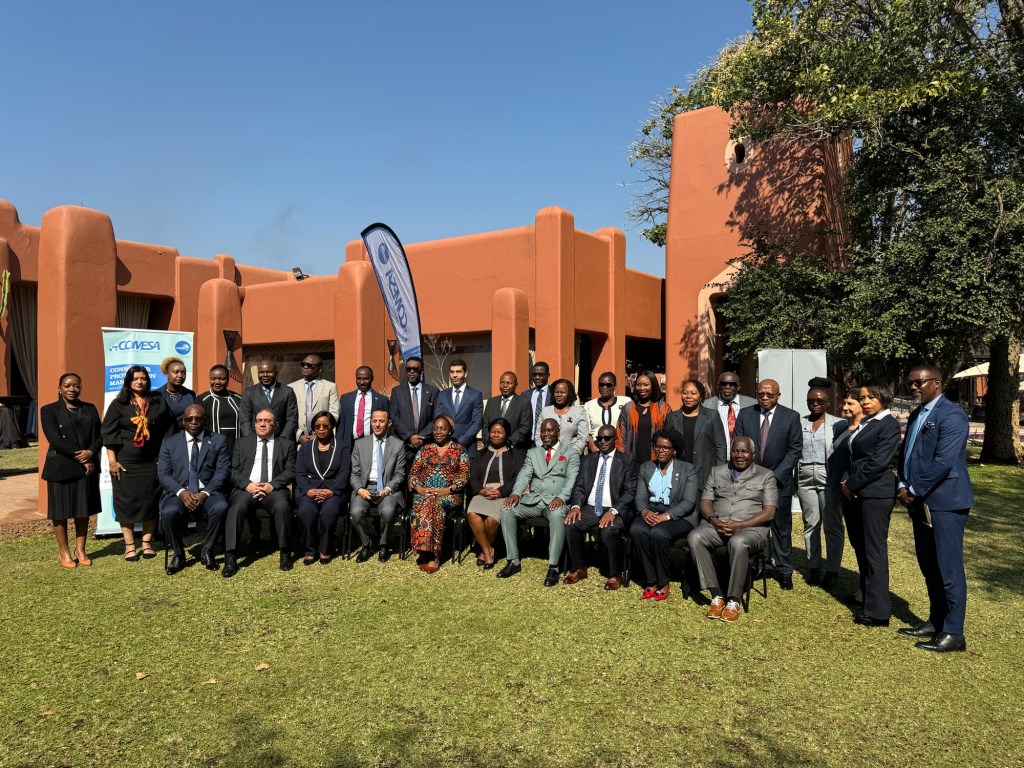
At today’s formal resumption of the recurring event, Dr. Willard Mwemba, CEO of the COMESA Competition Commission, introduced the conference session by calling out the importance of the agricultural sector to the people residing in the region, especially the very poorest of citizens.
He stated in unmistakable terms that his agency would prioritize this and related markets for heightened antitrust enforcement, to ensure the sector operates efficiently and competitively. “Accessibility (and affordability) of food is one of the most fundamental human rights. $2 per day are spent by the poorest people on average, and the majority of those two dollars is spent on food,” noted Mwemba.
Says Andreas Stargard, who attended the session, “it is clear that the view of the Commission is that agricultural markets in COMESA are not functioning as they should, based on studies the agency has undertaken with outside assistance. The massive foodstuffs price inflation levels COMESA residents have suffered in recent years are not merely natural consequences of irreversible climate change but rather represent mostly economic profit to the manufacturers and traders, to the detriment of consumers, based on what Dr. Mwemba presented today.”
COMESA Secretary General, Chileshe Mpundu Kapwepwe, summarized the stark importance of the AG sector to the region, its people, and the economic zone in sobering statistical terms: “The agriculture sector is one of the key sectors for most Member States as it contributes more than 32% to the Gross Domestic Product of COMESA, provides a livelihood to about 80% of the region’s labour force, accounts for about 65% of foreign exchange earnings and contributes more than 50% of raw materials to the industrial sector.”
In light of this crucial importance of the agricultural and food markets, food security is high on the list of action items that COMESA must address practically and effectively, she concluded. COMESA evaluates supply and demand levels across all 21 member states to assist with market assessment and planning.
The Diplomatic Conference’s guest of honour, Zambian Minister of Commerce, Trade and Industry, Hon. Chipoka Mulenga, noted in prepared remarks delivered by his deputy and permanent secretary to COMESA that, while “food production must be profitable for farmers, it must not be exploitative.”
In this regard, the famous Adam Smith quote referenced by Dr. Mwemba at a prior antitrust session comes to mind: “It is not from the benevolence of the butcher, the brewer, or the baker that we expect our dinner, but from their regard to their own self-interest. We address ourselves not to their humanity but to their self-love, and never talk to them of our own necessities, but of their advantages.”
Beyond the immutable wisdom of the Wealth of Nations from two and a half centuries ago, the (1) CCC’s increased competition law enforcement in the agricultural and food sectors, as well as (2) national member states are assisting the effort of ensuring wide and secure availability to all COMESA residents by creating and strengthening cross-border value chains in the food sectors with overlaps across member state borders, the Zambian minister observed.

 African Antitrust & Competition Law