After about a two-year-long investigation, the Competition Authority of Kenya (CAK) has determined guilt and imposed record fines on nine steel manufacturing companies for their joint role in a price-fixing and output-restriction cartel. The fine — the highest-ever imposed by the CAK to date — was set at Ksh. 338,849,427 million (approx. U.S. $2.3m) in total.
Back in June 2022, Construction Kenya news outlet reported that the offices of 10 Kenyan steel suppliers had been ‘dawn-raided’ by the CAK on suspicion of price-fixing. “A number of senior officials at the companies, including chief executives, have been interrogated as part of the investigation triggered by builders who complained about excessive pricing of steel.” These raids in Nairobi, Mombasa and Kisumu had taken place in the preceding December, and in secret, the CAK’s investigation into the steel sector had already begun in August 2020, when the Authority conducted a sua sponte nationwide “covert field screening,” which indicated the presence of illegal coordination by the steel producers.
In their defense, the manufacturers initially claimed innocence and blamed the pandemic input-price increases, via their trade group’s spokesman, Kenya Association of Manufacturers Steel Sector Chair, Bobby Johnson: “We are bearing a huge cost to cushion consumers. The prices of billets have shot up because of the supply disruptions as well as fuel for heating the furnaces.”
However, CAK enforcement and compliance manager, Mr. Mokaya, was quoted as stating that the agency had received specific and clear evidence “of certain concerted practices including agreements on pricing. We conducted market screening and launched raids in December targeting over ten companies and the investigation is ongoing.”
Andreas Stargard, an antitrust attorney with Primerio Ltd. who frequently works on COMESA-region competition matters including Kenya with his local Nairobi colleagues, noted that “this cartel case comes on the heels of the CAK’s successful prosecution of the ‘paint cartel,’ which it brought to conclusion also during COVID, in February 2021, fining Crown Paint, Basco Products Ltd., Kansai Plascon and Galaxy Paints for price-fixing. It will not be interesting to see whether firms engaged in the construction industry — that is: direct purchasers of steel products from the cartelists — will attempt to recover any of the overcharges they were burdened with by the infringers…“
In theory, a person found guilty of the offence is liable to imprisonment for a term not exceeding five years or to a fine not exceeding ten million shillings, or both. Kenyan billionaire Narendra Raval, whose steel firm Devki is among those found guilty of cartel conduct, will not have to see a (steel?) jail cell from the inside, however. As of now, only monetary fines have been imposed by the CAK.
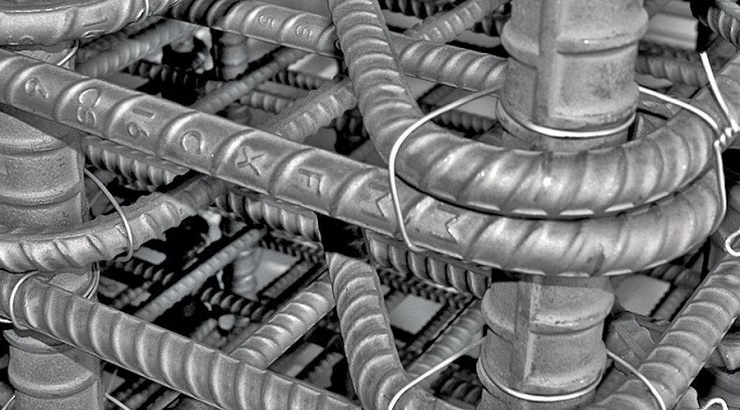
Dr. Adano Wario, the CAK’s Acting Director-General, noted that these financial penalties were in proportion to the harm done by the offense: artificial increases in the cost of steel products harmed consumers by inflating construction costs of homes and state and local infrastructure projects, thus contributing further to the already high cost of living in the country:
“Cartels are conceived, executed, and enforced by businesses to serve their commercial interests, and to the economic harm of consumers. In this matter, the steel firms illegally colluded on prices and margins as well as output strategies. In a liberalized market like ours, the forces of supply and demand should signal prices, free from manipulative business practices. Agreements between competitors seek to defeat this fundamental facet of a free economy.”
Whether or not a “leniency” request was involved is unclear, but doubtful according to attorney Stargard: “We have seen conflicting reports as to the origins of this investigation: some sources point to construction firm, or developer, complaints that led to the CAK’s action. The Authority itself claims it conducted the industry investigation fully on its own accord, without prompting. Either way, there is no indication that one of the price-fixing group members cheated on its fellow cartelists by seeking amnesty from prosecution, which is most frequently the case in modern cartel cases.” He adds that the COMESA Competition Commission (“CCC”) may also find interest in the ongoing price hikes in various markets, as the agency had previously made cautionary remarks in the paints cartel (see article above) and was almost certainly apprised by the CAK of its ongoing investigation into the steel sector during the pendency of that matter: “We know for a fact that the CAK and the CCC are working hand-in-glove when in comes to investigating anti-competitive conduct. Indeed, this statement can be expanded to include not only East-African competition enforcement agencies, but all African authorities, and in fact many international antitrust watchdogs as well, with whom the COMESA enforcer has bi- and multi-lateral cooperation agreements and MOUs. Competition-law enforcement truly has become global, and escaping the watchful eye of the agencies is getting more difficult by the day.”
The affected companies are Devki Steel Mills, Doshi & Hardware Limited, Corrugated Steel Limited, Jumbo Steel Mills, Accurate Steel Mills Limited, Nail and Steel Products Limited, Brollo Kenya Limited, Blue Nile Wire Products Limited, and Tononoka Rolling Mills Ltd.
 African Antitrust & Competition Law