Slippery Business: COMESA Court Invalidates Mauritius’ Edible Oil Tariff

By Matthew Freer

Introduction

On 4 February 2025, the First Instance Division (the “FID”) of the COMESA Court of Justice (the “CCJ”) delivered a landmark judgment in Agiliss Ltd v. The Republic of Mauritius and Others (Reference No. 1 of 2019). This case examined the legality of a safeguard measure imposed by Mauritius on edible oil imports from COMESA member states, raising fundamental questions about trade remedies, due process, and compliance with the COMESA Treaty and its subsidiary legislation.

The judgment is significant as it clarifies the procedural and substantive requirements for imposing safeguard measures under the COMESA Treaty (the “Treaty”) and the COMESA Regulations on Trade Remedy Measures, 2002 (the “2002 Regulations). It reinforces the principle that such measures cannot be used arbitrarily or as disguised trade barriers but must follow due process, including proper investigation, consultation, and notification requirements.

Background

The Common Market for Eastern and Southern Africa (“COMESA”) is a regional economic organization established in 1994 to promote economic integration and development among its member states. It has a primary goal of creating a large, integrated economic area through the removal of trade barriers and the promotion of cooperation in areas such as trade, industry, and agriculture. COMESA comprises 21 member states, including countries like Kenya, Egypt, Zambia, and Ethiopia, and focuses on fostering intra-regional trade through the harmonisation of customs procedures and the elimination of tariffs between member states. Article 46 of the Treaty specifically states that Member States of COMESA are required “to eliminate customs duties and other charges of equivalent effect imposed on goods eligible for Common Market tariff treatment” (COMESA Treaty, Art 46). This common market was ultimately formed to enhance trade and economic stability within the region, improve competitiveness, and encourage sustainable development through collective economic policies and regional cooperation.

Agiliss Ltd, a Mauritian based, imports various basic commodities which includes pre-packaged edible oils, from Egypt, a fellow COMESA Member State. Agiliss Ltd is “principally an importer and distributor of staple food in the Republic of Mauritius with the edible oil segment representing some 30% of its business” (para 11). In 2018, the Government of Mauritius (the “Government”), after seeing an increase in edible oil imports, invoked Article 61 of the Treaty to impose a 10% customs duty on edible oils imported from COMESA countries (para 12). This safeguard measure was said to be necessary to protect Mauritius’ domestic edible oil industry from serious economic disturbances.

Agiliss, however, raised its concern that the measure was imposed without proper notification, consultation, or investigation, violating various COMESA legal frameworks. After unsuccessful engagements with the Government, Agiliss Ltd filed a Reference before the CCJ, challenging the legality of the safeguard measure and requesting an order to prohibit its enforcement.

Findings of the Court

In this case, Ms. Ramdenee, CEO of Agiliss Ltd, and her expert witness, Mr. Paul Baker, presented a case to challenging the decision by the Government to impose a safeguard measure on edible oil imports from Egypt, a COMESA Member State, using Article 61 of the Treaty (para 151). Article 61 of the Treaty states, In the event of serious disturbances occurring in the economy of a Member State following the application of the provisions of this Chapter, the Member State concerned shall, after informing the Secretary-General and the other Member States, take necessary safeguard 79 measures” (COMESA Treaty, Art 61).

The central claim was that Government violated the Treaty and the 2002 Regulations by not adhering to required processes, particularly in terms of the investigation and consultations related to the imposition of the safeguard measure.

The key issue was whether the Government conducted the investigation required by the 2002 Regulations and the Treaty before imposing the safeguard measure. The Government’s report on “Investigation on Imports of Oil” was deemed insufficient and non-compliant (para 163). Although the report referenced Regulation 7.1 of the 2002 Regulations, which allowed for safeguard measures due to “serious injury” caused by increased imports, it failed to comply with the more detailed procedural requirements of Regulation 8 of the 2002 Regulations, which mandates that investigations must include public notice, hearings, and the opportunity for stakeholders to provide evidence (para 162). Ms. Ramdenee argued that her company, as a major importer, was not consulted, and that this lack of due process would severely impact her business (para 157).

Moreover, the investigation was criticized for not being thorough or adequately substantiated. Mr. Baker pointed out inaccuracies, such as the failure to compare oil prices internationally, and argued that the alleged “surge” in imports was not supported by data (para 165). He further noted that the report’s conclusions about the link between import increases and the domestic industry’s decline lacked comprehensive evidence, specifically disregarding other relevant factors affecting the industry. The Government did not provide rebuttal evidence to counter these criticisms (para 165).

Additionally, the Government’s failure to notify the COMESA Committee on Trade Remedies as required by Regulation 15 of the 2002 Regulations was a significant violation (para 168). Although the Government argued that the Trade Remedies Committee did not exist at the time, the Court found that the absence of the Committee did not absolve the Government from conducting the investigation as required by Regulation 8 of the 2002 Regulations, which was not dependent on the Committee’s existence (para 171).

Lastly, the Court examined whether the safeguard measures imposed were necessary and proportionate. The proposed safeguard measure, which included a 10% customs duty on oil imports above a 3,000-tonne quota, lacked justification. There was no explanation provided for why these specific thresholds were chosen, and Mr. Baker suggested that the 10% rate appeared arbitrary and unsupported by any modelling or analysis of the impact on imports (para 177). Furthermore, the application of a quota and tariff did not align with Regulation 10.1 of the 2022 Regulations, which demands a careful analysis of market conditions to ensure that safeguard measures are not overly restrictive (para 178).

Ultimately, the Court found that the investigation carried out by the Government did not comply with the provisions of the Treaty and 2002 Regulations, and the proposed safeguard measure was not justified by sufficient evidence or proper procedures. In the final analysis, the Court has issued several key orders. First, the decision of the Government to impose the safeguard measure, along with all consequential steps taken, is declared a nullity (para 227(a)). In terms of costs, the Court has ordered the Government to pay half of the Agiliss Ltd’s costs incurred in this Reference (para 227 (c)).

Key aspects of the case

This case marks a significant milestone for the COMESA Court of Justice due to its critical examination of safeguard measures within the context of Common Markets. The FID’s ruling highlights key aspects of trade remedy procedures, particularly emphasising the importance of compliance with the COMESA Treaty and the 2002 Regulations. The Court’s findings reinforce that safeguard measures cannot be applied arbitrarily; they must adhere to proper investigation, consultation, and notification processes.

Furthermore, the judgment serves as a reminder that such measures must be substantiated with sufficient evidence to avoid being used as disguised trade barriers. The ruling clarifies procedural expectations for all COMESA member states, ensuring that trade remedies are transparent, fair, and justifiable in line with regional economic integration goals. Although safeguards are a vital tool for shielding domestic industries, the ruling underscores that they must not be applied without the proper investigations and Member State consultation processes. This case establishes a key precedent for future trade disputes within COMESA and emphasises the Court’s essential role in upholding the rule of law and interpreting the Treaty and its related regulations.

4th CCC diplomatic conference on competition law places focus on inflation, food security, and poverty eradication 

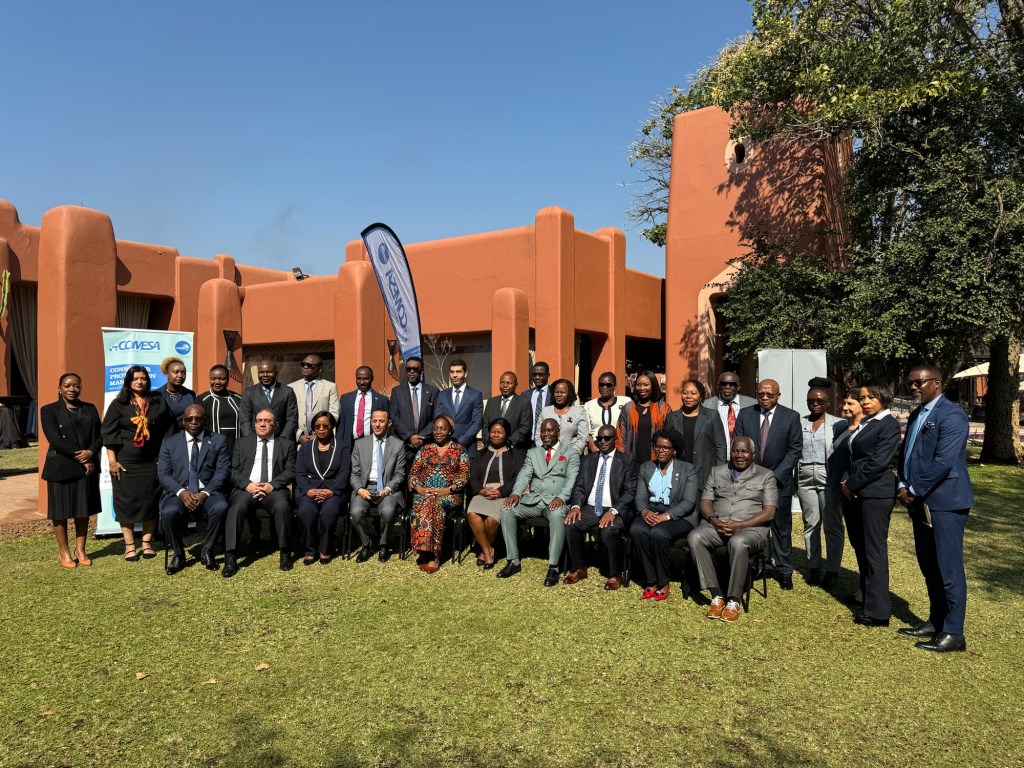
Senior diplomats from the COMESA region gathered in Livingstone, Zambia, for the fourth in a series of diplomatic antitrust-focused conferences that began in 2016 but were halted due to the coronavirus pandemic in 2019.

At today’s formal resumption of the recurring event, Dr. Willard Mwemba, CEO of the COMESA Competition Commission, introduced the conference session by calling out the importance of the agricultural sector to the people residing in the region, especially the very poorest of citizens.

He stated in unmistakable terms that his agency would prioritize this and related markets for heightened antitrust enforcement, to ensure the sector operates efficiently and competitively. “Accessibility (and affordability) of food is one of the most fundamental human rights. $2 per day are spent by the poorest people on average, and the majority of those two dollars is spent on food,” noted Mwemba.

Says Andreas Stargard, who attended the session, “it is clear that the view of the Commission is that agricultural markets in COMESA are not functioning as they should, based on studies the agency has undertaken with outside assistance.  The massive foodstuffs price inflation levels COMESA residents have suffered in recent years are not merely natural consequences of irreversible climate change but rather represent mostly economic profit to the manufacturers and traders, to the detriment of consumers, based on what Dr. Mwemba presented today.”

COMESA Secretary General, Chileshe Mpundu Kapwepwe, summarized the stark importance of the AG sector to the region, its people, and the economic zone in sobering statistical terms: “The agriculture sector is one of the key sectors for most Member States as it contributes more than 32% to the Gross Domestic Product of COMESA, provides a livelihood to about 80% of the region’s labour force, accounts for about 65% of foreign exchange earnings and contributes more than 50% of raw materials to the industrial sector.”

In light of this crucial importance of the agricultural and food markets, food security is high on the list of action items that COMESA must address practically and effectively, she concluded.  COMESA evaluates supply and demand levels across all 21 member states to assist with market assessment and planning.

The Diplomatic Conference’s guest of honour, Zambian Minister of Commerce, Trade and Industry, Hon. Chipoka Mulenga, noted in prepared remarks delivered by his deputy and permanent secretary to COMESA that, while “food production must be profitable for farmers, it must not be exploitative.”

In this regard, the famous Adam Smith quote referenced by Dr. Mwemba at a prior antitrust session comes to mind: “It is not from the benevolence of the butcher, the brewer, or the baker that we expect our dinner, but from their regard to their own self-interest. We address ourselves not to their humanity but to their self-love, and never talk to them of our own necessities, but of their advantages.”

Beyond the immutable wisdom of the Wealth of Nations from two and a half centuries ago, the (1) CCC’s increased competition law enforcement in the agricultural and food sectors, as well as (2) national member states are assisting the effort of ensuring wide and secure availability to all COMESA residents by creating and strengthening cross-border value chains in the food sectors with overlaps across member state borders, the Zambian minister observed.

Dawn of the “QUAD-C”: COMESA antitrust evolves

Meet the “CCCC”: the 4th Estate Covers the 4th “C” of the COMESA Competition Commission During its Second Press Conference, and More

The second annual COMESA Competition Commission press conference, taking place in Livingstone, Zambia, revealed not only news, but also the extensive improvements to the agency being made, and information about ongoing market studies and case investigations.  It was an opportunity to allow business journalists obtain a glimpse, if not indeed a full deep-dive overview, into the future of the triple-C – which is soon to be the “Quad-C”, in fact, as Dr. Mwemba, the head of the Commission, announced at today’s event.  That is, the CCC will add a fourth “C” to its name, so as to include expressly the concept of Consumer protection.  AAT notes that this is similar to several other national competition authorities, for example the Nigerian FCCPC or even the U.S. FTC, both of which also have an existing mandate covering consumer-protection issues, besides their jurisdiction over pure competition-law matters.

Name Change

Dr. Mwemba clarified that the now-express inclusion of this “4th C“ in the Commission’s name going forward is to highlight the fact that the Commission will enhance its focus on consumer-protection issues, and to ensure that the average consumer (as opposed to competition experts) in the COMESA region can better understand their rights and recourse to the CCC(C).

Public-Interest Factors

This renewed consumer-protection emphasis also goes hand-in-hand, AAT believes, with the increased importance of so-called “public-interest“ factors in the CCC’s merger analysis. Dr. Mwemba highlighted, by way of example, environmental factors and job creation numbers, as potential considerations to be taken into account by the Commission under the amended regulations, which will likely come into effect by December 2024.

New Competition Regulations

These newly amended COMESA Competition Regulations, which have been in the making since the May 2021 inception of the Commission’s efforts to revise the regional competition law, will culminate in the imminent clearance by the COMESA Legal Drafting committee, and ultimately (by the end of the year, we anticipate), its adoption by the regional committees of the COMEAS Attorneys General, of the Justice Ministers, and eventually the Council of Ministers of all 21 COMESA member states.  Of course, as AAT has discussed before, these Regulation Amendments carry with them extensive revisions to antitrust law (e.g., the creation of a leniency programme for cartel offenders; the change-over to a suspensory merger notification regime; adding ‘transaction value’ to the concept of deal-notification thresholds, amending their definition from being purely asset- and revenue-based; and the creation of certain market-power presumptions based on share thresholds, just to name a few here).

Dr. Mwemba clarified in vivid terms that neither life nor law must be stagnant. Hence the import of the revision of the Regulations, which (in their current form) are by now two decades old.  “The original 2004 COMESA law simply was no longer up to the task of helping the Commission to regulate modern markets as they stand in 2024 and beyond,” according to the CCC.  Examples given by the senior staff present included the rapid rise of artificial intelligence, environmental changes to the economy, and digital platform evolution – all of which have proceeded faster than virtually all existing antitrust laws globally.  The view of the executive of the Commission is that it is well-positioned to be at the forefront of adapting to these challenges of imminent change.

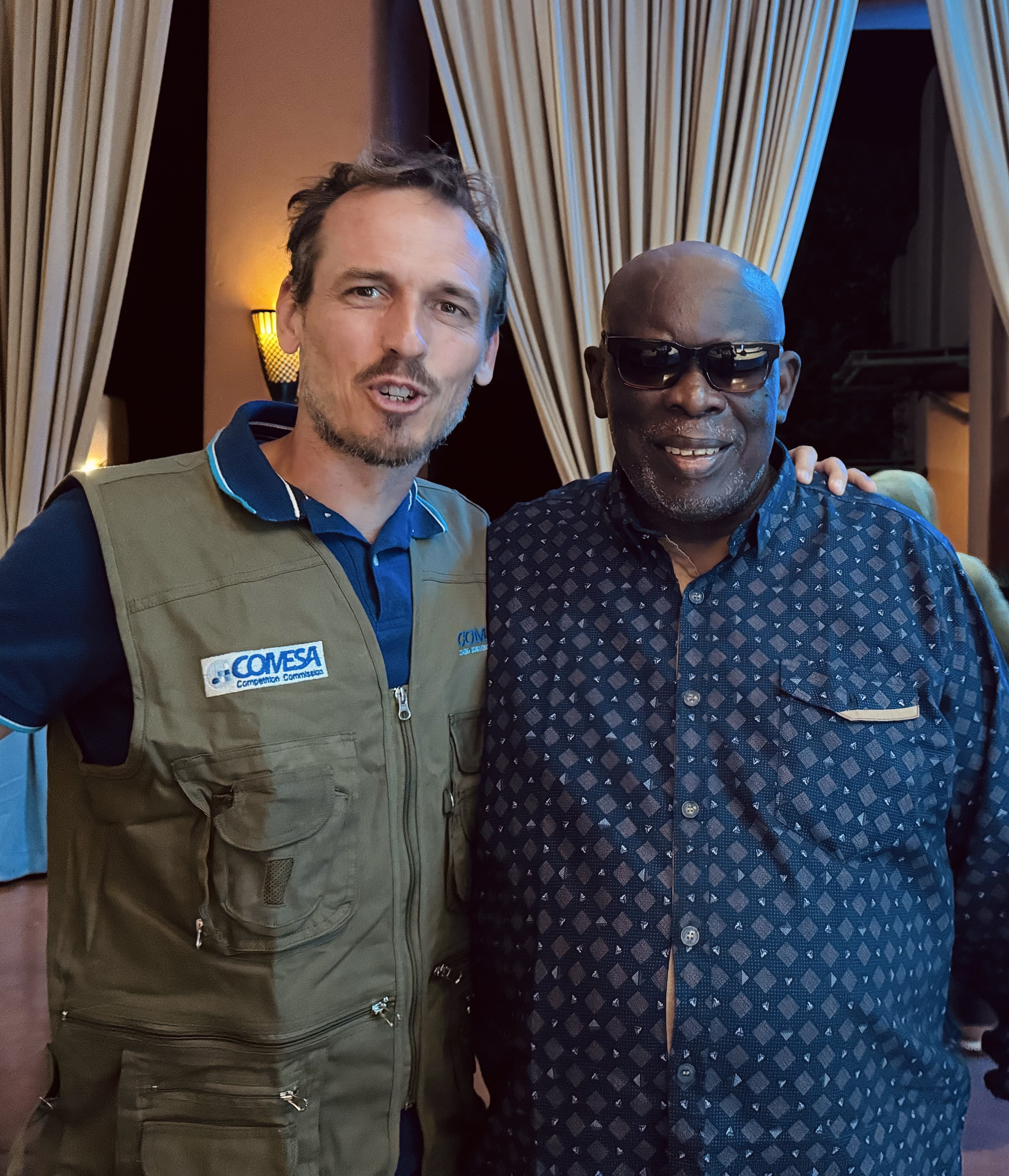
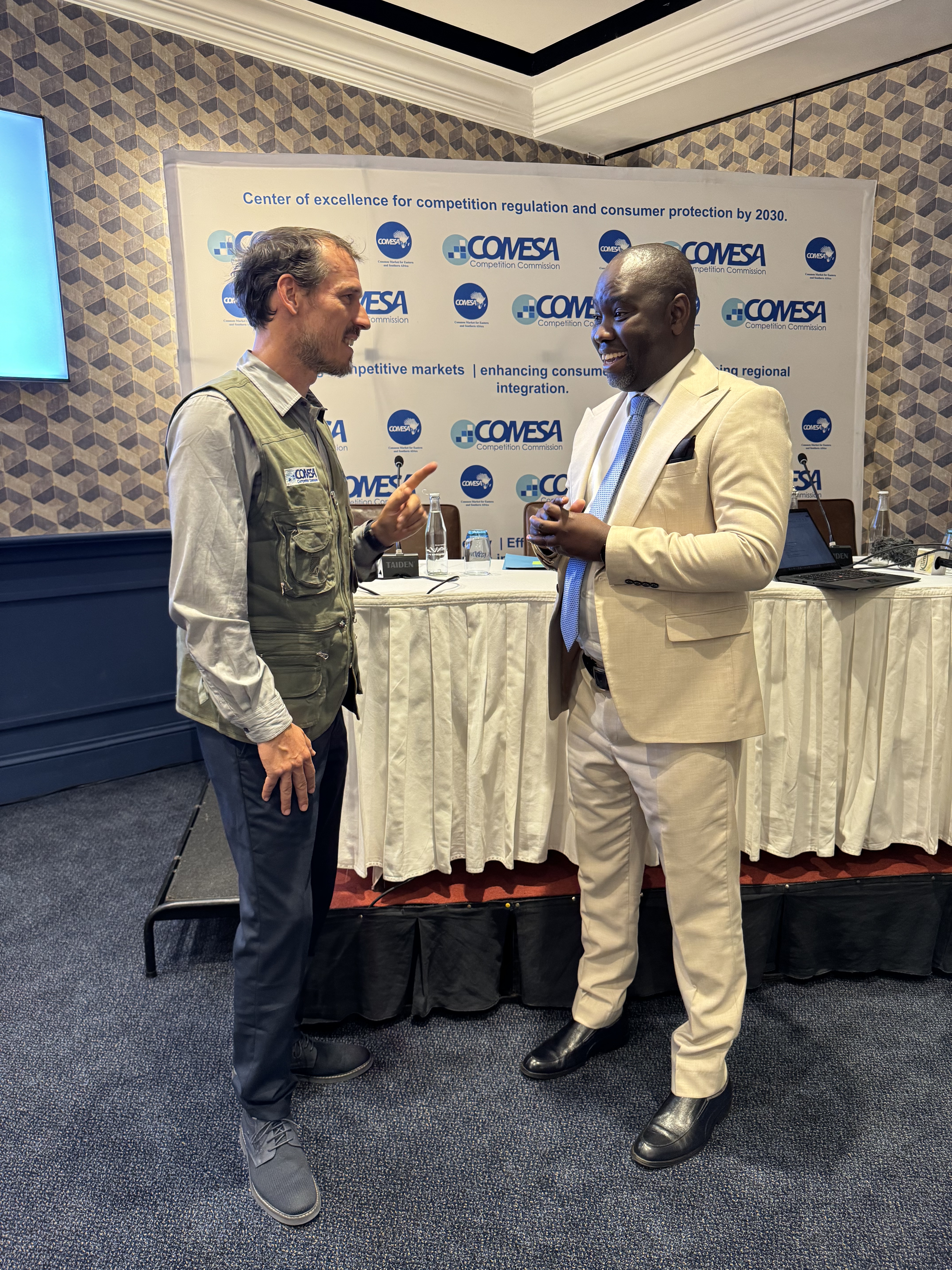
The former CEO Dr. George Lipimile and AAT Editor Andreas Stargard
With the CEO of the Commission, Dr. Mwemba
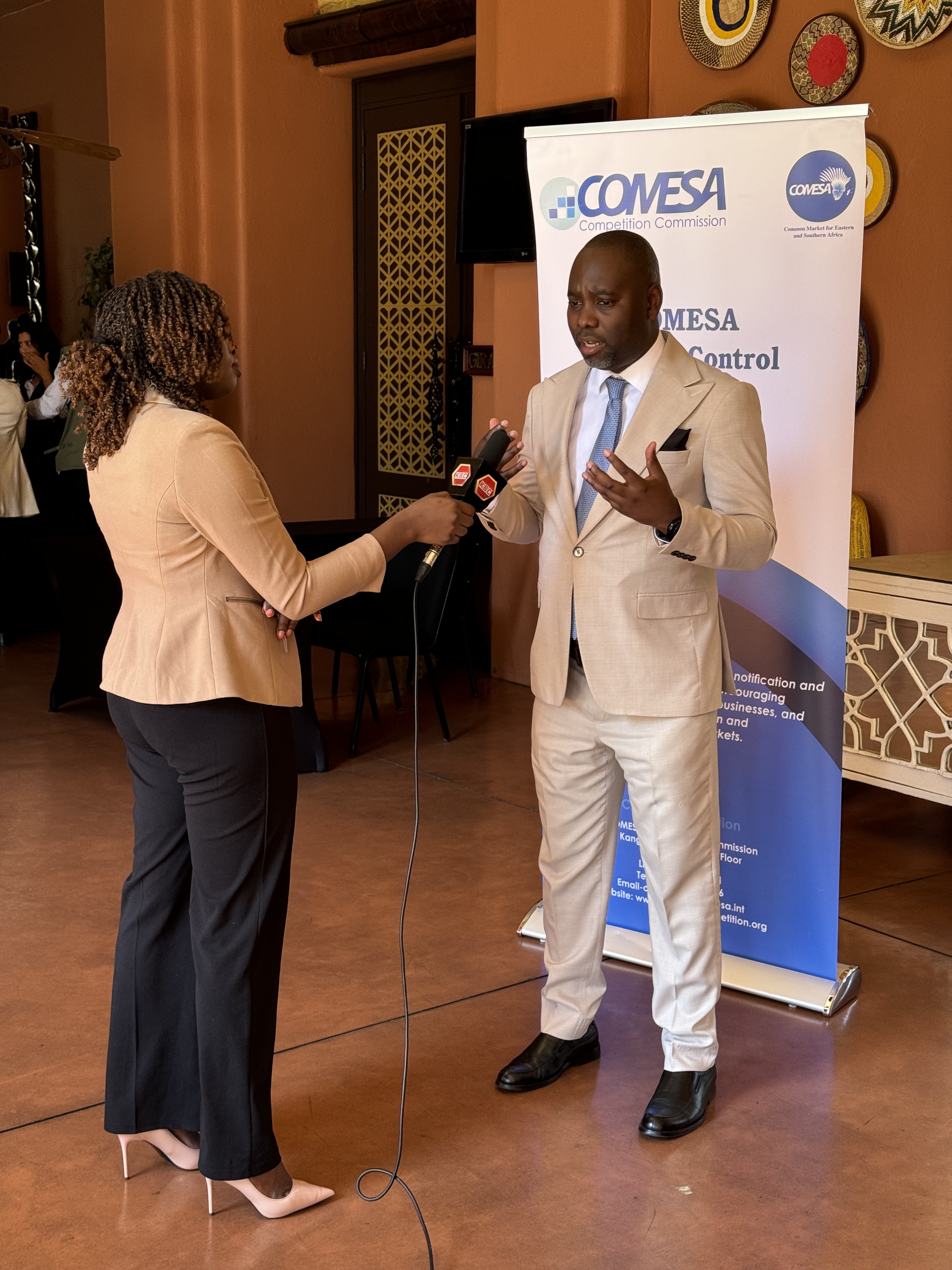
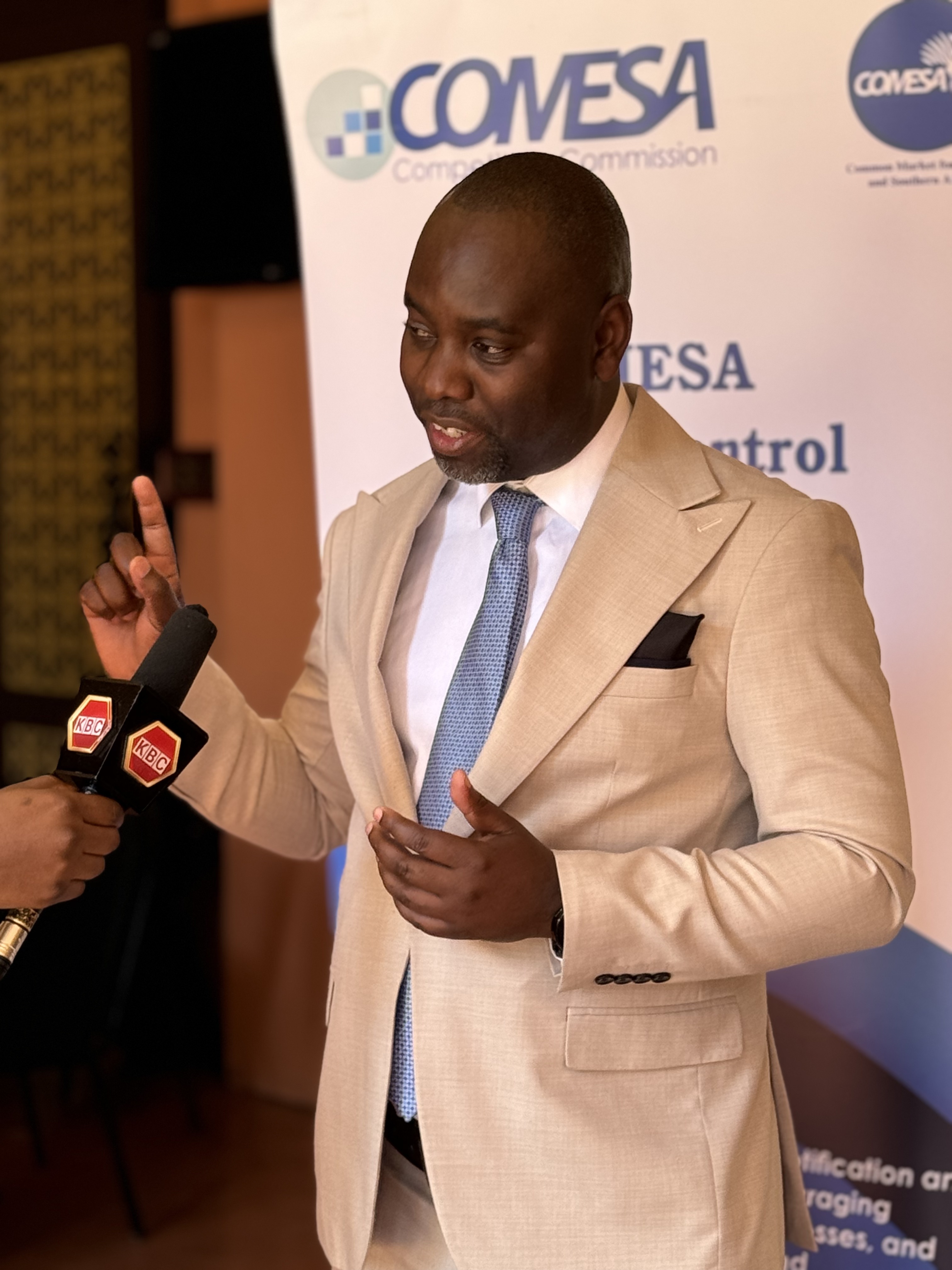
Dr. Mwemba being interviewed by KBC

Merger Regulation

As both the past Director (Dr. George Lipimile) and the current CEO (Dr. Willard Mwemba) highlighted: the Commission does not exist to prohibit mergers.  Instead, its purpose, from a merger-control perspective, is to ensure that any deals that may distort competitive markets is structured in such a way that the distortion ceases to exist or risk to the functioning of effective markets.

Answering one of the questions posed by africanantitrust.com, Dr. Mwemba confirmed that the Commission is continually engaged in ex post analysis and reviews of past mergers that were approved, sometimes with conditions, by the then-triple-C. In the ATC/Eaton Towers case, for example, it observed that the parties were found not to be complying with the obligations imposed by the contingent approval decision, therefore resulting in fines imposed by the CCC post-closing of the approved deal.

Beyond Mergers: Anti-Competitive Practices

The Commission has moved on from being a pure merger regulator long ago, however. This was a key theme throughout the multi-day conference.  “We have moved on from just doing mergers, and have now been covering the terrible, always-hidden, and always-nefarious, anti-competitive practices found across the region for years,” says Dr. Mwemba about the more than 45 ACP matters the agency has handled so far.  Case examples he gave in this respect include the CAF licensing of football rights (a veritable trilogy of matters at all levels of the intellectual property distribution chain regarding an important pastime in Africa, soccer).

Other instances of the CCC pursuing anti-competitive practices within the region include multiple investigations into the beer and alcoholic beverage markets, and a now concluded case against Uber (resulting in significant changes to the ride-sharing company’s contract terms in the COMESA region, namely removing a denial of vicarious liability clause, changing the choice of law provision from the Netherlands to local jurisdictions in COMESA, as well as changing the pricing and termination of services provisions of the contract of adhesion that Uber utilizes in its app.).  Finally, the agency is deeply engaged in ongoing agricultural and food price studies, which will likely yield further enforcement actions going forward, in the words of the CCC.

Closing Thoughts: Due Process, Procedural Rights, and Deepening Collaboration with NCAs

Even though one of the identified CAF cases remains pending on appeal, Dr. Mwemba said that the Commission welcomes the parties’ exercise of their due process rights, noting that the CID review and appellate process provide valuable insights and that everyone stands to gain by the recognition and exercise of such due process under the rules and the law.  Indeed, appeals have increased from just 1 in 2023 to 3 in 2024. The Commission also provided statistics on the collaboration it engages in with national competition authorities, including capacity building in Mauritius, the Democratic Republic of Congo, Uganda, and other member states.  Finally, the statistics provided for the past 11 years show the transformation of the early period (which AAT had initially covered graphically for several years with its informal merger-stats analysis, now long-abandoned due to the CCC’s improved transparency and web presence): The CCC has handled over 430 merger reviews and more than 45 anti-competitive practice investigations.

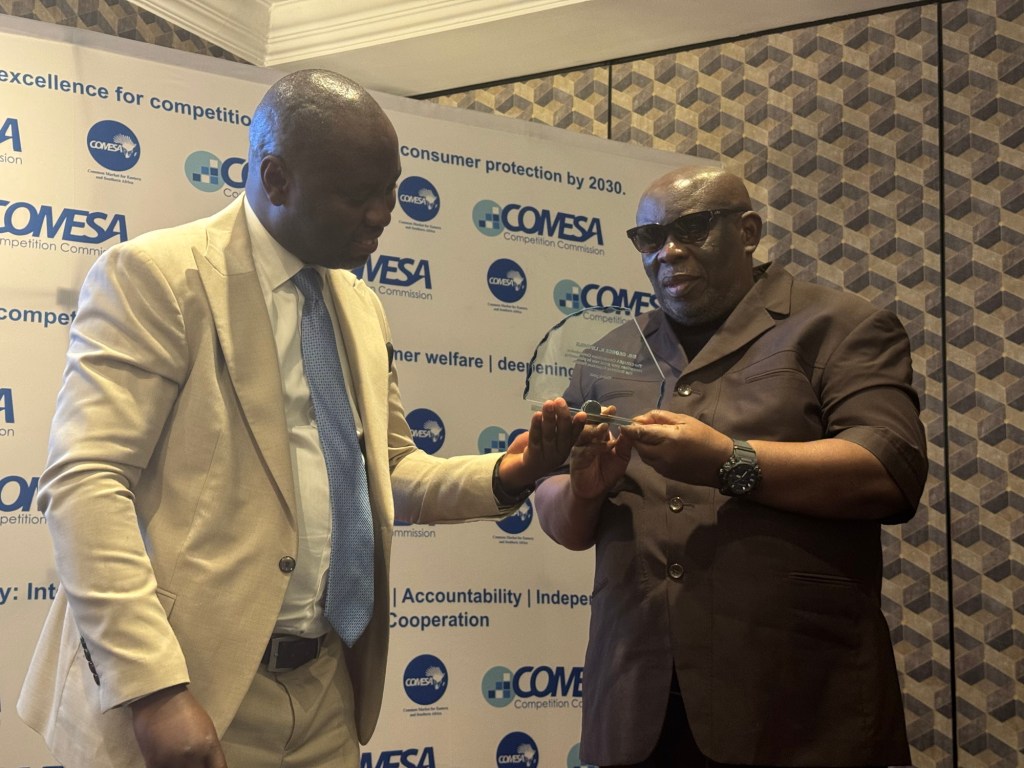
Honoring ongoing excellence and recognizing past accomplishments

Market Inquiry here, Market Inquiry there, Market Inquiry everywhere! – 3 Market Inquiries in as Many Months

By Joshua Eveleigh and Nicholas Petzwinkler

The South African Competition Commission (“SACC”) has not spared any time in demonstrating its bench strength by publishing three draft Terms of Reference for as many separate market inquiries within the first four months of 2023.

This article provides a brief overview in respect of the: Fresh Produce market inquiry (“FPMI”); Media and Digital Platforms market inquiry (“MDPMI”); and South African Steel Industry market inquiry (“SASMI”) and what this all means for firms across these varying sectors.

What is a Market Inquiry and what is its Purpose?

In brief, a market inquiry is an investigative tool used by the SACC to identify whether there are any aspects of a particular market that impedes, distorts or restricts competition by asking industry stakeholders for information regarding their business, its operations within a specific market as well as the market in general.

FPMI

On 14 February 2023, the SACC published the final Terms of Reference for the FPMI which seeks to identify and understand the state of competition within the industry, market features affecting pricing outcomes and the challenges faced by, in particular, small and emerging farmers.

The FPMI will focus on the following themes:

  1. Efficiency of the value chain, with an emphasis on the dynamics around fresh produce market facilities;
  2. Market dynamics of key inputs and its impact on producers; and
  3. Barriers to entry, expansion and participation.

The Terms of Reference also provide that the FPMI will focus on, in particular: apples, bananas, oranges / citrus, stone fruit, pears, avocados, grapes and nuts, potatoes, onions, tomatoes, sweetcorn, carrots and cabbage and will also extend to processed fruit and vegetables.

Most notably, the FPMI concerns the entire value chain, including inputs (such as fertiliser, agrochemicals and farming equipment), production, wholesalers, intermediaries, national fresh produce markets, distribution, marketing and retailers.

Given that the SACC views the fresh produce sector as a priority sector, it is foreseeable that the SACC will place increased scrutiny in its investigations across the value chain. This is particularly in light of recent and controversial Essential Food Price Monitoring Report which concluded that there were reasons to suspect that firms across the value chain may have engaged in opportunistic price increases

All Things Digital: MDPMI

On 17 March 2023, the SACC announced and published the draft Terms of Reference for the MDPMI.

The MDPMI appears to largely come off the back of several inquiries and investigations led by competition authorities globally, on the impact of digital platforms on news media publishers that use these platforms to distribute content online as well as the SACC’s recent Online Intermediation Platforms Market Inquiry (“OIPMI”) where the Publishers Support Services made submissions that the widespread shift towards digital news consumption has resulted in a substantial decline in advertising revenue.

The MDPMI will focus on whether there are any market features in digital platforms that distribute news media content which impede, distort or restrict competition, or undermine the purposes of the Competition Act, 89 of 1998 (“Competition Act”), and which have material implications for the news media sector of South Africa, which includes news publishers and broadcasters. The scope of the market inquiry will extend to the following digital platforms:

  1. Search engines (e.g. Google Search and Microsoft Bing);
  2. Social media sites (e.g. Meta);
  3. News aggregator sites and/or apps (e.g. Google News and Apple News);
  4. Video sharing platforms (e.g. YouTube and Tiktok);
  5. Generative AI services whether integrated into the above platforms or not (e.g. ChatGPT alone or integrated with Bing); and
  6. Other platforms identified in the course of the inquiry.

Evidently, the MDPMI will be far reaching and will also extend to emerging technologies, such as open AI search engines.

The draft Terms of Reference can be accessed here.

South African Steel Industry market inquiry (“Steel Industry Inquiry”)

On 07 April 2023, the SACC published the draft Terms of Reference for the Steel Industry Inquiry, and will focus particularly on inputs and raw materials (such as iron ore and coking oil) and the upstream primary steel production. The SACC notes specifically that:

Iron ore

  1. Based on 2018 estimates, the three largest market participants in the mining of iron ore account for more than 95% of total ore mined in the country with the largest participant having a market share in excess of 55% while the third-largest iron ore miner held a market share of approximately 15% which, alongside large levels of production, may result in a large degree of market power. The SACC also states that there is a need to assess the pricing mechanisms adopted by iron ore producers in South Africa to ensure the competitiveness of steel producers.
  2. It has received information that there were previously contractual arrangements in respect to allocations of capacity on the Sishen-Saldanha railway line which may result in competitive concerns. The SACC has also received complaints of differential pricing whereby larger rail customers are provided favourable rates in comparison to emerging miners.

Coking oil

  1. The SACC highlights that South African steel manufacturers rely heavily on imported coking oil which could negatively impact the sustainability of the local steel manufacturing market due to import taxes and which may allow local producers to set their prices at import parity levels.
  2. The SACC considers it important to determine whether, inter alia, there are any policy interventions to encourage the local production of coking oil and the entering of new market participants.

Upstream Primary Steel Production

  1. In its Terms of Reference, the SACC notes that there is a considerable degree of market concentration with there only being three blast furnace plants in South Africa (of which are all owned by one company). Additionally, there are six electric arc furnaces which are owned by six different companies.
  2. The SACC also notes that he pricing behaviour of upstream suppliers, in relation to the supply of long and flat steel, may have a direct impact on the ability of downstream metal fabricators to be competitive in their respective markets. Additionally, the SACC also identified that there may be high barriers to entry in the upstream level of steel production which has the ability to increase the capital requirements for entry and sustainability in various markets in the upstream level.

The Terms of Reference are open for public comment until 05 May 2023 and can be accessed here.

What do market inquiries mean for industry stakeholders?

As is evident from the scopes of the above market inquiries, market inquiries provide the SACC with broad and seemingly unfettered powers to investigate competitive dynamics within a particular sector.

More importantly, the Competition Act affords the SACC with the powers to publish binding recommendations to specifically redress any anticompetitive effects that it identifies within a market during the course of a market inquiry. In this respect, companies which may be approached by the SACC during the course of its investigations are encouraged to seek specialised competition law advice to ensure that the proper information and legal safeguards are provided to mitigate against the imposition of onerous industry recommendations.

Pursuing Produce: New SA Market Inquiry Starting in 1, 2, 3 …

South African Competition Commission’s Fresh Produce Market Inquiry & its Final Terms of Reference

By Gina Lodolo

Pursuant to the South African Competition Commission’s (“Commission”), draft terms of reference into an inquiry into the Fresh Produce Market, on 14 February 2023, the final terms of reference into the Fresh Produce Market Inquiry (“FPMI”) were published in the Government Gazette, marking 20 business days before the start of the FPMI.

 Market Inquiries are instituted by Section 43B(1)(a) of the Competition Act 89 of 1998, as amended (“the Act”), which provides that “the Competition Commission […] may conduct a market inquiry at any time […] if it has reason to believe that any feature or combination of features of a market for any goods or services impedes, distorts or restricts competition within that market; or (ii) to achieve the purposes of this Act”.

The terms of reference to the FPMI indicate a focus on the entire fresh produce value chain (fruits and vegetables). In particular, the main fruits on the Commissions radar are apples, bananas, oranges / citrus, stone fruit, pears, avocados, grapes and nuts, while the main vegetables are potatoes, onions, tomatoes, sweetcorn, carrots and cabbage (fresh and processed).

Of importance is that the terms of reference do not only find application to the fresh produce itself, rather the scope of the inquiry relates to the entire value chain, including considerable inputs, such as fertiliser, equipment, water and agrochemicals. The terms of reference show that every stage of the value chain will be assessed and broken down as follows: inputs, production, wholesalers and intermediaries (agents), national fresh produce markets (where wholesale of fresh produce between producers and buyers occur), distribution, marketing and retailers.

Particular focus will be placed on value chain efficiency, the market dynamic surrounding significant inputs and any barriers to entry, expansion and participation. 

Market Inquiries initiated by the Commission are significant because the Competition Amendment Act introduced broader remedial powers to the Commission who, after the conclusion of a market inquiry, can remedy structural features identified as having an adverse effect on competition in a market by utilising, inter alia, a recommendation of a divestiture order to the Competition Tribunal under section 60(2)(c) of the Act.

Broadly, the terms of reference highlights that the Commission, not only views the food and agro-processing sector as a priority sector but will be utilizing this sector “as a driver of inclusive growth in the South African economy”. This is of importance as the Commission is increasingly imposing public interest conditions – and in particular the promotion of Historically Disadvantaged Persons ownership – in competitively benign mergers that are also neutral into terms of public interest concerns. As fresh produce has been earmarked as a priority sector by the Commission, it will not come as a surprise if this market inquiry further emboldens the Commissions current trajectory to increasingly impose public interest conditions on merging parties.

Unless an extension is granted by the Minister of Trade, Industry and Competition, the Commission is statutorily obligated to conclude the market inquiry within 18 months.

Primerio Ltd Partner, John Oxenham commented that “the final terms of reference confirm the Commission’s intent on utilising the robust market inquiry mechanism to further not only pure competition initiatives, but more importantly, socio-economic redress mechanisms. The FPMI will result in likely structural changes to the fresh produce market and all entities involved should seek robust counsel prior to commencement of the inquiry.”

To access the FPMI terms of reference click here.

Zambia: New Board of Commissioners Signals Possible End of Increased Enforcement

By Joshua Eveleigh and Shivaan Naicker

The Board of Commissioners of the Zambian Competition and Consumer Protection Commission (“CCPC”) recently fined Airtel Money and Avian Ventures Ltd (trading as Farm Depot Zambia) each 3% of their annual turnovers in Zambia.

The CCPC’s investigation found that Airtel Money had increased its cash collection and cash disbursement fees among different sports betting companies, in contravention of section 16 of the Competition and Consumer Protection Act (the “Act”). Airtel was found to have imposed differing transaction conditions to differing parties for identical transactions, a type of price discrimination akin to U.S. Robinson-Patman Act violations that may be falling back into favor across the pond.

Additionally, Farm Depot Zambia was found to have contravened sections 15 and 16 of the Act by engaging in product tying by requiring customers to purchase certain brands of chicken feed when they intended on only purchasing Day-Old Chicks, with the Board of Commissioners of the CCPC emphasising that product typing places a particular strain on small and medium-sized businesses.

More recently, the Zambian Minister of Commerce, Trade and Industry, Chipoka Mulenga, announced a new Board of Commissioners comprised of:

  1. Mrs. Angela Kafunda;
  2. Mr. Fredrick Imasiku;
  3. Mr. Stanford Mtamira;
  4. Mr. Sikambala M. Musune;
  5. Mr. Emmanuel M. Mwanakatwe;
  6. Mrs. Sambwa Simbyakula Chilembo; and
  7. Mr. Derrick Sikombe.

While the sanctions against Airtel Money and Farm Depot Zambia may have emphasised the steady investigation of, and enforcement against, anti-competitive conduct under the previous Board of Commissioners, the new Board of Commissioners does not appear to consist of any competition law practitioners. Various local counsel in Zambia have raised concerns in this regard for the future of the CCPC’s competition enforcement initiatives.

Healthy foods & price-gouging during Pandemic?

High ginger, garlic and lemon prices have left a sour taste in mouths of South Africans

By Gina Lodolo and Jemma Muller

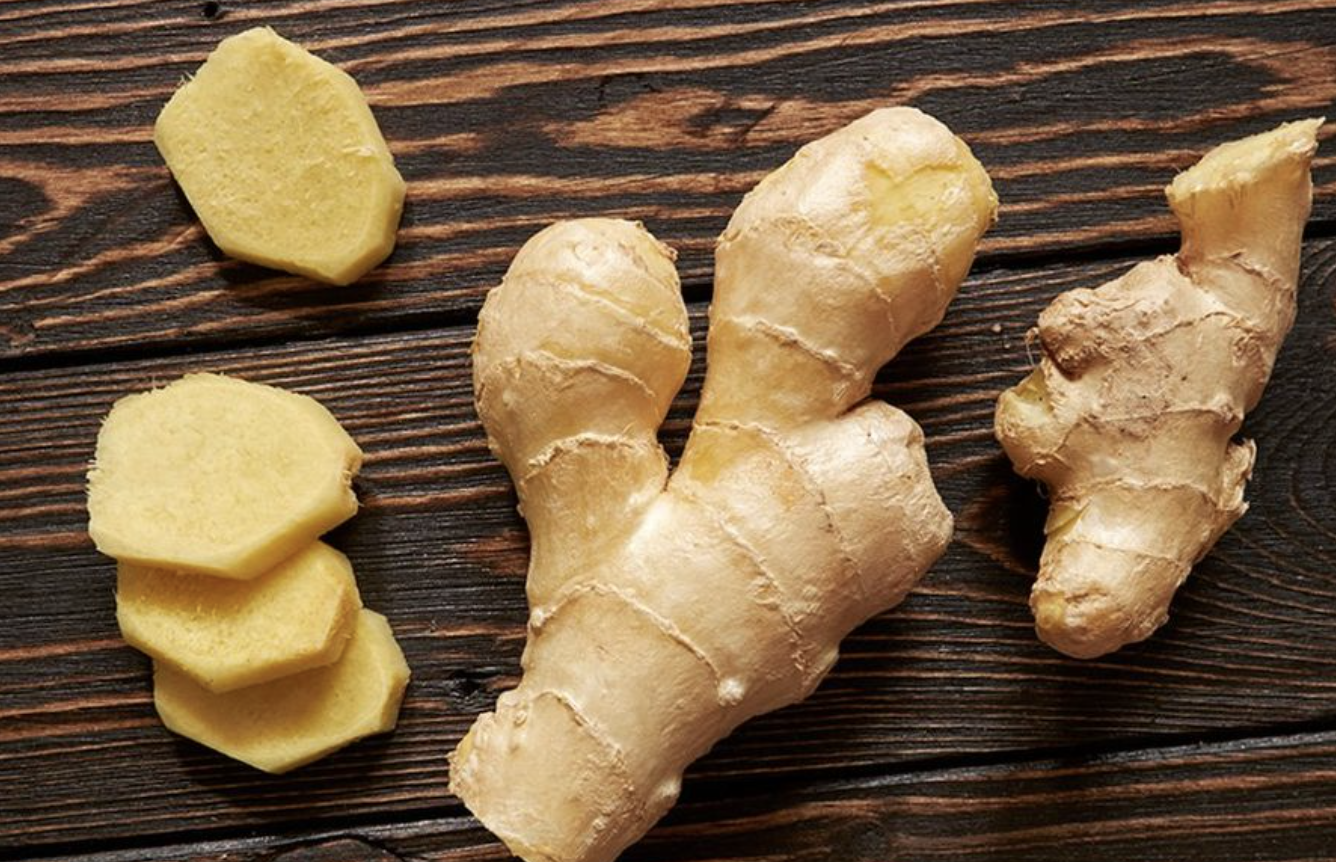
The exorbitant and rapid increase in prices of ginger, garlic and lemon, that which spans up to 300%, has been the source of much public outcry and regulatory concern over the past few months. The question remains whether the price increases by massive retailers can be justified or whether they should be considered as excessive?

The Consumer and Customer Protection and the National Disaster Regulations and Directions (the “Regulations”), which came into effect in March 2020, were put in place to consider inter alia when a price is excessive.  They empower the South African Competition Commission (“SACC”) and National Consumer Commission (“NCC”) to investigate and prosecute cases of price-gouging.  Contraventions may result in penalties of up to ZAR 1 million or 10% of annual turnover. According to the NCC, price gouging is defined as “an unfair or unreasonable price increase that does not correspond to or is not equivalent to the increase in the cost of providing that good or service.”

The NCC has launched an investigation under the Consumer Protection Act into potential contraventions of the COVID-19 Regulations against major retailers such as Woolworths, Pick ‘n Pay, Shoprite, Spar, Food Lovers market, Cambridge Foods and Boxers Superstores. According to the Regulations, and in terms of section 120(1)(d) of the Consumer Protection Act, a price increase of a goods, including inter alia “basic food and consumer items”, which does not correspond to the increase in cost of supplying such goods, or increases in the net margin or mark-up on the good(s) which exceeds the average margin or mark-up on the said good in the three month period before 1 March 2020 is “unconscionable, unfair, unreasonable and unjust and a supplier is prohibited from effecting such a price increase”.

The preferred tools of the COVID-19 Regulations relating to excessive pricing seem to be predominantly similar to competition policy and its associated institutions. Upon assessing an increase in pricing to determine whether the increase is excessive, the test would be whether the prices were increased due to cost-based increases (such as reduced supply due to an increase in import costs as the domestic currency get weaker) as opposed to price increases only due to a demand increase (such as more consumers buying ginger as an immune booster during the COVID-19 pandemic). When assessing exploitative conduct, it is more likely to establish that there has been an abuse of dominance when a firm is dominant or enjoys great market power.

It has appeared that the trend in the increase of ginger and garlic retail prices is that the allegedly exploitative conduct no longer originates from only one dominant player as such (eg. only Spar) but rather affects shops in the whole of South Africa. The price increases have sparked outrage with consumers who are driving shop-to-shop in an attempt to purchase ginger or garlic at a lower, or somewhat ‘standard’ pre-COVID-19, price.

As stated above, increasing prices will be seen as excessive when the increase is due only to an increase in demand. Retailers have claimed that the increase is not only because of rising demand but also due to an actual decrease in the product supply.  It is therefore pertinent to determine the extent to which the supply has been reduced in relation to the increased demand. This would require a proportionality balance, as shops would have to prove to the competition authorities that the increase of pricing is only due to the decrease in supply. Extortionary pricing above and beyond that would demonstrate an increase of pricing due to the increase of demand, and as such would fall foul of the  Competition Act and the Regulations cited above.

The rising prices in garlic and ginger have been on the SACC’s radar since July 2020, when it concluded a consent agreement with Food Lovers Holdings whereby the retailer agreed to immediately halt excessively pricing its ginger products at one of its stores. Notwithstanding this fact, the subsequent regulation and enforcement of ginger and garlic prices by the SACC under Regulations has become somewhat tricky due to the fact that the products are not considered to be essential products under the COVID-19 Regulations.

The SACC previously found that the increases in prices were largely attributed to the rise in costs experienced by retailers and they found no evidence of price gouging targeted at taking advantage of the constrained mobility of consumers or shortages during the pandemic. What the SACC found to be concerning, however, were the high pre-disaster margins on products such as ginger and garlic, which have largely been maintained throughout the pandemic by retailers raising their prices for the goods as the costs were increasing. Accordingly, as mentioned above, although the SACC did not find evidence of price gouging, it did find possible contraventions of the Consumer Protection Act and as such, referred the potential contraventions to the NCC to investigate further.

A spokesperson for the SACC, Siyabulela Makunga has stated the following:

We also appreciate the changes in demand for garlic and ginger, but it is our view the price of ginger and garlic have [sic] increased astronomically at retailers. We don’t think that the increased demand in ginger justified the price of up to R400 a kilogram…

John Oxenham, an R.S.A. competition lawyer with Primerio Ltd., notes that “the prosecution of the matter demonstrates the respective authorities’ commitment to priority sectors and an unbridled effort to root out any form of price-gouging.”

To conclude, market power of the implicated retailors has likely been increased due to the reduced availability of substitutes for customers as a majority of retailers have introduced a dramatic price increase. The investigation launched by the NCC is, however, a step in the right direction to protect consumers who have been left with very limited choices in the widespread steep increase in price of ginger and garlic.

GCR Matter of the Year 2019 awarded to AG deal with significant African dimension

Primerio’s Merger Team First to Obtain Clearances on Bayer’s $66 Billion Monsanto Acquisition

The Global Competition Review 2019 GCR Awards honoured the companies and their in-house and outside counsel responsible for shepherding the massive agriculture transaction through the multi-jurisdictional merger-control processes around the globe.  The Bayer/Monsanto (with divestitures to BASF) merger garnered overall “Matter of the Year” as well as “Merger Control Matter of the Year” in Europe.  The ceremony took place in Washington, D.C., during the annual ABA Spring Meeting antitrust conference.

The legal team advising St. Louis-based Monsanto on all African competition approvals was led by John Oxenham and Andreas Stargard, ably assisted by attorneys in 4 African jurisdictions — South Africa, COMESA, Tanzania, and Kenya.  The Primerio lawyers had the unique distinction of obtaining the first out of dozens of required clearances.

Monsanto Africa counsel, Stargard and Oxenham
Monsanto Africa counsel, Stargard and Oxenham, of Primerio

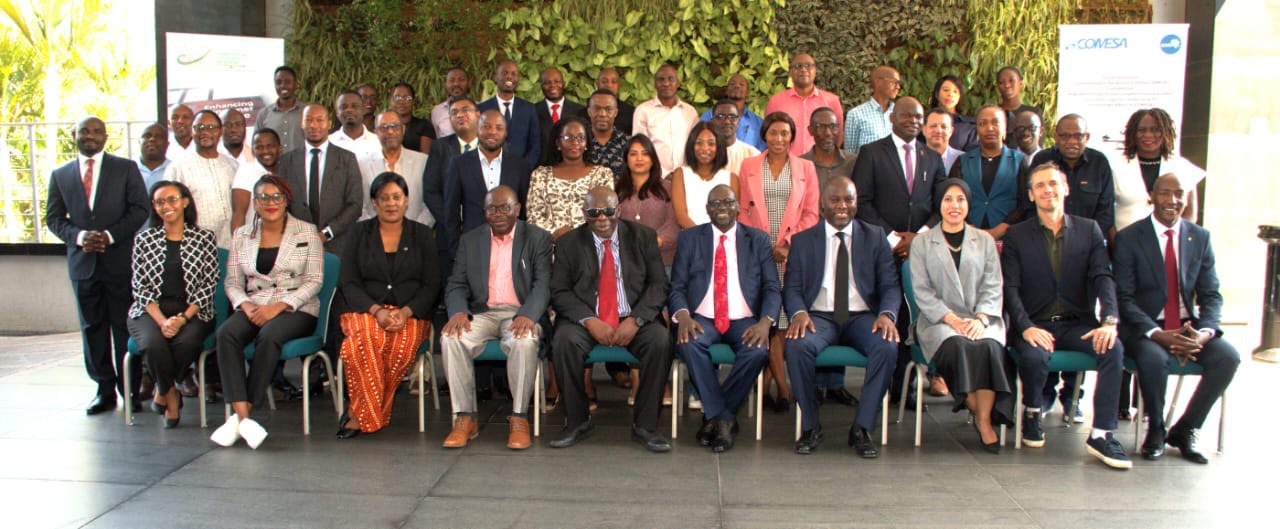
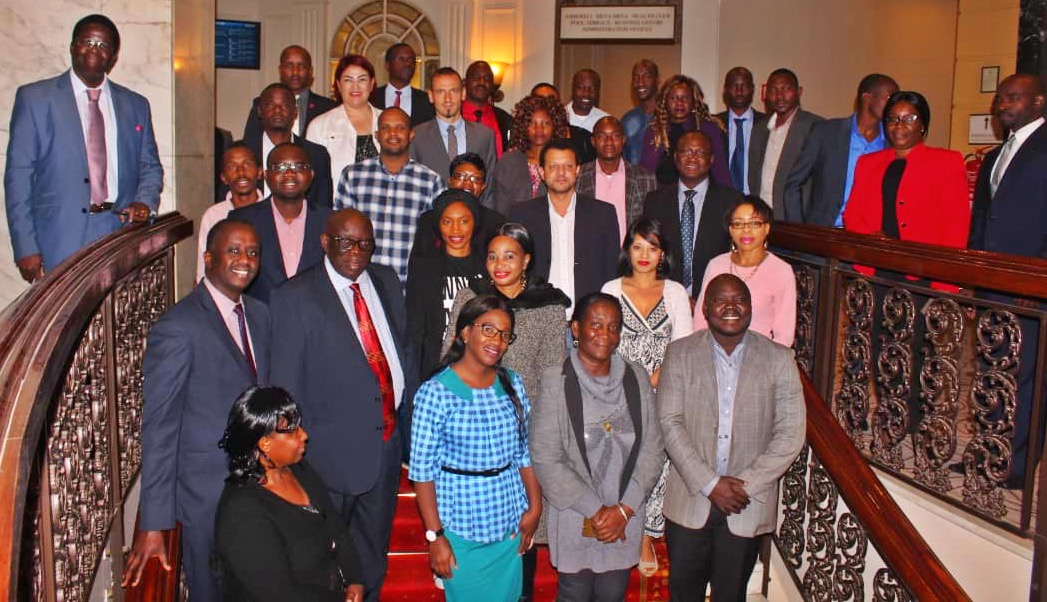
CCC workshop participants

COMESA competition workshops underway (#CCCworkshop)

Events focus on media & business community’s understanding of competition rules and practical workload of CCC

Media

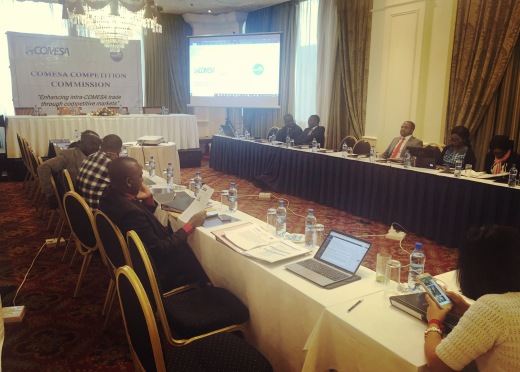
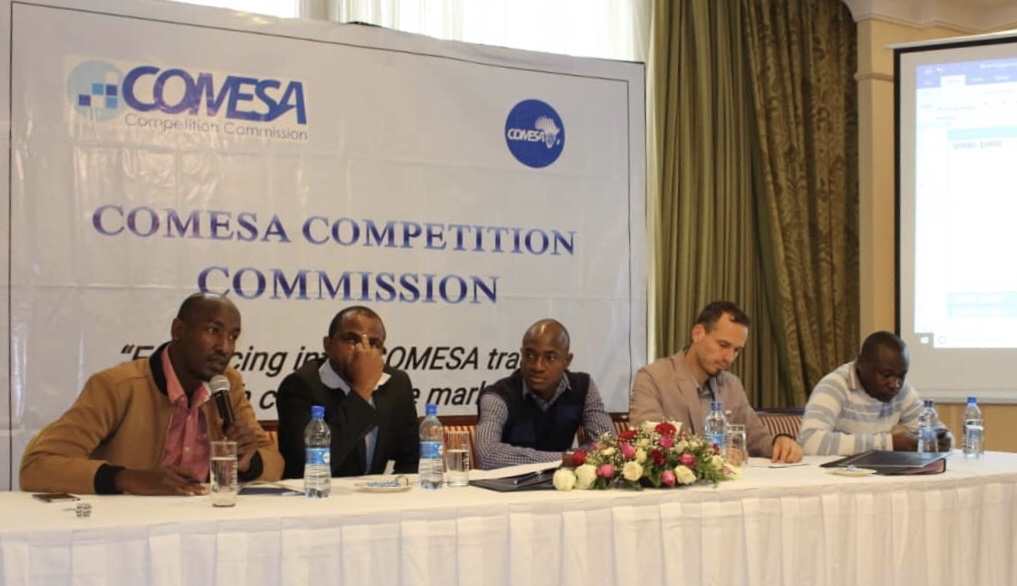
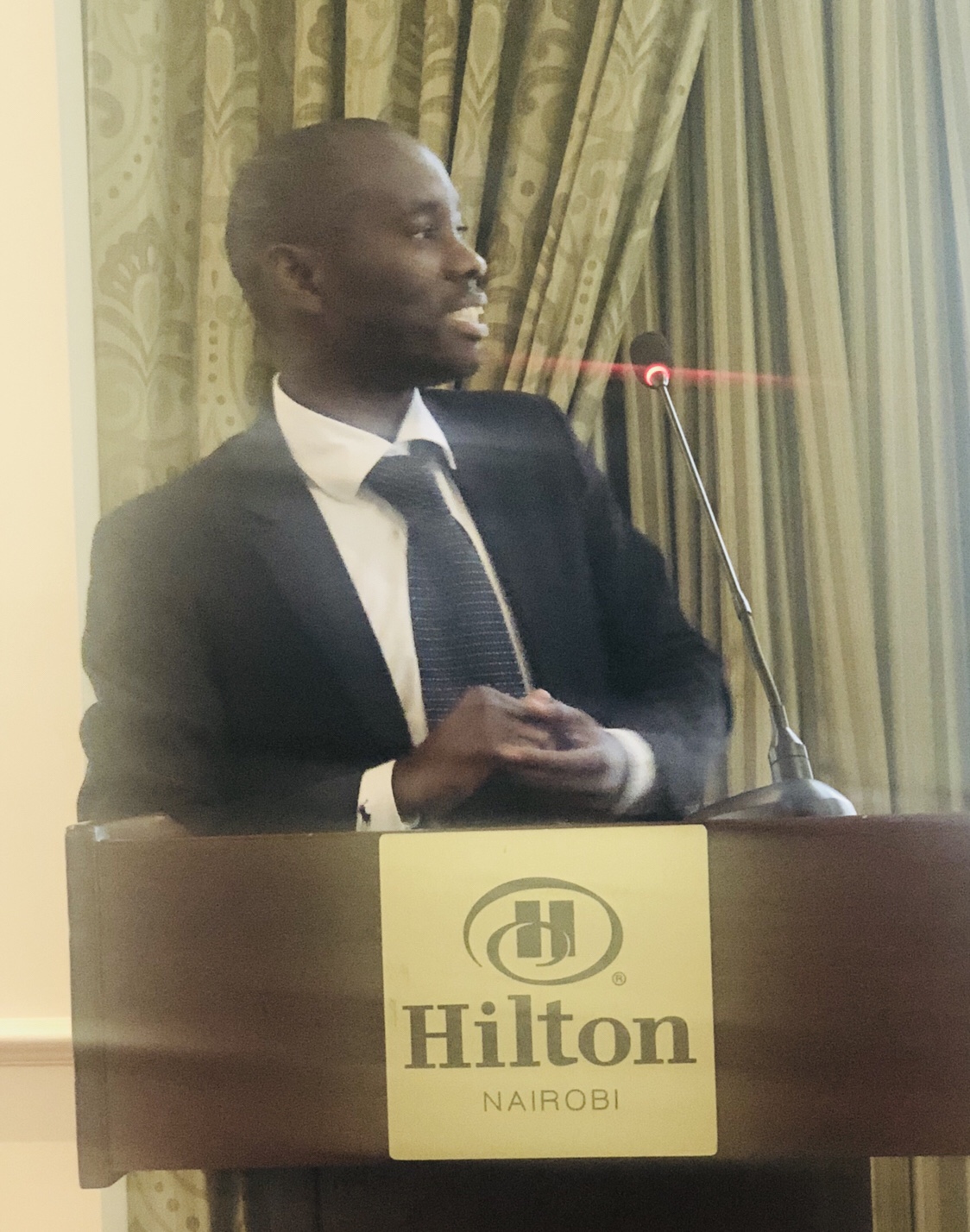
For two days this week, COMESA will hold its 5th annual “Regional Sensitization Workshop for Business Reporters“, focussed on provisions and application of the COMESA competition regulations and trade developments within the 19-country common market.

Over 30 journalists from close to a dozen countries are expected to participate in the event, held in Narobi, Kenya, from Monday – Tuesday.

AfricanAntitrust.com will cover all pertinent news emerging from the conference.  We will update this post as the conference progresses.

Speakers include a crème de la crème of East African government antitrust enforcement, including the CCC’s own Willard Mwemba (head of M&A), the CCC’s Director Dr. George Lipimile, and the Director and CEO of the Competition Authority of Kenya, Francis Wang’ombe Kariuki.  Topics will include news on the rather well-developed area of of mergerenforcement, regional integration & competition policy, as well as the concept of antitrust enforcement by the CCC as to restrictive business practices, an area that has been thus far less developed by the Commission in terms of visibility and actual enforcement, especially when compared to M&A.  We previously quoted Director Lipimile’s statement at a 2014 conference that, since the CCC’s commencement of operations “in January, 2013, the most active provisions of the Regulations have been the merger control provisions.”

Andreas Stargard, a competition practitioner, notes:

“We have been impressed with the Commission’s progress to-date, but remain surprised that no cartel cases have emerged from the CCC’s activities.  We believe that the CCC has sufficient capacity and experience now, in its sixth year of existence, to pursue both collusion and unilateral-conduct competition cases.

Personally, I remain cautiously optimistic that the CCC will, going forward, take up the full spectrum of antitrust enforcement activities — beyond pure merger review — including monopolisation/abuse of dominance cases, as well as the inevitable cartel investigations and prosecutions that must follow.”

The media conference will conclude tomorrow evening, June 26th.

Business Community

COMESA Competition Commission logoThe second event, also held in Nairobi, will shift its focus both in terms of attendees and messaging: It is the CCC’s first-ever competition-law sensitization workshop for the Business Community, to take place on Wednesday.  It is, arguably, even more topical than the former, given that the target audience of this workshop are the corporate actors at whom the competition legislation is aimed — invited are not only practicing attorneys, but also Managing Directors, CEOs, company secretaries, and board members of corporations.  It is this audience that, in essence, conducts the type of Mergers & Acquisitions and (in some instances) restrictive, anti-competitive business conduct that falls under the jurisdiction of Messrs. Lipimile, Mwemba, and Kariuki as well as their other domestic African counterparts in the region.

The inter-regional trade component will also be emphasized; as the CCC’s materials note, “we are at a historical moment in time where the Tripartite and Continental Free Trade Area agreements are underway. The objective of these agreements is to realize a single market. Competition law plays a vital role in the realization of this objective, therefore its imperative that journalists have an understanding of how competition law contributes to the Agenda.”

#LiveUpdates from the #CCCworkshop

Kenya perspective

Boniface Kamiti, the CAK representative replacing Mr. Kariuki at the event, noted that Africa in general and including the COMESA region “has a weak competition culture amongst businesses — which is why cartels are continuing in Africa, and the level of M&A is not at the level one would expect.”  This is why media “reporting on competition advocacy is very important, to articulate the benefits of competition policy and how enforcement activities further its goals, so the COMESA countries may be able to compete with other countries, including even the EU members, at a high level.”

He also highlighted — although without further explanation — the “interplay between the COMESA competition laws and those of the member countries; most people are not aware of that!”  This comment is of particular interest in light of the prior jurisdictional tension that had existed between national agencies and the CCC in the past regarding where and when to file M&A deals.  These “teething issues are now fully resolved”, according to Dr. Lipimile, and there are neither de iure nor any de facto merger notification requirements in individual COMESA member states other than the “one-stop shop” CCC filing (which has, according to Mr. Mwemba, reduced parties’ M&A transaction costs by 66%).

On the issue of restrictive trade practices (RTP), the CAK reminded participants that trade associations often serve to facilitate RTP such as price-fixing cartels, which are subject to (historically not yet imposed, nor likely to be) criminal sanctions in Kenya. It also observed that (1) manufacturers’ resale price maintenance (RPM) would almost always be prosecuted under the Kenyan Competition Act, and that (2) since a 2016 legislative amendment, monopsony conduct (abuse of buyer power) is also subject to the Act’s prohibitions.

Concluding, the CAK’s Barnabas Andiva spoke of its “fruitful” collaboration with the CCC on ongoing RTP matters, noting the existing inter-agency Cooperation Agreement. Added Mr. Mwemba, “we have approximately 19 pending RTP cases.”

CCC leadership perspective:  Nudging Uganda and Nigeria towards competition enforcement

CCC_Director
George Lipimile, CEO, COMESA Competition Commission

Dr. Lipimile took up Mr. Kamiti’s “weak African competition culture” point, noting the peculiar regional issue that “between poverty and development lies competition” to enhance consumer welfare.

He took the audience through a brief history of antitrust laws globally, and encouraged journalists to explain the practical benefits of “creating competitive markets” for the population of the COMESA region at large.

He called on Uganda and Nigeria to — finally — enact a competition law.  (AAT has independently reported on Uganda and also the EAC’s emphasis on its member nations having operational antitrust regimes.  We observe that Uganda does have a draft Competition Bill pending for review; a fellow Ugandan journalist at the conference mentioned that there has been some, undefined, progress made on advancing it in the Ugandan legislature.)  Dangote — the vast Nigerian cement conglomerate (see our prior article here) — and Lafarge played exemplary roles in Lipimile’s discourse, in which he commented that “they do not need protecting, they are large”, instead “we need more players” to compete.

Importantly, Dr. Lipimile emphasized that protectionism is anti-competitive, that “competition law must not discriminate,” and that its goal of ensuring competitive market behaviour must not be confused with the objectives of other laws that are more specifically geared to developing certain societal groups or bestow benefits on disadvantaged populations, as these are not the objectives of competition legislation.

The CCC also called on the press to play a more active role in the actual investigation of anti-competitive behaviour, by reporting on bid rigging, unreported M&A activity, suspected cartels (e.g., based on unexplained, joint price hikes in an industry), and the like.  These types of media reports may indeed prompt CCC investigations, Lipimile said.  Current “market partitioning” investigations mentioned by him include Coca Cola, SABMiller, and Unilever.

He concluded with the — intriguing, yet extremely challenging, in our view — idea of expanding and replicating the COMESA competition model on a full-fledged African scale, possibly involving the African Union as a vehicle.

CCC workshop participants
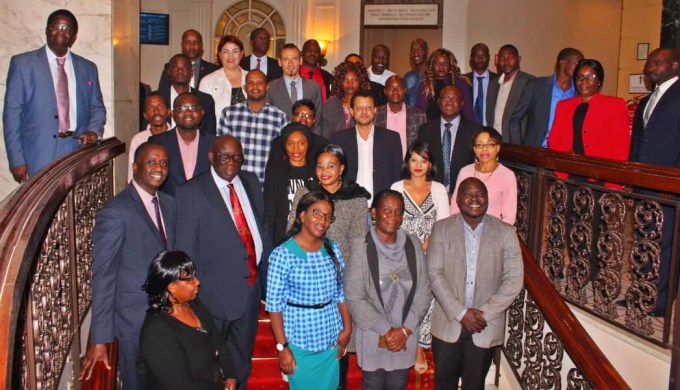
2018 CCC workshop participants

COMESA Trade perspective

The organisation’s Director of Trade & Commerce, Francis Mangeni, presented the ‘competition-counterpart’ perspective on trade, using the timely example of Kenyan sugar imports, the cartel-like structure supporting them, and the resulting artificially high prices, noting the politically-influenced protectionist importation limitations imposed in Kenya.

Dr. Mangeni opined that the CCC “can and should scale up its operations vigorously” to address all competition-related impediments to free trade in the area.

CCC Mergers

Director of M&A, Mr. Mwemba, updated the conference on the agency’s merger-review developments. He pointed to the agency’s best-of-breed electronic merger filing mechanism (reducing party costs), and the importance of the CCC’s staying abreast of all new antitrust economics tools as well as commercial technologies in order to be able to evaluate new markets and their competitiveness (e.g., online payments).

As Mr. Mwemba rightly pointed out, most transactions “do not raise competition concerns” and those that do can be and often are resolved via constructive discussions and, in some cases, undertakings by the affected companies. In addition, the CCC follows international best practices such as engaging in pre-merger notification talks with the parties, as well as follow-ups with stakeholders in the affected jurisdictions.

Key Statistics

Year-to-date (2018), the 24 notified mergers account for approximately $18 billion in COMESA turnover alone. Leading M&A sectors are banking, finance, energy, construction, and agriculture.

In terms of geographic origination, Kenya, Zambia, and Mauritius are the leading source nations of deal-making parties, with Zimbabwe and Uganda closely following and rounding out the Top-5 country list.

The total number of deals reviewed by the CCC since 2013 amounts to 175 with a total transaction value of US $92 billion, accounting for approximately $73.7 billion in COMESA market revenues alone. (The filing fees derived by the Commission have totaled $27.9 million, of which half is shared with the affected member states.)

All notified deals have received approval thus far. Over 90% of transactions were approved unconditionally. In 15 merger cases, the CCC decided to impose conditions on the approval.

Harmonising agricultural seed regulations across COMESA: COMSHIP Certification

COMSHIP advances bloc’s Certification Programme to next level

Announced in Lusaka by COMESA’s Assistant Secretary General in charge of Programmes, the long-awaited Regional Seed Certificates will be issued by member states’ national seed authorities, in an attempt to level the competitive playing field and establish guaranteed performance and yields of otherwise unpredictably performing seed products.  The COMESA programme requires verification that a registered seed lot in the region’s “Variety Catalogue” has been inspected to field standards and laboratory analysis.

Andreas Stargard
Andreas Stargard

“The COMESA Competition Commission (CCC) having approved no less than three major agricultural mergers over the past year (Bayer/Monsanto, Dow/DuPont, and Syngenta/ChemChina) — all of which involved significant seed production and R&D elements — the Regional Seed Certificate programme represents the next step in bringing to fruition the COMESA Seed Harmonisation Implementation Plan (COMSHIP), designed to align seed regulations within the trading bloc,” says Andreas Stargard, a competition lawyer with Primerio Ltd.  “The Secretariat’s stated goal of COMSHIP is not only to assure product quality and grow intra-bloc commerce, but also increase the extra-regional competitiveness of the trade group’s substantial seed industry,” in line with COMESA’s Seed Trade Harmonization Regulations of 2014.

COMESACCAccording to its own statements, whilst only five member countries (Burundi, Rwanda, Kenya, Uganda and Zimbabwe) have fully modelled their national seed laws on the COMESA Seed System, the group’s Seed Certification system is the first such “use and distribution of seed labels and certificates as a way of improving access to quality seeds in the region” anywhere in the world, based on a model suggested by the OECD.  The system will “impact virtually all of the approximately 130 million COMESA inhabitants, who stand to benefit, according to the group, from assured-quality improved seed production and usage, as well as a de-fragmentation of the historically rather localised, national markets for seeds,” commented Stargard.

Practically speaking, the seed certification labels will incorporate machine-readability, traceability, and security features, and will be printed in the COMESA official languages: English, French and Arabic.

COMESA to Introduce Seed Labels and Certificates to Boost regional Trade