Kenya Tribunal Upholds CAK’s Steel Cartel Sanction on Appeal

By Michael Williams

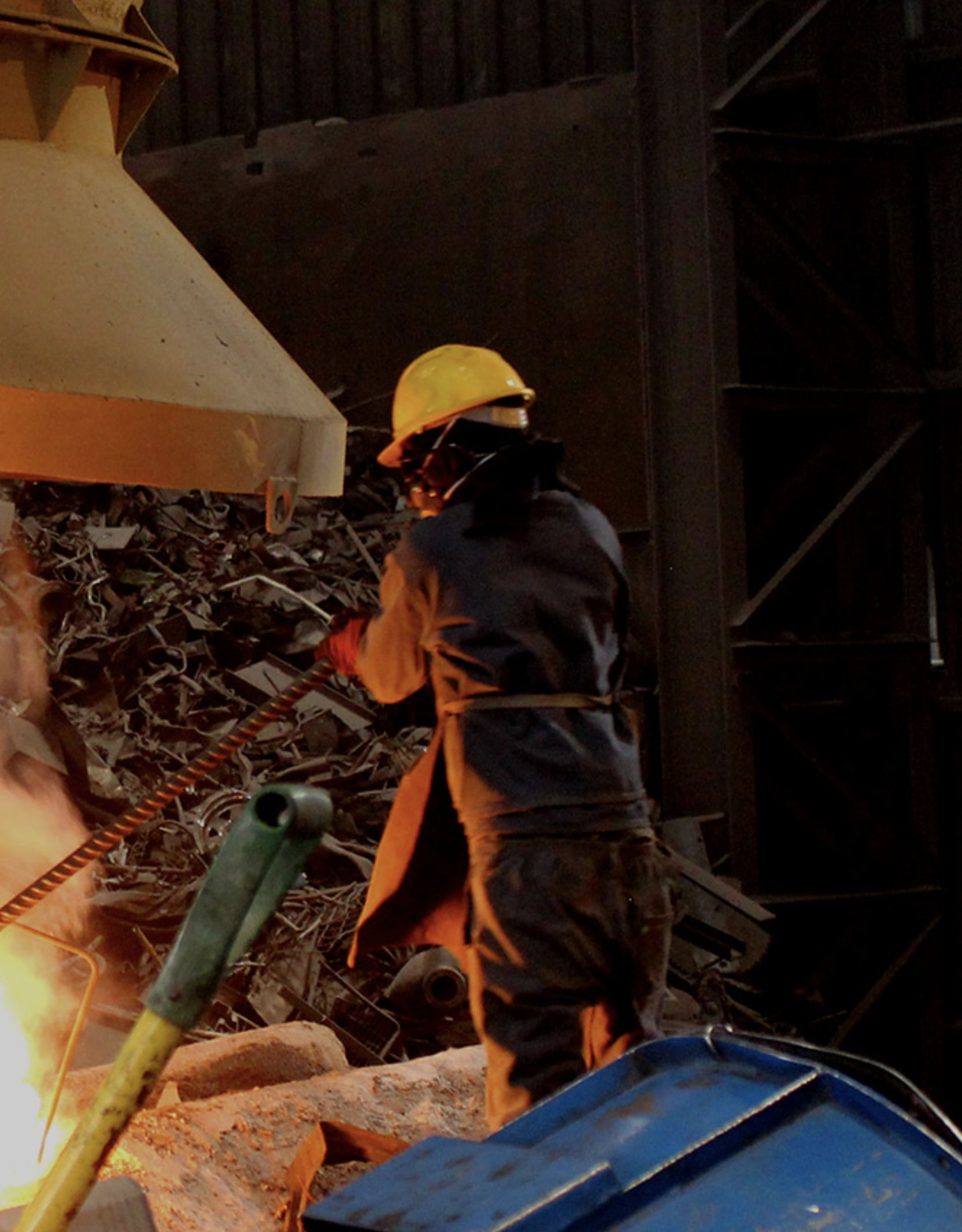
Kenya’s Competition Tribunal (the “Tribunal”) has upheld the Competition Authority of Kenya’s (the “CAK”) steelcartel decision, dismissing individual appeals brought by seven manufacturers and affirming the penalties and remedies imposed in 2023. The Tribunal rejected appeals by Tononoka Rolling Mills, Blue Nile Wire Products, Devki Steel Mills, Accurate Steel Mills, Nail & Steel Products, Corrugated Sheets and Jumbo Steel Mills, cementing the CAK’s finding of price-fixing, coordinated price adjustments and output/ import restrictions in the steel value chain. 

This ruling was handed down in two tranches: on 9 July 2025 (Accurate, Blue Nile, Devki, Nail & Steel, Tononoka) and on 11 September 2025 (Corrugated Sheets, Jumbo Steel), each time siding with the Authority. In total, the Tribunal affirmed KES 287.9 million in penalties for the seven appellants. The Tribunal further held that the CAK had afforded the parties due administrative process under Article 47 of the Constitution, the Fair Administrative Action Act and the Competition Act. 

The decision handed dawn on 15 October 2025 is a natural sequel to the CAK’s 23 August 2023 decision, when the CAK imposed record penalties of KES 338.8 million on nine steel producers for a cartel that, per the CAK, distorted construction-input pricing. Five firms reached settlements with the CAK, while the seven above pursued and have now lost their appeals. 

Notably, during the appeal phase Doshi & Company (Hardware) Ltd and Brollo Kenya Ltd concluded out-of-court settlements with the CAK, illustrating the CAK’s willingness to resolve matters via settlement and compliance undertakings, even mid-litigation. 

For context, the AfricanAntitrust 2023 coverage highlighted that the CAK’s original fines constituted the highest cartel penalties in the CAK’s history to that date, following a twoyear investigation that drew on search-and-seizure and market-intelligence evidence. With the Tribunal now endorsing the CAK’s analysis and process, the core liability findings stand, and the fine levels (for the seven appealing firms) are confirmed. 

Why this matters:

i) The Tribunal’s decisions strengthen precedent on price-fixing/ output restrictions in Kenya’s construction-inputs sector and validate CAK’s investigative toolkit and evidence assessment. 

ii) Appellants remain bound to cease collusion and implement internal competition-law compliance programmes.

iii) The CAK links steel-cartel conduct to higher housing and infrastructure costs, this outcome supports the CAK’sbroader enforcement narrative across the building materials market

The breakdown of the KES 287,934,697.83 penalties, as concurred by the Tribunal are as follows: 

Corrugated Sheets (86,979,378.53); Tononoka Rolling Mills (62,715,074.03); Devki Steel Mills (KES 46,296,001.25); Jumbo Steel Mills (KES 33,140,459.40); Accurate Steel Mills (KES 26,826,344.31); Nail & Steel Products (KES22,816,546.01); Blue Nile Wire Products (KES9,160,894.30). 

What’s next

Unless pursued further on points of law, the Tribunal’s decision bring this enforcement chapter close to closure. Penalties, compliance obligations remain, and CAK’s leniency and Informant Reward Schemes continue to beckon for future cartel detection. 

In conclusion, and by quoting the CAK’s Director-General, Mr. David Kemei, “The Tribunal’s findings affirm the CAK’s unwavering commitment to protect Kenyan consumers and businesses from the damaging effects of cartel conduct, and the veracity and completeness of our evidence-gathering, analysis and decision-making processes.”

Safeguarding Market Integrity and Consumer Welfare: Reflections on the CCC’s 2024 Annual Report

By Megan Armstrong

The COMESA Competition Commission (“CCC”), released its 2024 Annual Report on 23 July 2025, outlining a narrative of both increased institutional maturity and a growing assertiveness in market regulation. This, against a backdrop of economic turbulence such as regional inflationary pressures, tightened global credit conditions and slowing GDP growth in Member States, the CCC pressed forward, making notable strides in their enforcement, policy advocacy and institutional development.

M&A Activity and a shift in sectoral dynamics

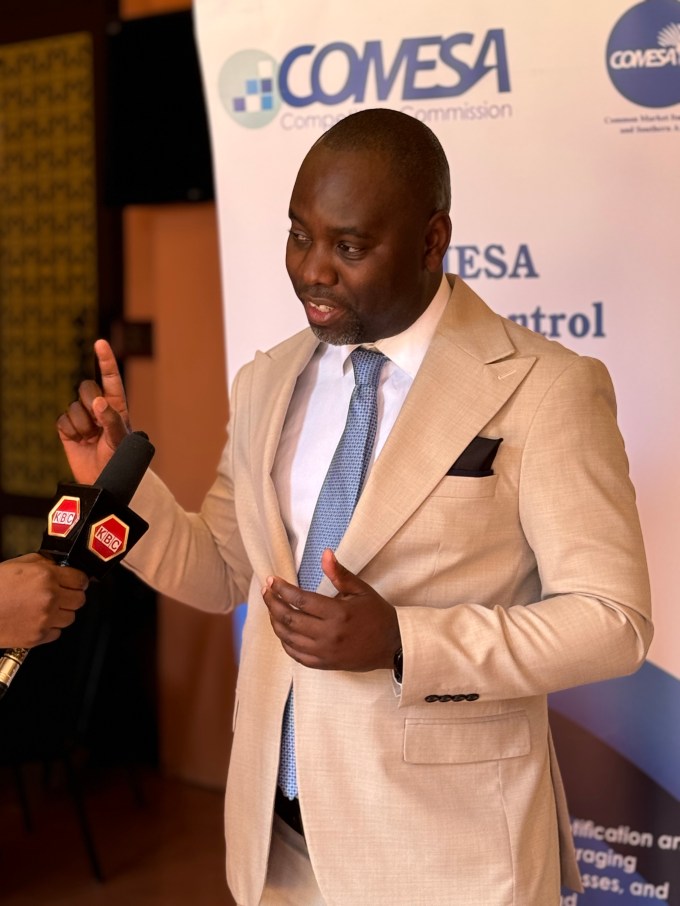
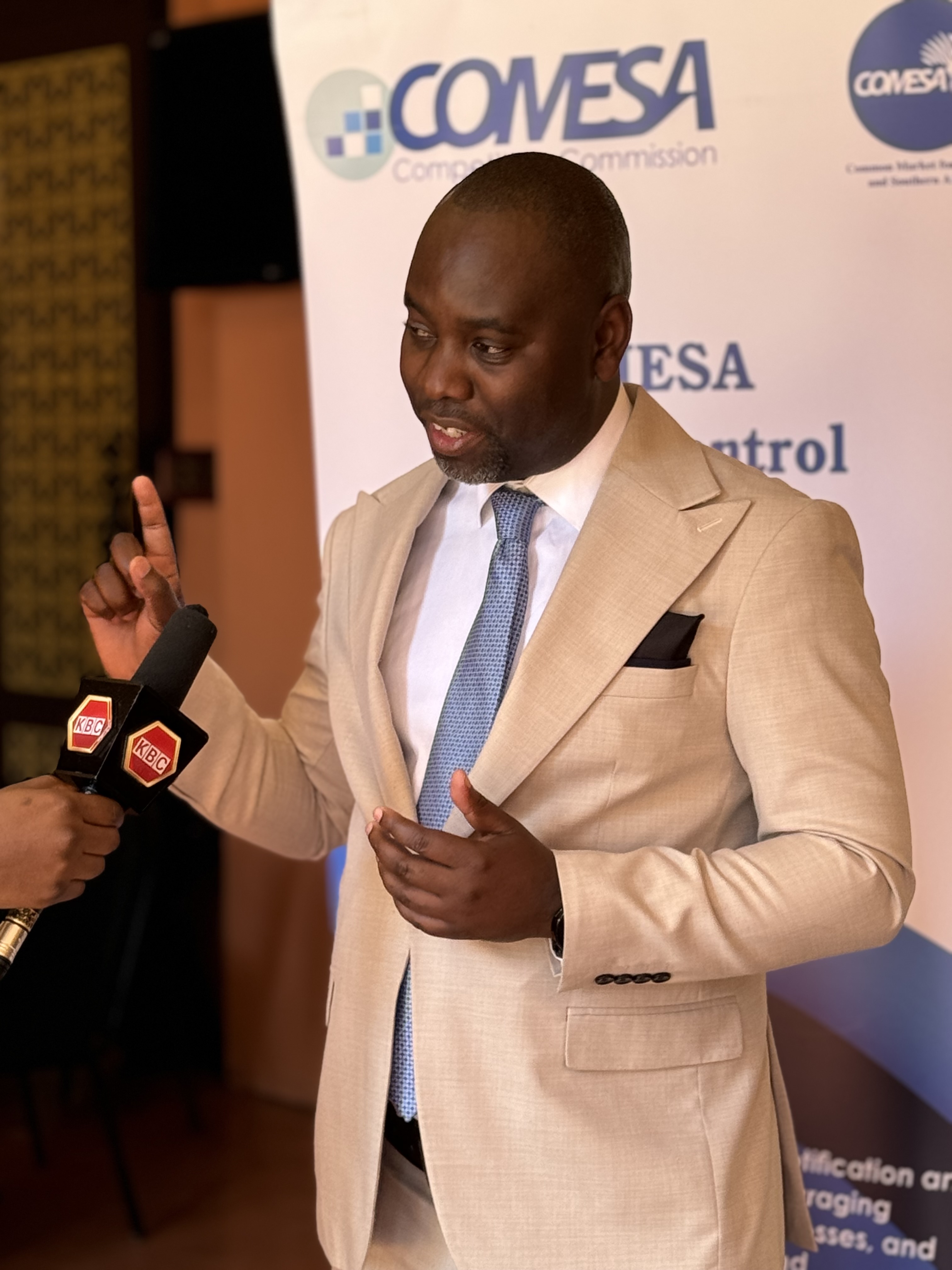
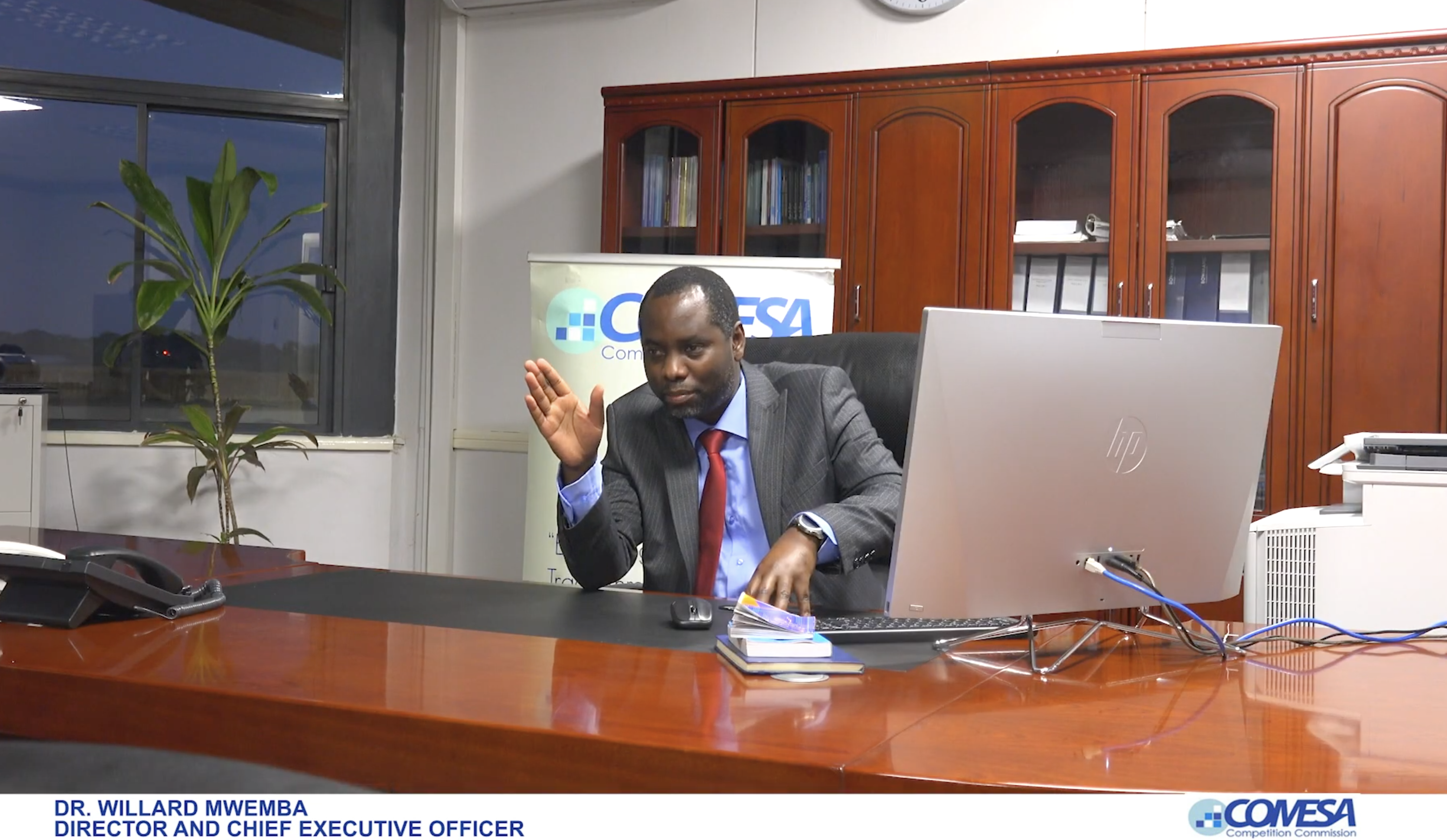
Dr. Willard Mwemba, COMESA Competition Commission Chief Executive

A notable metric from the year under review is the number of merger notifications, the CCC recorded receiving 56 transactions, a 47.4% increase from the previous year (2023). This spike may, in part, be a response to post-COVID19 economic restructurings and macroeconomic volatility prompting consolidation across various sectors. It is also likely that it points to a growing awareness among firms of their obligations to notify under the COMESA Competition Regulations, alongside the CCC’s increasing presence in regulatory enforcement within the region.

A large portion of these notified mergers in 2024 came from the banking and financial services sector, at 7 notified mergers, followed by energy and petroleum with 6 notified mergers, and ICT and agricultural sectors having 4 notified mergers each. Notably, each of these sectors can be linked to economic resilience and infrastructure development across the Member States. Countries like Kenya and Zambia showed the highest levels of enforcement with respect to mergers, affirming their roles as key economic nodes within the COMESA region.

The CCC continued to apply the subsidiarity principle in their merger assessments, deferring to national authorities where appropriate. With this, there were still 43 determinations finalised within stipulated time frames, unconditionally cleared with no mergers being blocked or subject to conditions. This contrasts with 2023, where four such interventions occurred. This unblemished record may suggest procedural compliance and benign effects, it does raise the question of whether these competitive harms are being sufficiently interrogated or whether transactions are being proactively structured to avoid scrutiny.

Restrictive Practices: Building a Hard Enforcement Reputation

Here, the CCC pursued 12 investigations in 2024, increased from 9 in 2023. These investigations touched sectors ranging from beverages, to wholesale and retail, ICT, pharmaceuticals and transport and logistics. The CCC’s increasing use of ex officio powers, particularly in the transport and non-alcoholic beverages sectors is noteworthy, reflecting a strategic pivot from a reactive enforcement regime to a more intelligence-led and proactive regime.

The CCC bolsters this enforcement strategy with an acknowledgement that behavioural change often requires more than deterrence. It maintains research and advocacy at its core focus for market engagements. The CCC’s involvement in collaboration with the African Market Observatory project in the food and agricultural sector highlights the market and policy failures that arise in these areas. This research has spurred dialogue at both national and international levels, including involvement from the OECD and International Competition Network.

Reform and Capacity Building

The CCC has initiated a long-overdue review of its legal framework, seeking to modernise its 2004 Regulations and Rules. These revised instruments, once adopted, are expected to cover emerging regulatory concerns, which includes climate change, and digital markets. These are areas where the intersection between competition and broader public policy goals are becoming more pronounced.

 The CCC has scaled up technical assistance across the region, including providing support to legal reform processes in jurisdictions such as Eswatini, Egypt and Djibouti. The CCC also presented training for competition authority officials in Member States such as Comoros, Zimbabwe and Zambia. These capacity building efforts are critical for the CCC to realise its vision of a harmonised and integrated regional competition regime.

The Year Ahead: A Cartel Crackdown and Consumer-Centric Focus

Looking ahead to 2025, the CCC has signalled a decisive focus on cartel enforcement. There has been a growing recognition that undetected and entrenched cartel operations remain one of the most damaging forms of anti-competitive conduct in the Common Market, resulting in raised priced, limitations to innovation and a stifling of regional integration. The CCC intends to ramp up their detection tools, build cross-border enforcement partnerships, and enhance leniency and whistleblower frameworks. This is a complex undertaking, but does provide the potential to yield transformative results should it be executed effectively.

Alongside this, the CCC intends to intensify its efforts on the consumer protection front, particularly in those sectors that have been flagged through its market intelligence efforts. The digital economy is one such priority sector, the CCC has received anecdotal evidence of exploitative practices in this sector and is positioned to clarify its understanding of the competitive dynamics at play in this sector. Similarly, product safety in the fast-moving consumer goods sector is expected to receive closer scrutiny. 

Conclusion

If 2024 was the year of consolidation, 2025 promises to be the year of forward momentum. The CCC has shifted its weight towards deeper enforcement, increased research and the implementation of a regulatory framework that has the ability to meet and address modern market realities. From cartel detection to digital market fairness and food sector resilience, the CCC has an ambitious agenda for the year ahead.

As regional integration efforts gather pace under the AfCFTA, the CCC’s role as a guardian of market fairness and consumer protection within Member States will only become more central. With this groundwork having been laid, it is time for the harder, but more rewarding task: “building markets that work for everyone”.

The Morocco Competition Council takes action to ensure fairness in Morocco’s fuel market with a settlement of 1,840,410,426 Moroccan Dirhams

By Gina Lodolo

In a move towards ensuring fair competition in Morocco’s fuel market, the Morocco Competition Council (“MCC”) recently took decisive action. This decision followed amendments to the legal framework governing competition in Morocco, aligning it with Laws No. 40.21 and No. 41.21, which amended and supplemented Law No. 104.12 related to freedom of prices and competition, and Law No. 20.13, which pertains to the Competition Council, along with their implementing decrees and their entry into force. In this regard, in June 2023, the MCC initiated an investigation into potential practices that contravened competition rules within the fuel market.

The complaints were filed against nine companies operating in the supply, storage, and distribution of gasoline, along with the professional organisation representing these companies (the “Companies”).

In response to the investigation, the Companies expressed their willingness to engage with the new legal framework, particularly the settlement procedure outlined in Article 37 of Law No. 104.12, as amended and supplemented.

The MCC considered and approved the requests submitted by the Companies to enter into discussions. The General Rapporteur was tasked with initiating official discussions with each company and its professional organisation separately. The result of these discussions was the signing of reconciliation minutes, documenting the approval of the reconciliation proposals.

On 23 November 2023, the MCC issued a report detailing reconciliation agreements that had been entered into with the Companies, stipulating that the Companies would collectively pay an amount of 1,840,410,426 Moroccan dirhams as a reconciliatory settlement. In addition to the financial commitment, the Companies made a set of pledges aimed at improving the competitive functioning of the fuel market and preventing anti-competitive practices.

These commitments are legally binding and include:

  1. Developing competitive risk maps within the Companies.
  2. Establishing effective internal warning systems.
  3. Appointing an internal official responsible for overseeing the conformity program.
  4. Providing detailed reports on supply, storage, and distribution activities every three months for a period of three years.
  5. Ensuring that price changes align with market dynamics.
  6. Allowing independent service stations to change prices without prior approval.
  7. Not linking discount programs to service stations with compliance with recommended prices by the Companies, directly or indirectly.

The commitments also emphasised the importance of preventing anti-competitive practices related to the exchange of sensitive information. In this regard, the Companies committed to adopting best practices regarding the collection, exchange, or sharing of information, especially in the management of shared infrastructure for storage and distribution.

To ensure the effective implementation of these commitments, the MCC will be closely monitoring and evaluating compliance. In this regard, the Companies are required to provide periodic evaluation reports, demonstrating their commitment to the agreed-upon measures.

The MCC’s proactive approach in addressing potential anti-competitive practices in Morocco’s fuel market through reconciliation agreements is a significant step forward and signifies robust and increased enforcement activity in Morocco.

The full MCC Report is accessible here.

CAK imposes highest-ever cartel fine on 9 steel producers

After about a two-year-long investigation, the Competition Authority of Kenya (CAK) has determined guilt and imposed record fines on nine steel manufacturing companies for their joint role in a price-fixing and output-restriction cartel. The fine — the highest-ever imposed by the CAK to date — was set at Ksh. 338,849,427 million (approx. U.S. $2.3m) in total.

Back in June 2022, Construction Kenya news outlet reported that the offices of 10 Kenyan steel suppliers had been ‘dawn-raided’ by the CAK on suspicion of price-fixing. “A number of senior officials at the companies, including chief executives, have been interrogated as part of the investigation triggered by builders who complained about excessive pricing of steel.” These raids in Nairobi, Mombasa and Kisumu had taken place in the preceding December, and in secret, the CAK’s investigation into the steel sector had already begun in August 2020, when the Authority conducted a sua sponte nationwide “covert field screening,” which indicated the presence of illegal coordination by the steel producers.

In their defense, the manufacturers initially claimed innocence and blamed the pandemic input-price increases, via their trade group’s spokesman, Kenya Association of Manufacturers Steel Sector Chair, Bobby Johnson: “We are bearing a huge cost to cushion consumers. The prices of billets have shot up because of the supply disruptions as well as fuel for heating the furnaces.”

However, CAK enforcement and compliance manager, Mr. Mokaya, was quoted as stating that the agency had received specific and clear evidence “of certain concerted practices including agreements on pricing. We conducted market screening and launched raids in December targeting over ten companies and the investigation is ongoing.”

Andreas Stargard, an antitrust attorney with Primerio Ltd. who frequently works on COMESA-region competition matters including Kenya with his local Nairobi colleagues, noted that “this cartel case comes on the heels of the CAK’s successful prosecution of the ‘paint cartel,’ which it brought to conclusion also during COVID, in February 2021, fining Crown Paint, Basco Products Ltd., Kansai Plascon and Galaxy Paints for price-fixing. It will not be interesting to see whether firms engaged in the construction industry — that is: direct purchasers of steel products from the cartelists — will attempt to recover any of the overcharges they were burdened with by the infringers…

In theory, a person found guilty of the offence is liable to imprisonment for a term not exceeding five years or to a fine not exceeding ten million shillings, or both. Kenyan billionaire Narendra Raval, whose steel firm Devki is among those found guilty of cartel conduct, will not have to see a (steel?) jail cell from the inside, however. As of now, only monetary fines have been imposed by the CAK.

Dr. Adano Wario, the CAK’s Acting Director-General, noted that these financial penalties were in proportion to the harm done by the offense: artificial increases in the cost of steel products harmed consumers by inflating construction costs of homes and state and local infrastructure projects, thus contributing further to the already high cost of living in the country:

“Cartels are conceived, executed, and enforced by businesses to serve their commercial interests, and to the economic harm of consumers. In this matter, the steel firms illegally colluded on prices and margins as well as output strategies. In a liberalized market like ours, the forces of supply and demand should signal prices, free from manipulative business practices. Agreements between competitors seek to defeat this fundamental facet of a free economy.”

Whether or not a “leniency” request was involved is unclear, but doubtful according to attorney Stargard: “We have seen conflicting reports as to the origins of this investigation: some sources point to construction firm, or developer, complaints that led to the CAK’s action. The Authority itself claims it conducted the industry investigation fully on its own accord, without prompting. Either way, there is no indication that one of the price-fixing group members cheated on its fellow cartelists by seeking amnesty from prosecution, which is most frequently the case in modern cartel cases.” He adds that the COMESA Competition Commission (“CCC”) may also find interest in the ongoing price hikes in various markets, as the agency had previously made cautionary remarks in the paints cartel (see article above) and was almost certainly apprised by the CAK of its ongoing investigation into the steel sector during the pendency of that matter: “We know for a fact that the CAK and the CCC are working hand-in-glove when in comes to investigating anti-competitive conduct. Indeed, this statement can be expanded to include not only East-African competition enforcement agencies, but all African authorities, and in fact many international antitrust watchdogs as well, with whom the COMESA enforcer has bi- and multi-lateral cooperation agreements and MOUs. Competition-law enforcement truly has become global, and escaping the watchful eye of the agencies is getting more difficult by the day.”

The affected companies are Devki Steel Mills, Doshi & Hardware Limited, Corrugated Steel Limited, Jumbo Steel Mills, Accurate Steel Mills Limited, Nail and Steel Products Limited, Brollo Kenya Limited, Blue Nile Wire Products Limited, and Tononoka Rolling Mills Ltd.

Criminal cartels & dilapidated energy networks: Will South Africa act?

A true challenge to the impartiality of the South African Competition Authority: Eskom and its Criminal Supplier CartelsLet’s wait and see what SACC does now

By Joshua Eveleigh

Will South Africa’s antitrust watchdog, under the aegies of its relatively new head Doris Tshepe, investigate and prosecute flagrant cartel conduct, when it is practically presented on a sliver platter by one of the CEOs of the (willing?) victims of said illegality…? Andre De Ruyter, former CEO of South Africa’s recently-infamous Eskom, is no stranger to the limelight – this is particularly true, following his scandalous (but not so surprising) bombshell allegations of deep-rooted and systemic corruption within the State-Owned Enterprise, together with ‘senior politicians’.

Even more recently, De Ruyter tested the antitrust waters and emphasised the existence of at least four cartels amongst coal mines in Mpumalanga (the Presidential Cartel, the Mesh-Kings Cartel, the Legendaries Cartel, and the Chief Cartel, respectively) intent on defrauding Eskom by, amongst a myriad other means, engaging in collusive tendering, so as to ensure that one of the cartel’s participants would ultimately be appointed as a lucrative vendor.

While there may not be any definitive or public available evidence, as of yet, the mere allegations of such cartels by the SOEs former CEO should at least raise enough red flags for South Africa’s Competition Commission. In this respect, section 4(1)(b)(iii) of the Competition Act expressly prohibits collusive tendering, forming part of the ‘cartel conduct’ category, the most egregious form of competition law contraventions due to their unnecessary raising of prices – of which may be passed down to end-consumers.  Mr. De Ruyter noted that the mere reality that cartel chiefs had ceased posting personal jet set lifestyle photos on social media was evidence of their having been alerted to the risks attendant to flagrant antitrust violations.

Given the current state of load-shedding, Eskom’s R423 billion indebtedness (as of March 2023) and the prejudicial impact that these factors are having on both business and personal livelihoods, the South African Competition Commission – theoretically in charge of cartels in the country — must surely regard the energy sector as a priority.  In this regard, one would expect a similar sense of urgency and emphasis that the Competition Commission has recently placed on the retail and grocery sectors, for the focus to be on South Africa’s energy sector.  After all, says Primerio partner John Oxenham, “this sector impacts every facet of commerce and consumer welfare.  If this was the case, the South African public could expect to see the prosecution and sanctioning of numerous cartels, each allowing for a maximum administrative penalty of 10% of the cartelist’s locally derived turnover as well as the potential for subsequent civil follow-on damages claims as well as criminal prosecutions.”

Oxenham’s competition-law colleague, Michael Currie, opines that, “[i]n the event that the Competition Commission does not investigate and prosecute against the coal mine cartels, such a position would largely reinforce the notion that some of the most unscrupulous of cartels are immune from prosecution, further entrenching the existence of cartels in South Africa’s most sensitive sectors.”

“We won’t compete on price!” — Telco CEO makes blatant antitrust admission

Today, the East African reported on a stunning admission by the Chief Executive Officer of Kenyan mobile telco heavyweight Safaricom (itself no stranger to AAT telco competition reporting and proprietor of the massive M-Pesa mobile money network across East Africa). In the article, fittingly entitled “Safaricom rules out price war in Ethiopian market“, the business report quotes Mr. Peter Ndegwa as saying:

“From a pricing perspective, our pricing strategy is generally to be either in line or just slightly at a premium, but not to go for any price competition. The intention is actually generally to be closer to what the main operator is offering, especially on voice.”

Safaricom’s senior exec made his curious confession on a recent investor call. Says Andreas Stargard, a competition attorney with Primerio: “On these investor conference calls, there are usually several analysts and reporters on the line, listening in, and they commonly are also recorded. This would mean there exist clear prima facie evidence and several witnesses to these statements, as reported by the East African source.” He adds: “It remains to be seen whether any of the several competent authorities will investigate Safaricom’s express statement of a de facto ‘non-compete’ between the Ethiopian incumbent and the Kenyan upstart,” with the former (Ethiotel) boasting 54m subscribers, as opposed to the latter’s mere 1m users in-country.

POSSIBLE INVESTIGATIONS

When asked which government authorities would be authorized to investigate Safaricom’s “no price war” policy expressed by Mr. Ndegwa, according to the newspaper, Mr. Stargard noted that, beyond the domestic Ethiopian telecoms regulator, there existed at least two (2) competent antitrust bodies with jurisdictional authority: “For any potentially anti-competitive conduct occurring in Ethiopia that may have a cross-border effect (as mobile telephony usually does — especially with a foreign, here Kenyan, operator involved as well), I could see either the Ethiopian Trade Competition and Consumer Protection Authority (“TCCPA”) or the supra-national COMESA Competition Commission (“CCC“) under Dr. Mwemba’s reinvigorated leadership stepping in.”

As the latter has made clear in several public pronouncements recently, the CCC is poised to continue its non-merger enforcement streak, that is: investigating and prosecuting restrictive business practices, such as cartels and cartel-like behaviour. “We call it, CCC 2.0,” Stargard adds half-jokingly. He notes that both the TCCPA and CCC have all the necessary legislative instruments in hand to proceed with a preliminary investigation on the basis of the above quotes published by the East African:

In Ethiopia, the TCCPA could argue that “expressly avoiding a price war” is possibly in violation of Article 7(1) of the Ethiopian Trade Competition and Consumer Protection Proclamation (“Article 7(1)”), which provides that “(1) An agreement between or concerted practice by, business persons or a decision by association of business persons in a horizontal relationship shall be prohibited if:…(b) it involves, directly or indirectly, fixing a purchase or selling price or any other trading condition, collusive tendering or dividing markets by allocating customers, suppliers territories or specific types of goods or services”.

For COMESA, the CCC has conceivably two legislative tools at its disposal: First, Art. 16 of the Regulations (“Restrictive Business Practices”) prohibits all agreements between undertakings, decisions by associations of undertakings and concerted practices which (i) may affect trade between member states, and (ii) have as their object or effect the prevention, restriction or distortion of competition. Provision is then made (in Art. 19(4)) for the Article to be “declared inapplicable” if the agreement, decision or concerted practice gives rise to efficiencies and the like. Importantly, even though Art. 16 also applies to by-object practices, provision is made for an efficiency defence. Second, the CCC could resort to Art. 19 (“Prohibited Practices”), which focusses on “hard-core” cartel-like practices. Art. 19(2) provides that Art. 19 applies to agreements, arrangements and understandings, while sub-sections (1) and (3) provide that it is an offence for (actual or potential competitors) to fix prices, to big-rig or tender collusively, to allocate markets or customers, and the like. 

DEFENCES

Safaricom and its domestic competitor (the government-owned, former absolute monopolist, Ethiotel) may of course offer — preemptively or otherwise — a pro-competitive explanation for their alleged “non-compete” agreement. However, in attorney Stargard’s view, such defences must be well-founded, non-pretextual, and they would be well-advised to have contemporaneous business records supporting any such defences at the ready, should an antitrust investigation indeed ensue.

“Indeed, it may appear to the authorities that Mr. Ndegwa’s quoted concession of ‘We won’t compete on price’ may be a sign of capitulation or at least a ‘truce’ between Safaricom and Ethiotel,” he surmises, “because as recently as mid-December [2022], the incumbent monopolist [Ethiotel] had threatened legal action against the Kenyan newcomer, claiming that Safaricom had ‘harrassed’ the incumbent’s customers and caused loss of service due to its actions.” An incoming competitor’s attempt at avoiding a civil lawsuit between it and would-be competitors would, of course, not constitute a legal defence to forming a (formal or informal) non-compete agreement on pricing, he adds.

“We have extensive experience counseling clients on how to successfully — and aggressively — defend against accusations of price-fixing, whether the allegations involve tacit collusion or express price or market-allocation cartel behaviour. While the parties here would likely not have a formalistic statute-of-limitations argument at their disposal, given the recent nature of the conduct at issue, I could imagine there being eminently reasonable ways of showing the harmless nature of the conduct underlying the, perhaps misleading, investor-call statements made by the executive,” he concludes.

Insurance companies raided by antitrust agency for alleged rate-setting collusion

PRICE-FIXING ALLEGATIONS LEAD TO THURSDAY’S DAWN RAIDS AT MAJOR SOUTH AFRICAN INSURANCE COMPANIES

By Michael-James Currie and Joshua Eveleigh

On 25 August 2022, the South African Competition Commission (“SACC”) announced that it was conducting so-called ‘dawn raids’ as part of an ongoing investigation into the industry, initiated in 2021. The raid took place simultaneously at 8 of South Africa’s major insurance firms: Discovery Limited; Hollard Insurance Group (Pty) Ltd; Momentum, a division of MNI Limited; Old Mutual Limited; BrightRock Life Limited; FMI, a division of Bidvest Life Limited; Professional Provident Society Limited, and South African National Life Assurance Company (Pty) Ltd (together, the “Insurance Firms”).

Notably, all of the Insurance Firms operate within the long-term insurance market.

The SACC’s decision to raid the premises of the Insurance Firms comes as the result of suspicions that the they had agreed to fix prices and/or trading terms in relation to certain investment products in contravention of section 4(1)(i) of the Competition Act, 89 of 1998 (“Competition Act”). Specifically, the SACC stated that it was in possession of information implicating the Insurance Firms in a scheme to share information regarding premium rates on risk-related products and fees for other investment products.

Says John Oxenham, a lawyer with Primerio Ltd., “[a]lthough dawn raids form part of the SACC’s ordinary evidence gathering procedure and is not indicative of the guilt of the Insurance Firms, the sharing of information would enable the coordination of increased prices.” Given that the clients of the Insurance Firms include both natural and juristic persons, the effect of the alleged conduct would have far-reaching and adverse effects on consumers, particularly where those consumers are sensitive to price increases.  Continues attorney Oxenham: “In this respect, it would be unsurprising if the SACC were to continue on its path of highlighting ‘public-interest‘ objectives by pursuing the investigation against the Insurance Firms and seeking the maximum penalty in respect of a contravention of section 4(1)(b)(i) – 10% of the Firm’s annual turnover in and from South Africa, for first-time offenders.”

Mr. Oxenham’s colleague, Andreas Stargard, notes the size of the RSA insurance market, and points out that the dawn raids occurred across the entire geography of the Republic of South Africa: “South Africa alone makes up over two-thirds of all African insurance premiums continent-wide! Today, the SACC’s spokesperson Sipho Ngwema confirmed today that 5 sites were raided in Gauteng, 2 in the Western Cape, and 1 in KwaZulu-Natal. This simultaneous and unannounced action is testament to the Commission’s bench strength, no doubt assisted by local provincial law-enforcement authorities, as is usually the case across in antitrust raids across the globe, where the actual evidence-gathering procedure is not only undertaken by government competition lawyers, but rather significantly assisted by local police, sheriffs, or similar enforcement agencies”. Finally, Stargard notes, “it remains to be seen whether this raid occurred as a result purely of the agency’s prior sector investigation, or whether there was (or were) any whistleblower(s) seeking leniency for their participation in the alleged cartel conduct, thus enabling the SACC to pursue a targeted and well-founded raid.”

Interestingly, a U.S. consulting firm, McKinsey, which has been involved with several South African government agencies and quasi-governmental entities, recently published an article entitled “Africa’s insurance market is set for takeoff“, noting that the “African insurance market’s immaturity points to significant scope for growth”:

Africa’s insurance industry is valued at about $68 billion in terms of GWP and is the eighth largest in the world—although this is not equally distributed across the continent. Markets are inconsistent in terms of size, mix, growth, and degree of consolidation, with 91 percent of premiums concentrated in just ten countries. South Africa, the largest and most established insurance market, accounts for 70 percent of total premiums. Outside of South Africa, we see six primary insurance regions in Africa. In the Southern Africa region, 54 percent of premiums are for life insurance. Nonlife insurance, however, plays a larger role in anglophone West Africa, North Africa, East Africa, and even more so in francophone Africa

It remains to be seen whether the effect of today’s raids in the RSA will hinder the predicted “takeoff” of the insurance industry, or assist in its growth within permissible, lawful boundaries.

South Africa: Motor vehicle finance institutions referred to the Competition Tribunal for alleged collusion

By Gina Lodolo

On 3 February 2022, the South African Competition Commission (“SACC”), released a press statement confirming that the SACC has made a referral to the Competition Tribunal (“Tribunal”) to prosecute FirstRand Bank Limited (“First Rand”), Wesbank, and Toyota Financial Services South Africa Limited (“TFS”) (jointly “Motor Vehicle Finance Institutions”) for allegations of a violation of Section 4(1)(b)(ii) of the Competition Act 89 of 1998, as amended (“Act”).

In this regard, Section 4(1)(b)(ii) of the Act provides that :

an agreement between, or concerted practice by, firms, or a decision by an association of firms, is prohibited if it is between parties in a horizontal relationship and if-(b) it involves any of the following restrictive horizontal practices: (ii) dividing markets by allocating customers, suppliers, territories, or specific types of goods or services”

Generally, once the SACC has initiated a complaint and found that a prohibited practice has  been established, it must refer the complaint to the  Competition Tribunal. Wesbank (as a division of FirstRand) and TFS allegedly prevented competition by entering into a shareholders agreement containing non-compete clauses. The SACC press statement provides that the Motor Vehicle Finance Institutions allocated markets because they are ‘suppose to compete’, which means that they are firms in a horizontal relationship.  In particular, the shareholders agreement included clauses ‘that prohibit[ed] WesBank from offering vehicle finance to customers seeking to purchase vehicles at authorised Toyota dealerships’. Further, Wesbank was also prohibited from financing specific vehicles, being ‘the “new” TOYOTA, LEXUS and HINO vehicles and any “used” vehicles sold through any authorised Toyota dealership, except McCarthy Group’.

Should the Competition Tribunal indeed find that the Motor Vehicle Finance Institutions violated the Act, Section 59 of the Act provides that the Competition Tribunal can impose an administrative penalty of up to 10% of the firm’s annual turnover for engaging in a prohibited practice. Further, if the same firms are found to repeat the conduct, an administrative penalty for a repeat offence can be up to 25% of the firm’s annual turnover.  

Primerio Director Michael-James Currie notes that cartel conduct in South Africa constitutes a criminal offence and respondents found liable are also potentially at risk of follow-on civil damages.

To view the full press statement click here

New CCC Chief addresses World Competition Day, lays out future of COMESA antitrust policy

As we previously reported, long-time COMESA Competition Commission executive, Dr. Willard Mwemba, was recently promoted to his new role of permanent CEO of the CCC, after having been appointed Acting Director in February of this year. In this new capacity, he recently gave a thus-far unreported speech on the occasion of “World Competition Day” on December 5th, 2021.

In his short address, Dr. Mwemba lays out the mid-term future he envisions for the antitrust policy under his aegis in the Common Market, as follows.

Highlighting the importance of competition law for efficient and fair markets, with the goal of benefiting businesses (as opposed to being perceived as an impediment to business interests), Mwemba mentions key building blocks of the CCC’s enforcement going forward. These include resale-price maintenance and exclusive-dealing enforcement (around 1-1:30 in the little-known video, which has thus far only garnered two dozen views on the YouTube platform and is not yet published on the CCC’s own web site). He then moves on to merger regulation (2:45 onward), and further discusses the importance of the effectiveness of the actual competition law itself — noting that the CCC plans to amend its Regulations and Guidelines within the next year (3:40). Noting that the CCC cannot undertake this process very well alone, Mwemba highlights the cooperative approach of the Commission, partnering with and relying on other groups and stakeholders (such as the COMESA Women in Business group, OECD, and others).

Mwemba notes that the CCC’s “focus for the year 2022 will be on strict enforcement, especially against blatant anti-competitive conduct and blatant violations of the COMESA Competition Regulations, and in this case I mean cartels.  It is said that cartels are the supreme evil of antitrust … because it robs consumers, government, and businesses of huge sums…  So in line with this theme, our focus for 2022 shall be on cartels, and we shall make sure that we weed out all possible or potential cartels operating in the Common Market.”

The CCC chief concludes his address by saying that competition authorities “are not there to frustrate businesses, we are not the enemy of business”; instead, he sees the CCC’s role to ensure that markets operate fairly for all — a welcome reminder to the southern and eastern African business community to understand and embrace the precepts of antitrust law as an efficiency-enhancing mechanism for trading in the Common Market.

Single Brush Stroke Stops Paints Cartel in its Tracks

Three years after an intricate East-African antitrust saga involving global European and Asian paint manufacturers, the industry is in the region’s competition-law news again.

By Andreas Stargard

Upon receiving allegations, in 2018, of cartel-like practices among paint manufacturers and undisclosed distributors, the Competition Authority of Kenya (CAK) launched an investigation into the companies suspected of breaching competition rules. These investigations later uncovered that four firms, namely: Crown Paints, Basco Products Limited, Kansai Plascon and Galaxy Paints were deemed guilty of collusion and price-fixing, subjecting the purchasers to unreasonably high prices for various paint brands. The CAK has since revealed its findings to the Kenyan Parliament.

Crown Paints has a flagship brand called DuraCoat, which includes paint products for both interior and exterior finishing (painting and waterproofing). Dura Brands’ exposed collusion with the other three companies sparked fears that consumers had been buying these products at artificially inflated prices. This is particularly significant given that Crown Paints is listed on the Nairobi Securities Exchange and is a heavyweight in the local Kenyan paints market, with further regional subsidiaries in Uganda and Tanzania (all COMESA member states).

Ruth Mosoti, Primerio Ltd.’s Kenyan competition practitioner, notes that the “CAK ultimately found that all four companies were in direct contravention of section 31 of the Competition Act, which addresses restrictive trade practices that prohibit companies from colluding with one another in order to determine product prices, as well as control when and to whom they will offer pricing discounts. The CAK alleges that these are all anti-competitive behaviors that are to the detriment of the consumer as well as other, outside competitors.”

In its Annual Report to Parliament, the CAK noted: “The investigations with respect to three other paint manufacturers and distributors were concluded in July 2019 with the Authority making a preliminary finding that the parties were involved in an anti-competitive agreement on prices, discount structure and transport charges.”

In line with section 36(c) and (d) of the Act, the CAK is entitled to impose financial penalties “to remedy or reverse the infringement or the effects thereof” which may span “up to ten percent of the immediately preceding year’s gross annual turnover in Kenya of the undertaking or undertakings in question”.

Of the four Companies, Basco Products Limited was the only company that did not challenge the CAK’s preliminary ruling and paid a penalty amount of Sh20.799 million. The company further agreed to abstain from committing any similar breaches in the future. While the other subject companies initially appealed the decision handed down by the CAK, AfricanAntitrust.com editorial staff have now learned that up to 3 of the accused firms have opted to settle, having withdrawn their appeals.

COMESA

It is also pivotal to note that on the 25th of February 2021, the COMESA Competition Commission (CCC) issued a cautionary note specifically pertaining to the consequences of forming artificial barriers to free trade, such as collusive practices and other horizontal agreements hindering competition.

The CCC — in its recent bid to become a fully-fledged competition enforcement agency that investigates not only merger activity (as it had done primarily so far) but also pursues hard-core antitrust offences such as cartels — made reference to Article 16 of the Regulations, prohibiting “all agreements between undertakings, decisions by associations of undertakings and concerted practices which: (a) may affect trade between Member States; and (b) have as their object or effect the prevention, restriction or distortion of competition within the Common Market”.

The Kansai paint allegations described above would fit the bill, but we shall see what cartel matters the CCC will pursue going forward, and in which industry segments… The CCC has stated that it “…will work closely with the national competition authorities in the Member States to ensure that offenders are detected, investigated and punished”. Furthermore, there is particular focus on “hard enforcement through screening, detection, investigation and punishment of offenders”.