Competition Exemptions in South Africa: Evolving Tools for Balancing Competition and Public Interest

By Olivia Höll

A Shifting Landscape in Competition Policy

In South Africa, exemptions under the Competition Act 89 of 1998 (“the Act”) provide a critical mechanism for firms to engage in conduct that might otherwise breach the Act’s prohibitions, where such conduct supports broader policy goals. Exemptions are considered under section 10, with block exemptions specifically authorised under section 10(10). These exemptions aim to promote efficiencies, support government policy, safeguard employment, or advance small businesses and historically disadvantaged individuals.

Since the COVID-19 pandemic, there has been a visible evolution in the types and objectives of exemptions granted by the South African Competition Commission (“SACC”), reflecting South Africa’s shifting economic priorities and ongoing structural challenges.

From Pandemic Emergency to Structural Interventions

The COVID-19 pandemic saw the SACC issue urgent exemptions, such as those for private healthcare providers, banks, retail landlords, and hospitality businesses to enable crisis cooperation. These exemptions were time-bound, tightly monitored, and have since expired. They remain useful precedent for how competition law can be flexibly applied in national emergencies.

However, more recent exemptions illustrate a pivot towards structural or developmental goals. Notable recent examples include:

  1. Ports and Rail Exemption (May 2025)

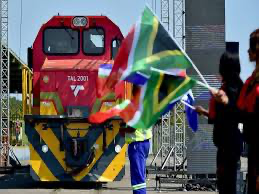
This exemption directly tackles one of the most significant drags on the South African economy, its dysfunctional logistics system. Chronic inefficiencies at Transnet-owned ports and on the freight rail network have cost the economy billions in lost export revenue. This isn’t merely about allowing cooperation, it’s an explicit attempt to use competition law to solve a market failure.

The exemption encourages private terminal operators (such as those in Durban and Ngqura) and private rail operators to collaborate in ways that would normally be considered anti-competitive (such as coordinating schedules, sharing infrastructure planning data, jointly investing in solutions) to optimise the entire supply chain from mine and factory to port.

This means exporters in sectors like mining and agriculture can anticipate reduced delays and owner spoilage rates, enhancing their global competitiveness. For the operators themselves, it allows for unprecedented cooperation with competitors to optimise the entire supply chain, though they must vigilantly avoid any discussion that veer into product pricing or market allocation, which remain strictly illegal.[1]

  • Sugar Industry Exemption (May 2025)

Functioning as a structured rescue plan formalised through the Sugar Master Plan, this exemption is designed to ensure the survival and transformation of a critically important industry. It permits stakeholders across the value chain, from lager growers to millers, to coordinate on production levels, collectively plan for diversification into biofuels, and present a unified front in negotiations.

For sugar businesses, this means a chance to stabilise the industry and protect livelihoods, particularly for small-scale cane farmers. The practical compliance imperative is stringent, participants must meticulously document that all coordinated activities are for industry restructuring and not for illicit profit-maximisation at the expense of consumers.[2]

  • SMME Block Exemption (January 2025)

This block exemption is a powerful tool for levelling the playing field for Small, Micro and Medium Enterprises (“SMMEs”). It recognises that these players often cannot challenge established market structures alone and allows them to band together to achieve scale.

This means SMMEs can legally form buying groups to negotiate bulk purchase discounts, create joint ventures to bid for large tenders, and collaborate on shared logistics and marketing networks to drastically reduce costs. For larger corporations, this necessitates preparedness to engage with more organised and powerful SMME consortiums. The critical compliance rule is that the exemption only protects qualifying SMMEs, larger firms cannot use an SMME partner as a shield for cartel conduct.[3]

  • Energy and Industrial Exemptions

These exemptions represent a critical tool for addressing broad-based economic constraints, with a particular focus on the ongoing energy crisis and its ripple effects. They provide a collaborative framework for firms within key supply chains and strategic industrial sectors to coordinate in ways that would normally be prohibited.

This could mean manufacturers and suppliers in a critical industry such as steel, chemicals, or automative components being permitted to collaborate on optimising energy usage during load-shedding, sharing logistics for essential inputs, or jointly securing raw materials to ensure continued production and prevent factory closures.

For businesses, this exemption is designed to enhance economic stability and prevent a decline in productive capacity by allowing a degree of crisis management and operational coordination that safeguards entire value chains vital to South Africa’s industrial policy and recovery. The essential compliance imperative is that any cooperation must be directly linked to overcoming the identified supply chain or energy constraints and must not be used as a cover for market division, price-fixing, or other blatantly anti-competitive conduct.[4]

  • Banking and Insurance Exemption (July 2025)

This is a forward-looking exemption that aligns competition policy with national climate goals, acknowledging that financing a ‘just transition’ is a collective action problem. It permits banks and insurers to collaborate on developing common standards, definitions, and data-sharing frameworks for sustainable finance.

This means financial institutions can pool data on climate-related risks and develop a common South African taxonomy for ‘green’ assets without fear of prosecution, which should lead to more available and affordable financing for businesses seeking loans for renewable energy or ESG projects. The crucial limitation is that collaboration is restricted to framework development, any coordination on interest rates, premiums, or customer allocation remains absolutely prohibited.

  • Draft Block Exemption for the Promotion of Exports (August 2025)

In August 2025, the Department of Trade, Industry and Competition published a Draft Block Exemption for the Promotion of Exports. This exemption, still under consultation, seeks to facilitate collaboration among exporters and industry players to overcome structural barriers to accessing foreign markets. It is framed under section 10(10) of the Act and recognises that South Africa’s export competitiveness is often constrained by high logistics costs, fragmented industry structures, and limited bargaining power in international markets.

The exemption is intended to permit cooperative initiatives around joint marketing, shared logistics, standard-setting, and market development, provided that such conduct demonstrably enhances South Africa’s export performance without undermining domestic competition. If finalised, this exemption could become a key instrument to support government’s broader trade and industrial policy agenda, including the drive to increase manufactured exports and deepen regional trade integration under the African Continental Free Trade Area (“AfCFTA”).[5]

Understanding Block Exemptions under Section 10(10)

Section 10 of the Act allows firms to apply to the SACC to exempt them from horizontal agreements typically regulated by section 4 of the Act, or vertical agreements regulated by section 5 of the Act where the agreement contributes towards the following objectives:

  1. maintenance or promotion of exports;
  2. promotion of effective entry, participation in or expansion in the market by small and medium enterprises or firms owned by historically disadvantaged persons;
  3. change in productive capacity necessary to stop decline in an industry;
  4. economic development, growth, transformation or stability of any regulated industry; or
  5. competition and efficiency gains that promote employment or industrial expansion.

The recent SMME Block Exemption echoes earlier block exemptions issued during COVID-19 but represents a shift towards more enduring tools that facilitate inclusive growth. Other possible future candidates for block exemptions include sectors under Master Plans, such as poultry, automotive, and steel, where coordinated action may be needed to meet transformation or industrial policy targets.

Evolving Patterns: Then and Now

While COVID-era exemptions demonstrated the SACC’s agility during crisis management, current exemptions highlight a maturing approach. The SACC increasingly uses exemptions to:

  1. Tackle persistent structural inefficiencies;
  2. Strengthen value chains aligned with industrial policy;
  3. Support small and historically disadvantaged firms; and
  4. Balance economic competitiveness with sustainability and localisation goals.

Risks and Compliance Imperatives

Nonetheless, exemptions remain the exception, not the rule. Historic concerns persist that exemptions, if poorly designed or inadequately monitored, may entrench collusive behaviour or dampen competition. The SACC’s use of clear conditions, sunset clauses, and robust reporting obligations is therefore critical.

Looking Ahead

South Africa’s competition law framework continues to evolve in response to new economic realities. For firms seeking exemptions, the message is clear: any coordination must demonstrably advance the public interest and remain tightly circumscribed within the legal safeguards of the Act.

With the recent wave of block exemptions and sector-specific approvals, businesses, advisors, and stakeholders should actively monitor exemption trends, sector-specific conditions, and the SACC’s enforcement approach ensuring that collaboration serves national priorities without eroding competitive markets in the long term.


[1] Government Gazette No. 52624

[2] Government Gazette No. 52625

[3] Government Gazette No. 52000

[4] Government Gazette No. 52111

[5] Government Gazette No. 53147

Off the Rails or on Track? Implications of Transnet’s 15-Year Exemption

By Matthew Freer & Michael Williams

Introduction  

South Africa’s logistics and freight infrastructure stands at a critical crossroads, with persistent inefficiencies in the rail, port, and road sectors posing a significant threat to the country’s economic competitiveness and growth. In response to this crisis, the government has introduced the Block Exemption for Ports, Rail and Key Feeder Road Corridors which came into effect on 8 May 2025, a landmark regulatory intervention under the Competition Act 89 of 1998 (the “Act”), spearheaded by Trade, Industry and Competition Minister Parks Tau (Government Gazette No. 6182, 2025). This block exemption represents one of the most substantial reforms in South Africa’s competition law landscape, specifically designed to enable greater collaboration among firms operating in the logistics value chain, while still safeguarding against anti-competitive conduct.

The exemption, notable for its 15-year duration, signals the Government’s commitment to long-term, structural support for revitalising the country’s logistics backbone. It allows companies in the transport infrastructure and logistics sectors to apply to the Competition Commission for permission to coordinate efforts aimed at addressing operational inefficiencies, infrastructure capacity shortages, and systemic breakdowns in port and rail infrastructure, all while complying with relevant sector laws and policies. This marks a decisive shift from the traditional competition law approach, which generally prohibits coordination among competitors, to recognise that South Africa’s logistics crisis requires extraordinary, collective action.

Minister Parks Tau’s role has been pivotal, as he gazetted the exemption to promote collaboration that can reduce costs, improve service levels, and minimise losses caused by years of underinvestment and mismanagement in the logistics sector. There is a clear and urgent economic basis for the intervention supported by the fact that South Africa is estimated to lose as much as R1 billion per day due to freight system failures, with follow on effects across production, manufacturing, wholesale, retail, and export sectors (“A billion a day – that’s what SA loses through freight failures”, Freight News, 21 May 2024). Congestion at major ports, a deteriorating rail network, and poorly maintained road corridors have not only undermined daily business operations but have also eroded the country’s position in the broader global trade industry.

By enabling coordinated, pro-competitive solutions-subject to strict oversight and clear exclusions for cartel conduct, the block exemption aims to unlock investment, restore critical infrastructure, and lay the foundation for a more resilient, efficient, and globally competitive logistics system.

Background/History 

South Africa’s ports and rail infrastructure have historically suffered from inefficiencies and significant decay, impacting the country’s logistics and economic performance. The rail network, largely completed by 1925, faced underinvestment from the late 20th century onwards, leading to deteriorating rolling stock, signalling, and track conditions. This decline was arguably caused by theft, vandalism, and outdated systems, most notably within Transnet Freight Rail, which has struggled with equipment shortages and infrastructure damage, including cable theft and adverse weather events such as the 2022 KwaZulu-Natal floods (Dr Mitchell, The Rise and Fall of Rail, Chapter 4). Ports like Durban and Cape Town, originally designed for mostly rail cargo, now face congestion and aging infrastructure challenges, with cranes and gantries exceeding their intended lifecycle, further slowing cargo handling and export throughput. These events trigger a bottleneck for resources waiting to be exported.

To address these challenges, privatisation is often proposed as a solution. However, previous reform efforts including partial privatisation and initiatives to involve the private sector in infrastructure management have largely failed. These failures were primarily due to poor project management, cost overruns, and user resistance, as demonstrated by the Gauteng electronic tolling system. Recognising these shortcomings, the Government now seeks to mobilise private sector financing and expertise through public-private partnerships and concessions, with the goal of enhancing infrastructure delivery and operational efficiency (P Bond and G Ruiters, South Africa’s Failed Infrastructure Privatisation and Deregulation).

Previous key policy milestones that are aimed at addressing these problems include the Transnet Network Statement, which promotes open access reforms to rail infrastructure, the transport ministry’s Request for Information (“RFI”) to explore private sector involvement and innovative solutions, and now the Government Notice issued by Trade, industry & competition minister Parks Tau.

Legal Framework: The Competition Act

The Act ordinarily prohibits agreements between competitors that substantially prevent or lessen competition, with Section 4(1)(b) specifically prohibiting price-fixing, market division, and collusive tendering (Competition Act 89 of 1998, s 4(1)(b)). However, under Section 10(10) of the Act, the Minister of Trade, Industry and Competition may issue exemptions in the public interest Competition Act 89 of 1998, s 10(10). The newly gazetted 15-year Block Exemption for Ports, Rail and Key Feeder Road Corridors, is one such intervention. It permits limited coordination among firms in the logistics value chain to address critical inefficiencies, while maintaining prohibitions on core cartel conduct such as fixing selling prices or excluding small and historically disadvantaged market participants.

The exemption allows for collaboration on operational matters such as joint use of transport infrastructure, coordinated scheduling, and shared logistics data, activities that would typically contravene the Act’s per se prohibitions under Sections 4(1)(b)(i) and (ii). Importantly, each form of collaboration must be reviewed and approved by the Competition Commission, which retains oversight to ensure that such cooperation is pro-competitive, time-bound, and aligned with Competition Commission’s broader transformation and public-interest objectives. The exemption explicitly requires that such collaboration does not exclude new entrants or small, medium, and micro enterprises (“SMMEs”) and instead encourages inclusive participation.

However, the regulations expressly exclude cartel conduct. Section 4(1)(b)(i) and (ii) of the Act prohibits price-fixing, tender collusion, and market division, and these sections remain intact. Any coordination must be submitted for review to the Competition Commission, which will assess whether the collaboration is genuinely pro-competitive and in line with sector-specific goals and transformation mandates.

Rationale: Tackling a Logistics Crisis

The rationale behind the 15-year block exemption lies in its capacity to enable coordinated responses to mounting inefficiencies across the country’s rail, port, and road freight infrastructure, systems upon which the economy’s competitiveness rests.

A recent report by the Council for Scientific and Industrial Research (CSIR) estimates that freight logistics failures cost the economy up to R1 billion per day, affecting production schedules, increasing costs, and undermining export reliability (“A billion a day – that’s what SA loses through freight failures”, Freight News, 21 May 2024). These issues are particularly acute in port terminals such as Durban and Cape Town, where backlogs have resulted in vessel queuing, delayed shipments, and significant demurrage charges.

The rail network, operated largely by Transnet Freight Rail, continues to degrade due to rolling stock shortages, cable theft, signalling issues, and adverse weather events (Transnet Integrated Report 2023). Following the 2022 KwaZulu-Natal floods, major lines experienced months-long disruptions, highlighting the vulnerability of logistics infrastructure (Presidential Climate Commission Brief on the 2022 KZN Floods, 2022). Moreover, a 2024 National Treasury report identified inadequate investment, operational inefficiency, and governance issues as long-standing contributors to the sector’s decline (National Treasury Annual Report 2023/24 (2024). In light of these challenges, the block exemption provides a legal framework through which firms can engage in limited coordination on logistics operations, such as the sharing of transport assets or the synchronisation of delivery schedules, without breaching competition laws. 

The decision to set the exemption for 15 years rather than the more typical short-term period reflects a deliberate strategy to create regulatory certainty. Such long-term clarity is essential to attract private sector investment into joint ventures, infrastructure upgrades, and concessioning models. By providing a legally protected framework for collaboration, the exemption seeks to catalyse systemic reform and reduce South Africa’s long-standing overreliance on inefficient, state-controlled freight logistics.

Competition Analysis: Risk vs Reward

The exemption, while pragmatic, raises legitimate questions from a competition law perspective. One of the key risks is that, under the guise of coordination, dominant firms could entrench their market position and SMMEs and historically disadvantaged persons (“HDPs”). This concern is echoed by academic literature, which warns that crisis-driven exemptions, if not tightly monitored, can facilitate collusion and market foreclosure.

The block exemption also contains an explicit requirement that the collaborative measures must not undermine the participation of new entrants or black-owned logistics firms. In fact, they are encouraged to be integrated into these collective solutions, thereby aligning with the broader objectives of the Act, which focuses on inclusive growth and reducing economic concentration.

Internationally, temporary exemptions have been deployed during times of sectoral distress. During the COVID-19 pandemic, the European Commission issued Temporary Frameworks allowing certain forms of cooperation in sectors such as pharmaceuticals, food distribution, and energy, provided they were transparent, necessary, and time-limited (European Commission, Temporary Framework for State Aid Measures, 2020: 1–9). Similarly, the United Kingdom’s Competition and Markets Authority (CMA) granted exemptions in retail supply chains during 2020, illustrating how temporary coordination can maintain essential operations under stress (UK Competition and Markets Authority, Approach to Business Cooperation in Response to COVID-19, 2020).

Therefore, while there are inherent risks, the reward, a more functional, cost-effective, and inclusive logistics sector which outweighs the downsides if strict oversight is maintained. The exemption represents a calculated, legally bounded exception to orthodox competition principles, in the service of restoring one of the country’s most vital economic sectors.

Conclusion 

The 15-year Block Exemption for Ports, Rail and Key Feeder Road Corridors represents a pivotal recalibration of South Africa’s competition law in response to an unprecedented logistics crisis. By permitting targeted, supervised coordination among industry participants, the exemption offers a legal mechanism to address inefficiencies without compromising core competition rules. It reflects a pragmatic shift in recognising that structural reform and economic recovery in the logistics sector require more than individual market forces can deliver.

While the exemption creates opportunities for collaboration and investment, its success will hinge on rigorous oversight by the Competition Commission to prevent anti-competitive abuse and to ensure inclusive participation by SMMEs and historically disadvantaged groups. Ultimately, if implemented with discipline and accountability, the exemption has the potential to catalyse a more efficient, resilient, and equitable logistics ecosystem, one that supports South Africa’s broader goals of economic transformation and global competitiveness.

Competition Authority of Kenya exempts MSMEs from merger control provisions to stimulate economy

Competition Authority adds exemptions to boost economic activity

By Joshua Eveleigh and Katia Lopes

In a recent speech by Kenya’s Minister of Finance, Professor Njuguna Ndung’u, it is clear that the Competition Authority of Kenya (“CAK”) will take active steps in promoting micro, small and medium-sized enterprises (“MSMEs”) in the local economy.

Firstly, to facilitate their growth and contribution, Professor Ndung’u, noted that government plans to ease the cost of doing business and to minimize compliance costs for MSMEs.  Specifically, the CAK will exempt MSMEs from having to notify otherwise mandatorily notifiable mergers to the CAK. By removing the significant regulatory hurdle of obtaining prior merger approval, and its associated costs, it is hoped that Kenya will see a promotion of start-up and digital businesses. This development is particularly important considering that Kenyan startups ranked second, in Africa, in terms of funding raised but fell behind other African jurisdictions when it came to acquisitions of MSMEs.  Fidel Mwaki, legal practitioner based in Nairobi, observes that “this is a positive move from the CAK that should hopefully bode well for MSME’s, many of whom are battling under the strain of increased taxation, inflation, and licensing requirements and will certainly benefit from the proposed waiver on merger notification fees.”  His Primerio colleague, attorney Diana Wariara, adds that “regulating buyer power remains a challenge for the agency.  A greater emphasis on audits and investigations may help strengthen the CAK’s enforcement mandate and ensure a level playing field and fair competitive practices within these sectors.”

In addition to merger exemptions and emphasising the CAK’s position as Eastern Africa’s lodestar in the enforcement of abuses of buyer power, the CAK will monitor and conduct surveillance audits, specifically in the manufacturing and agro-processing sectors, to further protect MSMEs from incidences of abuses of buyer power. Professor Ndung’u also noted that the CAK will implement codes of practice to ensure MSMEs in the retail and insurance sectors are protected from powerful buyers.

Lastly, Professor Ndung’u highlighted that the CAK will take measures to address the issues of price fixing by professional services, ensuring that fees and the quality of professional services remain competitive.

Given the pivotal role that MSMEs play in the Kenyan economy, comprising 98% of all local business entities and contributing approximately 24% of Kenya’s GDP, their promotion will be a welcome development among the local business community. In this respect, Professor Ndung’u’s speech demonstrates the CAK’s commitment towards ensuring a competitive marketplace that is free from abuses of dominance.

Antitrust enforcer to allow self-assessment of competitor collaborations amidst pandemic

Following the (thus far rarely used) “Block Exemption” procedure under Section 30 (2) of the Kenyan Competition Act, the Competition Authority of Kenya (“CAK”) has proposed a new set of draft Guidelines as to competitor collaborations during the COVID-19 pandemic, so as to assist with the country’s economic recovery efforts. It specifies five (5) focus sectors, namely Manufacturing, Private Healthcare, Aviation, Travel & Hospitality, and Health Research. The Guidelines are ostensibly inapplicable to firms that engage in economic activity outside these five sectors.

In issuing its soon-to-be finalized guidance, the CAK wishes to provide “direction to undertakings in making a self-assessment as to whether the agreements, decisions or practices which they intend entering into will qualify for block exemption within the Covid-19 Economic Recovery Context without the need to seek the Authority’s intervention.” (A.(4))

A key aspect, in the view of antitrust litigator Andreas Stargard, is the renewed attention given to “public-interest factors” in competition law.

He believes that this concession to non-traditional competition-law theory is “necessitated by the broad economic havoc COVID-19 has wrought, including on historically peripheral-to-antitrust aspects such as overall employment, public health, en masse business closures, and the like, which would normally not be highly relevant factors in the strict sense of conducting a rigorous competition-law analysis.”

Stargard continues that “Condition III of the CAK’s so-called ‘Self-Assessment Principles‘ expressly highlights this element, namely forcing firms to evaluate whether their proposed collaboration with competitive entities is ‘in the public interest, such as creation of employment’,” citing para. 11(vii) of the draft Block Exemption Guidelines on Certain Covid-19 Economic Recovery Priority Sectors.

The CAK’s proposal thus strongly echoes what its regional sister authority, the COMESA Competition Commission (“CCC”) openly discussed as early as July of last year. As we wrote in our assessment of the official CCC staff’s thoughts on competition enforcement amidst the pandemic in 2020:

The concept of non-competition factors (i.e., the public-interest element) was also raised, as there is a “growing debate on whether the pandemic may necessitate changes in [the] substantive assessment of mergers, e.g., towards more lenient consideration of failing firms.”

As Andreas Stargard observes, “just as COVID-19 is truly global, Kenya and COMESA are likewise not alone in their quest to master the difficult balancing act between sufficiently enforcing their domestic or regional antitrust laws versus allowing reasonable accommodations to be made for necessary competitor collaborations in light of the pandemic’s impact. Indeed, other enforcers have also made accommodations for such unusual collaborative efforts, given the emergency nature of the pandemic.”

In the U.S., the federal antitrust agencies have issued analogous guidance for competitors, issuing a joint guidance document specifically on health-care providers collaborating on necessary public-health initiatives. What stands out is the agencies’ express invitation for health-care players to take advantage of the (now-expedited to 7 days’ turnaround time) business-review/opinion-letter procedures.   Mr. Stargard notes however that, unlike the Kenyan proposal of “self-assessment by the affected entities, the American approach still necessitates an affirmative approach of the enforcers by the parties, seeking official sanctioning of their proposed cooperation by submitting a detailed explanation of the planned conduct, together with its rationale and expected likely effects.

By way of further example, in Canada, as the OECD notes, the government “has developed a ‘whole-of-government action’ based on seven guiding principles including collaboration. This principle calls on all levels of government and stakeholders to work in partnership to generate an effective and coherent response. These principles build on lessons learned from past events, particularly the 2003 SARS outbreak, which led to dedicated legislation, plans, infrastructure, and resources to help ensure that the country would be well prepared to detect and respond to a future pandemic outbreak.”

Pandemic Antitrust Exemptions, or: “The Virus Let Me Do It!”

In antitrust circles, the term “Competitor Collaboration” may refer to quite an innocent practice, but is perhaps more often used as a euphemistic reference for good old-fashioned collusion: namely, a cartel by any other name.  Antitrust enforcers around the globe attempt to harness its “good side” during the viral pandemic…

In the COVID-19 world, several competition-law enforcers, including those in the United States and in South Africa, have tried to act swiftly to create express “safe harbours” for certain types of permissible conduct between (otherwise horizontal and direct) competitors.  The goal of these (usually temporary) exemptions from the strictures of antitrust prohibitions against collaboration, information exchanges, and the like, is to enable medical-supply providers to ensure that urgently-needed products and services can be delivered most expediently to the affected areas, patients, and hospitals.

Andreas Stargard
Andreas Stargard

In the United States, notes Andreas Stargard, an antitrust attorney, the COVID-19 pandemic has shown that the federal antitrust agencies are capable of proceeding with speed when it comes to signing off on such allowable “competitor collaborations”, which are in the best interest of facilitating an efficient health-care industry response to the crisis.  The FTC and DOJ are now swiftly, within one week of the submission of a detailed request for review, sanctioning proposed cooperation agreements by firms that would otherwise compete to supply medicines or equipment.  Applicants for a business-review letter (“BRL”) must provide a detailed explanation of the planned conduct, together with its rationale and expected likely effects, to the agencies.

The first of these opinion letters was issued on April 4th, 2020, under the expedited procedure to McKesson, Cardinal Health and others.  It allows them to collaborate on PPE production, following the call for such action by FEMA and other federal agencies, and pursuing the coordinated response under their supervision for a limited time period (namely the duration of the crisis).  What could be deemed anti-competitive effects, such as an undue price increase, output reduction or the like, is expressly excluded from the permissible conduct.

Applying the “same analytical framework” as the DOJ’s approval of the PPE-related collaboration between McKesson, Cardinal Health, Owens & Minor, Medline Industries and Henry Schein Inc., the Department’s Antitrust Division has now issued a second BRL, dated April 20th, to AmeriSource Bergen and others, approving their similarly designed scheme to distribute medicinal products jointly across the country.  AmerisourceBergen sought the agency’s blessing of the proposal pursuant to the expedited review procedure outlined in the March 24th joint FTC and DOJ guidance on health-care providers collaborating on necessary public-health initiatives, in which the dual antitrust enforcers announced their goal to answer COVID-19-related BRL requests within one week of receiving the BRL applicants’ detailed description of the proposed collaborative conduct.

Mr. Stargard counsels that those firms seeking a BRL exemption should consult with a competent antitrust specialist lawyer.  He notes that the federal agencies have expressly invited providers to take advantage of the expedited BRL procedure, which is temporary in nature and only available during the time of the declared COVID-19 pandemic.

In South Africa, the South African Minster of Trade and Industry and Competition (“Minister”) has taken a similar tack, having published Regulations under Section 78 of the South African Competition Act 89 of 1998 (“Competition Act”).  Unlike the U.S., however, these Regulations go well beyond the medical industry.  John Oxenham, a Johannesburg-based competition lawyer, observes that “these Regulations exempt industry players in certain sectors from prosecution for conduct in contravention of Sections 4 and 5, also known as Block Exemptions.”  They also apply to the prohibition of excessive pricing (and ensuring sufficient supply) by firms selling key supplies.  Related to the exemption process in terms of the Competition Act are the powers of the Minister to publish directions under the recent Regulations issued under section 27 (2) of the Disaster Management Act (GN 318 of 18 March 2020). In this regard, Regulation 10(6) provides that the Minister may issue directions to “protect consumers from excessive, unfair, unreasonable or unjust pricing of goods and services during the national state of disaster; and maintain security and availability of the supply of goods and services during the national state of disaster.”

Block Exemptions

John Oxenham
John Oxenham

Block Exemptions have been published by the Minster in terms of section 10(10) of the Competition Act which provides that the Minister may, after consultation with the Competition Commission (SACC), issue regulations in terms of section 78, exempting a category of agreements or practices from the application of sections 4 and 5 of the Competition Act. As at the date of writing, Block Exemptions have been granted to the Healthcare Sector, the Banking Sector and Retail Property Sector.

Health Care Sector

The exemption include a range of industry players, including healthcare facilities, pharmacies, medical suppliers, medical specialist, pathologists and laboratories, and healthcare funders.  The Block Exemption will similarly allow industry players to coordinate on procurement of supplies, transferring equipment and coordinating the use of staff. In effect, the Block Exemption extends and broadens the scope of the exemption enjoyed by the NHN to include state and private healthcare. While this move is certainly a welcome one to ensure that South Africa is able to effectively deal with the spread of COVID-19, its effect on competition in this market will be most interesting. The health care sector, and particularly large private sector players (Private Health Care), has long been in the cross-hairs of the SACC, with many enforcement actions, heavily contested merger control proceedings and most recently, the market inquiry into the private healthcare sector conducted and concluded by the SACC. Concentration and Coordination has been key to the debate. While the Exemptions will apply only for so long as the state of disaster remains in effect, the effects of these measures on the industry is likely to endure for some time and will reform the debate around the future of health care in South Africa.  On the 8th of April the Block Exemption was amended to additionally cater for the following:

(i)         Those agreements which are exempt can only be undertaken at the request of the Department of Trade, Industry and Competition or the Department of Health. Furthermore, either of these departments may impose further conditions on the agreements or practices; and

(ii)        The Exemption now caters for agreements or practices between manufacturers and suppliers of medical and hygiene supplies.

Banking Sector

The Block Exemption published in favour of the Banking Sector is aimed at exempting a category of agreements or practices between Banks, the members of the Banking Association of South Africa and/or Payments Association of South Africa from application of sections 4 and 5 of the Act and promoting cooperation between these industry participants to mitigate damages and to ensure the effective continuance of banking infrastructure. In this regard, industry participants are to coordinate and agree on, inter alia:

operation of payment systems and the continued availability of notes at ATMs, branches and businesses; debtor and credit management to cater for payment holidays and debt relief (including limitations on asset recovery and the extension of further credit terms).

Retail Property Sector

The Block Exemption in respect of the Retail Property Sector applies only to retail landlords and designated retail tenants (required to shut down in terms of the national shut down currently in place) and aims to provide a framework for cooperation between industry participants in respect of payment holidays and rental discounts and limitations on the eviction of tenants. The Block Exemptions also seek to cater for cooperation on limitations to the restrictions placed on tenants to protect their viability during the nation disaster, likely to allow tenants to alter of expand their product or service offerings to fall within the category of businesses or services exempt from the restrictions currently enforced by Government, thereby ensuring alternative income and increased capacity on key products and services.

Hotel Sector

The Exemption granted to hotel industry operators seeks to enable the hotel industry to collectively engage with various Government departments with respect to identifying and providing appropriate quarantine facilities. The Exemption applies to agreements or practices pertaining to the identification and provision of quarantine facilities, and cost reduction measures in providing accommodation for persons in quarantine.

Block Exemptions have not been widely utilised in South Africa. To the extent that the measures introduced by the Block Exemptions are effectively implemented, however, the use and application of the process of exemptions under the Competition Act may become a more prominent feature of the South African competition law process. The nature of emergencies are such that they expedite the implementation of historical process which were otherwise untouched or contested as the counterfactual has changed.

It is already evident that more and more industries affected by the COVID-19 will apply for or be granted block exemptions to ensure that they are able to effectively avert the negative effects associated with disruptions caused to the business and economy. Examples of these include the Grocery Retail and/or Fast Moving Consumable Goods Sectors, Security Sector and more.

Price Regulation

The Pricing Regulations, are published in terms of a combination of the Competition Act, the Consumer Protection Act 61 of 2008 (2008) and the Disaster Management Act (2002) and apply only to the ‘key supplies identified in the Pricing Regulations and will remain in effect only for so long as COVID-19 remains a ‘national disaster’.  Section 8(3)(f) of the Competition Act provides that in determining whether a price is an excessive price (for purposes of section 8(1)),  it must be determined whether that price is higher than a competitive price and whether such difference is unreasonable, determined by taking into account any regulation published by the Minister in terms of Section 78.  In terms of the Pricing Regulations a price will be considered an excessive price for purposes of Section 8(1) of the Competition Act where, during this period of national disaster, a price increase: does not correspond to or is not equivalent to the increase in the costs of providing that goods or service; or increases the net margin or mark-up on that good or service above the average margin or mark-up for that good or service in the three month period prior to 1 March 2020.

Notably, Section 8 applies only to dominant firms.

In addition to the above, the Pricing Regulations contain a similar assessment for the consideration of what is termed unconscionable, unfair, unreasonable and unjust price increases in the Consumer Protection Act. While it is likely that what constitutes an excessive price under the Competition Act will also constitute an unreasonable price increase for purposes of the Consumer Protection Act, the opposite may not be true. The Consumer Protection Act is enforced by a different authority in South Africa and case precedent has been quite limited, compared to the competition authorities.

The Pricing Regulations also cover quantities and the restrictions on sale to maintain equitable distribution and curb stockpiling. No mention is made of the Competition Act or Consumer Protection Act in these paragraphs, although they should also be considered in the broader context of competition policy and what the Pricing Regulations seek to achieve. Although South African competition policy is not ordinarily concerned with discrimination at the final consumer level, in terms of the Pricing Regulations, retailers are effectively required to ration the quantity sold, as the normal economic mechanism, whereby suppliers sell to those parts of the demand curve with a sufficient willingness to pay, is suspended.

The penalty provisions of the Pricing Regulations require prosecution in terms of the underling legislation, being the Competition Act and Consumer Protection Act respectively as these sanctions exceed the powers given to the Minister in the Disaster Management Act. The Pricing Regulations state that subject to the further specific provisions of the respective pieces of legislation, a failure to comply with the Pricing Regulations may attract a fine of up to R1 000 000 and/or a 10% of a firms turnover and imprisonment for a period not exceeding 12 months (depending on the applicable legislation). In terms of the Competition Act, only cartel conduct under section 4(1)(b) attracts criminal liability.

The Minister has recently announced that a number of firms are under investigation for allegedly contravening the provisions of the Competition Act and/or Consumer Protection Act in a manner prohibited by the Pricing Regulations.

The Disaster Management Act provides that the declaration of a national state of disaster can terminate after the expiry of 3 months or upon notice in the Government Gazette by the Minister before the expiry of 3 months. The Minister can nonetheless extend such a period for one month at a time.

Accordingly, the Disaster Management Act offers little certainty on how and when the measures implemented will come to an end.

Enforcement Alert: SACC ordered to remedy its complaint referral in 2nd CompuTicket abuse-of-dominance case

By Charl van der Merwe, assisted by Christine Turkington & Gina Lodolo

The South African competition Commission (SACC) has suffered yet another procedural setback- related to the facts pleaded in its referral affidavit – this time, in its ongoing saga with Computicket and Shoprite Checkers, apropos Computicket’s alleged abuse of dominance.

In its initial case against Computicket, which ultimately went to the Competition Appeal Court, SACC succeeded in holding Computicket to account for abuse of dominance in contravention of section 8(d)(i) of the Competition Act (Computicket One). Computicket One was based on the fact that Computicket had entered into exclusive agreements with customers which had the effect of excluding competitors from the market. See exclusive AAT article on Computicket One case here.

The SACC was critical of the conduct of Shoprite Checkers as, in Computicket One, the SACC alleged that the exclusive agreements were entered into between Computicket and Shoprite Checkers shortly after the Computicket was acquired by Shoprite Checkers. Computicket One was based on the agreement entered into for the period 2005 to 2010.

Accordingly and shortly after the conclusion of Computicket One, the SACC referred a second complaint against Computicket for abuse of dominance. The cause of action is substantively similar as that which had been found to be a contravention in Computicket One, however, this time based on the agreements entered into from January 2013 and which are alleged to be ongoing (Computicket Two). In Computicket Two, however, the SACC now seeks to hold Shoprite Checkers jointly and severally liable with Computicket in its capacity as the ultimate parent company of Computicket. Moreover, the SACC appears to seek the imposition of a penalty based on the higher turnover of Shoprite Checkers.

Note that Computicket Two was referred to the Tribunal prior to the enactment of the Competition Amendment Act, which provides for parent companies to be held jointly and severally liable for the conduct of subsidiaries and/or allows for the calculation of an administrative penalty, based on the turnover of the parent company where the parent was aware or ought to have been aware of the conduct of the subsidiary.

The Tribunal, therefore, found the SACC’s referral affidavit to be flawed and lacking of the facts (and points of law) necessary to sustain a cause of action, particularly in so far as it seeks to hold Shoprite Checkers liable. In this regard, the Tribunal expressly held that they view Computicket and Shoprite Checkers as separate economic entities and should thus be treated separately with respect to the allegations made in the Commission’s complaint referral.

The Tribunal went on the emphasize that on the consideration of dominance (which is the statutory first step to an assessment under section 8), “… the Commission conceded that Shoprite Checkers is not active in the market for outsourced ticketing services to inventory providers in which Computicket is active. Unsurprisingly, no market shares attributable to Shoprite Checkers are reflected anywhere in the Commission’s referral. It is simply unclear of what we are to make of the allegations against Shoprite Checkers.”

In order to correct these defects and instead of dismissing SACC’s case, the Tribunal ordered the SACC to file a supplementary affidavit. The Tribunal held that “[g]iven that the Commission’s reliance on the single economic entity doctrine fails and the question of dominance is abundantly opaque, the Commission must rectify its referral to properly reflect and clarify the case against Shoprite Checkers in order for it to meet the case put against it.”

Should the SACC fail to file its supplementary affidavit, within the 30 business days, as order by the Tribunal, Shoprite Checkers and Computicket may approach the Tribunal for an order that the case be dismissed.

John Oxenham, director of Primerio, notes that the Tribunal’s order in allowing the SACC an opportunity to first supplement or amend its referral affidavit is in line with the recent orders of both the Tribunal and Competition Appeal Court to first allow such opportunity for the SACC to remedy its case, instead of ordering an outright dismissal of the case on an interlocutory basis. This is likely to form the precedent for interlocutory applications, even where the facts suggest that the SACC’s case is opportunistic and incapable of being remedied.

According to competition lawyer, Michael-James Currie, the recent orders which have come out of the Tribunal and Competition Appeal Court in interlocutory applications will hopefully have a positive effect on the manner in which cases are referred and prosecuted in South Africa.

The SACC has at times demonstrated a tendency to be overly broad in its complaint referrals, causing respondent firms to engage in costly and time consuming internal investigations to assess the merits of such cases. With the development of the previously underutilized interlocutory processes, respondent firms are now able to, at an early stage of the litigation process, ensure that the SACC sets out its case in a concise manner, substantiated with the requisite factual allegations required to sustain its case, thereby avoiding the unnecessary cost of expansive internal investigations and protracted litigation.


COMESA Competition Commission: 2019 Regional Sensitization Workshop

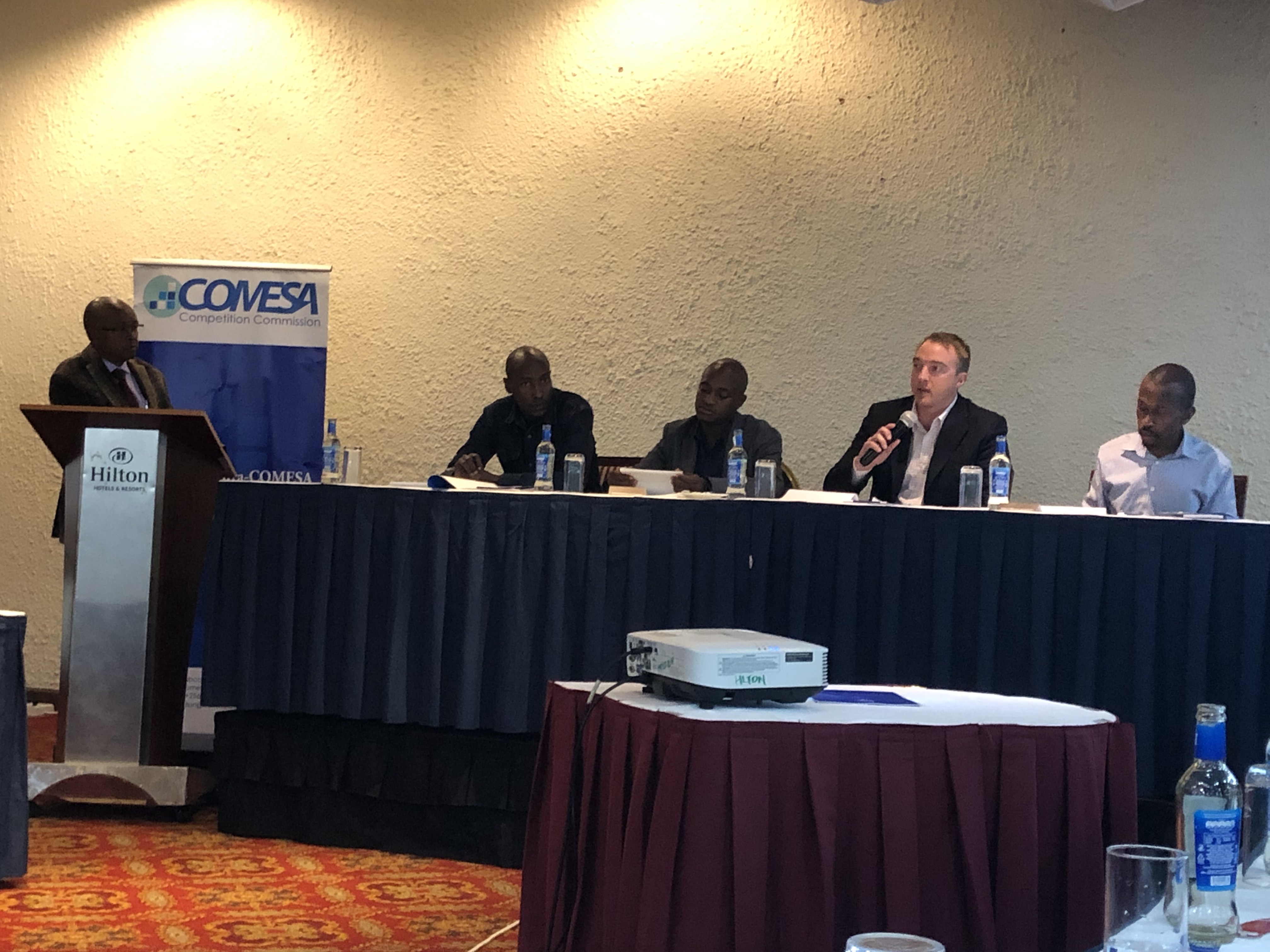
On 9-10 September 2019, the Comesa Competition Commission (CCC) hosted its 6th  “Regional Sensitization Workshop for Business Reporters on Competition Law and Trade Developments within the Common Market” workshop in Nairobi, Kenya as part of its advocacy initiative to promote competition law and enforcement activities across the COMESA region.

AfricanAntitrust, having attended last year’s event, was again invited to attend the event and senior contributor and competition lawyer, Michael-James Currie, attended the event on behalf of AAT and participated in a serious of panel discussions and informal interactive sessions with members of the CCC and Competition Authority of Kenya.

Attendees

The workshop was well attended with a year on year increase in attendees reflecting the importance and popularity of this initiative. The CCC should be congratulated on a well organized and structured workshop.

Patrick Okilangole, Board Chairperson of the CCC, opened the event by highlighting the importance of competitive domestic markets to  “realize the benefits of trade; multilateral and bilateral trade agreements recognize the need to guarantee that restrictive business practices do not hinder the positive effects of free trade”.

Protectionist policies was identified by Okilangole as one of the key impediments to effective regional growth and trade. More specifically, Okilangole highlighted the following consequences of protectionist policies:

“(i)     Ineffective competition policy frameworks. Over the past few years, competition law has been enacted in several Member States of the Common Market. However, in some countries, competition frameworks have included:

(ii)      unjustified and discretionary exemptions, for example, utilities managed by the state in key economic sectors,

(iii)     lack of sufficient investigative powers and tools in the current national and regional legislation to deter anticompetitive behaviour,

(iv)    lack of independency in decision making since competition agencies report to and their decisions may be vetoed by a ministry, and

(v)     significant government intervention in markets such as price controls in potentially competitive markets, controlling essential products, margins, and geographic areas.”

Okilangole reaffirmed the true hallmark of an effective competition law regime, namely that competition law should be focused on protecting the competitive process and not a particular competitor. “The rules are not meant to punish large companies on account of their size or commercial success. The key feature of the competition rules is to create a level playing field for all business players in the market.”

Okilangole’s remarks were echoed by the Chief Executive Officer of the CCC, George Lipimile who emphasised the need to move away from protectionist policies in order to realise the benefits that flow from increased regional trade.

Restrictive business practices, particularly abuse of dominance practices and collusion were identified by Lipimile as being particularly prevalent within COMESA and that increased enforcement activities are required, both by the CCC and regional agencies, to detect and prosecute anti-competitive behaviour.

The workshop was also used as an opportunity to present and engage on the CCC’s Guidelines on Restrictive Business Practices (which were approved in April 2019). The objective of the Guidelines is to provide greater clarity, predictability and transparency in relation to the analytical framework which will be used to evaluate alleged anti-competitive conduct. The Guidelines also provide greater guidance on the process and circumstances in which the CCC may grant exemptions.

The CCC was well represented (so to was the CAK) and senior investigators, analysts and members from the executive team provided useful insights into the enforcement activities of the CCC as well as what lay ahead in the pipeline. Attendees were invited to engage, debate and where appropriate raise concerns regarding the efficacy of competition law enforcement in COMESA. It is this willingness to be open and engage proactively with constructive criticism which is perhaps the hallmark of this CCC initiative and certainly welcomed by the attendees.

As to enforcement updates, the CCC put together comprehensive presentations both in relation to merger control and restrictive business practices more generally. We highlight some of the more noteworthy developments below.

Merger Control

Willard Mwemba, manager of mergers and acquisitions at the CCC, confirmed that over 230 transactions have been notified to the CCC between 2013 and July 2019. Of these, 17 were approved subject to conditions.

From a merger trend perspective, the CCC witnessed an increased shift in merger notifications in traditional sectors, such as agriculture and construction, to emerging sectors such as energy, banking and financial services with the most active member states including Kenya, Zambia, Mauritius, Zimbabwe and Uganda.

As to merger activity in COMESA, Mwemba confirmed that there has been a decrease in merger activity in the first half of 2019, largely as a result of a decrease in global activity and that the value of transactions that occurred within the first half of 2019 dropped from USD 527 billion to USD 319 billion for the same period in 2018. This is also consistent with the 19% decrease in the number of notifiable transactions globally.

The combined total turnover value of all mergers assessed by the CCC to date amounts to over USD 110 billion. Although 2019 figures were not presented, the CCC highlighted that total Foreign Direct Investment in COMESA grew in 2016 from USD 18.6 billion to USD 19.3 billion in 2017 representing nearly half of Africa’s total FDI inflows. Again, highlighting the significance of the COMESA market in the global space.

Enforcement Activities

Although the CCC has had an active merger control regime in place for many years, a number of commentators have raised the lack of robustly investigated and prosecuted abuse of dominance or cartel cases as a key hindrance to effective competition law enforcement in COMESA. While the CCC acknowledges that more should be done in this regard, below is a list of non-merger matters which the CCC has concluded in past three years:

Exemptions

Matter Sector Affected Member States
Assessment of the supply agreement between Eveready East Africa Limited and Supreme Imports Limited Lighting bulbs Burundi, DRC, Ethiopia, Kenya, Malawi, Rwanda, Sudan, Uganda, Zambia
Assessment of the supply agreement between Eveready East Africa Limited and Sayyed Engineers Limited Writing implements East Africa
Assessment of the supply agreement between Eveready East Africa Limited and Chloride Egypt SAE Automotive Batteries Burundi, DRC, Ethiopia, Kenya, Rwanda, Uganda
Assessment of the Distribution Agreement between John Deere (Proprietary) Limited and AFGRI Zimbabwe Private Limited Agriculture Equipment Zimbabwe
Assessment of the Distribution Agreement between the Wirtgen Group and the Motor Engineering Company of Ethiopia Agriculture and Construction Equipment Ethiopia
Assessment of the Distribution Agreement between the Wirtgen Group and UMCL Limited Agriculture and Construction Equipment Comoros, Mauritius, Seychelles
Assessment of the Distribution Agreement between the Wirtgen Group and Sodirex SA, Madagascar Road Construction Machinery Madagascar
Application for the Joint Venture Agreement between Kenya Airways PLC, Koninklijke Luchvaart Maatscahppij NV (KLM) and Societe Air France SA Aviation Kenya
Assessment of the distribution agreements between Unilever Market Development (Pty) Limited and Distributors in the Common Market  FMCGs DRC, Madagascar, Mauritius,

Determination of Anti-Competitive Conduct: Procedure of Commission on its own volition

Matter Sector Affected Member States
Investigation into the Distribution Agreements entered into between Eveready East Africa Limited and Clorox Sub Saharan Africa Bleaching agents East Africa
Investigation into the Distribution Agreements entered into between Parmalat SA (Pty) Limited and its Distributors Milk and dairy products Eswatini, Malawi, Zambia and Zimbabwe
Investigation into the Distribution Agreements between Coca-Cola Beverages Africa and Distributors in the Common Market Non-alcoholic beverages Comoros, Ethiopia, Uganda

False or Misleading Representation 

Matter Sector Affected Member States
Misleading Advertising by Fastjet Airlines Limited Aviation Kenya, Uganda, Zambia, Zimbabwe

The CCC also confirmed that they are currently conducting a number of market screening initiatives across priority sectors. Following the conclusion of these screening exercises, the CCC will decide whether to prosecute any firms engaged in restrictive business practices.

As part of the CCC’s efforts in detecting and investigating anti-competitive behavior, the CCC has increased its collaborative efforts with domestic member agencies and has established the “Restrictive Business Practices Network” to increase the efficacy of cross-border cases.

Currie Panel Discussion

[Michael-James Currie speaking on a panel discussion on “How to improve the quality of reporting on regional integration and competition law related matters” facilitated by Mr Mwangi Gakunga from the Competition Authority of Kenya]

Conclusion

In light of the tripartite negotiations between SADC-EAC-COMESA as well as the negotiation of competition policy in terms of the African Continental Free Trade Agreement, it is imperative that the CCC develops an effective competition enforcement regime which assists and incentivizes free trade across the relevant markets. To do so, the CCC must be equipped with the necessary resources to ensure that it has the capacity to effectively execute its policies.

Despite the significant challenges faced by the CCC, it is encouraging to note that the CCC is taking a more robust approach to detecting and prosecuting anti-competitive practices in the COMESA market and are endeavoring to do so in accordance with international best practices.

If the CCC is able to deliver on the objectives and action items which were discussed in detail at the workshop, then there is every reasons to look forward to a more active CCC in the months to come with interesting cases likely to be brought to the fore.


Botswana Competition Authority: Exception Application Backfires for Choppies-Payless Buying Group

The Competition Authority of Botswana (CA) rejected an exemption application brought by two FMCG players. The applicants, Choppies Distribution Centre and Payless Supermarkets, sought to justify their application by demonstrating that by increasing their buyer power the applicants would be able to ensure lower prices and better quality products for consumers and that these pro-competitive outcomes outweigh any anti-competitive effects.

After evaluating the exemption application, the CA found that the agreement between Choppies and Payless would result in a substantial lessening of competition. In particular, the CA held that:

  • There is no competition between Choppies and Payless, the duo had monthly promotions wherein they had the same goods on promotion at identical or similar prices and the pamphlets were an exact replica of each other.  
  • The two stores had alleged that Choppies would not benefit from the arrangement. It however emerged that Choppies was benefiting, particularly given, the quantity of Choppies in house brands found in Payless stores. Payless did not have any in house brands, but instead sold a variety of Choppies goods in large volumes.
  • Further, the Authority finds that the granting of an exemption to the applicants would be in effect granting the Choppies and Payless the leeway to continue with their price fixing and distortion of competition.

The CA was also not convinced that there were any other public interest benefits which would outweigh the anti-competitive effects referred to above.

This exemption application followed a similar application in 2014 which was also rejected.

Primerio Director, John Oxenham, says that this application demonstrates the importance of ensuring that objective and credible economic evidence accompanies an exemption application in order to prove the likely economic benefits to the public.

When asked to comment, Michael-James Currie, a competition lawyer practising across sub-Saharan Africa, says that buyer power in the context of FMCG retailers is a particularly topical issue not only in Botswana but also in South Africa where buyer power has specifically been included in the Competition Amendment Bill (which is soon to be brought into effect) as well as Kenya (who have also specifically included abuse of buyer power as a standalone provision). The motivation behind these legislative amendments, says Currie, follow largely as a result of concerns raised by the respective competition agencies of South Africa and Kenya regarding the buyer power which large retailers exert on small suppliers.

It is not yet clear whether Choppies-Payless proceed to appeal the CA’s decision or whether they will seek to pursue a fresh exemption application bolstered with more compelling economic evidence.  To the extent that the applicants abide by the CA’s decision, they will be required to dissolve their “buying group agreement” within three months.