Lots of C’s: CCC(C) investigates Coca-Cola Contracts in COMESA

Coca-Cola is suspected of having engaged in anti-competitive conduct in the common market region via unlawfully restrictive distribution agreements — much is at stake, including a chance for the respondent to justify its contract provisions, and for the CCC to provide more detailed objective reasoning for its ultimate decision than it previously did in its 2018 RPM case against the soft drink giant.

By Joshua Eveleigh & Henri Rossouw

On 14 October 2024, the Common Market for Eastern and Southern Africa Competition Commission (“CCC”) announced that it will investigate The Coca-Cola Company (“Coca-Cola”) for potentially violating the current Article 16 of the COMESA Competition Regulations (the “Regulations”). The Regulations are due to be amended prior to year’s end.

The alleged conduct relates to supposedly restrictive bottler and distribution agreements considered to affect trade between COMESA Member States, thereby falling under the jurisdiction of the regional competition watchdog, akin to the European Union’s DG COMP enforcing antitrust rules across the EU.

Article 16 prohibits agreements that may affect trade between Member States of COMESA, with the main object of these agreements being to prevent, restrict, distort competition in the Common Market.  The present investigation provides an example of how one of the CCC’s primary objectives is the detection and prevention of any restrictions to trade in and across the Common Market, such as the suspected “absolute territorial restrictions” at issue here.  This is notably different from a prior run-in between Coca-Cola and the CCC back in 2017-2018: the CCC’s first soft-drink salvo dealt with so-called “Resale Price Maintenance” (“RPM”) in Coke’s distribution agreements. RPM is a generally frowned-upon practice in antitrust law globally. During that case, the then-still fledgling agency had issued a curt decision, resolving the case without fines but with an injunction against the practice and a mandatory Coke compliance programme.

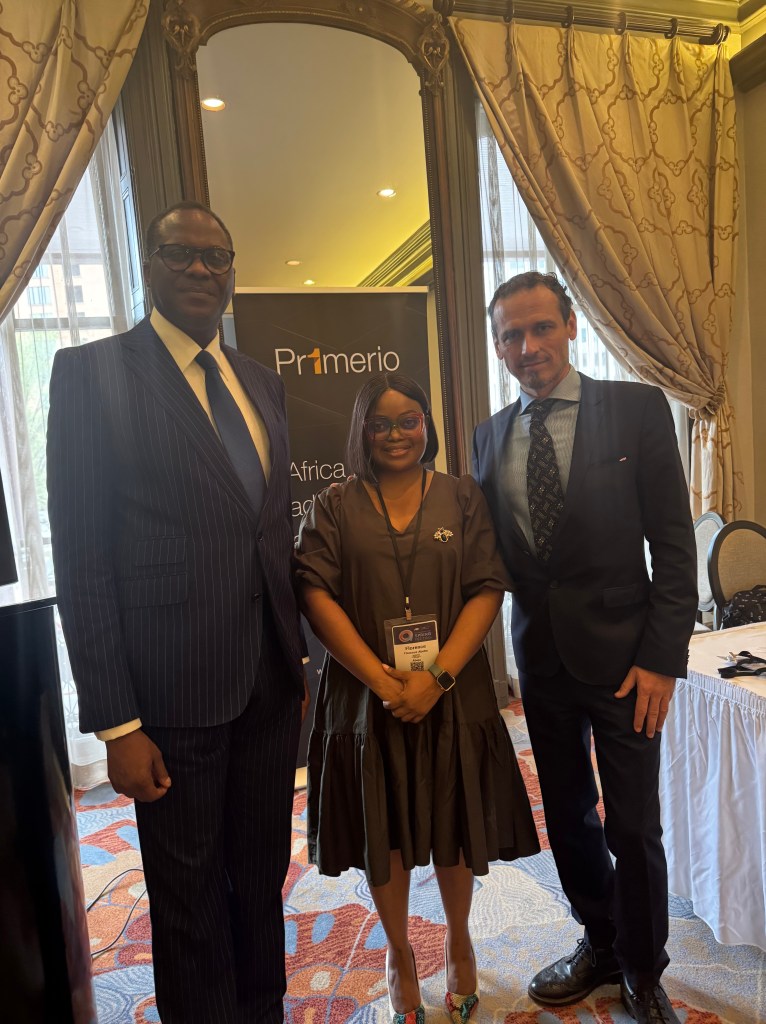
This new matter arises out of entirely different legal issues and with a distinct factual background. Moreover, it is now being investigated by a notably matured and dramatically advanced enforcement agency compared to the 2018 case. Says Andreas Stargard, a Primerio attorney practising before the CCC:

“The Commission is doing what COMESA was designed for — a ‘territorial-restriction’ prosecution is nothing new for a regionally-integrated community. It lies at the heart of the concept of a unified, free market area. Territorial restrictions within such an area an inimical to the entire concept of COMESA. Just look at the EU: its antitrust rules have given the European Commission a similar mandate for decades, enforcing prohibitions against sellers’ territorial limitations that impinge on the free distribution and sale of their goods across the EU. Here, in the current COMESA investigation, it appears that we are notably dealing with restrictive conduct that may be justified by the parties in the end, as opposed to a pure prohibition ‘by object’, such as a cartel agreement. So if Article 16(1)-(4) applies, a prohibition with ‘rule-of-reason’ caveats, Coca-Cola may provide arguments as to why and how the restrictive agreements benefit end-consumers.”

Interestingly, the CCC previously assessed the distribution agreements between Anheuser-Busch InBev (“ABI”) and its third-party distributors and found that the distribution agreements contained clauses that restricted distributors from selling outside of their allocated territories, infringing upon the principle of “absolute territorial protection”. Accordingly, ABI remedied the infringing provisions. “The difference there, however, was that ABI had affirmatively and preemptively applied to the CCC for an authorization under Art. 20 — it was not the subject of an investigation after the fact, as is the case with Coca-Cola,” says attorney Stargard.

“Moreover, once the case is resolved, I am curious to see whether the CCC will take into account the prior compliance programme mandate from the 2018 case against Coca-Cola. It will be interesting to read whether or not the Commission refers to this condition of the prior non-fining resolution against Coke’s RPM conduct, and if so, where the failure point was? Was the programme either inefficient, entirely scrapped, or how did it otherwise fail to avoid further violative conduct on the part of the respondent…? We will have to wait and see, but other global enforcers, such as the DOJ, have certainly used the existence or non-existence of an effective compliance programme in their ultimate fining decisions to date.”

Regardless of outcome, it will also be interesting to learn how the CCC approaches the topic of exclusive distribution agreements across the Common Market. In this regard, it is widely accepted that exclusive agreements are likely to give rise to a range of efficiencies that may be passed down to customers and end-consumers, which Coca-Cola will, of course, need to establish by objective economic evidence if it seeks to justify its contracts vis-à-vis the CCC.

The CCC has been known to be deliberate and fair in its proceedings, especially in recent years of maturity and advancements in its team strength and econometric evaluation capabilities. Mr. Stargard observes that “[e]xamples of this nuanced approach and the due process being granted to parties in distribution cases include the most recent CAF soccer cases (see, e.g., here), in which the CCC spent extensive time and clarifying documentation on why certain, but not all, practices of the affected parties were harmful to consumer welfare in the Common Market.” That said, if the CCC were to adopt an overly protective stance here, however, it may have a concomitant effect on the consumer welfare and will have significant consequences for multinationals distributing into Africa.

The case is still in its investigatory phase, and thus all interested stakeholders are invited to submit representations by 14 November 2024 and can enquire further from Mr. Boniface Makongo (Director Competition Division) at +265 (0) 111 772 466 or at bmakongo@comesacompetition.org.

Eswatini’s new chief antitrust enforcer hails from COMESA body

AAT notes that Eswatini, a member nation of COMESA, has appointed its new Director of Competition and Consumer Protection at the Eswatini Competition Commission (“ESCC”), namely Ms. Siboniselizulu Simelane Maseko. According to the Commission, her background in economics and law will help ensure the agency is prepared for continuing its path ‘towards fairer markets and consumer welfare’. Her previous role within the ESCC as an analyst, and senior analyst, and her experience at the COMESA Competition Commission are set to equip her to spearhead the ESCC’s efforts to maintain a competitive and transparent market environment within eSwatini.

The Commission’s portfolio has expanded since I left. We now have a Policy and Research Department as well as a fully staffed Consumer Protection Department. With young, energetic teams, the commission is well-positioned to support the national development goals and positively impact Eswatini’s economy.”

In her new role, Maseko will oversee competition enforcement, mergers and consumer protection. She emphasizes the importance of preventing anti-competitive outcomes and promoting innovation to safeguard economic stability.

Eswatini’s economy is facing several structural challenges, including slow growth, high unemployment, poverty, and fiscal pressures. While there are opportunities for improvement through reforms and diversification, the country needs to address both domestic and external challenges to achieve sustainable economic growth in the long run. The recent appointment of leaders like Maseko to impactful regulatory roles may signal a focus on creating a fairer, more competitive economic environment, which could contribute to long-term recovery and growth.

Maseko’s international experience, including her exposure to African regional competition authorities and work with global regulatory bodies, positions her well to drive the ESCC’s competition law policies. She has underscored the need for robust enforcement mechanisms and active collaboration with regional and international bodies such as COMESA and the African Continental Free Trade Agreement (“AfCFTA”) to foster fair competition practices.

I have had the privilege of working with enforcement agencies beyond the COMESA region, including those from South Africa, the European Commission and the United States. These networks are crucial, particularly as the Commission participates in regional and continental competition enforcement initiatives.”

Observers of Eswatini’s regulatory landscape note that her leadership, and the support by a talented team, is set to bolster the ESCC’s efforts in ensuring markets remain fair and beneficial to consumers while encouraging business innovation.

Says Andreas Stargard, a competition practitioner with Primerio, “I know Siboni from her longe time working at the COMESA Competition Commission, where she assisted greatly in getting that agency off the ground, helping Willard Mwemba and his staff to catapult the CCC from a fledgling entity to an antitrust enforcer one must reckon with across Africa. This experience will be of value to Siboni’s coming leadership in Eswatini, and I wish her the best!”

Ms. Maseko echoed the description of her career trajectory in her statement: “After having been at regional level for 8.5 years, I have come full circle – back to where I started my journey as a young analyst in 2011. I’m delighted by the opportunity to share what I’ve learnt at regional level and support the Commission’s mandate to contribute to economic growth through fair competition!”

More Regional Antitrust: Competition law in West Africa at the hands of ECOWAS

After the successful launch (and by now, first decade) of its Eastern regional counterpart, the COMESA Competition Commission, as of today, West Africa’s ECOWAS body likewise boasts a supra-national antitrust enforcement regime. AAT will be following its path closely.

By Jannes van der Merwe

The Economic Community of West Africa States (“ECOWAS”) was established by fifteen West Africa countries (“member states”) in 1975 when the member states signed the ECOWAS Treaty, with the aim and objectives to maintain and enhance economic stability and development in Africa.[1] The member states signed the revised treaty in 1975, currently governing the member states.

The current member states are Benin, Burkhina Faso, Cabo Verde, Côte d’Ivoire, The Gambia, Ghana, Guinea, Guinea Bissau, Liberia, Mali, Niger, Nigeria, Senegal, Sieera Leone and Togo.

Authority Established in 2008

In 2008 ECOWAS implemented two pieces of legislation through the authority of the treaty to steer the competition framework within the member states. The first was the Supplementary Act A/SA.1/12/08, and the second Supplementary Act A/SA.2/12/ 08.

Supplementary Act A/SA.1/12/08:

The purpose of this piece of legislation (known as the Community Competition Rules) nutshell is to promote competition, enhance economic efficiency, prohibit anti-competitive conduct that restricts or distorts competition, ensure consumer welfare and to expand opportunities for domestic enterprises of the member states. [2]

Supplementary Act A/SA.2/12/ 08:

The purpose of this piece of legislation was to establish a regional body to be known as the ‘ECOWAS Regional Competition Authority’ (“the Commission”) to govern, oversee and implement the Community Competition Rules.

The Commission

The formal launching of the Commission took place in May 2019. In December 2021, together with further enactment of legislation, the Council of Ministers of ECOWAS amended Supplementary Act A/SA.2/12/ 08 to, inter alia, enhance article 2, governing the bodies of the ERCA[3].

The amendment established two formal bodies of the ERCA, being the Council and the Executive Board of the ERCA, together with the Executive Directorate who is the administrative, investigative and implementing body of the Council’s decisions[4].

On 2 October 2024 the newly elected Council of the Commission will be sworn in at Banjul, the capital of the Republic of Gambia. See photo below.

This event will mark the dawn of a new day for competition in West Africa, whereby the Commission, through the Council, will become fully functional in order to administrate and give effect to the Competition Rules to member states.

Legal Framework

The Commission, through the Council, will be able to give effect to the preamble of the Treaty and align a vitally important piece that was missing from the practical application of the treaty.

The Community Competition Rules will be the governing legislation providing the umbrella under which the Commission will operate.

During December 2021, the Council of Ministers for ECOWAS further enacted regulations to govern the rules and procedures to give effect to the articles of the Community Competition Rules established in 2008.

A brief description of all the relevant legal framework will be discussed below.

 The Competition Community Rules

The Competition Community Rules will regulate, inter alia, Agreements and Concerted Practices in Restraint of Trade; Abuse of Dominant Position; Mergers and Acquisitions; State Aid; Public Enterprises; Compensation for Victims of Anti-Competitive Practices; Authorisation and Exemptions; Agreements Concluded by Member States and the Application and Implementation of the Community Competition Rules[5].

ERCA’s Rules of Procedure in Competition Matters

Regulation C/REG.24/12/21[6] was established to set out the rules and procedures of the ECRA in competition matters and by doing so, harmonising competition laws, procedures, cooperations, investigations, exchange of information, decision making, enforcement, sanctions and compensation[7].

Supplementary Act A/SA.3/12/21

The amended act’s new article 3 provides a positive duty on the Commission to represent ECOWAS wherever necessary in matters of competition and consumer protection[8].

Mergers and Acquisitions in ECOWAS

Regulation C/Reg. 23/12/21[9] was established to set out the rules and procedures for mergers and acquisitions.

This regulation requires that merging parties of member states that meets the threshold will have to obtain prior approval before implementing. The merger threshold is governed by enabling Rule PC/REX.1/01/2024[10]

Leniency and Immunity Proceedings in Competition within ECOWAS

Regulation C/REG.22/12/21[11] was established to set out the rules, conditions and procedures of leniency and immunity applications to the Commission. Simultaneously, this regulation is a guide to the Commission in the exercise of its investigative and prosecutorial discretion in illegal cartels who, through their cooperation, help to reveal Cartel conduct[12].

Regulation C/REG.22/12/21 is accompanied with enabling Rule PC/REX.1/01/24[13] containing the manual for leniency and immunity applications and what leniency and immunity the Commission may grant for enterprises of member states which are engaged in anti-competitive behavior and who voluntarily disclose information to facilitate the Community Competition Rules.

Final Word

The operational ECOWAS Regional Competition Authority and the implementation of a functioning Council for the ECOWAS Regional Competition Authority is a leap forward in the West Africa competition sphere and will protect enterprises and enhance competition within the West Africa markets, providing benefits for entrepreneurs, enterprises and consumers.


[1] Article 3, ECOWAS Revise Treaty, 24 July 1993 (‘the treaty;’).

[2] Supplementary Act A/SA.1/12/08, Article 3.

[3] Supplementary Act A/SA.3/12/21 Relating to the Amendments of Supplementary Act A/SA.2/12/08.

[4] Article 2(new), Supplementary Act A/SA.3/12/21 Relating to the Amendments of Supplementary Act A/SA.2/12/08.

[5] Article 5-13, Supplementary Act A/SA.1/12/08.

[6] Regulation C/REG.24/12/21 on the ERCA’s Rules and Procedures in Competition Matters.

[7] Article 3, Regulation C/REG.24/12/21 on the ERCA’s Rules and Procedures in Competition Matters.

[8] Article 3(new), Supplementary Act A/SA.3/12/21 Relating to the Amendments of Supplementary Act A/SA.2/12/08.

[9] Regulation C/Reg.23/12/21 on the Rules of Procedure for Mergers and Acquisitions in ECOWAS.

[10] Enabling Rule PC/REX.1/01/24 on Manuals of the Procedures of the ECOWAS Regional Competition Authority.

[11] C/REG.22/12/21 on the Rules on Leniency and Immunity Procedures in Competition within ECOWAS.

[12] Article 1, C/REG.22/12/21 on the Rules on Leniency and Immunity Procedures in Competition within ECOWAS.

[13]  Enabling Rule PC/REX.1/01/24 on Manuals of the Procedures of the ECOWAS Regional Competition Authority.

Insular Africa: Mauritius provides Antitrust Updates

The Mauritius Competition Commission published the 6th issue of its newsletter, dealing with the latest activities of the Commission over the past year (June 2023 – July 2024)

By Jannes van der Merwe

The Commission has undertaken a significant number of developments in the past few months, in order to increase its activity and enforcement as well as advocacy work. Most notably, the Commission has contributed to the Protocol on Competition Policy under the African Continental Free Trade Area; hosted Professor Alan Fels for three days helping the Commission with capacity building where he shared his experiences and discussed how to better enforce the law and challenges faced by the Commission; hosted Professor Pierre Régibeau to lecture, contribute and advise the Commission on various topics such as merger control, abuse of dominance, IP and competition law; the commission has been elected as the Chair of the African Competition Forum; and the Commission has been appointed as the Co-Chair of the International Competition Network Merger. Working Group, attending to educational outreaches, all while managing the competition activities within Mauritius. [1]

The Commission has made headway on several critical investigations within the Mauritian economy.

  • The Executive Director has completed its investigation in the merger of two major suppliers of snacks and drink through automated vending machines and has submitted the report for the Commission’s decision.[2]
  • The Commission completed its ports market study, led by John Davies.[3]
  • The Commission is continuing its investigation into possible cartel conduct with Third-Party Liability on Contractor’s All Risk Insurance.[4]
  • The Commission is continuing its investigation into a possible cartel, price-fixing the wholesale markup of pharmaceutical products.[5]
  • The Commission is investigating possible anti-competitive behaviour by TNS Tobacco, an importer and distributor of British American Tobacco’s brands.[6]

Completed Market Investigations

Acquisition of Engen Ltd by Vivo Group:

After the acquisition by Vivo Energy of the shares held by Engen Holding in different Engen entities in several countries, including Zimbabwe, Zambia, Gabon, Rwanda, Mozambique and other African countries in recent times, Vivo Energy turned its eyes to South Africa.

This in turn, caused the Commission to commence an investigation into the possible competition concerns the transaction between Vivo Energy and Engen Limited (South Africa) in South Africa could raise in the Mauritius’ fuel market. The Commission’s investigation found that the transaction in South Africa raises competition concerns as Engen Limited owns and operates Engen Petroleum Limited in Mauritius, while Vivo Energy competes in the Mauritius Fuel Market through its vertical integration.

The transaction that the commission then had to consider entailed the acquisition of Engen Limited (“Engen Mauritius”) by Vitol Emerald Bidco (PTY) Ltd, who is controlled by Vitol Holdings through Vitol Africa B.V. Vitol Holding proposed to transfer Vitol Emerald Bidco to Vivo Energy Emerald Holding B.V, who is part of Vivo Energy Limited.

Vivo Energy Limited has stakes in Vivo Energy Mauritius who trades under the name of Shell, a competitor to Engen Mauritius.  The commission’s concern with all of the above was that effectively, the Mauritian fuel market will be transformed from 4 dominant players to 3.

This resulted in the parties’ providing undertakings to the Commission to ensure that the fuel market in Mauritius remains competitive, which the Commission accepted as the conditions to the agreement. [7]

The parties agreed that a separate divestment business will acquire Engen Mauritius, subject to the terms as per the merging parties’ undertakings which include the majority of Engen Mauritius’ business, excluding 7 filing stations and various contracts related to the commercial operation between Engen and Vivo Group.[8]

Read more of the Mauritius Competition Commission’s news here.


[1]The Competition Commission, Competition News, Issue 6, August 2024.  https://media.licdn.com/dms/document/media/D4D1FAQFYxpZFjAS5JQ/feedshare-document-pdf-analyzed/0/1725357604620?e=1726704000&v=beta&t=f-zCi3QZ4siJdvpTtzgoGSlgFvXwUeCovjxQYtfO0Ks

[2] News letter, page 12.

[3] News letter, page 13.

[4] News letter, page 13.

[5] News letter, page 14.

[6] News letter, page 14.

[7] The Government Gazette of Mauritius, General Notice No. 668 of 2024, 1 June 2024.

[8] The Competition Commission, Competition News, Issue 6, August 2024. page 12.

4th CCC diplomatic conference on competition law places focus on inflation, food security, and poverty eradication 

Senior diplomats from the COMESA region gathered in Livingstone, Zambia, for the fourth in a series of diplomatic antitrust-focused conferences that began in 2016 but were halted due to the coronavirus pandemic in 2019.

At today’s formal resumption of the recurring event, Dr. Willard Mwemba, CEO of the COMESA Competition Commission, introduced the conference session by calling out the importance of the agricultural sector to the people residing in the region, especially the very poorest of citizens.

He stated in unmistakable terms that his agency would prioritize this and related markets for heightened antitrust enforcement, to ensure the sector operates efficiently and competitively. “Accessibility (and affordability) of food is one of the most fundamental human rights. $2 per day are spent by the poorest people on average, and the majority of those two dollars is spent on food,” noted Mwemba.

Says Andreas Stargard, who attended the session, “it is clear that the view of the Commission is that agricultural markets in COMESA are not functioning as they should, based on studies the agency has undertaken with outside assistance.  The massive foodstuffs price inflation levels COMESA residents have suffered in recent years are not merely natural consequences of irreversible climate change but rather represent mostly economic profit to the manufacturers and traders, to the detriment of consumers, based on what Dr. Mwemba presented today.”

COMESA Secretary General, Chileshe Mpundu Kapwepwe, summarized the stark importance of the AG sector to the region, its people, and the economic zone in sobering statistical terms: “The agriculture sector is one of the key sectors for most Member States as it contributes more than 32% to the Gross Domestic Product of COMESA, provides a livelihood to about 80% of the region’s labour force, accounts for about 65% of foreign exchange earnings and contributes more than 50% of raw materials to the industrial sector.”

In light of this crucial importance of the agricultural and food markets, food security is high on the list of action items that COMESA must address practically and effectively, she concluded.  COMESA evaluates supply and demand levels across all 21 member states to assist with market assessment and planning.

The Diplomatic Conference’s guest of honour, Zambian Minister of Commerce, Trade and Industry, Hon. Chipoka Mulenga, noted in prepared remarks delivered by his deputy and permanent secretary to COMESA that, while “food production must be profitable for farmers, it must not be exploitative.”

In this regard, the famous Adam Smith quote referenced by Dr. Mwemba at a prior antitrust session comes to mind: “It is not from the benevolence of the butcher, the brewer, or the baker that we expect our dinner, but from their regard to their own self-interest. We address ourselves not to their humanity but to their self-love, and never talk to them of our own necessities, but of their advantages.”

Beyond the immutable wisdom of the Wealth of Nations from two and a half centuries ago, the (1) CCC’s increased competition law enforcement in the agricultural and food sectors, as well as (2) national member states are assisting the effort of ensuring wide and secure availability to all COMESA residents by creating and strengthening cross-border value chains in the food sectors with overlaps across member state borders, the Zambian minister observed.

Dawn of the “QUAD-C”: COMESA antitrust evolves

Meet the “CCCC”: the 4th Estate Covers the 4th “C” of the COMESA Competition Commission During its Second Press Conference, and More

The second annual COMESA Competition Commission press conference, taking place in Livingstone, Zambia, revealed not only news, but also the extensive improvements to the agency being made, and information about ongoing market studies and case investigations.  It was an opportunity to allow business journalists obtain a glimpse, if not indeed a full deep-dive overview, into the future of the triple-C – which is soon to be the “Quad-C”, in fact, as Dr. Mwemba, the head of the Commission, announced at today’s event.  That is, the CCC will add a fourth “C” to its name, so as to include expressly the concept of Consumer protection.  AAT notes that this is similar to several other national competition authorities, for example the Nigerian FCCPC or even the U.S. FTC, both of which also have an existing mandate covering consumer-protection issues, besides their jurisdiction over pure competition-law matters.

Name Change

Dr. Mwemba clarified that the now-express inclusion of this “4th C“ in the Commission’s name going forward is to highlight the fact that the Commission will enhance its focus on consumer-protection issues, and to ensure that the average consumer (as opposed to competition experts) in the COMESA region can better understand their rights and recourse to the CCC(C).

Public-Interest Factors

This renewed consumer-protection emphasis also goes hand-in-hand, AAT believes, with the increased importance of so-called “public-interest“ factors in the CCC’s merger analysis. Dr. Mwemba highlighted, by way of example, environmental factors and job creation numbers, as potential considerations to be taken into account by the Commission under the amended regulations, which will likely come into effect by December 2024.

New Competition Regulations

These newly amended COMESA Competition Regulations, which have been in the making since the May 2021 inception of the Commission’s efforts to revise the regional competition law, will culminate in the imminent clearance by the COMESA Legal Drafting committee, and ultimately (by the end of the year, we anticipate), its adoption by the regional committees of the COMEAS Attorneys General, of the Justice Ministers, and eventually the Council of Ministers of all 21 COMESA member states.  Of course, as AAT has discussed before, these Regulation Amendments carry with them extensive revisions to antitrust law (e.g., the creation of a leniency programme for cartel offenders; the change-over to a suspensory merger notification regime; adding ‘transaction value’ to the concept of deal-notification thresholds, amending their definition from being purely asset- and revenue-based; and the creation of certain market-power presumptions based on share thresholds, just to name a few here).

Dr. Mwemba clarified in vivid terms that neither life nor law must be stagnant. Hence the import of the revision of the Regulations, which (in their current form) are by now two decades old.  “The original 2004 COMESA law simply was no longer up to the task of helping the Commission to regulate modern markets as they stand in 2024 and beyond,” according to the CCC.  Examples given by the senior staff present included the rapid rise of artificial intelligence, environmental changes to the economy, and digital platform evolution – all of which have proceeded faster than virtually all existing antitrust laws globally.  The view of the executive of the Commission is that it is well-positioned to be at the forefront of adapting to these challenges of imminent change.

The former CEO Dr. George Lipimile and AAT Editor Andreas Stargard
With the CEO of the Commission, Dr. Mwemba
Dr. Mwemba being interviewed by KBC

Merger Regulation

As both the past Director (Dr. George Lipimile) and the current CEO (Dr. Willard Mwemba) highlighted: the Commission does not exist to prohibit mergers.  Instead, its purpose, from a merger-control perspective, is to ensure that any deals that may distort competitive markets is structured in such a way that the distortion ceases to exist or risk to the functioning of effective markets.

Answering one of the questions posed by africanantitrust.com, Dr. Mwemba confirmed that the Commission is continually engaged in ex post analysis and reviews of past mergers that were approved, sometimes with conditions, by the then-triple-C. In the ATC/Eaton Towers case, for example, it observed that the parties were found not to be complying with the obligations imposed by the contingent approval decision, therefore resulting in fines imposed by the CCC post-closing of the approved deal.

Beyond Mergers: Anti-Competitive Practices

The Commission has moved on from being a pure merger regulator long ago, however. This was a key theme throughout the multi-day conference.  “We have moved on from just doing mergers, and have now been covering the terrible, always-hidden, and always-nefarious, anti-competitive practices found across the region for years,” says Dr. Mwemba about the more than 45 ACP matters the agency has handled so far.  Case examples he gave in this respect include the CAF licensing of football rights (a veritable trilogy of matters at all levels of the intellectual property distribution chain regarding an important pastime in Africa, soccer).

Other instances of the CCC pursuing anti-competitive practices within the region include multiple investigations into the beer and alcoholic beverage markets, and a now concluded case against Uber (resulting in significant changes to the ride-sharing company’s contract terms in the COMESA region, namely removing a denial of vicarious liability clause, changing the choice of law provision from the Netherlands to local jurisdictions in COMESA, as well as changing the pricing and termination of services provisions of the contract of adhesion that Uber utilizes in its app.).  Finally, the agency is deeply engaged in ongoing agricultural and food price studies, which will likely yield further enforcement actions going forward, in the words of the CCC.

Closing Thoughts: Due Process, Procedural Rights, and Deepening Collaboration with NCAs

Even though one of the identified CAF cases remains pending on appeal, Dr. Mwemba said that the Commission welcomes the parties’ exercise of their due process rights, noting that the CID review and appellate process provide valuable insights and that everyone stands to gain by the recognition and exercise of such due process under the rules and the law.  Indeed, appeals have increased from just 1 in 2023 to 3 in 2024. The Commission also provided statistics on the collaboration it engages in with national competition authorities, including capacity building in Mauritius, the Democratic Republic of Congo, Uganda, and other member states.  Finally, the statistics provided for the past 11 years show the transformation of the early period (which AAT had initially covered graphically for several years with its informal merger-stats analysis, now long-abandoned due to the CCC’s improved transparency and web presence): The CCC has handled over 430 merger reviews and more than 45 anti-competitive practice investigations.

Honoring ongoing excellence and recognizing past accomplishments

African antitrust authority fines META quarter-billion dollars — WhatsApp (with that?)

Nigeria’s FCCPC has imposed a U.S. $220m fine on WhatsApp’s parent company Meta for violating data privacy laws, continuing the FCCPC’s consumer-protection streak

When it rains, it pours. And when the nascent FCCPC (on whose relatively youthful existence we have reported extensively) issues a fine on a global mega corporation like META (or BAT to the tune of $110m), then it really reaches deep into its pockets: Mr. Zuckerberg’s conglomerate will have to pay $220m to resolve an extensively-documented violation abusing its dominant position, exploiting Nigerian WhatsApp users’ personal data, which it had stored in Singapore, Europe and the U.S. The proceedings were brought approximately 3 years ago, culminating in a particularly in-depth Report issued by the FCCPC and the resulting fining decision last week, pursuant to both the Federal Competition and Consumer Protection Act, 2018 (FCCPA), and the Nigerian Data Protection Regulation, 2019 (NDPR).

At the heart of the allegations lies Meta’s undisclosed, apparent dual-use of WhatsApp user information and metadata (no pun), across virtually all of its conglomerate digital platform companies — i.e., data-sharing conduct squarely in violation of the NDPR and, so says the FCCPC, without consumer knowledge and in many cases against WhatsApp users’ wishes.

Andreas Stargard, a competition lawyer at Primerio Ltd., with a focus on African antitrust cases, comments as follows on this latest record-setting West African case:

“This latest foray by the FCCPC against Meta is notable for multiple reasons: First, it spans both the inaugural aegis of the FCCPC under internationally lauded former FCCPC chief, Babatunde Irukera, and that of his recent successor, Tunji Bello.

Secondly, it represents a new record, and quite literally a doubling of the last record fine, namely the $110m agreed-upon antitrust settlement against British American Tobacco less than 2 years ago.

Third, it shows a trend we have recently noticed in the African government enforcement world: namely, the intertwined nature of competition law and consumer-protection issues, which the detailed Report issued by Commission staff highlights in a significant way. Other agencies on the continent will surely take notice and (we hope) issue similarly-documented case reports going forward.

Fourth, and finally, setting aside the amount of the fine, this matter shows how African jurisdictions may well be ahead of some European and other peer institutions. This is a milestone development for the future regulation of digital behemoths across Africa. The detailed report and analysis provided publicly by the Nigerian agency shows that its nascent competition-law regime continues to be eager to comply with global best practices and appears well situated to keep earning the respect of its Western and other African peer authorities, akin to the journey that the COMESA Competition Commission has undertaken in its first 10 years of existence. Both agencies have gone from non-existent to generally and globally respected African antitrust and consumer-protection powerhouses.”

The Commission’s release noted that “[t]he totality of the investigation has concluded that Meta over the protracted period of time has engaged in conduct that constituted multiple and repeated, as well as continuing infringements… particularly, but not limited to abusive, and invasive practices against data subjects in Nigeria. Being satisfied with the significant evidence on the record, and that Meta has been provided every opportunity to articulate any position, representations, refutations, explanations or defences of their conduct, the Commission have now entered a final order and issued a penalty against Meta.”

In Conversation with African Antitrust Agencies: Nigeria

A Primerio-sponsored webinar recently put the spotlight on Nigeria’s burgeoning FCCPC

On 10 July 2024, advisors from pan-African law firm Primerio continued their “African Antitrust Agencies – in Conversation with Primerio” series with the Nigerian Federal Competition and Consumer Protection Commission (“FCCPC”) in the first of two sessions aimed at a quick snapshot of the most noteworthy enforcement, legislative, and policy developments. 

This first session focused on merger control. 

Primerio’s Michael-James Currie, Competition Law Partner at Primerio (Johannesburg) was joined by Hugh Hollman, Competition Law Partner at A&O Shearman (Washington & Brussels) and had the pleasure of speaking with Christiana Umanah, the Head of the FCCPC’s Merger Control Department

This recent webinar featured insights from Hugh Hollman, an experienced international antitrust partner at A&O Shearman, and Christiana Umanah, head of FCCPC’s merger division. Christiana Umanah elaborated on the rapid development of the FCCPC since the Federal Competition and Consumer Protection Act (“FCCPA”) was enacted in 2018. She outlined the structure and growth of the FCCPC, noting its establishment in 2019 with an active team of eight in the mergers department, along with offices in all 36 states of Nigeria, and 6 regional offices. Christiana emphasized the regular training received by FCCPC staff both locally and internationally, with recent sessions in Mauritius and Barcelona. The FCCPC maintains collaborative relationships with international agencies such as the FTC, and the DOJ, especially for capacity building and training. She detailed the timelines for merger reviews in Nigeria, which usually take 60 business days, extendable to 120 business days for complex antitrust cases, while harmonizing multi-jurisdictional reviews and offering a fast-track option to reduce the timeline by 40 business days. 

Addressing foreign-to-foreign mergers, Christiana explained that the FCCPC assesses these based on local turnover, focusing on the specific business presence in Nigeria. She also discussed the penalties for gun-jumping, which are commonly based on 2% turnover for the last financial year, considering factors like knowledge, cooperation, and company size. The FCCPC is open to pre-merger consultations on a no-name basis, ensuring confidentiality while guiding parties through the process. Christiana shared examples of conditions imposed on transactions, such as divestments and board member exit to prevent market concentration. Public interest considerations are also a key focus for the FCCPC, particularly regarding employment and market impact, as demonstrated in a case involving a failing firm where job preservation was prioritized. Looking ahead, the FCCPC is developing regulations for digital transactions and e-market platforms to address emerging issues in the digital market. The webinar concluded with a note on the importance of ongoing dialogues and the FCCPC’s willingness to assist with information and support. 

The transcript for this session is available here, and the recording of this session is available on Primerio’s YouTube page, accessible here

Our next session of Primerio‘s “in conversation with…” series remains focused on Nigeria, as we will discuss recent enforcement activity and legislative & policy developments. Join Hugh Hollman, the FCCPC’s senior officer, Florence Abebe and Primerio partners for another concise but very useful session as Nigeria’s FCCPC Nigeria gains prominence across the Continent.

Register for this upcoming session here.

Malawi Revamps its Antitrust Laws: Suspensory Merger Control and More

Not only did the Malawian government revise its 26 year-old competition law, but it effectively repealed the old statutory regime under the “Competition and Fair Trading Act”, and it has now enacted its replacement, the so-called “Competition and Fair Trading Act of 2024.”

Says Andreas Stargard, who practices competition law with Primerio Intl., “the new regime had been in the works for several years, with input from the broader international and pan-African competition communities, both private and academic, as well as from fellow antitrust enforcers across the globe. We are pleased to see this revision effort come to fruition in the form of the CFTA 2024, which notably introduces a suspensory merger-control provision — meaning companies that meet the Malawian thresholds for notifying their M&A activity must put on hold the closing of their deal until it is cleared by the authority, the CFTC.”

Parties considering entering into transactions affecting the Malawian market should note, Stargard observes, that Malawi is part of the COMESA competition-law area, “which would require firms to consider whether or not there is a COMESA community dimension to their transaction, thereby possibly negating one or more domestic filings with [National Competition Authorities], and instead making a ‘one-stop-shop’ notification to the CCC.” Coincidentally, the COMESA Competition Commission is also headquartered in the Malawian capital, Lilongwe, so “parties can expect there to be extensive collaboration between the supra-national CCC enforcement teams and the CFTC’s domestic-focussed antitrust lawyers,” Mr. Stargard surmises.

The in-depth text of the Malawian press release is as follows:

 ENTERING INTO FORCE OF THE NEW COMPETITION AND FAIR TRADING ACT 

You will recall that the Competition and Fair Trading Commission (CFTC) has been reviewing the Competition and Fair Trading Act (CFTA) of 1998 in order to fill the existing gaps and enhance its effective enforcement. The CFTC is pleased to announce that the process of repealing the CFTA of 1998 was completed and it has been replaced with a new legislation, the Competition and Fair Trading Act of 2024. 

The new legislation was passed by Parliament on 5th April, 2024, and was assented to by the State President, His Excellency, Dr Lazarus Chakwera on 19th May 2024. In accordance to Section 1 of CFTA of 2024, The new Act shall come into force on a date to be appointed by the Minister, by notice published in the Gazette. The Competition and Fair Trading Act of 2024, therefore, comes into force today, 1st July, 2024, following the gazetting of the notice, signed by the Minister of Trade and Industry, Hon. Sosten Gwengwe, MP, which appoints this date. 

CFTC is extremely pleased with this development as it signals an end to some of the enforcement challenges the institution was facing with regard to the enforcement of the old Act due to the gaps in some of the key provisions in the law. In addition, the CFTA needed to be aligned with the recent developments in the enforcement of competition 

and consumer protection law, reflective of the current market dynamics in the economy. Furthermore, the CFTA required to be aligned with international best practices in the enforcement of competition and consumer protection. 

In order to address these gaps, there are several changes that have been made to the CFTA of 2024. Below is a highlight of some of the key changes: 

i. Competition Regulation 

The major change that has been brought in is on Suspensory Merger Notification. The 1998 CFTA provided for voluntary notification of mergers and acquisitions; which meant that mergers having potential harm to competition process and consumer welfare could be effected without seeking authorisation from the CFTC. The new CFTA has made notification of mergers and acquisitions mandatory, based on determined thresholds. 

The new Act has also expanded on the provisions on anticompetitive business practices, to make it very encompassing but also effective to regulate and enforce. These areas include: restrictive business practices; collusive conducts (cartels); abuse of market power; but also mergers and acquisitions. 

ii. Consumer Protection 

The CFTA of 1998 narrowly defined the term “Consumer”. The definition under the old Act left out some stakeholders that are equally affected by unfair trading practices, which include: consumers of technology, consumers of digital products, beneficiary consumers, but also other users of goods or services for purposes of production of other goods or services. For this reason, various vulnerable groups that did not fall within that narrow definition were not effectively protected from unfair trading practices 

The CFTA of 2024 has also brought in several types of unfair trading practices that were not included in the CFTA of 1998. Among others, these include the following: 

 failure to give warranty or guarantee on goods for long term use; 

 improper or insufficient labelling of products; 

 failure to disclose material information about the products supplied; 

 engaging in excessive or exploitative pricing of the products. 

 imposition and implementation of unfair terms in consumer contracts. 

iii. Abuse of Buyer Power 

The CFTC of 1998 focused on abuse of supplier (seller) power and not the abuse that may arise from powerful or dominant buyers. This made it difficult to deal with malpractices by buyers, including those involved in buying farm produce from farmers. 

The CFTA of 2024 has included various provisions to redress malpractices resulting from abuse of buyer power. The Act has expressly prohibited the powerful and dominant companies that purchase agriculture produce from the farmers not to engage in any anticompetitive and exploitative conducts. For example, the Act prohibits, among others, the following conducts: 

 delays in payment of suppliers, without justifiable reason, in breach of agreed terms of payment; 

 unilateral termination or threats of termination of a commercial relationship, without notice or on an unreasonably short notice period, and without an objectively justifiable reason; 

 refusal to receive or return any goods or part thereof without justifiable reason, in breach of the agreed contractual terms; 

 transfer of commercial risks meant to be borne by the buyer to the suppliers; 

 demands for preferential terms unfavourable to the suppliers; 

 demanding limitations on supplies to other buyers; 

 reducing prices by a small, but significant, amount where there is difficulty in substitutability of alternative buyers or reducing prices below competitive levels; or 

 bidding up prices of inputs by a buyer enterprise with the aim of excluding competitors from the market. 

iv. Penalties for Violations 

Under the CFTA of 1998, when the Commission found a business enterprise in breach, it had been imposing fines, which were provided for under Section 51. However, in 2023, in the matter of CFTC v Airtel Malawi Plc, the Court ruled that the said provision does not empower the CFTC to impose fines, on the grounds that the violations were designated as being criminal in nature. Specifically, under section 51 of the CFTA of 1998, the provision for imposing the fines was combined with sanctioning of an imprisonment sentence of up to 5 years. The ruling in the CFTC v Airtel Malawi Plc case, thus weakened the regulatory mandate of the CFTC. In addition, the 1998 CFTA did not provide for aggravating and mitigation factors for the Commission to consider in coming up with fines and/or orders. 

The CFTA of 2024 gives express powers to the CFTC to issue Administrative Orders, which include imposing fines on errant enterprises. Under the new Act, the fines to be imposed will be (i) up to 5% of annual turnover if it is an individual; or (ii) up to 10% of annual turnover if it is a company. The determination of the fines will depend on the applicable aggravating and mitigating factors. There are also various Orders that the CFTC can impose which are meant to redress the malpractices. These include orders to: give refunds, return or exchange defective products, withdraw false advertisements, supply the advertised/promised goods and services, and cancel unfair and exploitative contracts. 

v. Suitability and Independence of Commissioners for the CFTC 

As adjudicators of cases, the Commissioners of the CFTC are required to be sufficiently scrutinized for their qualification and suitability for their functions, but also guarantee utmost independence. Under the provisions of the CFTA of 1998, the Commissioners were not thoroughly subjected to scrutiny of Parliament once appointed, to determine their qualification and suitability for their office. Similarly, the Commissioners independence as adjudicators was not guaranteed under the old law. The CFTA of 2024 has provided that, as a way of ascertaining the Commissioners’ suitability and ensuring independence, their appointment and removal from office will be subjected to the scrutiny of the Public Appointments Committee of Parliament. 

In view of the foregoing, the CFTC would like to call upon business enterprises, consumers and the general public to take notice of the new legislation, and particularly take consideration of the provisions that have been brought into the CFTA of 2024. Furthermore, the CFTC would like to advise the business enterprises to adopt voluntary compliance with competition and fair trading laws at all times, so as not to be found in breach of the law. 

For media enquiries on this statement, contact Innocent Helema on 0880725075 or email innocent.helema@cftc.mw. 

LLOYDS VINCENT NKHOMA 

CHIEF EXECUTIVE OFFICER 

South Africa’s New Cabinet Under the GNU: A Shift Towards Business-Friendly Policies?

By Megan Friday

On Sunday, 30 June 2024, President of South Africa, Cyril Ramaphosa announced South Africa’s new cabinet under the newly-formed Government of National Unity (‘GNU’).  The Government of National Unity is “a government that brings together a number of rival leaders and political parties in order to promote national unity and political stability” (Cheeseman, N., Bertrand, E., and Husaini, S. (2019). A Dictionary of African Politics, Oxford University Press). The Democratic Alliance, South Africa’s main opposition party, is generally considered to be more business friendly than other, rival parties.

From the new cabinet announcement, it has been revealed that Parks Tau is the new Minister of the Department of Trade, Industry, and Competition (‘DTIC’), with Zuko Godlimpi and Andrew Whitfield serving as Deputy Ministers. Mr. Tau, the former Mayor of Johannesburg, is seen as a more business-friendly appointment than his predecessor, Ebrahim Patel.

We anticipate that the aggressive approach taken by the South African Competition Commission in driving an industrial policy agenda will be moderated in favour of a more business-friendly approach. A more balanced implementation of public interest objectives is expected, aiming to stimulate economic growth, business development, job creation, and more.

Any potential changes to the structure and mandate of the Commission remain to be seen.