Three years after an intricate East-African antitrust saga involving global European and Asian paint manufacturers, the industry is in the region’s competition-law news again.
By Andreas Stargard
Upon receiving allegations, in 2018, of cartel-like practices among paint manufacturers and undisclosed distributors, the Competition Authority of Kenya (CAK) launched an investigation into the companies suspected of breaching competition rules. These investigations later uncovered that four firms, namely: Crown Paints, Basco Products Limited, Kansai Plascon and Galaxy Paints were deemed guilty of collusion and price-fixing, subjecting the purchasers to unreasonably high prices for various paint brands. The CAK has since revealed its findings to the Kenyan Parliament.
Crown Paints has a flagship brand called DuraCoat, which includes paint products for both interior and exterior finishing (painting and waterproofing). Dura Brands’ exposed collusion with the other three companies sparked fears that consumers had been buying these products at artificially inflated prices. This is particularly significant given that Crown Paints is listed on the Nairobi Securities Exchange and is a heavyweight in the local Kenyan paints market, with further regional subsidiaries in Uganda and Tanzania (all COMESA member states).
Ruth Mosoti, Primerio Ltd.’s Kenyan competition practitioner, notes that the “CAK ultimately found that all four companies were in direct contravention of section 31 of the Competition Act, which addresses restrictive trade practices that prohibit companies from colluding with one another in order to determine product prices, as well as control when and to whom they will offer pricing discounts. The CAK alleges that these are all anti-competitive behaviors that are to the detriment of the consumer as well as other, outside competitors.”
In its Annual Report to Parliament, the CAK noted: “The investigations with respect to three other paint manufacturers and distributors were concluded in July 2019 with the Authority making a preliminary finding that the parties were involved in an anti-competitive agreement on prices, discount structure and transport charges.”
In line with section 36(c) and (d) of the Act, the CAK is entitled to impose financial penalties “to remedy or reverse the infringement or the effects thereof” which may span “up to ten percent of the immediately preceding year’s gross annual turnover in Kenya of the undertaking or undertakings in question”.
Of the four Companies, Basco Products Limited was the only company that did not challenge the CAK’s preliminary ruling and paid a penalty amount of Sh20.799 million. The company further agreed to abstain from committing any similar breaches in the future. While the other subject companies initially appealed the decision handed down by the CAK, AfricanAntitrust.com editorial staff have now learned that up to 3 of the accused firms have opted to settle, having withdrawn their appeals.
COMESA
It is also pivotal to note that on the 25th of February 2021, the COMESA Competition Commission (CCC) issued a cautionary note specifically pertaining to the consequences of forming artificial barriers to free trade, such as collusive practices and other horizontal agreements hindering competition.
The CCC — in its recent bid to become a fully-fledged competition enforcement agency that investigates not only merger activity (as it had done primarily so far) but also pursues hard-core antitrust offences such as cartels — made reference to Article 16 of the Regulations, prohibiting “all agreements between undertakings, decisions by associations of undertakings and concerted practices which: (a) may affect trade between Member States; and (b) have as their object or effect the prevention, restriction or distortion of competition within the Common Market”.
The Kansai paint allegations described above would fit the bill, but we shall see what cartel matters the CCC will pursue going forward, and in which industry segments… The CCC has stated that it “…will work closely with the national competition authorities in the Member States to ensure that offenders are detected, investigated and punished”. Furthermore, there is particular focus on “hard enforcement through screening, detection, investigation and punishment of offenders”.
As of January 1st, 2021, Kenya’s competition-law enforcer, the Competition Authority of Kenya (CAK), started benefitting from its new “Informant Reward Scheme” (IRS). The IRS encourages “confidential informants” — often also referred to as “whistleblowers” — privy to inside information about antitrust offenses to come forward and report the illicit conduct to the Authority.
The IRS incentivizes informants with promises of anonymity as well as — rather modest, as we will see — monetary rewards: the CAK vows to maintain the confidentiality of the informant’s identity, and provides for up to Sh1,000,000 (approximately US$9,100 at today’s Fx rate).
Andreas Stargard, a competition lawyer active on the African continent, has delved more deeply into the CAK’s enabling “Guidelines” document, trying to ascertain the precise contours of the IRS program. He reports as follows:
AfricanAntitrust.com: “Who is eligible to participate in the IRS?”
Andreas Stargard: “What we know from the implementing Guidelines, and also from Director General Kariuki‘s speech on the IRS, is that only third parties or those individuals playing merely a remote and peripheral role in relation to the anti-competitive conduct are eligible to benefit from the IRS. This means that a 3rd-party customer, or a non-executive employee such as a secretary or copy clerk of the offending company, may report wrongdoing under the IRS.”
AAT: “What about insiders with executive authority, then?”
Stargard: “Similar to Western countries’ antitrust regimes, those individuals can still report illicit conduct by their employers, but they would have to resort to the Kenyan leniency process as opposed to the Informant Reward Scheme.”
AAT: “Understood. Are there other, similar whistleblower schemes in existence?”
Stargard: “Yes. We recently held a very timely webinar with leading international and African experts on the topic of whistleblowing, which I moderated. A recording of it is available on the web. Whistleblowing has become an important piece of the enforcement puzzle for many governmental authorities around the globe, not only on competition issues. In Kenya, specifically, President Kenyatta recently doubled the rewards for tax-fraud whistleblowers, who are now entitled to receive up to Sh5,000,000 ($45,000), and the country’s revenue service implemented the so-called iWhistle portal to allow informants to report tax fraud anonymously.”
AAT: “Speaking of money, what is your take on the amount of the offered reward under the terms of the IRS?”
Stargard: “Frankly speaking, one million Kenyan shillings is a paltry sum. I cannot comprehend how reporting a competition-law violation such as a price-fixing cartel that may cost the Kenyan economy and its consumers billions in losses is deserving of 5-times less reward than an informant reporting an individual’s tax fraud to the revenue service, which may cause significantly less injury to the government purse than an international cartel of corporates…”
AAT: “Strong words.”
Stargard: “I’m serious. Compare and contrast the meager sum of not even US$10,000 maximum IRS reward with the potential 5-year prison sentence liability for executives convicted of collusion! There is simply no comparison…”
AAT: “In a perfect world, what would you change about the Kenyan whistleblower scheme?”
Stargard: “If I had had any input into the process of devising the IRS Guidelines, I would have ensured that the maximum reward amount be commensurate with the economic harm and financial damage done by cartels — in short, I would raise the IRS reward to an un-capped straight-up percentage portion of the fines recovered by the CAK. The more, the better for everyone.”
AAT: “Do you have any parting words or final observations on the IRS program for our readers?”
Stargard: “Well, for starters, it is not too late to implement changes to the regime. The CAK (and the legislature, to the extent necessary) can easily increase the maximum reward, as I proposed earlier. I am certain that it would yield better results than the current Sh1m cap, which can easily be ‘outbid’ by an already-corrupt employer, seeking to ‘buy’ its employees’ loyalty! So, Mr. Kariuki, if you’re reading this interview, I’d strongly suggest considering an increase in the reward.
Secondly, from our international experience, we know one thing about ‘secret’ informant schemes: One key element of any successful whistleblower regime (besides ensuring adequate rewards) is the strictest maintenance of confidentiality of the informant’s identity. I realize that section ‘F’ of the Guidelines assures the public that anonymity will be guaranteed and that the CAK will ‘take utmost care to ensure that the identity of the confidential informant is not disclosed.’ However, as an attorney, I can only say that the proof is in the pudding. We will have to wait for the first proceedings pursuant to IRS-provided reports, in order to determine whether or not the whistleblowers’ anonymity will indeed be preserved successfully in practice. That said, I look forward to advising clients on the many issues that are likely going to arise from the Scheme!”
AAT: “Thank you for your time and insights on this new development!”
As it turns out, some savvy ‘entrepeneurs’ have been able to use competition-law enforcement on the African continent to their personal gain, namely by making misleading — if not outright false — accusations against their competitors, thereby triggering an antitrust investigation, and even causing this venerable publication to report on such. We have been made aware by the initial “target” company (now, as it turns out, the actual “victim”) of the Malawi investigation that one of its competitors in the textbook market had essentially weaponized the CFTC’s investigative powers by launching direct and indirect accusations against Mallory International that triggered the probe. In the end, the CFTC concluded that none of the purported cartel conduct actually occurred.
To be clear and to avoid any doubt: Mallory International was cleared of any misconduct allegation. The Editor has reviewed conclusive evidence of the CFTC’s closure of this investigation in August of 2018. “What remains to be seen is whether or not the agency might use its powers to pursue the perpetrators of this inherently anti-competitive attack of false accusations (which coincidentally also wasted government resources) any further,” says AAT Editor Andreas Stargard, pointing to the underlying nature of such false claims as “quintessential unfair competition that should neither enjoy immunity from prosecution nor escape government scrutiny.”
For background, in our original reporting on this case (entitled “CFTC Investigates Foreign Textbook Supplier in Cartel Probe“), we had written as follows:
In a potential first, Malawi’s Competition and Fair Trade Commission’s (CFTC) Chief Executive Officer, Ms Charlotte Malonda, recently announced that the CFTC is investigating a UK-based supplier of textbooks, Mallory International, for alleged cartel conduct. Mallory had partnered up with a local company, Maneno Books Investments, as part of a joint venture, called “Mallory International JV Maneno Enterprise”. In addition, other companies also being investigated include Jhango Publishers, South African based Pearson Education Africa, Dzuka Publishing Company and UK based Trade Wings International.
The investigation follows complaints received by the Human Rights Consultative Committee as well as a number of its constituent civil society organisations and NGOs. The allegations include price fixing and collusive tendering vis-à-vis tenders issued by the Malawian government for the supply of pupils’ text books. [Editor’s Note: “Contrary to the statements in our original article, the actual complaint by HRCC and FND alleged neither price fixing nor collusive bidding.Its main allegation was that unjustified objections were made to contract awards in Malawi, and that attempts were made to dissuade publishers from issuing authorisation letters to particular bidders. Neither of these allegations was true, and no evidence to support either of them was ever produced. The complaint was dismissed by CFTC in August 2018.”]
The Nyasa Times quoted the CFTC head as confirming that the agency had “received a few complaints about allegations of a cartel and other procurement malpractices, hence our commencement of the investigations to get the bottom of the matter.”
Based on the language of Section 50 of the Act suggests that the sanctions for committing an offence in terms of the Act requires the imposition of both a penalty and a five year prison sentence. Although not aware of any case law which has previously interpreted this provision, the wording of the Act is particularly onerous, particularly in light of the per se nature of cartel conduct.
Section 33 of the Competition and Fair Trade Act prohibits collusive tendering and bid rigging per se. Furthermore, a contravention of section 33 is an offence in terms of the Act carries with it not only the imposition of an administrative penalty, which is the greater of the financial gain generated from the collusive conduct or K500 000, but also criminal sanctions, the maximum being a prison sentence of five years, notes Andreas Stargard, a competition attorney:
“The Malawian competition enforcer, under Ms. Malonda’s leadership, has shown significant growth both in terms of bench strength and actual enforcement activity since her involvement began in 2012.”
The Act is not clear what “financial gain” means in this instance and whether the penalty is based on the entire revenue generated by the firm for the specific tender (allegedly tainted by collusion) or whether it applies only to the profit generated from the project. Furthermore, it is unclear how this would apply to a co-cartelist who did not win the tender. The Act may be interpreted that the “losing bidder” is fined the minimum amount of K500 000 which equates to appox. USD 700 (a nominal amount) while the “winner” is penalised the value of the entire tender value (which would be overly prejudicial, particularly if turnover and not profit is used as the basis for financial gain).
Although the investigation has only recently commenced and no respondent has admitted to wrong doing nor has there been a finding of wrongdoing, this will be an important case to monitor to the extent that there is an adverse finding made by the CFTC. Unless the Malawian authorities adopt a pragmatic approach to sentencing offending parties, section 50 of the Act may significantly undermine foreign investment as a literal interpretation of the Act would render Malawi one of the most high risk jurisdictions in terms of potential sanctions from a competition law perspective.
It may also result in fewer firms wishing to partner up with local firms by way of joint ventures as JV’s are a particularly high risk form of collaboration between competitors if there is no clear guidance form the authorities as to how JV’s are likely to be treated from a competition law perspective.
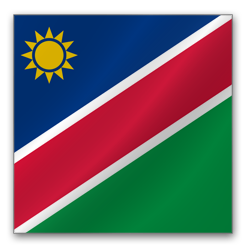
On 9 November 2018, the High Court in Namibia declared a dawn raid conducted by the Namibian Competition Commission (NaCC) in September 2016 to be unlawful. The NaCC raided the premises of PUMA Energy on the basis of alleged abuse of dominance conduct in relation to the sale of aviation fuel at two airports in Namibia.
PUMA Energy challenged the validity of the search warrant and successfully argued that there was no basis for granting the search warrant. Consequently, the NaCC is obliged to return all documents seized during the raid to PUMA Energies.
In June 2018, the South African Competition Commission also lost a High Court challenge where the validity of a search warrant was at issue. The Pietermaritzburg High Court set aside the search warrant on the basis that the SACC failed to demonstrate that there was a bona fide “reasonable belief” that a prohibited act had been engaged in by the respondents in that case.
Competition lawyer, Michael-James Currie says that the use of search and seizure operations as an enforcement tool is being increasingly used across a number of African jurisdictions. Dawn raids have recently been conducted in Egypt, Kenya and Zambia in addition to Namibia and South Africa.
Currie says while dawn raids have been used effectively by well-established antitrust agencies, search and seizure operations are particularly burdensome on the targets and should only be used in those instances were no other less intrusive investigative tools are available. If competition authorities’ powers are not kept in check there is a material risk that search and seizure powers may be used as “fishing expeditions”.
Primerio director, John Oxenham, points out that the evidentiary threshold required in order to obtain a search warrant is relatively low. It is, therefore, concerning if enforcement agencies subject respondent parties to such an intrusive and resource intensive investigative tool without satisfying the requirements for obtaining a search warrant.
Despite these recent challenges to search warrants, Andreas Stargard, also a partner at Primerio, corroborates Oxenham and Currie’s view that the South African and Namibian competition agencies will continue utilising dawn raids as an investigative tool and in light of the increasingly robust enforcement activities, particularly by the younger competition agencies, companies should ensure that they are well prepared to handle a dawn raid should they be subjected to such an investigation.
Events focus on media & business community’s understanding of competition rules and practical workload of CCC
Media
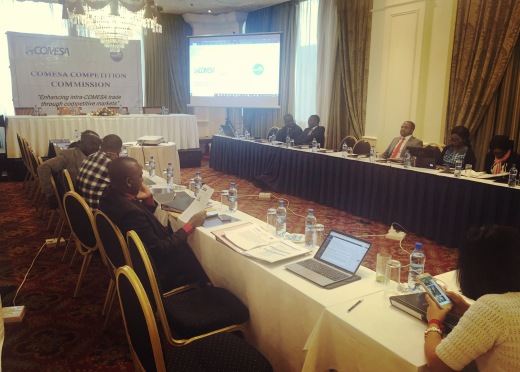
For two days this week, COMESA will hold its 5th annual “Regional Sensitization Workshop for Business Reporters“, focussed on provisions and application of the COMESA competition regulations and trade developments within the 19-country common market.
Over 30 journalists from close to a dozen countries are expected to participate in the event, held in Narobi, Kenya, from Monday – Tuesday.
AfricanAntitrust.com will cover all pertinent news emerging from the conference. We will update this post as the conference progresses.
Speakers include a crème de la crème of East African government antitrust enforcement, including the CCC’s own Willard Mwemba (head of M&A), the CCC’s Director Dr. George Lipimile, and the Director and CEO of the Competition Authority of Kenya, Francis Wang’ombe Kariuki. Topics will include news on the rather well-developed area of of mergerenforcement, regional integration & competition policy, as well as the concept of antitrust enforcement by the CCC as to restrictive business practices, an area that has been thus far less developed by the Commission in terms of visibility and actual enforcement, especially when compared to M&A. We previously quoted Director Lipimile’s statement at a 2014 conference that, since the CCC’s commencement of operations “in January, 2013, the most active provisions of the Regulations have been the merger control provisions.”
“We have been impressed with the Commission’s progress to-date, but remain surprised that no cartel cases have emerged from the CCC’s activities. We believe that the CCC has sufficient capacity and experience now, in its sixth year of existence, to pursue both collusion and unilateral-conduct competition cases.
Personally, I remain cautiously optimistic that the CCC will, going forward, take up the full spectrum of antitrust enforcement activities — beyond pure merger review — including monopolisation/abuse of dominance cases, as well as the inevitable cartel investigations and prosecutions that must follow.”
The media conference will conclude tomorrow evening, June 26th.
Business Community
The second event, also held in Nairobi, will shift its focus both in terms of attendees and messaging: It is the CCC’s first-ever competition-law sensitization workshop for the Business Community, to take place on Wednesday. It is, arguably, even more topical than the former, given that the target audience of this workshop are the corporate actors at whom the competition legislation is aimed — invited are not only practicing attorneys, but also Managing Directors, CEOs, company secretaries, and board members of corporations. It is this audience that, in essence, conducts the type of Mergers & Acquisitions and (in some instances) restrictive, anti-competitive business conduct that falls under the jurisdiction of Messrs. Lipimile, Mwemba, and Kariuki as well as their other domestic African counterparts in the region.
The inter-regional trade component will also be emphasized; as the CCC’s materials note, “we are at a historical moment in time where the Tripartite and Continental Free Trade Area agreements are underway. The objective of these agreements is to realize a single market. Competition law plays a vital role in the realization of this objective, therefore its imperative that journalists have an understanding of how competition law contributes to the Agenda.”
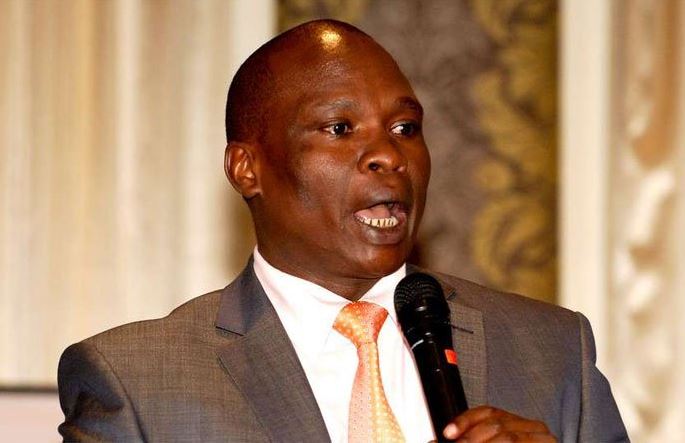
Boniface Kamiti, the CAK representative replacing Mr. Kariuki at the event, noted that Africa in general and including the COMESA region “has a weak competition culture amongst businesses — which is why cartels are continuing in Africa, and the level of M&A is not at the level one would expect.” This is why media “reporting on competition advocacy is very important, to articulate the benefits of competition policy and how enforcement activities further its goals, so the COMESA countries may be able to compete with other countries, including even the EU members, at a high level.”
He also highlighted — although without further explanation — the “interplay between the COMESA competition laws and those of the member countries; most people are not aware of that!” This comment is of particular interest in light of the prior jurisdictional tension that had existed between national agencies and the CCC in the past regarding where and when to file M&A deals. These “teething issues are now fully resolved”, according to Dr. Lipimile, and there are neither de iure nor any de facto merger notification requirements in individual COMESA member states other than the “one-stop shop” CCC filing (which has, according to Mr. Mwemba, reduced parties’ M&A transaction costs by 66%).
On the issue of restrictive trade practices (RTP), the CAK reminded participants that trade associations often serve to facilitate RTP such as price-fixing cartels, which are subject to (historically not yet imposed, nor likely to be) criminal sanctions in Kenya. It also observed that (1) manufacturers’ resale price maintenance (RPM) would almost always be prosecuted under the Kenyan Competition Act, and that (2) since a 2016 legislative amendment, monopsony conduct (abuse of buyer power) is also subject to the Act’s prohibitions.
Concluding, the CAK’s Barnabas Andiva spoke of its “fruitful” collaboration with the CCC on ongoing RTP matters, noting the existing inter-agency Cooperation Agreement. Added Mr. Mwemba, “we have approximately 19 pending RTP cases.”
CCC leadership perspective: Nudging Uganda and Nigeria towards competition enforcement
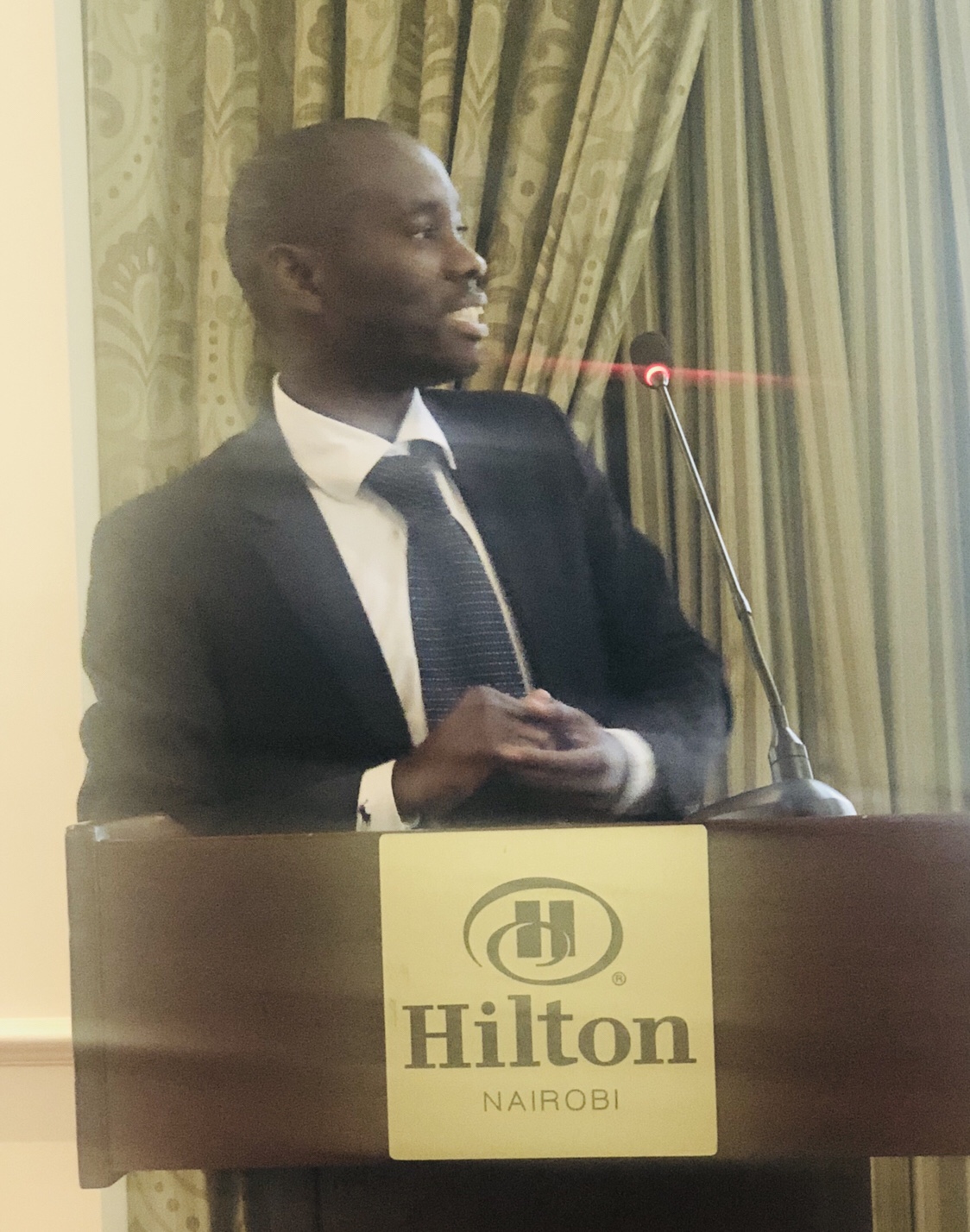
George Lipimile, CEO, COMESA Competition Commission
Dr. Lipimile took up Mr. Kamiti’s “weak African competition culture” point, noting the peculiar regional issue that “between poverty and development lies competition” to enhance consumer welfare.
He took the audience through a brief history of antitrust laws globally, and encouraged journalists to explain the practical benefits of “creating competitive markets” for the population of the COMESA region at large.
He called on Uganda and Nigeria to — finally — enact a competition law. (AAT has independently reported on Uganda and also the EAC’s emphasis on its member nations having operational antitrust regimes. We observe that Uganda does have a draft Competition Bill pending for review; a fellow Ugandan journalist at the conference mentioned that there has been some, undefined, progress made on advancing it in the Ugandan legislature.) Dangote — the vast Nigerian cement conglomerate (see our prior article here) — and Lafarge played exemplary roles in Lipimile’s discourse, in which he commented that “they do not need protecting, they are large”, instead “we need more players” to compete.
Importantly, Dr. Lipimile emphasized that protectionism is anti-competitive, that “competition law must not discriminate,” and that its goal of ensuring competitive market behaviour must not be confused with the objectives of other laws that are more specifically geared to developing certain societal groups or bestow benefits on disadvantaged populations, as these are not the objectives of competition legislation.
The CCC also called on the press to play a more active role in the actual investigation of anti-competitive behaviour, by reporting on bid rigging, unreported M&A activity, suspected cartels (e.g., based on unexplained, joint price hikes in an industry), and the like. These types of media reports may indeed prompt CCC investigations, Lipimile said. Current “market partitioning” investigations mentioned by him include Coca Cola, SABMiller, and Unilever.
He concluded with the — intriguing, yet extremely challenging, in our view — idea of expanding and replicating the COMESA competition model on a full-fledged African scale, possibly involving the African Union as a vehicle.
2018 CCC workshop participants
COMESA Trade perspective
The organisation’s Director of Trade & Commerce, Francis Mangeni, presented the ‘competition-counterpart’ perspective on trade, using the timely example of Kenyan sugar imports, the cartel-like structure supporting them, and the resulting artificially high prices, noting the politically-influenced protectionist importation limitations imposed in Kenya.
Dr. Mangeni opined that the CCC “can and should scale up its operations vigorously” to address all competition-related impediments to free trade in the area.
CCC Mergers
Director of M&A, Mr. Mwemba, updated the conference on the agency’s merger-review developments. He pointed to the agency’s best-of-breed electronic merger filing mechanism (reducing party costs), and the importance of the CCC’s staying abreast of all new antitrust economics tools as well as commercial technologies in order to be able to evaluate new markets and their competitiveness (e.g., online payments).
As Mr. Mwemba rightly pointed out, most transactions “do not raise competition concerns” and those that do can be and often are resolved via constructive discussions and, in some cases, undertakings by the affected companies. In addition, the CCC follows international best practices such as engaging in pre-merger notification talks with the parties, as well as follow-ups with stakeholders in the affected jurisdictions.
Key Statistics
Year-to-date (2018), the 24 notified mergers account for approximately $18 billion in COMESA turnover alone. Leading M&A sectors are banking, finance, energy, construction, and agriculture.
In terms of geographic origination, Kenya, Zambia, and Mauritius are the leading source nations of deal-making parties, with Zimbabwe and Uganda closely following and rounding out the Top-5 country list.
The total number of deals reviewed by the CCC since 2013 amounts to 175 with a total transaction value of US $92 billion, accounting for approximately $73.7 billion in COMESA market revenues alone. (The filing fees derived by the Commission have totaled $27.9 million, of which half is shared with the affected member states.)
All notified deals have received approval thus far. Over 90% of transactions were approved unconditionally. In 15 merger cases, the CCC decided to impose conditions on the approval.
BMW plans to lodge a claim in South Africa for damages against international car-carriers and shipping companies which have been found guilty or have pleaded guilty to competition law contraventions, including Japanese-based Mitsui O.S.K. Lines (“MOL”) and K-Line Shipping South Africa, the local subsidiary of Kawasaki Kisen Kaisha (“K-Line”), Norway’s Wallenius Wilhelmsen Logistics AS (“WWL”) and Nippon Yusen Kabushiki Kaisha (“NYK”). BMW is seeking compensation for the losses it alleges to have suffered as a result of the anti-competitive price-fixing arrangements between the car carriers.
BMW’s case stems from an amnesty application, by which MOL approached the South African Competition Commission (“the Commission”) in terms of its Corporate Leniency Policy (“CLP”), which outlines a process through which the Commission may grant a self-confessing cartel member, who approaches the Commission first, immunity for its participation in cartel activity upon the cartel member fulfilling specific requirements which includes providing information and cooperating fully with the Commission’s investigation. Says John Oxenham, a South African competition lawyer, “if the Commission grants an applicant what is called ‘conditional immunity’, a possible outcome is the complete avoidance of a fine, which could otherwise be calculated at up to 10% of domestic revenues, including exports.” That said, conditional antitrust immunity, does not offer full exoneration from potential other liability in respect of the conduct for which the Competition Commission granted immunity.
It is notable that MOL, NYK and WWL subsequently agreed to cooperate with the Commission in prosecuting K-Line.
On further investigation by the Commission it found that K-Line, MOL, NYK and WWL fixed prices, divided markets and tendered collusively in contravention of section 4(1)(b)(i), (ii) and (iii) of the Competition Act no 89 of 1998 in respect of the roll-on/roll-off (Ro-Ro) ocean transportation of Toyota vehicles from South Africa to Europe, the Mediterranean Coast of North Africa and the Caribbean Islands via Europe, West Africa, East Africa and the Red Sea.
The Commission’s investigation found that from at least 2002 to 2013 K-Line, MOL, NYK and WWL colluded on a tender issued by Toyota SA Motors (“TSAM”) to transport Toyota vehicles from South Africa abroad by sea. The Commission further found that K-Line, MOL, NYK and WWL agreed on the number of vessels that they were to operate on the South Africa to Europe routes at agreed intervals or frequencies.
In addition, the Commission found that K-Line, MOL, NYK and WWL agreed on the freight rates that they were to charge TSAM for the shipment of Toyota vehicles.
International competition authorities including authorities in the US, Canada, Japan, China and Australia investigated this case and, in recent years, imposed large fines on the respective cartelists for engaging in market division and price fixing. In February 2018, Wallenius Wilhelmsen agreed to pay a large fine to the EU. Höegh Autoliners has reportedly been summoned to a court meeting in South Africa in March 2018.
Print media companies Independent Media and Caxton & CTP Publishers and Printers (“Caxton”) have agreed to pay an administrative penalties as well as an amount to the Economic Development Fund of over R8 million as part of two separate settlement agreements with the Competition Commission (“The Commission”) after admitting to fixing prices and trading conditions in contravention of section 4(1)(b)(i) of the Competition Act no. 89 of 1998 (“The Competition Act”).
Caxton owns local print media, including the Citizen newspaper and magazines Bona, Rooirose and Farmer’s Weekly, among others. Independent owns newspapers The Star, Cape Times, Sunday Independent, among others and magazines GQ and GQ Style.
Attorneys from African competition law firm Primerio Ltd. report that this development follows from a 2011 investigation by the Commission into the matter where they found that, through the facilitating vehicle of the Media Credit CoOrdinators (“MCC”) organization, various media companies agreed to offer similar discounts and payment terms to advertising agencies that place advertisements with MCC members. MCC accredited agencies were offered a 16.5% discount, while non-members were offered 15%. In addition, the Commission found that the implicated companies employed services of an intermediary company called Corex to perform risk assessments on advertising agencies for purposes of imposing a settlement discount structure and terms on advertising agencies. “The Commission found that the practices restricted competition among the competing companies as they did not independently determine an element of a price in the form of discount or trading terms”.
In a media release, the Competition Commission confirmed Caxton will pay a fine of R5 806 890.14, and R2 090 480.45 to the Economic Development Fund over three years. It will also provide 25% bonus advertising space for every rand of advertising space bought by qualifying small agencies for three years, capped at R15 000 000 per annum.
Independent Media will pay an administrative penalty of R2 220 603 and will contribute R799 417 to the Economic Development Fund over a three-year period, and provide 25% bonus advertising space for every rand of advertising space bought by qualifying small agencies, over three years and capped at R5 000 000. Independent has also said it would obtain its own credit insurance so small agencies are not required to commit any securities or guarantees in order to book advertising space.
The Economic Development Fund is designed to develop black-owned small media or advertising agencies, which require assistance with start-up capital and will assist black students with bursaries to study media or advertising.
The agreements were confirmed as orders of the Competition Tribunal.
The Competition Commission of Mauritius (CCM) has announced changes to its leniency programme. Though the CCM did have a functioning leniency programme in place since its inception in 2009, the it was often criticised as being inadequate.
Competition lawyer John Oxenham notes that under the existing programme, firms which were found to be cartel ‘initiators’ (an enterprise which has coerced others into a collusive agreement) did not qualify to receive any immunity or other benefit.
John Oxenham
Oxenham believes that this had led to uncertainty and prevented companies from applying for leniency (which required full disclosure of anti-competitive conduct), as firms may be unsure whether or not they would be considered to be ‘instigators’ (and so be disqualified from receiving immunity from prosecution). This meant that firms often had to weigh the risk of being considered an ‘initiator’ against the risk of prosecution to ultimately decide on whether to apply for leniency.
The CCM had previously identified this aspect as a potential area of concern, which led to the temporary special amnesty programmes under which firms who believed themselves to be ‘initiators’ could apply for leniency. This, according to the CCM, led to various successful leniency applications and related prosecutions.
In its media release of 23 January 2018, CCM executive director Deshmuk Kowlessure stated that “[w]ith respect to leniency programmes, we have observed that several advanced competition authorities have adopted leniency for cartel initiators and coercers…” “Likewise, the CCM has taken a step beyond traditional leniency programmes and we are now extending the possibility for initiators or coercers to apply for leniency.”
The recent amendment, therefore, seeks to formalise the CCM’s previous (temporary) amnesty programme for ‘initiators’ by allowing them to approach the CCM for leniency in return for a 50% reduction in the administrative penalty otherwise payable, says fellow Primerio Ltd. antitrust attorney Andreas Stargard. “This level of fine reduction is in line with what the CCM has been offering in the past to leniency applicants who were not ‘first through the door’. Unlike certain other countries, such as the United States, where the Department of Justice offers leniency benefits only to the first successful applicant, Mauritius allows for successive, reduced penalties to subsequent amnesty seekers.”
Corporate leniency policies are widely considered to be the most effective tool in the prosecution of cartel conduct. The CCM’s decision to include ‘initiators’ among those eligible to participate, therefore, not only strengthens its leniency programme but is also a significant step towards the prosecution and enforcement of cartel conduct in Mauritius, as more leniency applications directly imply more prosecutions of fellow cartelists.
Oxenham notes that the inclusion of initiators into the CCM’s official corporate leniency policy is welcomed from a business perspective, as it alleviates the concerns prospective leniency applicants may have previously had: “It will certainly lead to an increase in the amount of leniency applications received by the CCM”.
According the CCM’s media release, its guideline for leniency applicants will be amended accordingly and an explanatory note will be made available on its website in due course.
The South African Competition Tribunal (“the Tribunal”) last week dismissed a complaint referred to it by the Competition Commission (“the Commission”) in 2009 which alleged that two rival cinemas, Primedia’s Ster-Kinekor Theatres and Avusa’s Nu-Metro Entertainment (Pty) Ltd, which operate in the market for the exhibition of films at the V&A Waterfront shopping complex in Cape Town, engaged in market allocation by agreeing not to screen the same film genres in contravention of section 4(1)(b)(ii) of the Competition Act[1].
The Commission initiated the complaint after Avusa applied for conditional immunity and provided evidence of the existence of a settlement agreement, which was made an order of court in 1998, between Nu Metro and Ster-Kinekor. In terms of the settlement agreement, Ster-Kinekor agreed not to exhibit any films identified as “commercial films” and Nu Metro would not exhibit any films identified as “art films” at the V&A waterfront.
The two companies first signed the ‘non-compete’ settlement agreement in May 1998, before section 4 of the Competition Act (which prohibits cartel conduct) became effective. Section 4 of the Competition Act only became effective as at 1 September 1999.
The Tribunal dismissed the complaint on the basis that the settlement agreement was concluded before the Competition Act came into operation and Ster-Kinekor and Nu Metro could only be found guilty of a contravention if there was evidence of actions or discussions between them directed at actually implementing the agreement after the Competition Act came into force.
In this regard cross-examination of witnesses revealed that while leniency applicant Nu Metro had attempted to invoke the settlement once after the Competition Act came into force, Ster-Kinekor employees “did not know about the… agreement, did not implement it, and had not implemented it before”, the Tribunal stated.
The Tribunal did not deal with Primedia’s other defence that no relief could be granted against Primedia because Primedia had only purchased Ster-Kinekor in 2008, so could not be liable for the actions of its predecessor.
John Oxenham, a South African competition lawyer, said that “the case confirms that the Competition Act does not apply retrospectively and some form of understanding or agreement (in essence a “new” agreement) needs to arise between the parties after the Act came into force for the conduct to be unlawful”. He believes that although the Tribunal mentioned that there needs to be some implementation of the agreement after the Competition Act came into force, what they are actually saying or should be saying is that it is not the implementation which is necessary but the arising of a “new” agreement between the parties which is essential.
Section 4(1)(b)(ii) of the Competition Act is a per se offence and an agreement does not need to be implemented in order to contravene the market allocation prohibitions.
Accordingly, the Tribunal has to some extent blurred the distinction between a ‘lack of implementation’ and the duty to distance oneself from a ‘prohibited agreement’.
On 28 January 2018 the Ethiopian Trade Competition and Consumer Protection Authority (“TCCPA”) filed charges against fourteen Ethiopian rebar, corrugated sheet, steel tube and pipe producers and seven rebar importers respectively for allegedly fixing prices in contravention of Article 7(1) of the Ethiopian Trade Competition and Consumer Protection Proclamation (“Article 7(1)”), which provides that “(1) An agreement between or concerted practice by, business persons or a decision by association of business persons in a horizontal relationship shall be prohibited if:…(b) it involves, directly or indirectly, fixing a purchase or selling price or any other trading condition, collusive tendering or dividing markets by allocating customers, suppliers territories or specific types of goods or services”.
It is worth mentioning that in most jurisdictions, which have an active competition law enforcement regime in place, ‘cartel conduct’ (i.e. price fixing, market allocation and/or collusion) is a per se prohibition in that the conduct is prohibited outright, without an examination of the actual effects on competition and without permitting a showing of net efficiency or other pro-competitive defensive arguments.
Where cartel conduct is prohibited per se, the relevant competition authorities require no further proof other than the existence of the agreement or concerted practice which underpins the conduct. The conduct is simply presumed to have negative effects on the relevant market.
Article 7(1) of the TCCPA, however, is not a per se prohibition and is based on the ‘rule-of-reason’ standard – effectively permitting respondents to lead evidence demonstrating that the alleged conduct can be justified by pro-competitive, technology or efficiency gain justifications which outweigh any anti-competitive effect.
From a policy perspective, Africa competition lawyer Michael-James Currie notes that the permissibility of the ‘rule of reason defence’ is largely due to the fact that a respondent who is found to have contravened Article 7(1) of the TCCPA is liable to a penalty calculated at fifteen percent of the respondent’s annual turnover. This is a prescribed penalty. For non-cartel conduct, the penalty ranges between 5-10%.
Of the aforementioned fourteen Ethiopian steel producers; three manufacture reinforcement bars, namely East Steel PLC, Habesha Steel Mills PLC and Saint Nail PLC. Six are involved in manufacturing corrugated sheets namely; Ethiopian Steel Profile, Ethiopian Steel PLC, Kombolcha Steel Products Industry PLC (KOSPI), a subsidiary of MIDROC Technology Group and Bazeto PLC and amongst the five manufacturers of steel tubes and pipes are Walia Steel Industry PLC and Mame Steel PLC.
The seven rebar importers accused of price fixing include Dag Trading PLC, Aberus PLC, Berhe Hagos PLC, Marka Trading, Beranea Yeshene and Haileselassie Amabye PLC.
Andreas Stargard, competition counsel with Primerio Ltd. notes that the trigger event for engaging in the alleged price fixing was the fifteen percent devaluation of the birr by the National Bank of Ethiopia (NBE) in October 2017 which may have influenced retailers and wholesalers to look for ways of recouping losses by raising prices for their goods and services.
It is, however, in fellow Primerio Director John Oxenham’s view, unlikely for a well-executed price-fixing cartel to be created ad hoc without any pre-existing information exchange structure. Therefore, pre-existing trade association, interest groups or other vehicles are commonly used as the enabling platform for competitors to engage in collusive conduct.
The defendants are scheduled to submit their response to the Tribunal on February 20, 2018.
The metal and related products sector is a priority sector in Ethiopia and the Ethiopian government is investigating a greater number of business entities involved in the production and importation of metal and metal related products who are also suspected of allegedly fixing prices.



 PUMA Energy challenged the validity of the search warrant and successfully argued that there was no basis for granting the search warrant. Consequently, the NaCC is obliged to return all documents seized during the raid to PUMA Energies.
 Media
Media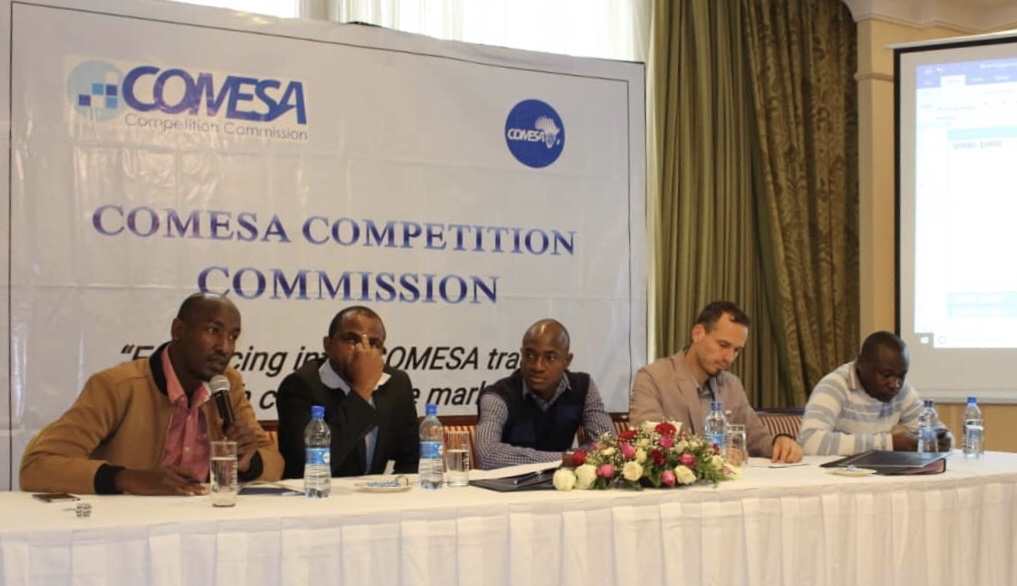 Speakers include a crème de la crème of East African government antitrust enforcement, including the CCC’s own Willard Mwemba (head of M&A), the CCC’s Director Dr. George Lipimile, and the Director and CEO of the Competition Authority of Kenya, Francis Wang’ombe Kariuki. Topics will include news on the rather well-developed area of of mergerenforcement, regional integration & competition policy, as well as the concept of antitrust enforcement by the CCC as to restrictive business practices, an area that has been thus far
 The second event, also held in Nairobi, will shift its focus both in terms of attendees and messaging: It is the CCC’s first-ever competition-law sensitization workshop for the Business Community, to take place on Wednesday. It is, arguably, even more topical than the former, given that the target audience of this workshop are the corporate actors at whom the competition legislation is aimed — invited are not only practicing attorneys, but also Managing Directors, CEOs, company secretaries, and board members of corporations. It is this audience that, in essence, conducts the type of Mergers & Acquisitions and (in some instances) restrictive, anti-competitive business conduct that falls under the jurisdiction of Messrs. Lipimile, Mwemba, and Kariuki as well as their other domestic African counterparts in the region.

 As Mr. Mwemba rightly pointed out, most transactions “do not raise competition concerns” and those that do can be and often are resolved via constructive discussions and, in some cases, undertakings by the affected companies. In addition, the CCC follows international best practices such as engaging in pre-merger notification talks with the parties, as well as follow-ups with stakeholders in the affected jurisdictions.
 BMW’s case stems from an amnesty application, by which MOL approached the South African Competition Commission (“the Commission”) in terms of its Corporate Leniency Policy (“CLP”), which outlines a process through which the Commission may grant a self-confessing cartel member, who approaches the Commission first, immunity for its participation in cartel activity upon the cartel member fulfilling specific requirements which includes providing information and cooperating fully with the Commission’s investigation. Says John Oxenham, a South African competition lawyer, “if the Commission grants an applicant what is called ‘conditional immunity’, a possible outcome is the complete avoidance of a fine, which could otherwise be calculated at up to 10% of domestic revenues, including exports.” That said, conditional antitrust immunity, does not offer full exoneration from potential other liability in respect of the conduct for which the Competition Commission granted immunity.
 Attorneys from
  The Competition Commission of Mauritius (CCM) has announced changes to its leniency programme. Though the CCM did have a functioning leniency programme in place since its inception in 2009, the it was often criticised as being inadequate.
 African Antitrust & Competition Law