South Africa’s Second Price Gouging Case: Dis-Chem Penalised For Excessive Pricing re Face Masks

By Michael-James Currie and John Oxenham

On 14 July 2020, the South African Competition Tribunal published its written reasons in relation to its decision to penalize Dis-Chem (a large pharmaceutical chain in South Africa) for contravening section 8(1)(a) of the Competition Act by charging excessive prices for a variety of surgical face-mask products.

The Tribunal’ latest price gouging decision follows closely on the heels of the Tribunal’s decision in Babelegi, which was the first decision price gouging decision in South Africa during the Covid-19 pandemic (in terms of which the Tribunal also imposed a penalty on Babelegi based on a finding that Babelegi charged excessive prices for face masks during the pandemic). Babelegi was a firm which -pre-Covid 19 had a market share of less than 5%.

Turning to the Dis-Chem case, the price increases at play for three different face-masks were 261%, 43% and 25% respectively, on 9 March 2020 as the Covid-19 pandemic gripped South Africa, but before the Minister of Trade and Industry published the commonly referred to ‘Price Gouging Regulations’ (Regulations). The Regulations, promulgated, on 19 March 2020, essentially place a reverse onus on dominant firms (in relation to a defined list of “essential goods”) to demonstrate why any price increases post the proclamation of the Regulations, which were not directly and proportionally linked to a corresponding cost increase, are not “excessive”.

Although the Competition Commission (SACC) had initially framed its case in terms of the Regulations, the Tribunal confirmed that the Regulations did not apply retroactively. Accordingly, the Tribunal proceeded to analysis the complaint in terms of section 8(1)(a) of the Act read together with the factors set out in section 8(3) of the Act in order to determine whether a price is excessive. This is noteworthy as the principles underpinning the Dis-Chem decision are applicable regardless of whether the Regulations are, or remain in, force and may well apply to cases beyond the Covid-19 pandemic.

In terms of the recently amended Competition Act, an “excessive price” is defined as a price which has “no reasonable relation to the economic value of the product”. If there is a prima facie case of excessive pricing, the onus shifts to the respondent to demonstrate that the price is not excessive.

The Tribunal held that in order to demonstrate an “excessive price”, what the complainant must show is a price which “on the face of it was utterly exorbitant”. The respondent would then need to show that the increase was reasonable.

The crux of the case, however, largely turns on whether Dis-Chem is in fact considered “dominant”. Dominance, generally, is determined with reference to whether a firm is able to exert a substantial degree of “market power”. In terms of South Africa’s Competition Act, a firm is irrebuttably presumed to be dominant if it has market shares in excess of 45%. A firm can still be found to be dominant, however, with market shares less than 45% if it can be established that the firm is able to exert “market power”. “Market power” is specifically defined in the Act as “the power of a firm to control prices or to exclude competition, or to behave to an appreciable extent independently of its competitors, customers or suppliers”.

The Commission argued that defining the relevant market was not necessary. Rather, the fact that Dis-Chem was able to materially increase its prices in the context of a global health crisis independently of its competitors, customers or suppliers, meant that Dis-Chem was able to exert “market power” and was therefore “dominant”.

The Tribunal confirmed that the assessment of “market power” may be conducted with reference to the prevailing market conditions without having to specifically define the market. In essence, the Tribunal asked itself what advantages the global-health crisis conferred to the respondent (in this case Dis-Chem) that it would not enjoy absent the crisis?

At the time of the relevant price increase, the public were encouraged to wear surgical face-masks. The Tribunal rejected, therefore the argument raised by Dis-Chem that cloth face-masks are a suitable substitute. Dis-Chem had argued that barriers to entry were low as face-masks where easy to produce from a supply-side. The product market was broadly defined as the market for surgical face masks.

Turning to the geographic market definition, the Tribunal suggested that the geographic market must be narrowed (based on customers reluctance to travel far during the pandemic) despite Dis-Chem applying a national pricing strategy. The Tribunal ultimately did not define the geographic market. Instead, its assessment essentially refers back to that relating to the tests for market power. In essence, the Tribunal held that because there were concerns among consumers about supply shortages, consumers would not be prepared to “shop around” for better options fearing they may miss out altogether. The Tribunal mentioned that applying the well known “hypothetical monopolist test”, that Dis-Chem would have been able to profitably raise its prices by more than 5% and, therefore, was essentially in its own market (the Tribunal did not define the precise geographic boundaries of the market even though these was evidence put up suggesting that there were many suppliers of surgical face masks within a very small geographic radius of Dis-Chem’s largest outlets). Accordingly, this case was not determined by narrowing the geographic market.

Turning to the economic tests utilized or considered by the Tribunal, the following is summarized:

  1. The relevant “benchmark” price used was the price immediately before the Covid-19 pandemic compared to the prices thereafter.
  2. The relevant complaint period was held to be 1-31 March 2020.
  3. That the empirical evidence assessed pointed to an increase in prices in March (compared to prices prevailing in January and February) without a direct link to cost increases. Consequently, the Tribunal found that the gross-margins increased “exponentially” during the complaint period.
  4. The Tribunal rejected the argument that for multi-product retailers, profit margins ought to be assessed with reference to “net” as opposed to “gross” margins. In other words, the Tribunal precluded any cross-subsidization type defences.

The Tribunal found that had it not been for the surge demand for surgical face-masks as a result of the health crisis posed by Covid-19, Dis-Chem would not have been able to increase the prices to the extent it did. Further, the Tribunal found Dis-Chem enjoyed and exerted market power by substantially increasing its prices and profit margins for face-masks and therefore the SACC had established a prima facie case of excessive pricing which shifted the burden of proof to Dis-Chem to show its price increases were “reasonable”.

In determining whether a price increase is “reasonable”, the Tribunal appears to disfavour any economic assessment to the inquiry. Instead the Tribunal suggests that any price increase (presumably irrespective of the percentage increment) in relation to an item essential for the public’s health is unreasonable. Following the Tribunal’s earlier finding that the price increases were substantial, the Tribunal held that Dis-Chem’s price increases during the pandemic were “utterly unreasonable and reprehensible”.

As an aside, the Tribunal suggests that the price increase of any good in South Africa between 47%-261% would affect the public interest adversely. In the context of a health crisis where those increases related to essential goods, the price increase has a particular impact on poor customers.

Accordingly, the Tribunal found that Dis-Chem had engaged in excessive pricing in contravention of the Act and imposed a penalty of R1.2 million (which was calculated based on approximately twice the turnover which Dis-Chem derived from face-masks during the complaint period).

The Tribunal’s decision in Dis-Chem provides more analysis and considerations to market definition than the case of Babelegi although the central features and findings in both cases are the same. Due to the Covid-19 pandemic, both Dis-Chem and Babelegi charged higher prices to consumer in relation to products considered essential to the health and well-being of the public and because these price increase were nor justified with reference to cost increases, the prices were considered “excessive”.

The Tribunal (as part of its assessment under the geographic market definition analysis) provides an important qualifier to intervening in matters arising from short-term market conditions. In particular, the Tribunal stated that “material price increases of life essential items such as surgical masks, even in the short run, in a health disaster such as the Covid-19 outbreak, warrants our intervention”. This is an important caveat as the Tribunal appears to recognize that intervening in competition law matters based on short term market conditions may have unintended consequences and that ordinarily competition authorities should allow the market to “self-regulate”.

While opportunistic and exploitative behaviour during a time of crisis may indeed warrant scrutiny, one does question whether these decisions fall into the classic “hard cases make bad law” dictum coined by US Supreme Court Justice, OW Holmes.

Different standards of law and economics should not apply to firms simply based on the type of product that they produce or sell. To punish a firm because it supplies essential healthcare products may indeed be a noble public interest objective, but caution must be had to using mechanisms such as the Competition Act to achieve these outcomes if the economic principles and justifications do not stack up.

While the Tribunal was at pains to point out in Dis-Chem that context matters, it is less clear precisely what context matters in excessive pricing cases going forward. Are the market dynamics due to the Covid-19 pandemic an outlier unlikely to repeat itself in history and that the Tribunal’s recent price gouging decisions should be assessed in that context? Or, does the Tribunal’s decision effectively mean that any firm who is able to profitably increase a price by 5% has market power (and is, therefore, dominant) and, therefore, any such price increase (unless linked proportionately to a cost increase) is prima facie excessive? When will the Tribunal intervene in excessive price cases and when will it allow the normal forces of supply and demand and the hallmark features of a dynamic competition to rectify any market abnormalities?

While the Tribunal suggests that a 47% increase and above would be excessive for “any good” in South Africa, the Tribunal does not provide much guidance on where to the draw the line. The Tribunal rejected the US’s guidance which refers to a 10% increase (in the context of a price increase of an essential good). Previously the Competition Appeal Court in the Sasol judgment suggested (without setting a firm benchmark) that a price which is less than 25% more than the economic value of the product cannot be said to be excessive.

While the Tribunal does make cursory mention of the prices of other competitors, the Tribunal seems to err in one important regard. Excessive price cases and indeed the assessment of market power should not be conducted with reference to the overall demand shock in the market but with reference to the firm’s ability to act independently of other competitors in the same prevailing market conditions. A comparison therefore between pre-market shock and post-market shock insofar as the shock applies to the whole market, is somewhat irrelevant.

If the overall demand for face-masks increased and all face-mask suppliers are able to profitably increase their prices for face-masks during the relevant period, it can hardly be said that every face-mask supplier is “dominant” during that period. If all ice-cream suppliers raise their prices in summer versus winter that would clearly not be a result of ice-cream suppliers having market power during the summer months only. The Tribunal’s analysis in Dis-Chem does not seem to answer this issue and in fact lends credence to such an outcome which would clearly not be supported by any credible economic justification.

The Tribunal does not deal with another important aspect relating to principles of supply and demand more generally. The Tribunal recognizes that there were (and are) a shortage of supply for face-masks. It was the shortage of supply (be it actual or potential) which in fact led to “panic buying” and higher demand and therefore higher prices. To suggest that the poorest customers are most likely to be harmed due to price increases following demand shocks is correct. However, all customers (including the poorest) are likely to be harmed if the supply shortage cannot be addressed and is perpetuated by the on-going health crisis. The most sensible way to encourage entry into the supply side market for face-masks is to allow such firms to earn short term profits which it would not otherwise enjoy. Without the upside incentive, new entry into the supply side market is unlikely and the only disciplining safeguard left in the market is quasi-price regulation by the competition authorities. The forces of competition in such instances are, therefore, precluded from being allowed to operate to restore the market to competitive levels. The Tribunal, however, recognizes in the Dis-Chem decision that in certain instances it should in fact play the role of a price regulator.

So where does that leave us? Firstly, it seems very likely that the Dis-Chem decision will be taken on appeal. Until such time as the Tribunal’s decision is altered (if at all), firms selling goods which are considered “essential” in the fight against Covid-19 should take particular cognizance of this decision. Secondly, the price gouging regulations published by the Minister are essentially rendered nugatory by the Tribunal’s approach to excessive pricing cases. Thirdly, regardless of the size of the firm pre-Covid, if a firm is able to increase its prices unilaterally as a result of a demand shock following the Covid health, there is a significant risk that the Tribunal will consider such a firm to possess market power and hence unless such price increase is justified with reference to cost increases, potentially liable to an administrative penalty (and possibly follow-on civil damages).

[About the Authors: John Oxenham and Michael-James Currie are practicing competition law attorneys based in South Africa and advise clients on competition law related matters across most African jurisdictions]


Pandemic Antitrust Exemptions, or: “The Virus Let Me Do It!”

In antitrust circles, the term “Competitor Collaboration” may refer to quite an innocent practice, but is perhaps more often used as a euphemistic reference for good old-fashioned collusion: namely, a cartel by any other name.  Antitrust enforcers around the globe attempt to harness its “good side” during the viral pandemic…

In the COVID-19 world, several competition-law enforcers, including those in the United States and in South Africa, have tried to act swiftly to create express “safe harbours” for certain types of permissible conduct between (otherwise horizontal and direct) competitors.  The goal of these (usually temporary) exemptions from the strictures of antitrust prohibitions against collaboration, information exchanges, and the like, is to enable medical-supply providers to ensure that urgently-needed products and services can be delivered most expediently to the affected areas, patients, and hospitals.

Andreas Stargard
Andreas Stargard

In the United States, notes Andreas Stargard, an antitrust attorney, the COVID-19 pandemic has shown that the federal antitrust agencies are capable of proceeding with speed when it comes to signing off on such allowable “competitor collaborations”, which are in the best interest of facilitating an efficient health-care industry response to the crisis.  The FTC and DOJ are now swiftly, within one week of the submission of a detailed request for review, sanctioning proposed cooperation agreements by firms that would otherwise compete to supply medicines or equipment.  Applicants for a business-review letter (“BRL”) must provide a detailed explanation of the planned conduct, together with its rationale and expected likely effects, to the agencies.

The first of these opinion letters was issued on April 4th, 2020, under the expedited procedure to McKesson, Cardinal Health and others.  It allows them to collaborate on PPE production, following the call for such action by FEMA and other federal agencies, and pursuing the coordinated response under their supervision for a limited time period (namely the duration of the crisis).  What could be deemed anti-competitive effects, such as an undue price increase, output reduction or the like, is expressly excluded from the permissible conduct.

Applying the “same analytical framework” as the DOJ’s approval of the PPE-related collaboration between McKesson, Cardinal Health, Owens & Minor, Medline Industries and Henry Schein Inc., the Department’s Antitrust Division has now issued a second BRL, dated April 20th, to AmeriSource Bergen and others, approving their similarly designed scheme to distribute medicinal products jointly across the country.  AmerisourceBergen sought the agency’s blessing of the proposal pursuant to the expedited review procedure outlined in the March 24th joint FTC and DOJ guidance on health-care providers collaborating on necessary public-health initiatives, in which the dual antitrust enforcers announced their goal to answer COVID-19-related BRL requests within one week of receiving the BRL applicants’ detailed description of the proposed collaborative conduct.

Mr. Stargard counsels that those firms seeking a BRL exemption should consult with a competent antitrust specialist lawyer.  He notes that the federal agencies have expressly invited providers to take advantage of the expedited BRL procedure, which is temporary in nature and only available during the time of the declared COVID-19 pandemic.

In South Africa, the South African Minster of Trade and Industry and Competition (“Minister”) has taken a similar tack, having published Regulations under Section 78 of the South African Competition Act 89 of 1998 (“Competition Act”).  Unlike the U.S., however, these Regulations go well beyond the medical industry.  John Oxenham, a Johannesburg-based competition lawyer, observes that “these Regulations exempt industry players in certain sectors from prosecution for conduct in contravention of Sections 4 and 5, also known as Block Exemptions.”  They also apply to the prohibition of excessive pricing (and ensuring sufficient supply) by firms selling key supplies.  Related to the exemption process in terms of the Competition Act are the powers of the Minister to publish directions under the recent Regulations issued under section 27 (2) of the Disaster Management Act (GN 318 of 18 March 2020). In this regard, Regulation 10(6) provides that the Minister may issue directions to “protect consumers from excessive, unfair, unreasonable or unjust pricing of goods and services during the national state of disaster; and maintain security and availability of the supply of goods and services during the national state of disaster.”

Block Exemptions

John Oxenham
John Oxenham

Block Exemptions have been published by the Minster in terms of section 10(10) of the Competition Act which provides that the Minister may, after consultation with the Competition Commission (SACC), issue regulations in terms of section 78, exempting a category of agreements or practices from the application of sections 4 and 5 of the Competition Act. As at the date of writing, Block Exemptions have been granted to the Healthcare Sector, the Banking Sector and Retail Property Sector.

Health Care Sector

The exemption include a range of industry players, including healthcare facilities, pharmacies, medical suppliers, medical specialist, pathologists and laboratories, and healthcare funders.  The Block Exemption will similarly allow industry players to coordinate on procurement of supplies, transferring equipment and coordinating the use of staff. In effect, the Block Exemption extends and broadens the scope of the exemption enjoyed by the NHN to include state and private healthcare. While this move is certainly a welcome one to ensure that South Africa is able to effectively deal with the spread of COVID-19, its effect on competition in this market will be most interesting. The health care sector, and particularly large private sector players (Private Health Care), has long been in the cross-hairs of the SACC, with many enforcement actions, heavily contested merger control proceedings and most recently, the market inquiry into the private healthcare sector conducted and concluded by the SACC. Concentration and Coordination has been key to the debate. While the Exemptions will apply only for so long as the state of disaster remains in effect, the effects of these measures on the industry is likely to endure for some time and will reform the debate around the future of health care in South Africa.  On the 8th of April the Block Exemption was amended to additionally cater for the following:

(i)         Those agreements which are exempt can only be undertaken at the request of the Department of Trade, Industry and Competition or the Department of Health. Furthermore, either of these departments may impose further conditions on the agreements or practices; and

(ii)        The Exemption now caters for agreements or practices between manufacturers and suppliers of medical and hygiene supplies.

Banking Sector

The Block Exemption published in favour of the Banking Sector is aimed at exempting a category of agreements or practices between Banks, the members of the Banking Association of South Africa and/or Payments Association of South Africa from application of sections 4 and 5 of the Act and promoting cooperation between these industry participants to mitigate damages and to ensure the effective continuance of banking infrastructure. In this regard, industry participants are to coordinate and agree on, inter alia:

operation of payment systems and the continued availability of notes at ATMs, branches and businesses; debtor and credit management to cater for payment holidays and debt relief (including limitations on asset recovery and the extension of further credit terms).

Retail Property Sector

The Block Exemption in respect of the Retail Property Sector applies only to retail landlords and designated retail tenants (required to shut down in terms of the national shut down currently in place) and aims to provide a framework for cooperation between industry participants in respect of payment holidays and rental discounts and limitations on the eviction of tenants. The Block Exemptions also seek to cater for cooperation on limitations to the restrictions placed on tenants to protect their viability during the nation disaster, likely to allow tenants to alter of expand their product or service offerings to fall within the category of businesses or services exempt from the restrictions currently enforced by Government, thereby ensuring alternative income and increased capacity on key products and services.

Hotel Sector

The Exemption granted to hotel industry operators seeks to enable the hotel industry to collectively engage with various Government departments with respect to identifying and providing appropriate quarantine facilities. The Exemption applies to agreements or practices pertaining to the identification and provision of quarantine facilities, and cost reduction measures in providing accommodation for persons in quarantine.

Block Exemptions have not been widely utilised in South Africa. To the extent that the measures introduced by the Block Exemptions are effectively implemented, however, the use and application of the process of exemptions under the Competition Act may become a more prominent feature of the South African competition law process. The nature of emergencies are such that they expedite the implementation of historical process which were otherwise untouched or contested as the counterfactual has changed.

It is already evident that more and more industries affected by the COVID-19 will apply for or be granted block exemptions to ensure that they are able to effectively avert the negative effects associated with disruptions caused to the business and economy. Examples of these include the Grocery Retail and/or Fast Moving Consumable Goods Sectors, Security Sector and more.

Price Regulation

The Pricing Regulations, are published in terms of a combination of the Competition Act, the Consumer Protection Act 61 of 2008 (2008) and the Disaster Management Act (2002) and apply only to the ‘key supplies identified in the Pricing Regulations and will remain in effect only for so long as COVID-19 remains a ‘national disaster’.  Section 8(3)(f) of the Competition Act provides that in determining whether a price is an excessive price (for purposes of section 8(1)),  it must be determined whether that price is higher than a competitive price and whether such difference is unreasonable, determined by taking into account any regulation published by the Minister in terms of Section 78.  In terms of the Pricing Regulations a price will be considered an excessive price for purposes of Section 8(1) of the Competition Act where, during this period of national disaster, a price increase: does not correspond to or is not equivalent to the increase in the costs of providing that goods or service; or increases the net margin or mark-up on that good or service above the average margin or mark-up for that good or service in the three month period prior to 1 March 2020.

Notably, Section 8 applies only to dominant firms.

In addition to the above, the Pricing Regulations contain a similar assessment for the consideration of what is termed unconscionable, unfair, unreasonable and unjust price increases in the Consumer Protection Act. While it is likely that what constitutes an excessive price under the Competition Act will also constitute an unreasonable price increase for purposes of the Consumer Protection Act, the opposite may not be true. The Consumer Protection Act is enforced by a different authority in South Africa and case precedent has been quite limited, compared to the competition authorities.

The Pricing Regulations also cover quantities and the restrictions on sale to maintain equitable distribution and curb stockpiling. No mention is made of the Competition Act or Consumer Protection Act in these paragraphs, although they should also be considered in the broader context of competition policy and what the Pricing Regulations seek to achieve. Although South African competition policy is not ordinarily concerned with discrimination at the final consumer level, in terms of the Pricing Regulations, retailers are effectively required to ration the quantity sold, as the normal economic mechanism, whereby suppliers sell to those parts of the demand curve with a sufficient willingness to pay, is suspended.

The penalty provisions of the Pricing Regulations require prosecution in terms of the underling legislation, being the Competition Act and Consumer Protection Act respectively as these sanctions exceed the powers given to the Minister in the Disaster Management Act. The Pricing Regulations state that subject to the further specific provisions of the respective pieces of legislation, a failure to comply with the Pricing Regulations may attract a fine of up to R1 000 000 and/or a 10% of a firms turnover and imprisonment for a period not exceeding 12 months (depending on the applicable legislation). In terms of the Competition Act, only cartel conduct under section 4(1)(b) attracts criminal liability.

The Minister has recently announced that a number of firms are under investigation for allegedly contravening the provisions of the Competition Act and/or Consumer Protection Act in a manner prohibited by the Pricing Regulations.

The Disaster Management Act provides that the declaration of a national state of disaster can terminate after the expiry of 3 months or upon notice in the Government Gazette by the Minister before the expiry of 3 months. The Minister can nonetheless extend such a period for one month at a time.

Accordingly, the Disaster Management Act offers little certainty on how and when the measures implemented will come to an end.

FREE — Two upcoming Africa-focused telephone seminars

Primerio is hosting two telephone conferences:

Wed. 15 April (9 a.m. Eastern time / 14:00h CET) — on the different standards used for assessing force majeure clauses and other commercial implications relating to COVID-19 issues across key Southern and East African jurisdictions (South Africa, Kenya and Mauritius in particular).
Tue. 21 April (9 a.m. Eastern time / 14:00h CET) — on competition-law developments across Africa.  The panel will discuss the most important legislative developments, enforcement decisions and policy direction to take note of, as well as how the agencies across the continent are responding to COVID-19 related issues.
Attendees are invited to send their questions in advance of the sessions which they would like the diverse panel to consider and address.

There are no registration fees, but please RSVP by clicking here and you will receive the dial-in (& Zoom link) information.

Enforcement Alert: SACC ordered to remedy its complaint referral in 2nd CompuTicket abuse-of-dominance case

By Charl van der Merwe, assisted by Christine Turkington & Gina Lodolo

The South African competition Commission (SACC) has suffered yet another procedural setback- related to the facts pleaded in its referral affidavit – this time, in its ongoing saga with Computicket and Shoprite Checkers, apropos Computicket’s alleged abuse of dominance.

In its initial case against Computicket, which ultimately went to the Competition Appeal Court, SACC succeeded in holding Computicket to account for abuse of dominance in contravention of section 8(d)(i) of the Competition Act (Computicket One). Computicket One was based on the fact that Computicket had entered into exclusive agreements with customers which had the effect of excluding competitors from the market. See exclusive AAT article on Computicket One case here.

The SACC was critical of the conduct of Shoprite Checkers as, in Computicket One, the SACC alleged that the exclusive agreements were entered into between Computicket and Shoprite Checkers shortly after the Computicket was acquired by Shoprite Checkers. Computicket One was based on the agreement entered into for the period 2005 to 2010.

Accordingly and shortly after the conclusion of Computicket One, the SACC referred a second complaint against Computicket for abuse of dominance. The cause of action is substantively similar as that which had been found to be a contravention in Computicket One, however, this time based on the agreements entered into from January 2013 and which are alleged to be ongoing (Computicket Two). In Computicket Two, however, the SACC now seeks to hold Shoprite Checkers jointly and severally liable with Computicket in its capacity as the ultimate parent company of Computicket. Moreover, the SACC appears to seek the imposition of a penalty based on the higher turnover of Shoprite Checkers.

Note that Computicket Two was referred to the Tribunal prior to the enactment of the Competition Amendment Act, which provides for parent companies to be held jointly and severally liable for the conduct of subsidiaries and/or allows for the calculation of an administrative penalty, based on the turnover of the parent company where the parent was aware or ought to have been aware of the conduct of the subsidiary.

The Tribunal, therefore, found the SACC’s referral affidavit to be flawed and lacking of the facts (and points of law) necessary to sustain a cause of action, particularly in so far as it seeks to hold Shoprite Checkers liable. In this regard, the Tribunal expressly held that they view Computicket and Shoprite Checkers as separate economic entities and should thus be treated separately with respect to the allegations made in the Commission’s complaint referral.

The Tribunal went on the emphasize that on the consideration of dominance (which is the statutory first step to an assessment under section 8), “… the Commission conceded that Shoprite Checkers is not active in the market for outsourced ticketing services to inventory providers in which Computicket is active. Unsurprisingly, no market shares attributable to Shoprite Checkers are reflected anywhere in the Commission’s referral. It is simply unclear of what we are to make of the allegations against Shoprite Checkers.”

In order to correct these defects and instead of dismissing SACC’s case, the Tribunal ordered the SACC to file a supplementary affidavit. The Tribunal held that “[g]iven that the Commission’s reliance on the single economic entity doctrine fails and the question of dominance is abundantly opaque, the Commission must rectify its referral to properly reflect and clarify the case against Shoprite Checkers in order for it to meet the case put against it.”

Should the SACC fail to file its supplementary affidavit, within the 30 business days, as order by the Tribunal, Shoprite Checkers and Computicket may approach the Tribunal for an order that the case be dismissed.

John Oxenham, director of Primerio, notes that the Tribunal’s order in allowing the SACC an opportunity to first supplement or amend its referral affidavit is in line with the recent orders of both the Tribunal and Competition Appeal Court to first allow such opportunity for the SACC to remedy its case, instead of ordering an outright dismissal of the case on an interlocutory basis. This is likely to form the precedent for interlocutory applications, even where the facts suggest that the SACC’s case is opportunistic and incapable of being remedied.

According to competition lawyer, Michael-James Currie, the recent orders which have come out of the Tribunal and Competition Appeal Court in interlocutory applications will hopefully have a positive effect on the manner in which cases are referred and prosecuted in South Africa.

The SACC has at times demonstrated a tendency to be overly broad in its complaint referrals, causing respondent firms to engage in costly and time consuming internal investigations to assess the merits of such cases. With the development of the previously underutilized interlocutory processes, respondent firms are now able to, at an early stage of the litigation process, ensure that the SACC sets out its case in a concise manner, substantiated with the requisite factual allegations required to sustain its case, thereby avoiding the unnecessary cost of expansive internal investigations and protracted litigation.


South Africa Competition Tribunal: Regulations published to expedite COVID-19 excessive and unfair pricing complaint referrals

[The editors at AfricanAntitrust wish to thank Jemma Muller and Gina Lodolo for compiling this article]

On 3 April 2020, Minister Ebrahim Patel made amendments to section 27(2) of the Competition Act 89 of 1998 (“the Act”) with regards to the regulations pertaining to the functions of the Competition Tribunal (“the Tribunal”).

The amendment was enacted to regulate complaint referrals for alleged contravention of section 8(1)(a) of the Act which deals with the charging of excessive prices by a dominant firm. The amendment is crucial in light of the current state of affairs, where the charging of excessive prices has become more frequent during the Covid-19 outbreak. Accordingly, the amendment is only applicable for the duration of the period of the declaration of a Natural State of Disaster with regards to COVID-19.

An applicant who wishes to bring a complaint based on an alleged contravention of section 8(1)(a) of the Act, read with the Consumer and Customer Protection Regulations, must file a Notice of Motion and founding affidavit to the Tribunal.

Urgent complaint referral procedure

Who must file the complaint referral?

A complaint referral may be filed by the Commission or a complainant, as soon as possible after the commission has issued a notice of non-referral to that complainant.

Notice of motion requirements

An applicant must allege a contravention of section 8(1)(a), indicate the order sought against the respondent(s) and state the name and and address (electronic or otherwise) of each respondent in respect to whom the order is sought. Applicant’s may also state the date and time on which the applicant wishes the matter to be heard by the Tribunal.

Founding affidavit

The founding affidavit must set out the grounds of urgency and the material points of law and evidence that support the complaint. In addition, the applicant may include confirmatory affidavits from any factual or expert witnesses.

Procedure

The applicant must serve a copy of the Notice of Motion and founding affidavit on each of the respondent(s) named in the Notice of Motion and file a copy of the application with the Tribunal.

The important time periods:

A respondent must serve a copy of their Answering Affidavit on the complainant within 72 hours of service of the complaint referral. Thereafter the person who filed the Complaint referral may serve a copy for their Reply within 24 hours after being served with a copy of the Answering Affidavit.

The Tribunal will then determine the date and time for the hearing of the complaint referral (Tribunal Rules 6,16,17,18,18,47,54 and 55 apply to an application under this Rule unless they pertain to Rules which stipulate time-frames).

These documents may be filed electronically.

Urgent hearing

The Tribunal may direct that the urgent complaint proceedings in terms of the Rules may be conducted wholly as video or audio proceedings.

If no answering affidavit is filed within the period set out in the Notice of Motion or such extended period as may be determined by the Tribunal, the urgent complaint referral may be heard on an unopposed basis.

The Tribunal will determine if there was contravention of section 8(1)(a) of the Act based on the evidence contained in the affidavits unless there is a substantial dispute of fact which cannot be resolved by affidavits. In this case the Tribunal may determine an expedited procedure (which may include oral evidence on an expedited basis by way of video or audio proceedings). The Tribunal may also call for further evidence if it is required (subject to section 55 of the Act).

Remedies

The Tribunal may impose a pricing order if the respondent has been found to contravene section 8(1)(a) of the Act. The respondent may apply to appeal or review the decision on an urgent basis to the Competition Appeal Court (the pricing order will remain in force unless it is set aside by the court on appeal or review).

Consent order

The Commission may at any time (before, during and after and investigation) conclude a consent agreement for a complaint under section 8(1)(a) of the Act and it will be the full and final settlement of the matter  (including settlement of civil proceedings). This consent order may be confirmed by the Tribunal without hearing any evidence.

The amended complaint referral procedures equip complainants with the means in which to assist the competition authorities in penalizing those who have used the prevailing circumstances to exploit consumers, and is thus a commendable and efficient tool invoked by the Minister.


Pepsi / Pioneer deal carefully eyed by East African merger authorities

As reported by AAT here last month, the PepsiCo / Pioneer Foods mega deal has caused the parties to agree to a number of conditions imposed by the South African Competition Commission, despite there being no material overlap between the parties which give rise to any legitimate competition concerns.

Now, COMESA has joined the field, with its Competition Commission likewise reviewing the transaction’s effect on the common market under its jurisdiction, pursuant to Notice 39/2019.  The Competition and Tariff Commission of Zimbabwe will likely provide its confidential input as to the transaction to the CCC.  According to local news outlets, the proposed U.S. $1.7 billion takeover by American conglomerate giant Pepsi has sent Zimbabwean and other local and regional competitors “into panic mode.”

In the specific context of the Zimbabwean non-alcoholic beverage market, local beverage producer Varun Beverages sells Pepsi’s brands and already enjoys significant tax benefits from its “special economic zone” status.  The local competitors’ concern is that, if Varun also obtains the full rights to distribute all of Pioneer’s FMCG products, it will put smaller rivals at a disadvantage.

Taken together with other regional taxation incentives (in Zambia, Varun had temporarily been granted a deferment of value-added tax and excise duty for five years, which was however reversed upon a finding of likely illegality), the impact may indeed affect the competitiveness of Varun’s rivals.  However, it remains to be seen whether the Pepsi/Pioneer deal itself has any material adverse competitive effects overall, as this is the transaction under review after all, comments legal practitioner Andreas Stargard.  “Besides, merger reviews pursuant to established antitrust law concern themselves not with the welfare of competitors, but with the maintenance of overall competition in the total relevant market.  Just because some rival is hurt does not make the deal anti-competitive per se,” says Stargard.  Moreover, there are major competitors still to reckon with, such as Delta brands, which has historically dominated the Zimbabwean market, and only recently lost market share to Varun, which has budgeted US$150 million in investments over the next five years.  “These investments and the increased rivalry between a potentially strengthened Varun and the existing market leader Delta may actually be considered pro-competitive indicators by the competition regulators, such as the CCC and the Zim authorities,” concludes Stargard.

Key African Antitrust Highlights of 2019 and What to Keep Tabs on for 2020

The level of antitrust enforcement across Africa has increased markedly over the past decade and with more jurisdictions coming on stream and establishing competition law regimes, the role of antitrust laws and the risk of non-compliance is becoming more pronounced than ever before.

Pan-African competition lawyer, Michael-James Currie, says that the role and applicable standards relating to competition law enforcement in developing countries is more divergent from those established in the more developed jurisdictions. A one-size fits all approach to competition law compliance is becoming less feasible – particularly as the role of public interest or non-traditional competition law factors are increasingly being taken into account in competition policy and legislation. Likewise, the thresholds for establishing “dominance” is generally lower across many of the African jurisdictions than those generally utilised in the United States or Europe and firms’ therefore need to be mindful that the traditional assessments of welfare (whether it is total welfare or consumer welfare) is not necessarily the benchmark. The focus of addressing perceived high levels of concentration in the market and opening up the market to smaller players is hallmark of a number of the more developed African agencies – particularly South Africa and Kenya.

Primerio Director, John Oxenham, says that the next decade of competition law enforcement in Africa is likely to be particularly important as the continent moves closer towards establishing the African Continental Free Trade Agreement. The harmonisation between regional bodies and domestic regimes remains an important challenges facing many agencies and this will become all the more relevant as member states negotiate an appropriate competition law framework suitable for the Continent.

Africanantitrust has throughout 2019 provided our readers with updates, opinion pieces and articles capturing the key competition law developments across Africa as they occur and our editors are committed to continuing doing so in 2020.

To start off the year, the editors at AfricanAntitrust provide a snapshot of the key highlights of 2019 as well as some of the most important developments to be expected in 2020 (although there will no doubt be many more).

Nigeria’s new Commission and the recent release of foreign merger control guidelines

In January 2019 the Federal Competition and Consumer Protection Act (the “Act”) was signed into law in Nigeria.

Nigeria did not have a dedicated competition law regime until then. The Act, which is not too dissimilar from the South African Competition Act, will regulate inter alia merger control, cartel conduct, restrictive vertical practices and abuse of dominance.

The Act is not currently being enforced as the Federal Competition and Consumer Commission (the “Commission”) is yet to be formally established although this is expected to take place soon.

In relation to mergers, section 2(3)(d) of the Act empowers the Commission to have regulatory oversight over all indirect transfers/ acquisitions of assets or shares which are located outside of Nigeria, and which results in the change of control of a Nigerian business.

Pursuant to the above-mentioned clause, on 13 November 2019, the Commission published the “Guidelines on the Simplified Process for Foreign to Foreign Mergers with a Nigerian Component”. The Guidelines specifies the type of information which is required in respect of the merging parties, as well as the mandatory supporting documentation which should accompany a filing. Furthermore, the Guidelines assist parties to a foreign to foreign merger by providing explicit rules on how the merger is to be treated, notified as well as the simplified procedure with regards to the merger.

Primerio director, Andreas Stargard notes that the implementation of the Guidelines will be interesting as the Guidelines are the first of its kind in Africa and is largely influenced by the European merger control regime.

The Guidelines also provide information regarding filing fees – although the calculation of filing fees remains somewhat unclear and requires further clarification.

Kenya’s Buyer Power Provisions

In Kenya, the Competition Amendment Act (the Amendment Act) has provided a new provision, Section 24A, which deals with buyer power.

Abusive “buyer power” is now expressly prohibited and any person who engages in such conduct will be considered to have committed an offence. Such an offence carries the penalty of a fine not exceeding 10 million shillings or imprisonment not exceeding 5 years. The abuse of buyer power is, therefore, viewed as a serious offence.

The “abuse of buyer power” is defined in Section 24A (2) of the Amendment Act as the influence exercised by a purchaser to gain more favourable terms, or imposing:

long-term opportunity cost including harm or withheld benefit, which, if carried out, would be significantly disproportionate to any resulting long term cost to the undertaking or group of undertakings”.

In determining whether an abuse of buyer power exists, the Authority will take into account;

  • the nature and determination of contract terms between the concerned undertakings;
  • the payment requested for access to infrastructure; and
  • the price paid to suppliers as stated in section 24A (5) of the Amendment Act.

The above mentioned provision will likely have the effect of affording suppliers greater protection, particularly small suppliers who have a weak bargaining power in comparison to powerful and dominant purchasers. It is furthermore important to protect such suppliers as the negative effects of the abuse of buyer power are often transferred to consumers, for example high prices.

Most notably, as Michael-James Currie has previously pointed out when critically assessing the new buyer power provisions, it is not a prerequisite to prove that the respondent is “dominant” before the provisions of section 24A(2) may be applicable. Rather, the provision considers the bargaining power between a particular supplier and customer. This provision may be particularly harmful to consumer welfare if suppliers who negotiate favourable prices with suppliers which are passed on to consumers, are deterred from doing so due to the risks associated with contravening this provision.

Recent amendments in the Botswana competition landscape

The Botswana Competition Amendment Act recently came into force on 2 December 2019, and is expected to transform competition law in Botswana in various respects, particularly in terms of horizontal restrictive practices, abuse of dominance, exemptions and merger penalties.

Oxenham says that the previous Act did not provide for criminal liability in respect of cartel conduct, however, under Section 26 of the Amendment Act this position has changed. In terms of the Amendment Act, any director or employee who is found to have engaged in restrictive horizontal practices is liable to a fine not exceeding P100 000 or to a term of imprisonment not exceeding five years or to both.

With respect to abuse of dominance, the Act previously did not list particular conduct that was considered to be an abuse of dominance. The Amendment Act provides clarity on the type of conduct that is likely to be considered abusive. The clarification is welcomed and will hopefully ensure greater compliance since undertakings now have the tools to foster a better understanding of what constitutes abuse of dominance and are better placed to ensure that their conduct does not fall foul of the prohibition.

The Amendment Act also caters for exemptions. The terms and conditions of any exemptions will be determined by the Authority who will take both competition law and public interest factors into account when assessing whether to grant an exemption.

In relation to penalties for gun-jumping (i.e. merger implementation prior to approval), the Amendment Act provides much needed clarity. Section 58(3) of the Acts states that implementing a merger without prior approval by the Authority will attract a fine not exceeding 10% of the consideration or the combined turnover of the parties involved in the merger – whichever is greater. Merging parties are, therefore, advised to ensure timeous notification is made in respect of any merger which meets the thresholds for a mandatory filing to seek merger approval in Botswana.

The Amendment Act has also introduced a provision regarding the consideration of a rejected merger.  Parties can apply for reconsideration of a merger within 14 days from the date of rejection. Such a provision provides the parties with an additional opportunity to provide oral evidence which is also a positive development.

Angola’s competition regime coming on stream

The Competition Act in Angola is now fully in force. The Competition Regulatory Authority (the “CRA”) is responsible for prosecuting offences. Conduct which occurred prior to the establishment of the Authority may still be prosecuted in certain circumstances.

The Competition Act prohibits both horizontal and vertical agreements that restrict competition in the Angolan market. Accordingly, undertakings have to be cautious in relation to the types of agreements they enter into as it may result in liability and prosecution by the CRA. The Act does however provide for exemptions from the prohibitions with the exception of abuse of dominance and abuse of economic dependence. Exemptions are only available upon application and the parties must demonstrate that they comply with certain conditions in order to be granted an exemption.

Importantly, Angola’s Competition Act creates a formal merger control regime. Mergers will now be subject to prior notification to the CRA and they have to meet certain specified requirements. The thresholds requiring prior notification are the following:

  • the creation, acquisition or reinforcement of a market share which is equal to or higher than 50% in the domestic market or a substantial part of it; or
  • the parties involved in the concentration exceeded a combined turnover in Angola of 3.5 billion Kwanzas in the preceding financial year; or
  • the creation, acquisition or reinforcement of a market share which is equal to or higher than 30%, but less than 50% in the relevant domestic market or a substantial part of it, if two or more of the undertakings achieved more than 450 million Kwanzas individual turnover in the preceding financial year.

Mergers must not hamper competition and must be consistent with public interest considerations such as:

  • a particular economic sector or region;
  • the relevant employment level;
  • the ability of small or historically disadvantaged enterprises to become competitive; or
  • the capability of the industry in Angola to compete internationally.

The sanctions for non-compliance with the Act’s merger provisions could result in the impositions of fines of 1%-10% of a company’s turnover for the preceding year, as well as other conditions which the Authority deems appropriate. Should a party fail to comply with relevant sanctions or conditions imposed by the Authority or provide with false information, the Authority may levy periodic penalty payments of up to 10% of the merging party’s average turnover daily.

South Africa

  • Amendment Act

In February 2019, the Competition Amendment Act was signed into law and is widely regarded as the most significant amendments to the South African Competition Act in two decades.

The majority of the provisions contained in the Amendment Act have been brought into force. Those amendments – particularly those relating to buyer power, price discrimination and national security approval regarding foreign mergers are expected to be brought into effect in 2020.

Some important aspects of the Amendment Act include:Mergers involving foreign acquiring firms :

The President is to establish a Committee which will be mandated to consider the implementation of mergers which involve a foreign acquiring firm and the potential adverse effect of the merger on the national security interests of the Republic. Essentially this means that a foreign acquiring firm is required to notify both the Competition Commission, as well as file a notice with the Committee. Security interests are broadly defined.

Buyer power

The insertion of Section 8(4)(a) essentially prohibits a dominant firm from requiring or imposing unfair prices or other trading conditions on a supplier that is a small and medium business (“SMEs”) or a firm controlled or owned by historically disadvantaged persons (“HDPs”). This section also introduces a reverse onus on the dominant firm to prove that its trading terms or conditions are not unfair nor that there has been any attempt to refuse to deal with a supplier in order to circumvent the operation of this clause.

The regulations regarding Buyer Power are currently only applicable to the following sectors:

  • Agro-processing;
  • Grocery retail; and
  • Online intermediation services.

Price discrimination

In determining price discrimination by a dominant firm, the Amendment Act has created two parallel self-standing tests. The Act has retained the traditional test for price discrimination which requires proof of a substantial lessening of competition, but has also prohibited a dominant firm from engaging in price discrimination which impedes the ability of Small or Medium Enterprises (“SMEs”) or firms controlled by historically disadvantaged persons (HDPs) from “participating effectively” in the market. Dominant firms are also not allowed to avoid or refuse selling goods or services to SMEs or firms owned or controlled by HDPs to circumvent the section. Significantly, and unlike the traditional price discrimination provision, Section 9(1)(a)(ii) does not require a complainant to prove any anti-competitive effects or consumer welfare effects.

Penalties

The Amendment Act has removed the “yellow-card” principle and administrative penalties will be imposed for any contravention. Previously, penalties for first-time offences were only applicable to cartel conduct, minimum resale price maintenance and certain abuse of dominance conduct (such as excessive pricing or predation).

Mergers

The role of public interest factors in the merger control assessment has become more prominent by firstly elevating the standard of public interest factors to equal footing with traditional competition law factors (i.e. SLC tests) and also broadening the public interest grounds which must be taken into consideration to specifically include transformation objectives.

  • Important cases

In December 2019, the South African Competition Appeal Court heard the appeal from the Tribunal in relation to the “Banking Forex” Matter.

Oxenham says that this case raises a number of jurisdictional issues in relation to the scope and powers of the South African Competition Authorities to impose penalties on foreign firms for engaging in cartel conduct outside of South Africa. Both personal jurisdiction and subject matter jurisdiction is being contested.

  • Market Inquiries

In 2019, the Commission fully utilized its powers in Section 43A-G and 23 in initiating and conducting market inquiries as well as its duty to remedy adverse effects on competition. Three market inquiries were conducted in 2019, namely:

  • The Health Market Inquiry;
  • The Grocery Retail Market Inquiry; and
  • The Data Services Market Inquiry

The implementation of the Commission’s recommendations of the abovementioned market inquiries will likely be a controversial topic, and much push-back is expected from parties implicated in the recommendations.

 

Egyptian taxi saga: antitrust watchdog reverses course on $3.1 billion Uber acquisition

COMESA Competition Commission: 2019 Regional Sensitization Workshop

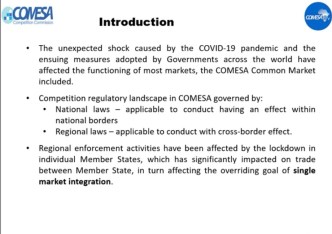
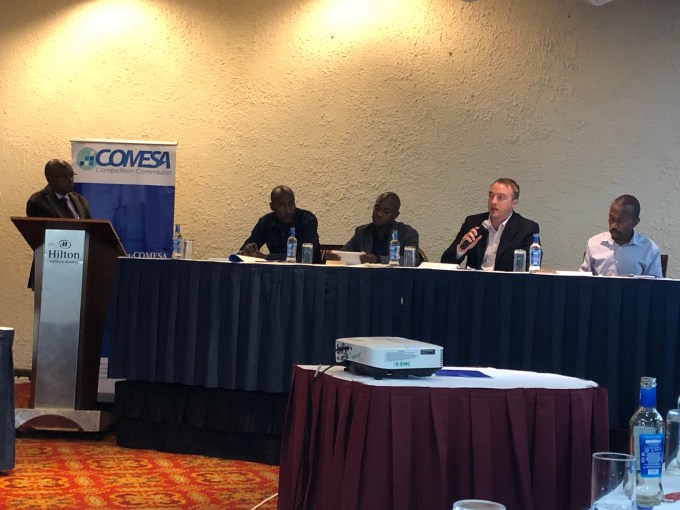
On 9-10 September 2019, the Comesa Competition Commission (CCC) hosted its 6th  “Regional Sensitization Workshop for Business Reporters on Competition Law and Trade Developments within the Common Market” workshop in Nairobi, Kenya as part of its advocacy initiative to promote competition law and enforcement activities across the COMESA region.

AfricanAntitrust, having attended last year’s event, was again invited to attend the event and senior contributor and competition lawyer, Michael-James Currie, attended the event on behalf of AAT and participated in a serious of panel discussions and informal interactive sessions with members of the CCC and Competition Authority of Kenya.

Attendees

The workshop was well attended with a year on year increase in attendees reflecting the importance and popularity of this initiative. The CCC should be congratulated on a well organized and structured workshop.

Patrick Okilangole, Board Chairperson of the CCC, opened the event by highlighting the importance of competitive domestic markets to  “realize the benefits of trade; multilateral and bilateral trade agreements recognize the need to guarantee that restrictive business practices do not hinder the positive effects of free trade”.

Protectionist policies was identified by Okilangole as one of the key impediments to effective regional growth and trade. More specifically, Okilangole highlighted the following consequences of protectionist policies:

“(i)     Ineffective competition policy frameworks. Over the past few years, competition law has been enacted in several Member States of the Common Market. However, in some countries, competition frameworks have included:

(ii)      unjustified and discretionary exemptions, for example, utilities managed by the state in key economic sectors,

(iii)     lack of sufficient investigative powers and tools in the current national and regional legislation to deter anticompetitive behaviour,

(iv)    lack of independency in decision making since competition agencies report to and their decisions may be vetoed by a ministry, and

(v)     significant government intervention in markets such as price controls in potentially competitive markets, controlling essential products, margins, and geographic areas.”

Okilangole reaffirmed the true hallmark of an effective competition law regime, namely that competition law should be focused on protecting the competitive process and not a particular competitor. “The rules are not meant to punish large companies on account of their size or commercial success. The key feature of the competition rules is to create a level playing field for all business players in the market.”

Okilangole’s remarks were echoed by the Chief Executive Officer of the CCC, George Lipimile who emphasised the need to move away from protectionist policies in order to realise the benefits that flow from increased regional trade.

Restrictive business practices, particularly abuse of dominance practices and collusion were identified by Lipimile as being particularly prevalent within COMESA and that increased enforcement activities are required, both by the CCC and regional agencies, to detect and prosecute anti-competitive behaviour.

The workshop was also used as an opportunity to present and engage on the CCC’s Guidelines on Restrictive Business Practices (which were approved in April 2019). The objective of the Guidelines is to provide greater clarity, predictability and transparency in relation to the analytical framework which will be used to evaluate alleged anti-competitive conduct. The Guidelines also provide greater guidance on the process and circumstances in which the CCC may grant exemptions.

The CCC was well represented (so to was the CAK) and senior investigators, analysts and members from the executive team provided useful insights into the enforcement activities of the CCC as well as what lay ahead in the pipeline. Attendees were invited to engage, debate and where appropriate raise concerns regarding the efficacy of competition law enforcement in COMESA. It is this willingness to be open and engage proactively with constructive criticism which is perhaps the hallmark of this CCC initiative and certainly welcomed by the attendees.

As to enforcement updates, the CCC put together comprehensive presentations both in relation to merger control and restrictive business practices more generally. We highlight some of the more noteworthy developments below.

Merger Control

Willard Mwemba, manager of mergers and acquisitions at the CCC, confirmed that over 230 transactions have been notified to the CCC between 2013 and July 2019. Of these, 17 were approved subject to conditions.

From a merger trend perspective, the CCC witnessed an increased shift in merger notifications in traditional sectors, such as agriculture and construction, to emerging sectors such as energy, banking and financial services with the most active member states including Kenya, Zambia, Mauritius, Zimbabwe and Uganda.

As to merger activity in COMESA, Mwemba confirmed that there has been a decrease in merger activity in the first half of 2019, largely as a result of a decrease in global activity and that the value of transactions that occurred within the first half of 2019 dropped from USD 527 billion to USD 319 billion for the same period in 2018. This is also consistent with the 19% decrease in the number of notifiable transactions globally.

The combined total turnover value of all mergers assessed by the CCC to date amounts to over USD 110 billion. Although 2019 figures were not presented, the CCC highlighted that total Foreign Direct Investment in COMESA grew in 2016 from USD 18.6 billion to USD 19.3 billion in 2017 representing nearly half of Africa’s total FDI inflows. Again, highlighting the significance of the COMESA market in the global space.

Enforcement Activities

Although the CCC has had an active merger control regime in place for many years, a number of commentators have raised the lack of robustly investigated and prosecuted abuse of dominance or cartel cases as a key hindrance to effective competition law enforcement in COMESA. While the CCC acknowledges that more should be done in this regard, below is a list of non-merger matters which the CCC has concluded in past three years:

Exemptions

Matter Sector Affected Member States
Assessment of the supply agreement between Eveready East Africa Limited and Supreme Imports Limited Lighting bulbs Burundi, DRC, Ethiopia, Kenya, Malawi, Rwanda, Sudan, Uganda, Zambia
Assessment of the supply agreement between Eveready East Africa Limited and Sayyed Engineers Limited Writing implements East Africa
Assessment of the supply agreement between Eveready East Africa Limited and Chloride Egypt SAE Automotive Batteries Burundi, DRC, Ethiopia, Kenya, Rwanda, Uganda
Assessment of the Distribution Agreement between John Deere (Proprietary) Limited and AFGRI Zimbabwe Private Limited Agriculture Equipment Zimbabwe
Assessment of the Distribution Agreement between the Wirtgen Group and the Motor Engineering Company of Ethiopia Agriculture and Construction Equipment Ethiopia
Assessment of the Distribution Agreement between the Wirtgen Group and UMCL Limited Agriculture and Construction Equipment Comoros, Mauritius, Seychelles
Assessment of the Distribution Agreement between the Wirtgen Group and Sodirex SA, Madagascar Road Construction Machinery Madagascar
Application for the Joint Venture Agreement between Kenya Airways PLC, Koninklijke Luchvaart Maatscahppij NV (KLM) and Societe Air France SA Aviation Kenya
Assessment of the distribution agreements between Unilever Market Development (Pty) Limited and Distributors in the Common Market  FMCGs DRC, Madagascar, Mauritius,

Determination of Anti-Competitive Conduct: Procedure of Commission on its own volition

Matter Sector Affected Member States
Investigation into the Distribution Agreements entered into between Eveready East Africa Limited and Clorox Sub Saharan Africa Bleaching agents East Africa
Investigation into the Distribution Agreements entered into between Parmalat SA (Pty) Limited and its Distributors Milk and dairy products Eswatini, Malawi, Zambia and Zimbabwe
Investigation into the Distribution Agreements between Coca-Cola Beverages Africa and Distributors in the Common Market Non-alcoholic beverages Comoros, Ethiopia, Uganda

False or Misleading Representation 

Matter Sector Affected Member States
Misleading Advertising by Fastjet Airlines Limited Aviation Kenya, Uganda, Zambia, Zimbabwe

The CCC also confirmed that they are currently conducting a number of market screening initiatives across priority sectors. Following the conclusion of these screening exercises, the CCC will decide whether to prosecute any firms engaged in restrictive business practices.

As part of the CCC’s efforts in detecting and investigating anti-competitive behavior, the CCC has increased its collaborative efforts with domestic member agencies and has established the “Restrictive Business Practices Network” to increase the efficacy of cross-border cases.

Currie Panel Discussion

[Michael-James Currie speaking on a panel discussion on “How to improve the quality of reporting on regional integration and competition law related matters” facilitated by Mr Mwangi Gakunga from the Competition Authority of Kenya]

Conclusion

In light of the tripartite negotiations between SADC-EAC-COMESA as well as the negotiation of competition policy in terms of the African Continental Free Trade Agreement, it is imperative that the CCC develops an effective competition enforcement regime which assists and incentivizes free trade across the relevant markets. To do so, the CCC must be equipped with the necessary resources to ensure that it has the capacity to effectively execute its policies.

Despite the significant challenges faced by the CCC, it is encouraging to note that the CCC is taking a more robust approach to detecting and prosecuting anti-competitive practices in the COMESA market and are endeavoring to do so in accordance with international best practices.

If the CCC is able to deliver on the objectives and action items which were discussed in detail at the workshop, then there is every reasons to look forward to a more active CCC in the months to come with interesting cases likely to be brought to the fore.


Kenyan Competition Watchdog suspends Telkom Kenya / Airtel deal

Multiple regulatory agencies, competitor complaints and public interest concerns has posed a significant impediment to the proposed merger between Telkom Kenya and Airtel.

The Competition Authority of Kenya (CAK) recently announced that the Kenyan Ethics and Anti-Corruption Commission (EACC) is investigating Telkom Kenya amidst allegations of corruption in relation to historic transactions which gave rise to the current shareholding in Telkom Kenya.

The CAK’s decision to suspend the assessment of the merger was announced approximately a week after the Communications Authority of Kenya also suspended its assessment of the transaction pending the outcome of the EACC’s investigation.

The Communications Authority’s investigation will likely include an assessment of a complaint filed with the agency by Safaricom, a competitor to the merging parties.

Furthermore, the deal was also opposed by certain Telkom employees, ostensibly on the basis that their jobs were at risk should the deal go ahead.

Accordingly, the parties appear to have a long road ahead of them before clearance to implement the deal is granted.

The proposed transaction has no doubt attracted an additional degree of scrutiny as the telecom sector in Kenya is a significant market and there have been a number of disputes regarding the CAK’s jurisdiction to assess anti-competitive conduct, particularly abuse of dominance conduct, in this sector. A study into the telecom sector prepared by the Communications Authority was presented to Parliament in 2018. The CAK objected to the findings and remedial actions contained in the report which the CAK argued would amount to “price regulating” by the Communications Authority. Instead, the CAK urged the Communications Authority to focus rather on features of the market which raise barriers to entry or preclude effective competition between competitors.

While Parliament has, as far back as 2015, urged the Communications Authority to consult the CAK before making any determination regarding a telecom service providers’ “dominance”, subsequent litigation led to a High Court ruling in 2017 which confirmed that the Communications Authority’s powers vis-à-vis competition related matters remain vested exclusively with the Communications Authority.

The concurrent jurisdiction between the CAK and the Communication’s Authority has created somewhat of an enforcement discord – at least in so far as assessing abuse of dominance cases are concerned.

The fact that both the CAK and the Communications Authority have decided to suspend their assessments of the proposed merger following the outcome of the EACC’s investigation suggests that the outcome of the EACC’s investigation is relevant to both the CAK and Communication Authority analysis of the proposed transaction. This in turn, seemingly appears that there is at least an overlap in relation to the key issues under assessment by the respective agencies. Assuming there is indeed an overlap between the CAK and the Communication Authority’s assessment of the proposed transaction that naturally raises the risk of having two agencies come to different conclusions based on the same facts.

Telkom Kenya, however, remain confident that the merger will ultimately be cleared by all regulators.

Telkom Kenya have indicated that the merger will have significant pro-competitive and pro-public interest benefits which will have a positive impact on employees (and the market more generally). Whether the CAK conducts a comprehensive assessment between the short term negative impact on employment versus long term positive impact remains to be seen.

Assuming the proposed deal does not raise any traditional competition issues, it cannot therefore be ruled out that the transaction will be approved subject to public interest related conditions regarding retrenchments and/or re-employment obligations.

Whatever decision is ultimately reached, one hopes that the authorities will publish detailed reasons based on a robust assessment of the evidence in order to provide greater objectivity and transparency as to the analysis which is undertaken by the CAK when analyzing a merger – both from a competition and public interest perspective.

The CAK has in the past number of years have made significant positive strides forward in this regard and is deserved of the recognition it receives as one of the most active and robust competition authorities in Africa.

[Michael-James Currie is senior contributor to AAT and a practicing competition lawyer who has assisted clients with competition law related matters in multiple jurisdictions across Africa]