On 13 January 2026, the newly renamed COMESA Competition and Consumer Commission (“CCCC”) issued its Practice Note 1 of 2026 (“Practice Note”), which is intended to provide legal clarification for businesses and legal communities regarding the newly approved COMESA Competition and Consumer Protection Regulations of 2025 (“2025 Regulations”).
By addressing common points of confusion, such as clarification on the commencement of the 2025 Regulations, merger thresholds in respect of transactions in digital markets, and the CCCC’s ability to grant derogations from its suspensory regime, the CCCC aims to ensure a uniform interpretation and a smooth transition to the 2025 Regulations and new suspensory merger regime.
The effective date and “in-flight” transactions
One of the main objectives of the practice note was to correct a previous administrative error regarding the implementation date of the new regime. The CCCC clarified that the effective date of the 2025 Regulations is 4 December 2025, the same date the 2025 Regulations were approved by the COMESA Council of Ministers.
For merger transactions signed shortly before the enforcement of the 2025 Regulations, but were not yet notified or closed, the CCCC has set a clear boundary stating that any matter not under assessment by the CCCC by 4December 2025 will be governed by the 2025 Regulations. Contrarily, any matters instituted before 4 December 2025 and currently under the CCCC’s review will continue to be managed under the repealed 2004 Regulations to ensure procedural continuity.
Strict adherence to the new suspensory regime
The Practice Note emphasises and enforces the CCCC’s new suspensory regime, requiring notifiable transactions to be approved by the CCCC before they may be implemented.
While the 2025 Regulations allow for derogations where parties may apply to implement transactions prior to obtaining approval, the CCCC emphasises that such derogations will be granted sparingly and only in exceptional circumstances.
The CCCC, however, clarifies that while there is no longer a deadline by which a transaction must be notified to the CCCC, there are no derogations afforded to the notification requirements themselves. This ensures that all notifiable mergers must be notified prior to implementation.
Transactions in digital markets
To ensure the CCCC keeps pace with the rapid development of antitrust enforcement in digital markets, the 2025 Regulations have introduced a specific digital-transaction value threshold in an attempt to regulate big tech.
Under the 2025 Regulations, a transaction involved in digital markets is required to be notified should:
the worldwide value of the transaction reaches over COM$250 million (US$250 million); and
at least one party operates in two or more Member States.
Notification requirements in respect of Joint Ventures
When considering the notification requirements and thresholds in respect of a joint venture (“JV”), the CCCC has emphasised that the 2025 Regulations will only apply to JVs that have the intention of performing on a lasting basis all the functions of an autonomous economic entity (commonly referred to as full-function JVs).
A keynote emphasised by the Practice Note is the definition of a “lasting basis”, emphasising that a JV is not subject to notification if the parties to the JV do not have the intention of operating within the COMESA region within the next three years or, once established, operating for a period of three years or more.
Extension of merger assessments to non-competition factors
Although the CCCC considers public interest factors under the 2025 Regulations, the Practice Note has clarified that the competition concerns of a transaction carry the most weight in its investigation.
The CCCC priorities ensure that in the future, it is unlikely for the Commission to reject a co-competitive merger based on negative public interest. This is just as a merger that may significantly lessen a competitive market will not be more heavily considered based on the benefits of the public interest.
John Oxenham, director at Primerio International, notes that “ultimately, while the effects of the 2025 Regulations and Practice Note remain to be seen in practice, the Practice Note acts as a helpful road map for navigating the new aspects of the 2025 Regulations.” His colleague Andreas Stargard observes that the latest Practice Note is “not substantive in any significant way, but truly sticks to the theme of mere ‘clarification’ of the existing new 2025 Regs. Deadlines and time calculations are explained in more detail than in the statute — but not altered — and value thresholds for digital transactions are clarified (again, without substantively modifying the text as found in the new law). They are basic practice pointers, no more and no less.”
The South African Competition Tribunal (“Tribunal”) recently handed down its reasons in the X-Moor Transport case, granting absolution from the instance in favour of X-Moor Transport t/a Crossmoor Transport (Pty) Ltd (“Crossmoor”) and dismissing the South African Competition Commission’s (“Commission”) complaint referral at the close of its case.
The Tribunal’s decision, issued on 25 June 2025, provides important guidance on the evidentiary threshold required to establish collusive tendering prohibited under section 4(1)(b) of the South African Competition Act 89 of 1998 (as amended (“Act”), particularly where the Commission relies exclusively on circumstantial evidence and inferences drawn from parallel pricing.
Background to the Complaint
The matter arose from a tender issued in October 2012 by Pikitup SOC Ltd (“Pikitup”) for the supply, operation, and maintenance of plant and equipment at designated landfill sites and depots in Johannesburg. The tender covered a three-year period and closed on 12 November 2012.
During the evaluation process, Pikitup identified several similarities between the tenders submitted by Casalinga Investments CC t/a Waste Rite (“Waste Rite”) and Crossmoor, including:
nearly identical overall bid prices of R350 million and R351 million; [1]
fixed costs that were identical to the cent across multiple line items and years; [2]
tender documents that appeared to have been printed and bound by the same service provider;[3] and
similarities in the manner in which the bids were completed and signed.[4]
Following a forensic investigation by Gobodo Forensic Investigative Accounting, Pikitup referred the matter to the Commission.[5] The Commission subsequently alleged that Waste Rite and Crossmoor had engaged in collusive tendering and price fixing in contravention of sections 4(1)(b)(i) and (iii) of the Act.[6]
Waste Rite settled with the Commission in 2018, admitting liability. Crossmoor did not settle, and the matter proceeded to a contested hearing before the Tribunal in April 2025.
The Commission’s Case
The Commission argued that that the respondents were competitors in the market for waste management and that the similarities between their tenders could only be explained by an agreement to collude.
The Commission called a single witness, Ms Christa Venter, a former Chief Operations Officer of Pikitup and a member of the Bid Adjudication Committee. Ms Venter gave detailed evidence on the tender process and explained why, in her view, it was highly improbable for two independent bidders to arrive at identical fixed pricing across numerous items, given the variability inherent in fuel costs, maintenance, fleet age, tyre usage, operator wages and operating conditions at landfill sites.
Notably, the Commission did not call any witnesses from Waste Rite, despite Waste Rite having settled and undertaken to cooperate with the Commission. Witness statements contained in the record from Waste Rite representatives did not support the Commission’s theory of a bilateral agreement and instead suggested a unilateral copying of Crossmoor’s pricing (i.e., without any bilateral agreement or understanding to price the same).
Application for Absolution from the Instance
At the close of the Commission’s case, Crossmoor applied for absolution from the instance. The Tribunal was then required to determine whether there was evidence upon which it could reasonably find that:
an agreement or concerted practice had been concluded between Crossmoor and Waste Rite; and
the similarities in pricing constituted collusive conduct prohibited by section 4(1)(b).
While acknowledging that the threshold for resisting absolution is low, the Tribunal emphasised that the Commission was nevertheless required to establish a prima facie case on every element of the alleged contravention.
Key Findings
The Tribunal made the following key findings.
No evidence of an agreement
The Tribunal found that the Commission had led no direct evidence of an agreement, arrangement or understanding between Crossmoor and Waste Rite. While the Act defines an “agreement” broadly, it nevertheless requires consensus between firms.
The Tribunal held that identical or near-identical pricing may give rise to suspicion, but it does not, without more, establish that consensus was reached. The Tribunal identified several possible explanations for the similarities, including unilateral copying by one party, and noted that the Commission’s own witness statements undermined the inference of a bilateral agreement.
Importantly, the Tribunal rejected the Commission’s invitation to speculate that cross-examination of Crossmoor’s witnesses might later yield evidence of collusion. Absolution could not be refused on the basis of conjecture or the hope that a case might be made later.
Parallel pricing and “plus factors”
The Tribunal reaffirmed that parallel pricing is not per se unlawful and requires “plus factors” to justify an inference of collusion. While the Commission argued that the similarities in tender presentation and pricing constituted such factors, the Tribunal found that these commonalities were capable of innocent explanation and did not establish conscious parallelism on the part of Crossmoor.
The Tribunal emphasised that while the pricing similarities were unusual, there was no evidence that they were the result of an agreement, and that alone was not enough.
Impact of the Judgement – our insights
The Competition Tribunal granted absolution from the instance in favour of Crossmoor and dismissed the Commission’s case at the close of its evidence. The Tribunal clarified, however, that the Commission was not precluded from instituting the complaint referral afresh should it find new evidence to support its allegations.
The significance of the judgment lies in what it does not do. The Tribunal did not endorse collusive tendering or suggest that identical pricing is permissible. Rather, the decision turns on whether the Commission put forward sufficient evidence to establish a prima facie case of an agreement or concerted practice between the respondents. In the Tribunal’s view, it did not. Despite the striking similarities in pricing, the Commission failed to show that those similarities were the result of consensus rather than unilateral conduct.
The shortcomings in the Commission’s case are evident from the Tribunal’s findings. The Commission relied almost entirely on inference drawn from parallel pricing and common features in the tender submissions, without leading direct or supporting evidence of an agreement. This was compounded by the Commission’s decision not to call witnesses from Waste Rite, despite Waste Rite having settled and undertaken to cooperate. As a result, the Commission was unable to overcome alternative explanations for the pricing similarities or meet even the low threshold required to resist absolution.
John Oxenham, director at Primerio International, describes that ultimately, the Tribunal’s decision underscores the importance of solid evidence in cartel enforcement. While the Commission remains entitled to pursue cases based on circumstantial evidence, this judgment confirms that suspicion, no matter how strong, cannot substitute for proof of agreement. The outcome therefore reflects not a limitation on the Tribunal’s approach to cartel conduct, but rather the consequences of an evidentially weak case.
The Gambia Competition and Consumer Protection Commission (GCCPC) has published the draft Competition and Consumer Protection Bill 2025 (the Bill). The Bill is intended to consolidate and repeal the Competition Act 2007 and the Consumer Protection Act 2014 within a single statutory framework, signalling a shift towards a more robust enforcement regime across both competition law and consumer welfare.
Institutionally, the Bill maintains the GCCPC as an independent corporate regulator, overseen by a Board of Commissioners and supported by an Executive Secretariat. The Bill also reflects a more proactive regime by empowering the GCCPC to inter alia act on its own initiative or in response to complaints, publish decisions supported by reasons, impose corrective measures and administrative penalties, and facilitate alternative dispute resolution in appropriate consumer matters.
On competition enforcement, the Bill reinforces the abuse of dominance regime by addressing both exploitation of customers and foreclosure of competitors. In practice, this equips the GCCPC to intervene against conduct such as unfair pricing outcomes, exclusionary strategies, and access-related restrictions (including scenarios associated with essential facilities), and it also contemplates risks arising in platform markets, including self-preferencing by dominant digital intermediaries. The Bill further introduces an “abuse of economic dependence” framework by defining the conduct of enterprises with “strategic market status” that will amount to abuse of economic dependence.
The Bill adopts a broad concept of “merger”, including full-function joint ventures and acquisitions conferring material influence, introduces notifiability criteria linked to turnover or assets in The Gambia, and contemplates transaction-value thresholds for digital and emerging technology transactions. The regime is suspensory: implementation before approval is prohibited and non-compliant mergers are treated as void. The GCCPC may also call in certain non-notifiable transactions where they appear likely to substantially prevent or lessen competition. Further guidance in relation to merger control is provided for in a dedicated GCCPC Draft Merger Regulations & Guideline.
Consumer protection is integrated into the same statute and supported by a clearer redress pathway. Consumers are expected, in the first instance, to seek redress from suppliers or follow a sector regulator’s process where applicable, with escalation to the GCCPC where the supplier does not respond within seven days or does not provide satisfactory redress within a reasonable period. The Bill also provides for investigations and consensual referrals to Alternative Dispute Resolution. It addresses aspects of digital commerce by introducing joint liability for digital platforms in defined circumstances, subject to specified defences.
Finally, the Bill strengthens enforcement mechanics and deterrence through a combination of investigatory powers including: channels for confidential or anonymous information, turnover-based administrative fines for certain infringements, including abuse of dominance and abuse of economic dependence, and potential personal exposure for directors and officers in specified circumstances, subject to statutory defences. Altogether, the Bill is likely to broaden compliance risk for businesses operating in The Gambia, particularly in relation to merger implementation risk and the accessibility of consumer complaint mechanisms.
The TZ Fair Competition Commission (FCC) and the Zanzibar Fair Competition Commission (ZFCC) concluded a Memorandum of Understanding (MoU) on 29 September 2025 intended to deepen institutional cooperation in safeguarding fair competition and consumer interests across the United Republic of Tanzania. The stated objective is to increase joint strength and capacity to address unfair competition and consumer rights infringements that may affect both mainland Tanzania and Zanzibar.
In remarks reported at the signing ceremony, the Permanent Secretary of Tanzania’s Ministry of Industry and Trade (mainland Tanzania), Dr Hashil Abdalah, emphasised execution mechanics as the MoU’s immediate priority. In particular, he indicated that the FCC and ZFCC should designate responsible persons or a dedicated team to oversee implementation and should develop a “roadmap” or “plan of action” to guide delivery, with an indicative timeline referenced as within three months. He further underscored that individual tasks should be time-bound, and that training and orientation seminars for FCC and ZFCC staff should be used to build a shared understanding of the cooperation’s purpose, alongside a structured monitoring cadence to evaluate implementation progress.
From the FCC’s side, the Acting Director General, Ms Khadija Ngasongwa, characterised the MoU as an expression of institutional solidarity and a strategic step to pool capacity in confronting unfair competition and consumer protection challenges that may have cross-territorial dimensions within the Union. The same coverage links the cooperation agenda to wider governmental priorities of enabling trade and improving the business environment, referencing the policy direction associated with President Samia Suluhu Hassan and the President of Zanzibar, Dr Hussein Ali Mwinyi, as the contextual backdrop for closer regulatory coordination.
COMESA’s long-delayed and much-anticipated publication of the new 2025 Competition and Consumer Protection has prompted much fanfare, and rightfully so. It represents a potential turning point and coming-of-age for the now 12-year old regional antitrust regulator.
We decided to swim against the current and, rather than focus exclusively on “COMESA 3.0,” take a look back at the past year, so as to better gauge the (now) CCCC’s future performance versus its immediate past.
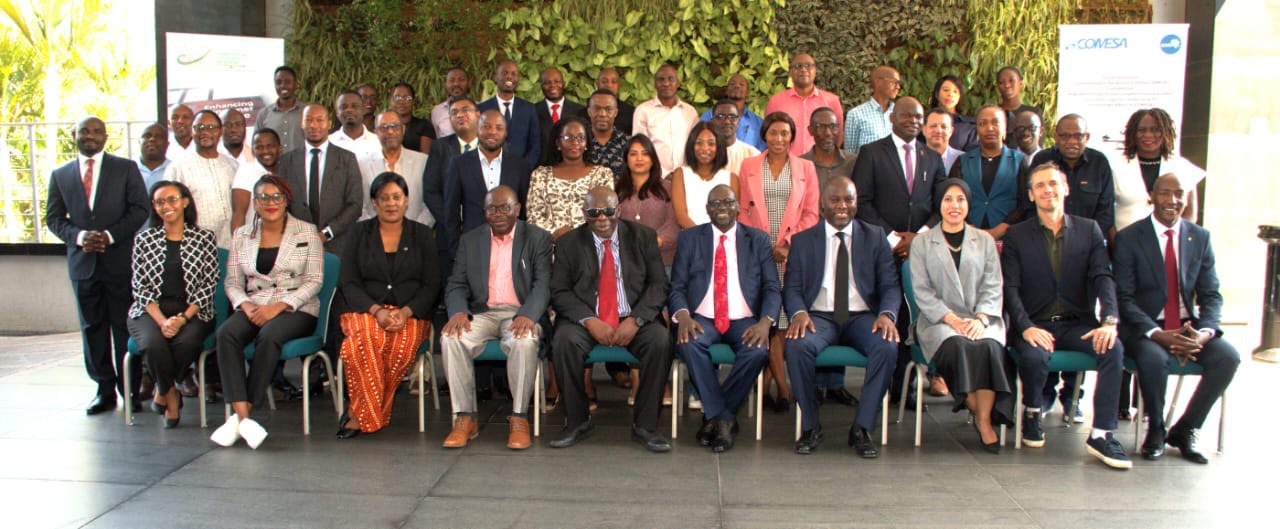
Fortuitously, our editor was present at a gathering of the ‘Fourth Estate,’ convened in Nairobi by COMESA’s Dr. Willard Mwemba. For the third consecutive time, the Commission had invited members of the press to present its successes, show off the tight relationships between its staff and that of other national authorities (of note, David Kemei, Director General CAK, chairman of the EACA and local host, was present for most of the event, as was of course the agency’s éminence grise, Dr. George Lipimile), and to remind the assembled journalists that, in the bigger picture, the agency’s AfCFTA competition protocol coordination remained ongoing — more on that another day…
Without further ado, here are the 2025 COMESA highlights, as selected by the Commission:
Mergers
The large francophone-anglophone broadcasting deal of Canal+ acquiring Multichoice presented “lots” of competitive concerns according to Dr. Mwemba. Already dominant firms merging to form an even larger entity was a serious threat to broadcast competition. Multichoice’s past behavior of refusing sublicenses and threatening to leave certain markets showed its unparalleled dominant position in various COMESA submarkets. The parties did compete head-on with head other in three jurisdictions, Rwanda, Madagascar, and Mauritius, and would have had a foreclosing position COMESA-wide in relation to super premium content, leading the (then still) CCC to seek prohibition of the merger, and at a minimum the survival of Multichoice (and its “Talent Factory”) as an independent entity and employer in the region.
The parties’ defense relied in part on arguments alleging subscriber losses, eventually resulting in a conditional approval by the CCC with several commitments of the parties.
Two failure-to-file violations stand out in the past year: The Bosch/Johnson Control deal drew a failure-to-file violation of the (much maligned and soon to be replaced under the new Regulations) “30-day rule”. Interestingly, the fine was reduced from a significant $400,000 initial amount to an almost negligible $8000, as JCI (the target and a first-time offender entitled to a 30% fine reduction) was to blame for the “inadvertent” false company statistics Bosch used to calculate whether the filing threshold was met. While challenged by the acquirer, Bosch received a symbolic $1 fine for its own negligence in failing to vet the target’s figures for purposes of determining notifiability.
In the Mauritian BRED/BFV banking transaction, the fine was significantly reduced by the acquirer’s cooperation, minority shareholding status in many subsidiaries, and first-time offender status, resulting in merely $28,005 initial F2F fines.
On a broader scale, looking to the newly established EAC competition regime and its merger notification requirements, Dr. Mwemba recognized the concern that dual notifications will occur in all likelihood for the foreseeable future.
Anticompetitive Practices
The Commission’s standout case this past year was doubtless the “beer matter”: three main areas of concern stood out in the Heineken case, in which the respondent was found to be dominant in various geographic markets. The three issues were: single-branding (foreclosing competing products at the downstream distribution level), absolute territorial restrictions (prohibiting distributors from not only active but also passive selling into unauthorized regions), and resale price maintenance (imposing a firm price — or here, a fixed profit margin — on resellers of the products). A long lasting case, from June 2021 until early September 2025, resulting in a settlement procedure, eliminating the three clauses of concern and imposing the maximum settlement amount of $900,000 on Heineken. Of note: Beer makers are also subject to an ongoing CCC investigation into the cross-shareholdings of various manufacturers.
Similarly, the Commission accused Diageo of the same types of anticompetitive practices in several COMESA member states. As the respondent had stopped one of the offending types of conduct (RPM) prior to the investigation’s commencement, the final combined fine amount was reduced to $750,000.
A further territorial restriction investigation into Toyota’s distribution practices is ongoing and “at an advanced stage”, with the CEO expecting to close the matter by Q1/2026. Finally, the CCC is evaluating the effects of, among other things, Coca-Cola’s unilateral single-branding rules against retailers stocking only its own products in branded refrigerators, which can result in effective foreclosure of competing brands, especially at small retail businesses with limited floor space allowing only a single fridge.
Consumer Protection
The airline sector did not escape the CCC’s enforcement net, as British Airways/Qatar experienced in the recently concluded investigation into Nairobi-London route collaboration among the parties, which they claimed allowed them to increase the volume of flights to 28 per week and lower ticket prices. The CCC permitted the conduct for a limited time of 5 years, requiring the parties to provide proof of the alleged efficiencies within two years.
On the consumer protection front, the CCC was heavily focused on the air travel sector over the past reporting year. It will publish, on Monday coming, a report detailing the results of its year-long airline survey and study, undertaken in conjunction with the African Union’s airline regulator.
Its signature agriculture study program, the African Market Observatory, continues to be funded and operationally supported by the Commission, having provided a key report to the COMESA Council of Ministers. This effort has also led to the ICN having awarded the running of its agriculture program to the Observatory. Dr. Mwemba proudly highlighted that the CCC assisted in averting a potential hunger crisis, namely in an (unpublished, we presume) maize case involving a sovereign engaging in absolute territorial restrictions, threatening serious food insecurity in Eswatini; it was the CCC’s advocacy efforts, as opposed to a full-fledged investigation, that yielded the positive results.
Finally, the CCC also concluded its drafting of a unified Model Consumer Protection Law, to serve as a standardized & harmonized guideline for African countries. This comes as part of an effort to eradicate the fragmentation of competition and consumer protection laws, seeking the eradication of harmful corporate conduct and non-tariff trade barriers.
Looking Ahead: What’s in Store for COMESA 3.0?
Diverging from the titular “retrospective,” it appears fitting to step forward into the present moment and look ahead, with the Commission’s recent successes under its former Regulations now firmly established. To do so, I will quote from an article Dr. Liat Davis and I recently published in the Concurrences journal, entitled “Refining Regional Rapprochement: COMESA’s Competition Enforcement Comes of Age“:
The Mwemba era (2021 – present) has both accelerated and consolidated these earlier reforms, contributing to increased confidence in the regime among international stakeholders. With the exception of a temporary pandemic-related decline, merger activity has continued to rise, surpassing 500 notifications to date and now including the Commission’s first enforcement against gun-jumping. Non-merger enforcement has also expanded, with 45 conduct investigations and at least two cartel cases initiated. In parallel, the Commission has entered into numerous Memoranda of Understanding and multilateral cooperation agreements with African and global counterparts, strengthening its external partnerships. At the regional level, the CCC has acted as a catalyst for the establishment and development of National Competition Authorities (NCAs), offering indirect financial support, training, and collaborative initiatives.
This iterative process of course correction and capacity-building is now culminating in the long-awaited revision of the primary legislation. The new CCPR, due to take effect at the end of 2025, will formalize the Commission’s expanded mandate. In light of the extensive reforms embodied in the new CCPR, and consistent with the prior informal designation of the CCC’s post-2021 period as “COMESA 2.0,” the implementation of the CCPR will mark the beginning of a third phase in the regime’s evolution. Appropriately described as “COMESA 3.0,” this stage is expected to be characterized by the following key attributes:
Expanded unilateral-conduct enforcement, owing to increased staffing, sustained capacity-building, and growing experience in conduct and cartel cases;
A significant rise in cartel investigations, driven principally by the forthcoming leniency regime;
Higher merger volumes, resulting from the move to a suspensory filing regime and accompanied by a likely increase in conditional approvals (subject to wider global economic conditions); [note: the CCC’s statistical trajectory is already sloping upward, as it has reviewed approximately the same number of transactions in the past 4 years as it had in the first 8 years of its existence.]
Strengthened consumer-protection enforcement by the ‘CCCC’, reflecting the Commission’s broadened mandate and aligning with wider African competition-law trends, including South Africa’s increasing incorporation of public-interest factors in merger analysis and Nigeria’s FCCPC using data-protection grounds to impose record fines; and
The development and application of a carefully delineated “public interest” standard in competition cases, subject to strict guardrails to prevent politicization and adapted to the unique constraints of a multi-national enforcement regime.
On 4 December 2025, the COMESA Council of Ministers adopted the COMESA Competition and Consumer Protection Regulations, 2025 (the “2025 Regulations”), marking a significant overhaul of its regional regime since its inception in 2004. The 2025 Regulations, which entered into force immediately, officially repeal and replace the previous COMESA Competition Regulations (the “2004 Regulations”).
The 2025 Regulations have introduced a number of substantive developments and refinements to the COMESA competition regime. Most significantly, the 2025 Regulations have have introduced a suspensory merger control regime, expand a number of enforcement powers, formalise a leniency regime in respect of hardcore carte conduct and significantly strengthen oversight of digital markets.
The “Quad-C”: COMESA Competition Commission has also been rechristened as the COMESA Competition and Consumer Commission (“CCCC”), reflecting its enhanced consumer protection mandate.
“The 2025 Regulations have not come as a surprise,” according to competition-law practitioner Michael-James Currie. As AAT has previously reported, the COMESA Competition Commission had on 24 January 2024 issued a press release requesting comments to its proposed Draft Regulations (as amended in November 2023). “As such, the 2025 Regulations have been contemplated, revised and tightened alongside a number of stakeholders and comments over a period of at least two years, including our and our clients’ input,” says Currie. The 2025 Regulations have also been coupled with an updated set of implementing Rules. Finally, the CCCC recently introduced a Practice Note regarding the new merger control regime.
We report comprehensively on these significant developments here, as well as in a series of future COMESA updates. For an academic review of the “coming of age” of the COMESA enforcement regime, please see Dr. Liat Davis and Andreas Stargard‘s separate Concurrences article, “COMESA: Regional Rapprochement Refined“, tracing the trajectory of the Common Market for Eastern and Southern Africa (COMESA) competition regime—the first multi-national antitrust enforcement system in Africa, and the second to be created globally after the European Union, in what has since become a growing field of regional enforcement regimes.
COMESA’s move to a suspensory regime & expanded merger assessment powers
“One of the most significant changes is the move to a suspensory merger control regime. Under the 2004 Regulations, merging parties could implement transactions notified in COMESA prior to obtaining clearance, provided such transactions were notified within 30 days of the ‘decision to merge’,” according to Primerio partner John Oxenham. “This is no longer the case: notifiable mergers must now be approved either unconditionally or conditionally by the CCCC prior to implementation.”
The 2025 Regulations have, however, introduced a derogation in respect of the suspensory rule, which provide a level of flexibility on the suspensory rules for parties involved in public takeovers, for example.
The Regulations also revise the definition of a ‘merger’ – introducing further clarifications on ‘controlling interest’ and explicitly capturing full-function joint venture arrangements – as well as introducing updated financial thresholds.
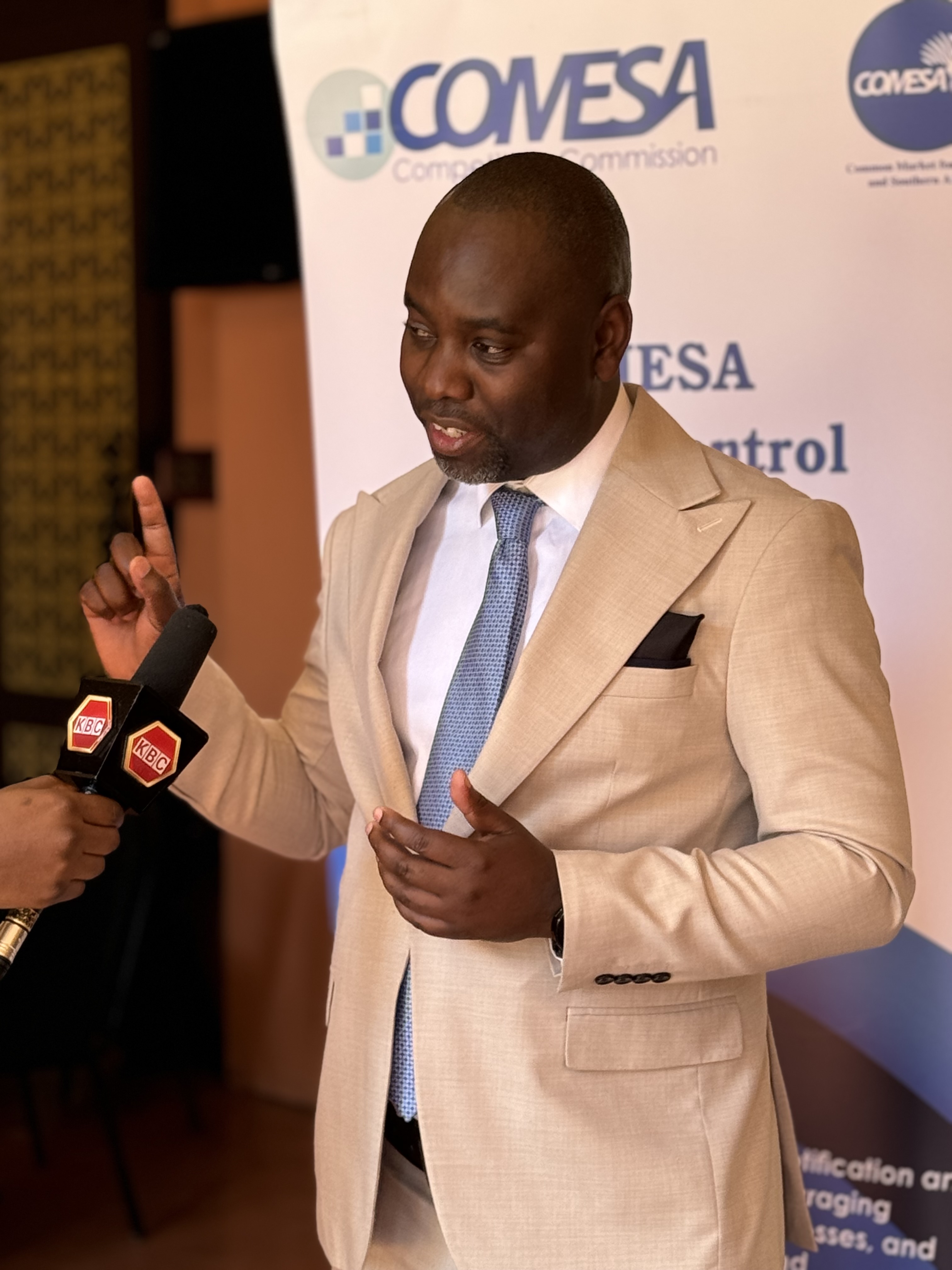
Dr. Mwemba, CEO of the CCCC
Transactions which meet the ‘merger’ definition will now be notifiable where the combined turnover or asset value of the parties in the Common Market equals or exceeds COM$60 million (US$60 million), and at least two parties each meet the COM$ (US$10 million) threshold. For certain digital market transactions, a new transaction-value threshold of COM$250 million (US$250 million) has been introduced.
In addition, the maximum merger filing fee cap has now been increased from COM$200,000 to COM$300,000.
The CCCC’s merger assessment powers have been broadened beyond the traditional lessening of competition (“SLC”) test. Borrowing from a number of African competition authorities’ precedent, the CCCC may now also consider specific public interest factors in merger control, including employment, the competitiveness of small and medium enterprises, environmental sustainability and effects on innovation in the Common Market.
Jurisdictional reach & Strengthening the COMESA one-stop shop
The 2025 Regulations reinforce COMESA’s ‘one-stop shop’ principle. COMESA Member States are now under stronger obligations not to require parallel merger notifications where a transaction falls within the jurisdiction of the CCCC. This provides greater legal certainty for merging parties operating across multiple COMESA Member States. That said, “some obstacles to a full one-stop-shop do remain,” according to Andreas Stargard. “Dr. Willard Mwemba, the CCCC’s CEO, noted at last year’s fall press conference that, in light of the newly-established EAC competition regime and its somewhat overlapping merger notification requirements, the Commission acknowledges the concern that dual notification obligations may occur in the foreseeable future due to the parallel regional body.”
For completeness, the COMESA Common Market comprises 21 Member States – Burundi, Comoros, the Democratic Republic of Congo, Djibouti, Egypt, Eritrea, Eswatini, Ethiopia, Kenya, Libya, Madagascar, Malawi, Mauritius, Rwanda, Seychelles, Somalia, Sudan, Tunisia, Uganda, Zambia, and Zimbabwe.
Anti-competitive Practices
New standards and risks in respect of per se prohibitions
The 2025 Regulations overhaul the CCCC’s approach to restrictive practices. While the 2004 Regulations’ standard was related to having an ‘appreciable effect’, the general prohibition now applies to conduct that has the object or effect of resulting in an SLC in the Common Market.
The list of per se prohibitions has also been expanded. Certain vertical restraints – including absolute territorial restrictions, restrictions on passive sales and minimum resale price maintenance – are now prohibited outright and cannot be justified by efficiency defences.
Formal introduction of a leniency regime
One of the major developments flowing from the 2025 Regulations is the introduction of a formal leniency regime for hardcore cartel conduct occurring within the Common Market.
Importantly, any leniency decisions taken by the CCCC will officially bind individual COMESA Member States, meaning that leniency applicants will not be subjected to parallel enforcement at a national level for the same conduct reported. This significantly enhances legal certainty and aligns COMESA with international best practice.
Higher penalties and greater enforcement
Administrative penalties have been substantially increased by the 2025 Regulations. Under the 2004 Regulations, fines were capped at COM$200,000, the CCCC may now impose fines of up to 10% of a firm’s turnover in the COMESA Common Market. This change, coupled with the expanded per se prohibitions, signals a clear intention of the CCCC to strengthen enforcement and deterrence of anti-competitive practices.
Abuse of dominance and economic dependence
The definition of dominance has been revised, with a stronger focus on economic independence from competitors, customers and suppliers. While no bright-line market share thresholds are introduced by the 2025 Regulations, the broader definition may give rise to increased litigation and uncertainty.
The 2025 Regulations also introduce a new prohibition on the abuse of economic dependence which targets situations where a firm exploits a superior bargaining position over a counterparty that lacks reasonable alternatives, even where the firm is not dominant.
Increased focus on digital markets and gatekeepers
In line with international trends and standards, the 2025 Regulations introduce the concept of ‘gatekeepers’ in digital markets. Gatekeepers are subject to a wide range of behavioural prohibitions, including bans on self-preferencing, data leveraging, anti-steering provisions and discriminatory treatment of small and medium enterprises.
While the criteria for identifying ‘gatekeepers’ remain vague, the scope of the obligations is broad and signals a far more interventionist approach to digital markets in the COMESA Common Market than anticipated previously.
Enhanced market inquiry powers
The CCCC’s investigative powers have been broadened to include the ability to conduct market inquiries and allow the CCCC to compel information and take action, including launching official investigations, engaging in advocacy or negotiating potential remedies.
Importantly, the CCCC cannot unilaterally impose remedies on parties following a market inquiry alone.
Conclusion
The 2025 Regulations represent a major evolution in the COMESA competition framework. As the authors conclude in their Concurrences article cited above, “[t]hese reforms expand the CCC’s toolkit—introducing suspensory merger control, cartel leniency, market inquiries, and digital-market provisions—while also placing public interest and consumer rights more explicitly into the regional framework. They are ambitious, progressive, and aligned with global trends, yet they also raise difficult questions of clarity, implementation, and institutional capacity.”
In AAT’s view, provided adequate staffing and resources exist, the CCCC has now become one of the best-equipped regional competition regulators on the African continent.
Much will depend on how the 2025 Regulations are implemented in practice. For now, companies operating in the COMESA region should consider the 2025 Regulations in line with their compliance strategies and, if in doubt, seek professional legal advice to tailor their business practices and corporate strategies accordingly.
Michael-James Currie, director at Primerio, hosted an insightful webinar alongside Primerio’s in-country Partners, Mweshi Bunda Mutana for Zambia, Hyacinthe Fansi for Cameroon, and Cris Mwebesa for Tanzania. The conversation provided an extensive look into recent developments in merger control across Africa’s principle regional competition authorities and can be accessed here.
This deep dive showed a significant shift towards a more prominent enforcement, lower notification thresholds and stronger coordination between national and supranational regulators. Africa’s merger landscape has vastly changed over the past four to five years which has resulted in more complexity in multi-jurisdictional merger control, increased detection risk for non-notified transactions and a widened the set of jurisdictions that must now be considered for compliance.
This webinar session contained a slightly different focus as the inspiration for the session was to feature a more pragmatic approach that stems from how merger control has changed significantly in Africa over the past few years. There has been a very clear shift in merger regulation and an increase of agencies that have adopted merger control or antitrust laws more generally. The rules and regulations surrounding merger control have become more sophisticated, and these developments are important for the agencies that make use of merger control, antitrust compliance and enforcement. As a result, it was highlighted that the CEMAC merger control has evolved from a basic framework to a more formalised and substantive merger control regime. This is evident in how the system now imposes mandatory filings when both turnover and market share thresholds are met, even for foreign deals without substantial local operations. The system does remain very paperwork-heavy, and a growing concern is the high filing fee cap that is c. USD 70 million.
COMESA was described as Africa’s most advanced and prominent regional regulator in respect of merger control and is now preparing to make substantial amendments to its merger regulators which are expected to take effect in the beginning of 2026. These changes will include mandatory notification for greenfield joint ventures, provisions on digital markets, provisions relating to public interest considerations and questions regarding how regional and national priorities will be remedied.
The East African Community Competition Authority has now operationalised its merger control system, effective as of 1 November 2025. This regime has exclusive jurisdiction over mergers with cross-border effects involving at least two partner states, stated by Cris Mwebesa, and meeting a certain asset or turnover threshold of USD 35 million. The system includes a 120-day review period and filing fees, however several Member States have not domesticated this regional law which means that filings at a national level in parallel to the regional level should be expected. This means that there will be overlaps with COMESA and there is a lack of clarity on how the public’s interest will be prioritised which creates further confusion and uncertainty. Confusion can arise when, for example, Zanzibar’s separate competition authority adds an additional filing requirement for merger control.
The ECOWAS Competition Authority has been operational for around one year and has demonstrated steady progress in handling non-contentious mergers. This authority considers transactions at certain turnover levels and individual thresholds which renders the regime broad in scope. The jurisdictional thresholds for an ECOWAS filing remain low, which may result in challenges around when a dual filing is appropriate and delaying decision making by the respective authorities.
Evidently, across many jurisdictions there are varying levels of institutional maturity that influence regional merger control. This is seen in how Zambia has strengthened its relationship with COMESA, following recent domestic legislative amendments, whilst Tanzania’s national authority co-exists with emerging EAC obligations, creating an emphasised need for coordination. These national-regional intersections will continue to influence filing strategies, especially in sectors where public interest or national sensitivities are emphasised.
These insightful discussions highlighted that merging parties now face a more complex and differentiated compliance across Africa. Although procedural clarity continues to develop, the direction of development is clear in that African merger regimes are growing more enlightened, more interrelated and more aligned with global standards.
Africa’s Merger Control Regulation: A Look At Recent Developments
Megan Armstrong and Jenna Carrazedo
Michael-James Currie, director at Primerio, hosted an insightful webinar alongside Primerio’s in-country Partners, Mweshi Bunda Mutana for Zambia, Hyacinthe Fansi for Cameroon, and Cris Mwebesa for Tanzania. The conversation provided an extensive look into recent developments in merger control across Africa’s principle regional competition authorities and can be accessed here.
This deep dive showed a significant shift towards a more prominent enforcement, lower notification thresholds and stronger coordination between national and supranational regulators. Africa’s merger landscape has vastly changed over the past four to five years which has resulted in more complexity in multi-jurisdictional merger control, increased detection risk for non-notified transactions and a widened the set of jurisdictions that must now be considered for compliance.
This webinar session contained a slightly different focus as the inspiration for the session was to feature a more pragmatic approach that stems from how merger control has changed significantly in Africa over the past few years. There has been a very clear shift in merger regulation and an increase of agencies that have adopted merger control or antitrust laws more generally. The rules and regulations surrounding merger control have become more sophisticated, and these developments are important for the agencies that make use of merger control, antitrust compliance and enforcement. As a result, it was highlighted that the CEMAC merger control has evolved from a basic framework to a more formalised and substantive merger control regime. This is evident in how the system now imposes mandatory filings when both turnover and market share thresholds are met, even for foreign deals without substantial local operations. The system does remain very paperwork-heavy, and a growing concern is the high filing fee cap that is c. USD 70 million.
COMESA was described as Africa’s most advanced and prominent regional regulator in respect of merger control and is now preparing to make substantial amendments to its merger regulators which are expected to take effect in the beginning of 2026. These changes will include mandatory notification for greenfield joint ventures, provisions on digital markets, provisions relating to public interest considerations and questions regarding how regional and national priorities will be remedied.
The East African Community Competition Authority has now operationalised its merger control system, effective as of 1 November 2025. This regime has exclusive jurisdiction over mergers with cross-border effects involving at least two partner states, stated by Cris Mwebesa, and meeting a certain asset or turnover threshold of USD 35 million. The system includes a 120-day review period and filing fees, however several Member States have not domesticated this regional law which means that filings at a national level in parallel to the regional level should be expected. This means that there will be overlaps with COMESA and there is a lack of clarity on how the public’s interest will be prioritised which creates further confusion and uncertainty. Confusion can arise when, for example, Zanzibar’s separate competition authority adds an additional filing requirement for merger control.
The ECOWAS Competition Authority has been operational for around one year and has demonstrated steady progress in handling non-contentious mergers. This authority considers transactions at certain turnover levels and individual thresholds which renders the regime broad in scope. The jurisdictional thresholds for an ECOWAS filing remain low, which may result in challenges around when a dual filing is appropriate and delaying decision making by the respective authorities.
Evidently, across many jurisdictions there are varying levels of institutional maturity that influence regional merger control. This is seen in how Zambia has strengthened its relationship with COMESA, following recent domestic legislative amendments, whilst Tanzania’s national authority co-exists with emerging EAC obligations, creating an emphasised need for coordination. These national-regional intersections will continue to influence filing strategies, especially in sectors where public interest or national sensitivities are emphasised.
These insightful discussions highlighted that merging parties now face a more complex and differentiated compliance across Africa. Although procedural clarity continues to develop, the direction of development is clear in that African merger regimes are growing more enlightened, more interrelated and more aligned with global standards.
Media and Digital Platforms Market Inquiry Final Report Launch
By Courtney Kaplan
The South African Competition Commission’s Final Report of its Media and Digital Platforms Market Inquiry (“MDPMI Report” or simply “Report”) found that online search is dominated by Google, with news queries making up at least 5-10% of user searches, driving engagement which generates revenue through commercial enquiries. Google uses content from media sites without reimbursement, where artificial intelligence (“AI”) assists in the reduction of referral traffic, and Google’s algorithm prefers foreign media over local media.
Google and YouTube have agreed to pay a fine of approx. $42 million (R688 million) to local media producers following the conclusion of the MDPMI, as they were found to have profited from local news content with no adequate reciprocal compensation. This is done through a reproduction or summary of South African news, resulting in a direct loss of income for South African news publishers.
The payout includes content licensing, innovation grants, and capacity-building initiatives which will be used for newsroom innovation, payments to the Digital News Transformation Fund and financing for language training for the Media Development and Diversity Agency (“MDDA”).
The Final Report, published in November 2025, comes after 24 months of gathering evidence, holding in-camera and public hearings, expert evidence, discussions with industry stakeholders and an interim report procedure that allowed for opinions from media publishers, broadcasters, the platforms and academia.
The Commission believes that certain online operators restricted fair competition amongst their competitors, which practices have the potential of going against the purpose of the Competition Act 89 of 1998 (the “CompetitionAct”) which entails promoting and maintaining competition in South Africa.
Reduced audience, inaccurate reporting and social media
The reason for this agreement follows findings that Google takes news content from media sites without providing payment, with publishers receiving less traffic due to AI-summaries. Furthermore, the Competition Commission revealed that Google’s algorithm preferences foreign media sources over local and vernacular outlets.
Daily newspapers’ print sales have dropped by 66% between 2018 and 2023, with the overall decline being 55% when including weekend editions. Print advertising income for three major publishers fell by 38% in 2018, with broadcasters experiencing a 47% decrease since 2016.
Social media is dominated by platforms such as Meta, YouTube, X and TikTok. These platforms upload content generated and/or published by users in order to promote engagement and advertising, which results in most people viewing news through these respective social media platforms. The Commission stated that when platforms such as X and Meta prioritise engagement over providing news links, misinformation is increased as engagement is preferred over reliable news. A limited number of media platforms are recognized for monetisation in relation to content generation and engagement metrics, and many of these monetisation options are not locally available to South Africans.
Advertising revenues
The Report provides that Google holds the largest position in advertising technology by controlling the advertising servers that publishers use to handle and sell online advertising. This is accomplished by linking publishers to Google’s advertising exchange and by self-preferencing Google’s own systems through access to external bid data.
Google has committed to providing South African advertising companies with extended support Google provides in the EU. This includes greater insight into advertising expenses and remuneration to publishers. Google has also agreed to stop favouring its own platforms over others.
Artificial intelligence
AI corporations have scraped news websites to develop AI models which are used to answer news queries. AI companies now provide South African media with options to opt-out, which will assist in creating and supporting a paid market for news content. AI firms will now offer the same content controls and opt-out options as in the EU, as well as training biannually to encourage the growth of a fair and functioning market for licensed content. Media platforms can choose whether to subscribe to AI tools and/or assistants, but this is often too large an expense for smaller media companies.
Google plans to introduce new user mechanisms that favour local news sources, offer technical support to developing website operations, sharing advanced audience information and statistics, and create an African News Innovation Forum.
Government recommendations
The Commission’s report suggests that the Department of Trade, Industry and Competition (“DTIC”) provide a block exemption to allow collective bargaining by South African media instead of platform monetisation terms, AI content licensing, advertising technology pricing, and joint advertising sales for community media.
The DTIC was advised to create Regulations that would govern content-moderation in terms of the Electronic Communications and Transactions Act (the “ECTA”). This would involve the introduction of self-regulation frameworks for social media platforms and creating an independent social media ombud to oversee public complaints and moderation practices.
The Report further recommends that the Department of Communications and Digital Technologies (“DCDT”) should create regulations for content moderation of social media in South Africa by utilising the Electronic Communications and Transactions Act (“ECTA”) to provide self-regulation by industry bodies in the social media industry to quality for limited liability and for an Ombudsman regulating the moderation of social media content.
Major milestone
James Hodge, the Competition Commission’s MDPMI chair stated that the report is a landmark move in restoring a balance between digital markets, guarding fair competition, and rebuilding the long-term sustainability of South Africa’s news media.
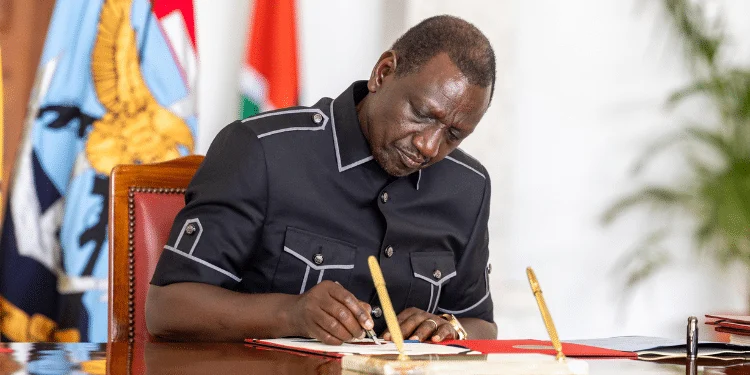
President Ruto has removed Shaka Kariuki as Non-Executive Chairperson of the Competition Authority of Kenya (CAK) early, instead installing Charles W. Mahinda in the role, effective December 11, 2025.
The appointment was made under Section 10(1)(a) of the Competition Act and Section 51(1) of the Interpretation and General Provisions Act and will last three (3) years.
Mr. David Kibet Kemei, by now an established face for the competition watchdog, will continue to be the Director-General of the agency.
Throughout November 2025, ERCA has examined and approved four merger transactions in Liberia. Liberia is a Member State of the Economic Community of West African States (“ECOWAS”), which was established in 1975 when the Heads of State and Heads of Government of fifteen Western African Countries signed the ECOWAS Treaty. As of 29 January 2025, Burkina Faso, Mali, and Niger officially withdrew from ECOWAS. The current Member States of ECOWAS include Benin, Cabo Verde, Côte d’Ivoire, The Gambia, Ghana, Guinea, Guinea Bissau, Liberia, Nigeria, Sierra Leone, Sénégal, and Togo; the headquarters of ECOWAS is in Abuja, Nigeria. The aim of ECOWAS is to promote cooperation and integration among Member States in order to raise the standard of living, maintain economic stability, foster relations, and contribute to the development of Africa.
Article 26(3)(a) ECOWAS Treaty sets out the priority sectors of the economy of Member States which include Food and Agriculture Industries, Building and Constructions Industries, Metallurgical Industries, Mechanics Industries, Electrical, Electronic and Computers Industries, Pharmaceutical, Chemical and Petrochemical Industries, Forestry Industries, Energy Industries, Textile and Leather Industries and the Transport and Communications Industries
In each of these sectors, there are mergers and acquisitions that take place, which are regulated by the ECOWAS Regional Competition Authority (“ERCA”). ERCAS merger control regime became operational on 1 October 2024, and for any merger and acquisition that takes place, a notification must be submitted to ERCA for prior authorisation (See: Regulation C/REG.23/12/21). The four recent merger approvals centred around the following priority sectors: Mechanics Industries, Food and Agriculture Industries, as well as one of the Treaty’s aims, which is to ensure harmonisation in terms of education. The decisions have been made as follows:
On 19 August 2025, TML CV Holdings Ltd (“TMLCVH”), a company incorporated in Singapore, notified ERCA of its intention to acquire 100% of the shares issued in Iveco Group N.V., excluding its Defence Business Unit. The proposed merger would result in the full integration of both TMLCVH and Iveco Group N.V. commercial vehicles and powertrain divisions under the control of Tata Motors Limited. They are formally known as TML Commercial Vehicles Limited. The relevant market definition in this decision is the “global design, production and distribution of commercial vehicles (trucks and buses), as well as the supply of engines and related components to end customers and third-party manufacturers (OEMs).” The ERCA Council concluded that the merger is unlikely to reduce competition and the acquisition is authorised unconditionally, effective from 3 November 2025.
On 29 August 2025, Toyota Tshusho Manufacturing Ghana Co. Limited (“TTMG”) and Toyota Ghana Limited Company (“TGLC”) notified ERCA of TTMG’s intention to acquire the distribution business, assets, and operations of TGLC. The relevant market definition includes “new passenger cars, commercial vehicles such as buses and trucks, and the spare parts and after-sale services.” The ERCA Council concluded that the merger is unlikely to reduce competition and it promotes local industrialisation and regional trade integration. Additionally, it provides benefits to consumers as the service standards have been improved. The ERCA Council authorised this acquisition as unconditional. Despite the overlap in segments, the combined market share remains below the dominance threshold (Article 11 of the ERCA Manual on Market Dominance Thresholds). The authorisation of this acquisition is effective from 4 November 2025.
On 4 September 2025, SA BidCo notified ERCA of its intention to acquire 100% of the share capital of Honoris Holding Limited (“HHL”). After the merger, SA BidCo will be jointly controlled by an entity of the Old Mutual Group, OMPE SPV, as well as Mangro Holdings Proprietary Limited. This merger furthermore forms part of a broader restructuring and investment initiative led by Old Mutual Private Equity. The relevant market definition in this decision related to the “provision of private higher (tertiary) education services, including foundation-level preparatory programmes”. The ERCA Council concluded that the merger is unlikely to reduce competition and is expected to improve capacity, attract investment, and enhance the quality of education in Nigeria. The acquisition of HHL was authorised as unconditional and effective as from 6 November 2025.
On 12 September 2025, African Bottling Group ABG Limited notified ERCA of its intention to acquire 98.07% of the share capital of Sierra Leone Brewery Limited (“SLBL”). This share capital was previously held by Heineken International B. The aim of this acquisition is to integrate SLBL’s brewing operations and distribution network into ABG’s beverage operations across the ECOWAS Member States. The relevant market definition in this decision is the “production and distribution of alcoholic and non-alcoholic beverages”. In this instance, this includes beer, other alcoholic beverages including beer, malt-based non-alcoholic beverages and carbonated soft drinks, juices or energy drinks. The ERCA Council concluded that the merger may lead to enhanced production efficiency, quality, and provide potential benefits to consumers. This merger is unlikely to reduce competition, however, it may moderately impact competition in Sierra Leone negatively. It is possible for this impact to be mitigated through appropriate remedies and therefore the Council concluded that the merger be authorised, subject to certain conditions, and is effective from 6 November 2025.
These four merger approvals highlight the Executive Directorate and Councils’ continuous effort to clear the docket before the end of 2025. In addition, the ERCA Council took this opportunity to visit Liberia’s Minister for Commerce and Industry to follow up on the progress of Liberia’s new Competition and Consumer Protection Bill. AAT looks forward to seeing developments and merger approvals made by the ERCA Council in 2026.

 African Antitrust & Competition Law