African Antitrust — the Big Picture: 2025 in Review & Outlook for ’26

Competition-law specialists at Primerio have compiled the following snapshot of 2025.

Competition law enforcement across Africa continued its market trajectory of expansion throughout 2025, with early signals in 2026 enforcing a continent-wide shift towards more assertive, coordinated and policy-driven antitrust regulation. At both a national and regional level, authorities have increasingly moved beyond traditional enforcement and investigative tools.

A defining feature of 2025 has been the growing institutional confidence of African regulators. From the introduction and strengthening of regional regimes to the imposition of significant sanctions against multinational digital market players, African Antitrust enforcement bodies have demonstrated both technical capacity and willingness to ensure compliance with regional and national legislation. At the same time, legislative reform and increases in guidance notes and clarificatory tools signal an increasingly sophisticated regulatory environment, however, one which is more complex for multi-jurisdictional transactional and conduct risk.

This Snapshot spans the key developments we have previously reported on across Southern Africa, the Common Market for Eastern and Southern Africa (“COMESA”), the Economic Community of West African States (“ECOWAS”) and the East African Community (“EAC”), highlighting recent enforcement trends, institutional milestones and new policy innovations that shaped 2025 and which we anticipate will define the African Antitrust landscape as we move further into 2026.

Southern Africa

In South Africa, 2025 and early 2026 have been characterised by increasing interventions in mergers as well as continued use of exemptions and industrial policy.

Digital platform regulation was a defining theme in 2025. The South African Competition Tribunal’s (“SACT”) interim relief order in the Lottoland / Google Ads case signalled a willingness to ensure enforcement over exclusionary conduct in online advertising. This assertiveness was echoed in the GovChat v Meta ruling, where the SACT’s approach to platform access and data inoperability signalled the intention to rest the outer bounds of abuse of dominance enforcement against global big-tech firms.

In parallel, South Africa saw emerging scrutiny from the consumer protection angle, with the South African National Consumer Commission probing e-commerce platforms’ data practices and compliance frameworks, highlighting the convergence between competition and consumer protection enforcement in digital markets.

The South African Competition Commission’s (“SACC”) media and digital platforms market inquiry outcomes, as well as the Google’s agreement to pay ZAR 688 million to South African media, have further illustrated how negotiated remedies and sectoral interventions are being deployed to rebalance digital value chains.

Exemptions and block exemptions have remained a central tool available to parties in South Africa. The granting of Transnet’s 15-year exemption raised significant debate about the appropriate balance between enabling infrastructure coordination and preserving competitive neutrality. Subsequent developments in exemptions, including the block exemption in respect of Phase 2 of the Sugar Master Plan and corridor-based logistic exemptions, confirm that exemptions are being embedded as a long-term sector restructuring tool rather than temporary measures to allow coordination as well as a means to attain specific public interest and industrial policy goals.

Procedural and evidentiary developments have also shaped the landscape. The SACT’s decision granting absolution in the X-Moor tender cartel case clarified the evidentiary burden in collusive tendering prosecutions, reinforcing the need for robust inferential and documentary proof.

In relation to developments in merger control proceedings in South Africa, intervention dynamics were tested in Lewis Stores application to intervene in the merger between Pepkor Holdings Limited and Shoprite Holdings Limited. The South African Constitutional Court permitting Lewis’ intervention have raised much debate as to whether intervention by third parties frustrates and unduly delays the finalisation of merger hearings in South Africa.

The SACC had introduced a number of guidelines in relation to treatment of confidential information, as well as gatekeeper conduct with respect to pre-merger filing consultation processes, online intermediate platforms, notifications of internal restructures meeting the definition of mergers, and price-cost margin calculations. More recently, there have been proposed revisions to the SACC’s merger thresholds and filing fees, signalling a move towards greater ease in deal negotiation.

COMESA

2025 was a landmark year for both regulatory and enforcement developments in the COMESA region.

Most significantly, 2025 saw the introduction of the newly renamed ‘COMESA Competition and Consumer Commission” (“CCCC”) and the publication of the much anticipated COMESA Competition and Consumer Protection Regulations (2025). Early 2026 has also brought subsequent clarifications released by the CCCC with regard to its new suspensory merger regime in order to provide further insight into the CCCC’s approach in regulating mergers now brought to its attention.

The COMESA Court of Justice’s decision regarding the legality of safeguard measures imposed by Mauritius on edible oil imports from COMESA Member States demonstrated continued willingness of regional bodies policing activities of individual Member States.

Regional integration has been further reinforced through a number of cooperation initiatives, including formalised engagement between COMESA and the EAC on competition and consumer protection enforcement.

At Member State level, national competition regimes continue to interact dynamically with the regional system – this has been demonstrated by merger control retrospectives in Malawi, and regulatory developments in Zimbabwe. The Egyptian Competition Authority has, through recent guidance, also sought to provide further clarity with respect to its merger control regime and align with international best practice.

When considered alongside reflections on enforcement trajectory more broadly throughout the COMESA Common Market, the CCCC appears to be consolidating a far more assertive and procedurally sophisticated authority.

EAC

The operational launch of merger control marked a structural milestone for the East African Community Competition Authority (“EACCA”). The EACCA’s confirmation that it would begin receiving merger notifications from November 2025 introduced yet another operational regional authority on the African continent.

National enforcement has remained active alongside this regionalisation. Tanzania’s merger control developments and enforcement strategy signal a regulator seeking sharper investigative tools and clearer procedural pathways. Institutional cooperation is also deepening, as evidenced by alignment initiatives between the Tanzania Fair Competition Commission and the Zanzibar Fair Competition Commission, aimed at reducing jurisdictional fragmentation.

Kenya has also provided some of the region’s most visible enforcement signals. The upholding of cartel sanctions in the steel sector confirms judicial backing for robust cartel penalties. Leadership transitions at the Competition Authority of Kenya may also influence enforcement measures leading into the new year. More recently, the fine imposed in the Directline decision underscores the reputational and financial stakes attached to non-compliance with Kenya’s competition regime.

ECOWAS

Nigeria has been at the forefront of digital enforcement measures in Africa. The Nigerian Competition and Consumer Protection Tribunal’s landmark decision upholding the Federal Competition and Consumer Protection Commission’s $220 million fine on WhatsApp and Meta for discriminatory practices signals both the scale of sanctions now at play.

Regionally, the Economic Community of West African States Regional Competition Authority (“ECRA”) merger control regime gained operational depth in 2025, having been launched in late 2024. Early analysis framed the regime as a foundational shift towards increased regional review, while subsequent approval decisions demonstrated increasing practical application and institutional learning.

Legislative reform also remains underway at Member State level. The Gambia’s draft competition bill reflects a move towards more proactive market inquiry and enforcement powers, suggesting that more novel African national regimes are evolving in tandem with regional frameworks.

Conclusion and Outlook for 2026

Across the African continent, several cross-cutting themes have emerged. First, in line with global antitrust enforcement, digital market investigations and enforcement remains a focus point. From South Africa’s media and digital platform market inquiries and exclusionary investigations to Nigeria’s abuse of dominance sanctions and COMESA’s recent investigation into Meta, it is apparent that African competition authorities are increasingly asserting jurisdiction over digital platforms. Second, exemptions and public interest tools, particularly in South Africa, are being normalised as structural industrial policy instruments.

Regionalisation is also accelerating. COMESA’s long-awaited regulatory overhaul, the introduction and operationalisation of the EACCA’s merger regime and ECOWAS’ expanding enforcement collectively point towards a multi-layered African merger control framework requiring often complex, parallel and overlapping multi-jurisdictional navigation. Institutional cooperation agreements and memorandums of understanding further reinforce this trajectory, suggesting more coordinated enforcement and increased risk of detection.

Looking ahead, we note three developments which merit close attention. First, the practical implementation of new regional regulations, specifically those of the CCCC in COMESA, will test capacity, compliance as well as appropriateness of new regulatory hurdles in the global M&A space. Hand in hand with these, overlapping regional bodies will likely lead to jurisdictional disputes.  Second, Digital market remedies are likely to evolve. Finally, in line with recent developments elsewhere, the continued blending of competition, consumer protection, and industrial policy objectives suggest that African antitrust enforcement will remain uniquely pluralistic.

The ECOWAS Merger Control Regime: A New Chapter in Regional Competition Law

By Matthew Freer 

Introduction

The Economic Community of West African States (“ECOWAS”) marked a significant step toward deeper regional integration and market regulation with the formal activation of its merger control regime on 1 October 2024. This regime, now operational under the ECOWAS Regional Competition Authority (“ERCA”), brings a unified, supranational dimension to competition enforcement across the 15 ECOWAS member states. These member states are Benin, Burkina Faso, Cabo Verde, Cote d’Ivoire, The Gambia, Ghana, Guinea, Guinea-Bissau, Liberia, Mali, Niger, Nigeria, Senegal, Sierra Leone, and Togo.[1] This new framework aims to safeguard the regional market against anti-competitive mergers and acquisitions, foster economic development, and ensure fair competition. It also positions ECOWAS among the growing number of African regional economic communities introducing comprehensive competition oversight mechanisms.

Established on 28 May 1975 through the Treaty of Lagos, ECOWAS was conceived to promote economic integration across the West African sub-region. Its initial vision was to foster a large economic and trading bloc through cooperation in industry, transport, telecommunications, energy, agriculture, commerce, monetary and financial policy. Over time, ECOWAS has evolved to address broader governance issues, including political stability, security, and economic justice, making its merger control regime a natural extension of its mandate to build a fair and efficient regional economy.

Legal Foundations and Institutional Framework

The legal foundations and institutional framework for the ECOWAS merger control regime are built on a series of key legal instruments that establish the rules for competition within the region. The key foundational document is the Supplementary Act A/SA.1/12/08, adopted in 2008, which introduced the ECOWAS Competition Rules and established ERCA as the institutional mechanism to implement them.[2] This Act was followed by Regulation C/REG.23/12/21, which laid down the procedural rules for merger notification and review within the region.[3] In early 2024, Implementing Regulation No. 1/01/24 was promulgated to clarify notification thresholds, filing requirements, and review timelines.[4] These instruments collectively define the substantive and procedural contours of the regime and signal a shift toward rules-based governance of regional competition policy. 

Scope and Jurisdiction

The scope of the ECOWAS merger control regime is broad and designed to capture transactions with cross-border implications within the Community. The regime is both mandatory and suspensory in nature, meaning that parties must notify qualifying transactions and obtain clearance before implementation. Specifically, a merger must be notified if the parties involved operate in at least two ECOWAS member states and meet certain financial thresholds. The primary thresholds relate to turnover or asset value within the region: the combined turnover or relevant balance sheet total of the merging parties must exceed 20 million West African Units of Account (“WAUA”), roughly equivalent to $26.8 million, and at least two of the parties must individually exceed 5 million WAUA, or approximately $6.7 million.[5] Importantly, these thresholds are based on regional economic activity, rather than global figures, ensuring that the rules are directly tailored to the regional market context in which the member states operate. Still, companies operating primarily in a single large ECOWAS economy, such as Nigeria, may wonder whether regional thresholds fairly reflect domestic realities. 

Definition of Mergers and Control

Under the ECOWAS rules, the term “merger” includes a range of transactions such as acquisitions of control, the creation of joint ventures, or other forms of consolidation between entities.[6] “Control” is broadly defined to include not just the legal ownership of a majority of shares or voting rights but also de facto control—meaning the capacity to exert decisive influence over an enterprise’s strategic commercial behaviour.[7] In simpler terms, this means the ability to influence or decide a company’s major decisions and actions, even without owning it outright. This broad interpretation of control is similar to that used by both the Common Market for Eastern and Southern Africa (“COMESA”) and South Africa, which consider influence beyond shareholding, including through management or policy direction.[8]This mirrors a growing understanding across Africa that control can be exerted in subtle but decisive ways, not unlike influence in boardrooms or state-linked enterprises.

Procedural Review Timelines

Once a notification is submitted, ERCA’s Executive Director is tasked with the initial review of the merger, which must be concluded within 60 working days. If further information is required, the Director may extend this deadline by another 30 working days. After the completion of the initial review, the ERCA Council is granted an additional 30 working days to make a final decision on the transaction. This period may be extended by a further 15 days where necessary. Therefore, the total possible days for a final decision from the date of the initial notification is 135 working days. Although the legislation provides these timelines, it does not clarify the frequency of Council meetings, raising possible questions about potential procedural delays and administrative backlog. 

Understandably, given the novelty of the regime, there is a risk that administrative capacity may initially lag behind its procedural ambitions—though this is a challenge that is likely to diminish as institutional experience and capacity builds over time.

Notification Fees and Enforcement Penalties

The financial obligations imposed on notifying parties also deserve attention. A notification fee is payable and may amount to 0.1% of the combined annual turnover or asset value—whichever is higher—of the companies involved within ECOWAS. This fee structure, notably, has no statutory ceiling, which could render compliance particularly costly for large-scale mergers. Such uncapped fees introduce a level of uncertainty into the merger planning process and may discourage investment or create disparities between firms of different sizes. Given this, it might be worth considering a sliding scale or a cap to ensure that start-ups and small and medium enterprises (“SMEs”) are not unfairly burdened by compliance costs. Nevertheless, this mechanism reflects a growing trend among African competition authorities to align filing fees with the potential market impact of a transaction. 

If parties fail to notify a qualifying merger, or proceed with implementation before clearance is granted, ERCA may impose fines of up to 500,000 WAUA per day. These penalties, which equate to approximately $660,000 daily, are designed to ensure compliance and deter strategic non-disclosure.[9] This is notably harsher than COMESA’s flat $500,000 fine.[10] Such a stringent approach is consistent with the practices of more established jurisdictions and signals ERCA’s intent to enforce its mandate robustly. However, in a region where the ability to enforce regulations and the private sector’s understanding of competition law are still developing, this tough enforcement model could cause problems and require ongoing efforts to build capacity.

Substantive Assessment and Public Interest Considerations

In terms of substantive assessment, ERCA is empowered to block a merger that substantially lessens or is likely to substantially lessen competition within the ECOWAS common market. However, the authority also retains the discretion to approve otherwise anti-competitive mergers if they are deemed to serve a compelling public interest. This approach being similar to other African jurisdictions, particularly South Africa. Factors that may justify such exceptions include the promotion of socio-economic development, the protection of SMEs, and broader regional development goals.[11] This public interest override introduces a layer of flexibility to the competition assessment, but also demands careful balancing to ensure that economic efficiency is not sacrificed in pursuit of political or social objectives. Used wisely, this discretion can empower regional development—but overuse however could compromise the credibility of competition law as a neutral economic tool.

Appeals Mechanism and Judicial Review

The possibility of judicial review also reflects ECOWAS’s commitment to transparency and the rule of law. Parties aggrieved by ERCA’s decisions may appeal to the ECOWAS Court of Justice. This appeals mechanism is essential in safeguarding procedural fairness and offers a vital check on the Authority’s exercise of power.[12] However, the ECOWAS Court’s experience and ability to handle competition law cases are still developing, and it’s unclear how actively and effectively it will deal with these disputes. Building a body of jurisprudence will take time, but even a few early decisions could establish helpful precedent for future cases.

Emerging Challenges

Despite its promise, the implementation of the ECOWAS regime is not without its challenges. First among these is the potential for jurisdictional overlap with national competition authorities and with the West African Economic and Monetary Union (“UEMOA”), which also exercises competition law functions within several ECOWAS states. This duplication may result in regulatory uncertainty, forum shopping, and increased compliance costs for businesses operating in the region. In the East, COMESA faced similar early coordination challenges, and ECOWAS would do well to draw lessons from that experience in harmonising efforts with UEMOA. Moreover, the regime enters into force at a time of political uncertainty in West Africa, with three ECOWAS member states—Burkina Faso, Mali, and Niger—currently suspended or in the process of exiting the Community. The regional political context may complicate the regime’s uniform application and threaten its credibility as a pan-West African legal instrument.

Conclusion

Notwithstanding these concerns, the ECOWAS merger control framework represents a landmark moment in the evolution of African competition policy. It brings the region into alignment with global and continental trends, offering a platform for increased regulatory convergence and cross-border cooperation. For legal practitioners and multinational corporations operating in the region, the message is clear: compliance with ECOWAS merger rules is no longer optional, and legal due diligence must include early engagement with ERCA’s requirements. While aspects of the regime may still require some clarification and refinement, particularly in relation to thresholds, procedures, and enforcement modalities, the overall architecture provides a strong foundation for fostering competitive regional markets.

The operationalisation of the ECOWAS merger control regime is a welcome development for those advocating deeper economic integration and regulatory harmonisation in West Africa. As the Authority gains experience and jurisprudence begins to develop, ERCA is likely to become a central actor in shaping the competitive landscape of the region. For this to succeed, continued engagement between regional institutions, national authorities, and the private sector will be essential. The challenge ahead lies not only in enforcing the rules but in embedding a culture of compliance and competition across ECOWAS’s diverse and dynamic member states. In time, perhaps ECOWAS could even serve as a model for other African regions where economic integration is still at a conceptual stage.


[2] Economic Community of West African States (ECOWAS), Regulation C/REG.23/12/21 on the Implementation of the ECOWAS Competition Rules by the ECOWAS Regional Competition Authority (ERCA), December 2021

[3] Regulation C/REG 23/12/21 on the Rules of Procedure for Mergers and Acquisitions in ECOWAS

[4] Regulation C/REG.1/01/24 on the Procedural Manuals on Thresholds for Mergers and Acquisitions in ECOWAS. 

[5] Manual of Threshold for Mergers and Acquisitions and Threshold Indicating a Dominant and Monopolistic Position.

[6] Manual of Threshold for Mergers and Acquisitions and Threshold Indicating a Dominant and Monopolistic PositionAt page 3.

[7] Supplementary Act A/AS.1/12/08 Adopting Community Competition Rules and the Modalities of their Application within ECOWAS.

[8] COMESA Merger Guidelines (2014), sec. 2.3.


[10] COMESA Competition Rules, Art. 24.

[11] Economic Community of West African States (ECOWAS), Regulation C/REG.23/12/21 on the Implementation of the ECOWAS Competition Rules by the ECOWAS Regional Competition Authority (ERCA), December 2021.

[12] ECOWAS Regional Competition Authority (ERCA), Welcome to ECOWAS Regional Competition Authority, available at: https://www.arcc-erca.org/ (accessed 25 April 2025).

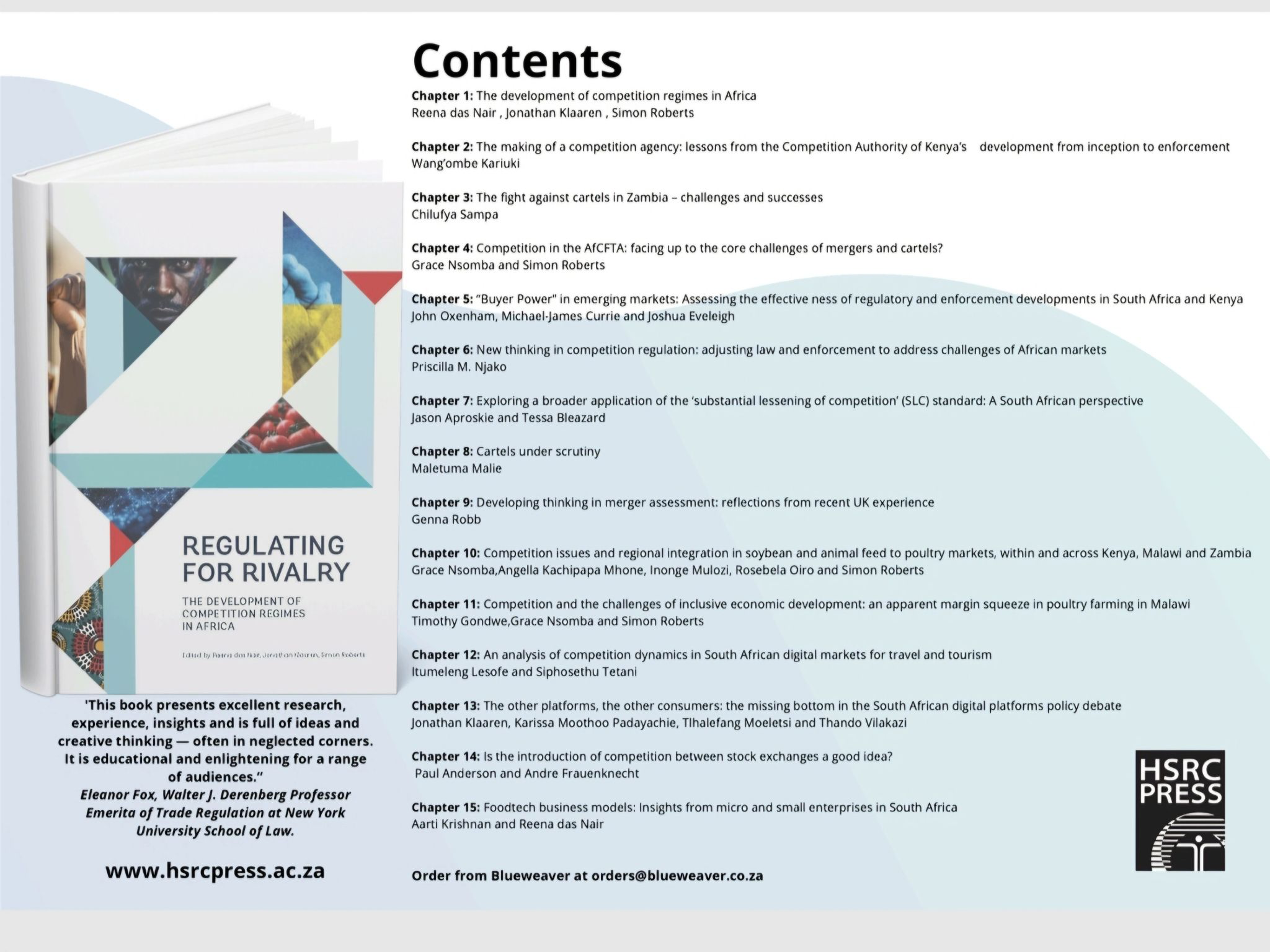
New Book Alert: “Regulating for Rivalry: The Development of Competition Regimes in Africa”

Book Launch Monday: CCRED’s latest covers AAT’s bread and butter, namely the rise of regulatory antitrust frameworks across the African continent.

The Centre for Competition, Regulation and Economic Development (“CCRED”) has announced the launch of its latest publication: “Regulating for Rivalry: The Development of Competition Regimes in Africa”. Co-edited by Reena das Nair, Simon Roberts, and Jonathan Klaaren, this book looks to be a comprehensive compilation of cutting-edge research and analyses, bringing together the key papers presented at previous ACER Week (Annual Competition and Economic Regulation) conferences. It also includes contributions from CCRED’s ongoing work, reflecting a rich exchange of ideas aimed at fostering competitive markets and effective regulation across the African continent. 

One of the notable contributions in the book is a paper written by Primerio’s John Oxenham, Michael-James Currie, and Joshua Eveleigh, titled “Buyer Power in Emerging Markets: Assessing the Effectiveness of Regulatory Enforcement Developments in South Africa and Kenya”. This paper delves into the complex dynamics of buyer power, particularly in emerging markets, and evaluates the impact of recent regulatory enforcement efforts in South Africa and Kenya. Their research provides critical insights into the challenges and successes of regulatory buyer power within these key African economies, offering valuable lessons for policymakers and regulators across the continent. 

“Regulating for Rivalry” will be available in both digital and print formats towards the end of 2024. The book is expected to be an essential resource for academics, regulators, legal practitioners, and policymakers engaged in the development and enforcement of competition law in Africa. It showcases the growing maturity and innovation of competition regimes across the continent, highlighting the critical role of effective regulation in promoting economic development and inclusive growth. 

CCC Celebrates ’10’ — a Decade of COMESA Competition Law

Anniversary of CCC’s 2013 Creation to be Celebrated, Developments Discussed

Next week, African heads of state, ministers of trade and commerce, the secretary general of the 21-member state COMESA organization, Commissioners, and several heads of various competition agencies across the region, from Egypt to Eswatini & from Mauritius to Malawi, will join antitrust practitioners, legal experts, business people, and journalists in celebrating the occasion of the 10-year anniversary of the COMESA Competition Commission in Lilongwe, where the agency is headquartered.

Of course, AAT will be there to cover it.

As leaders of this august publication will know by now, our authors have followed the development of the CCC since its very beginning: from the nascent stages of having only a rudimentary staff and foundational rule documents, lacking sufficient guidance for practitioners and businesses alike, to the significant developmental stage under its first chief executive officer, Dr. Lipimile, who built out his enforcement team to coincide with the stellar growth of the CCC’s “one-stop-shop” merger notification statistics and attendant agency reviews (hiring economists and lawyers alike from across COMESA member nations) — and culminating, so far at least, in what we have come to call “CCC 2.0”: the latest iteration of the vastly successful multi-jurisdictional antitrust body, now led by its long-term member Dr. Willard Mwemba.

Under Mwemba’s aegis, the Commission has advanced well beyond a mere ‘rubber-stamping’ merger review body, as some had perceived the fledgling agency in its very early years (approx. 2013-15). The triple-C has since then begun to launch serious investigations into price-fixing, monopolization, attempted monopolization, gun-jumping, as well as market allocation schemes and secretly implemented transactions that parties had failed to notify.

While ‘antitrust is on our minds’, we note here for the record that, beyond its “competition” ambit that mostly remains in our focus at AAT, the CCC’s enforcement mission also includes a fairly large “consumer protection” brief, and the agency’s dedicated unit has investigated areas of consumer concern as broad as airline practices, imported faulty American baby powder, online ‘dark’ practices, pay-TV, and agricultural product quality disputes (milk and sugar come to mind) between Uganda and Kenya, to name only a few…

Our publication, together with several of the business journals and newspapers across the southeastern region of Africa, will report in great detail on the events, and possible news, to take place next week. Says Andreas Stargard, a competition practitioner with Primerio International:

“I look forward to hearing from these leaders themselves what they have accomplished in 10 years, and more importantly what they wish to accomplish in the near to mid-term future. In addition, I have a feeling that we may be treated to some truly newsworthy developments: I could imagine there being either confirmation or denials of the circulating rumour that the COMESA merger regime will soon become not only mandatory, but also suspensory. As most attorneys practicing in this arena know by now, the current Competition Regulations are not suspensory, which may be deemed too restrictive by the group’s Secretariat and its agency leadership in terms of its enforcement powers. After all, it is much more difficult to unscramble the egg than to never let it drop in the pan from the get-go!

Also, the CCC may reveal its plans in relation to a leniency programme for cartel conduct, which is plainly in order!”

Beyond that, Stargard surmises, participants at the almost week-long event may be treated to news about the CCC’s thoughts on digital markets, sectoral investigations, and the Commission’s upcoming “beyond-mere-merger” enforcement activities.

Upcoming Free Webinar: Risk & Investment in Africa

Hosted in partnership with Franklin Société d’avocats


When: 13 October 2021 at 15:00 CET/SAST (09:00 ET)
Where: Virtual
Registration: Click HERE to register (this event is free to attend)

About: Join Primerio and Franklin’s directors as they canvass a broad range of legal and regulatory risks in investing in Africa. This session will be held in both English and French.

Speakers: Jérôme Michel (Partner, Franklin); Joël Rault (Senior Advisor, Franklin); John Oxenham (Director, Primerio International); Lionel Lesur (Partner, Franklin); Andreas Stargard (Director, Primerio International)

R. Goerg | iStock | Getty Images

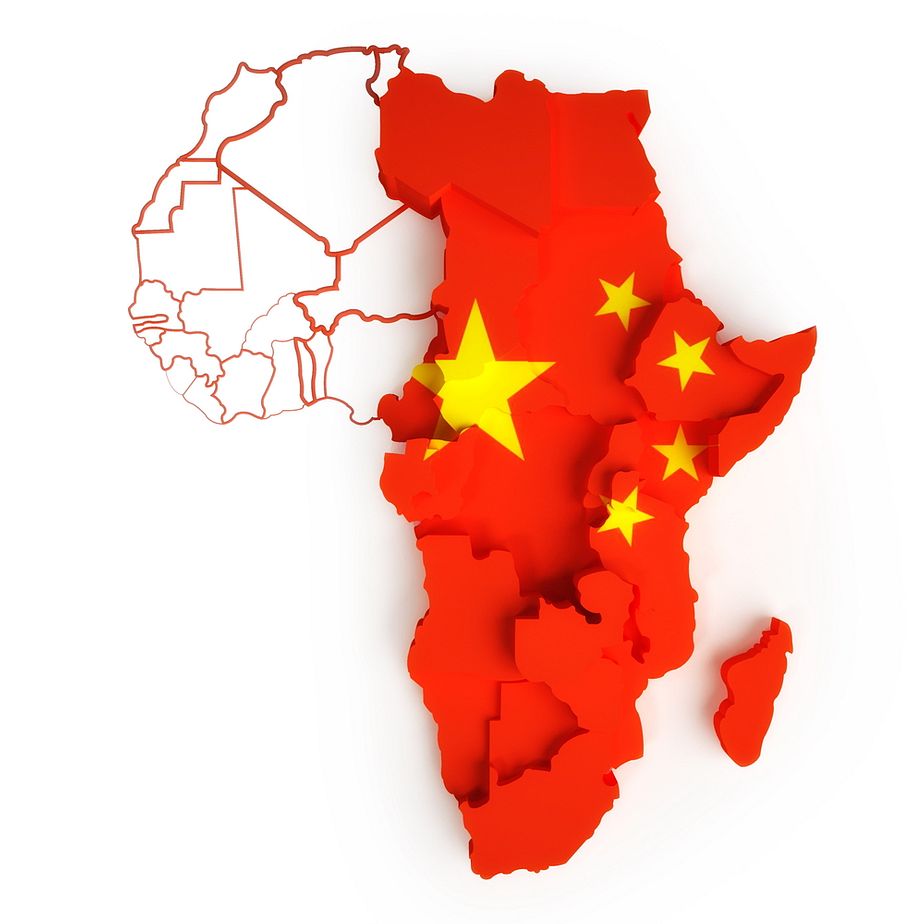
China tells Africa: ‘Monopolies bad!’

In an interesting twist, a representative of the last properly remaining centralised economy (the People’s Republic of China) has admonished African nations (specifically South Africa, where he acts as Ambassador) to enhance competition-law enforcement against dominant firms, including Western tech giants.

We observe that his statement is an “interesting” twist, because the Editor was taught over the years in several (perhaps faulty?) history lessons that the PRC itself had been inarguably heavily reliant on government-run monopoly companies for decades.

But let’s cut to the chase of what Mr. Xiaodong is actually saying: his thesis, not exactly ground-breaking in antitrust circles, can be summarised succinctly as “excessive power and influence of technology giants hinder innovation and competition and increases economic inequality.” There!

With regards to the applicability of his thesis to South Africa, the ambassador notes that “Antimonopoly practices also exist in SA. The control over data fees and food prices imposed by big corporations here has safeguarded consumers’ rights and interests. Monopolistic actions in the platform economy is also a matter of grave concern for SA’s Competition Commission. No country can turn a blind eye to the negative externality of the emerging digital economy.”

Image credit: Shutterstock

“Negative externalities…” sound very much like proper Western antitrust-economics-speak. Interesting. However, there is of course an ulterior motive behind this little lesson in competition economics from his excellency, the honorable ambassador. It comes at the end of his “opinion” piece: China would like to do more business in Africa, strengthen its ties, and deepen its influence (including in the area of education – beware!)… In the diplomat’s own words: “China’s high quality economic development brings greater opportunities for Africa’s development. … And China’s current cumulative investment in SA has exceeded $25bn, creating more than 400,000 jobs directly and indirectly in the region and making big contributions to SA’s economic and social development.”

Curious news, perhaps not so much any more after digging deeper. Especially when the interested reader googles (oh yes, coincidentally using that same FAANG company’s services that Mr. Xiadong’s diatribe indirectly disparages here) the simple search term “China – Africa“, the latest news from today’s South China Morning Post is that “China seeks to expand influence in Africa with more digital projects…” — nice coincidence.

Well, now readers of AAT know.

China wants to “share the achievements of digital technology with Africa to promote interconnectivity”

Competition Law Africa conference 2021 / this Tuesday

The Informa Competition Law Africa conference is back with a vengeance this year, albeit still held virtually due to the pandemic.

The overview can be found here, and the more detailed agenda here.

Speakers include South African enforcer Hardin Ratshisusu, COMESA chief Willard Mwemba, the OECD’s competition expert Frederic Jenny, Mahmoud Momtaz, head of the Egyptian competition authority, Lufuno Shinwana, senior legal counsel on competition issues for Anheuser-Busch Inbev, Ntokozo Mabhena, Anglo American’s Legal Advisor, and Maureen Mwanza, head of legal for the Zambian CCPC.

Primerio partner, Andreas Stargard, will host the afternoon panel on Vertical Restraints, interviewing Okikiola Litan, Senior Counsel, Commercial and Competition Law, with Coca-Cola Hellenic Bottling Company.

Podcast explores latest developments across Africa

The latest episode #122 of Sheppard Mullin’s popular NOTA BENE podcast features Primerio’s Andreas Stargard, exploring “Africa Q2 Check In: Economic Growth and Relevance.”

Africa continues to strive for economic growth through various trade partnerships and foreign investments, but long-standing challenges remain an impediment in certain respects. Is Twitter’s decision to open an African base in #Ghana any indication of the continent’s economic potential? We’re joined by #Africa competition and markets expert, Andreas Stargard, a co-founding senior member of Primerio Ltd., as he shares insights on Africa’s economic outlook in Q2 of 2021.

You can listen to it for free on all major ‘podcatchers,’ including here:

Africa: Increased growth rates, innovative banking sector, investment vs. development aid

The above topics were among those discussed at this year’s #AfricaFinanceForum, hosted by the Corporate Council on Africa.  The annual event featured high-level speakers, such as Rhoda Weeks-Brown, IMF General Counsel, who pointed to increased expected economic growth rates of 3.5% in 2019 (half a point higher than in 2018) and a faster per-capita income rise in Africa  than in rest of the world.  “Also up for debate was the dichotomy of investment vs. development assistance as the key driver of economic development on the continent,” notes Andreas Stargard, who attended on behalf of Primerio Ltd.

Ms. Weeks-Brown noted the rise of pan-African (vs. purely domestic) banks, observing the added benefit of improved competition, as well as the steady rise of fintech on the continent. The latter is especially important as the continent is still under-banked and relies heavily on the informal sector (less than 20% of sub-Saharan Africa’s population has a bank account).  Yet Africa leads the world in mobile money.  Mr. Stargard noted that “[s]he and many other speakers on subsequent panels agreed that there was a delicate balance to be struck by regulators and legislators of weighing innovation against the proper level of FinTech regulation and its integration benefits against anti-competitive effects thereof.  The IMF attorney was careful to point out that banking & financial integration must grow in conjunction with, and to support, economic and trade integration, as financial stability is a public good.  Africa requires strong sector regulators that must remain free from undue political or industry interference.”
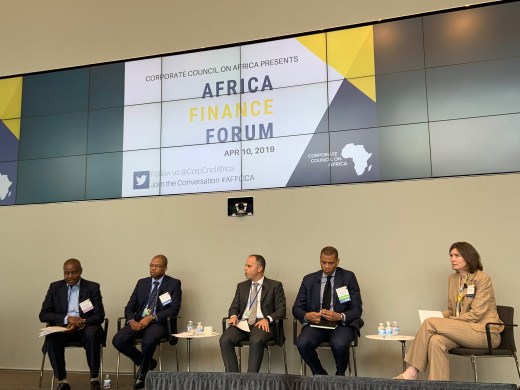
Kalidou Gadio, a lawyer at Manatt, provided a sanguine assessment of the state of banking in Africa, noting that it is not up to par globally, but better than it was a decade ago, before and during the financial crisis. He also pointed to the net positive effect of banks facing increasing competition from newcomers to the space, such as Orange, M-Pesa and other telecom firms.

Dr. Maxwell Opoku-Afari, First Deputy Governor of the national Bank of Ghana observed the difficulties in setting proper licensing rules for fintech companies by central banks, and commented on the concentration risk in banking.

Phumzile Langeni, special investment envoy of the RSA, gave an objective speech on the investment opportunities in South Africa, including the President’s FDI incentive programme.  She answered difficult questions with aplomb — for example those about the country’s land reforms, infrastructure troubles, and unemployment — and spoke of the enormous growth potential and the “youth dividend” in South Africa and the continent in general.

The half-day event was rounded out by a panel focussed on central banks’ handling of the unique foreign-exchange problems faced by certain African nations, notably Mozambique and Angola, whose central banks had representatives on the panel, including the issues of ForEx reserve allocation and pegged rates.

“Emerging Antitrust”: One size doesn’t fit all?

Pro rem publicam

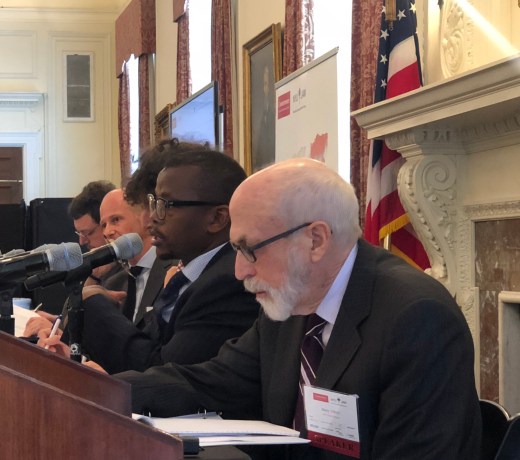
At the Concurrences “Antitrust & Developing and Emerging Economies” conference held at NYU Law last Friday — and aptly sub-titled “Coping with nationalism, building inclusive growth” — the audience was treated to a (rather iconoclastic, yet fascinating) keynote speech by Nobel laureate economics professor Joe Stiglitz, which highlighted what would become a theme woven throughout the four panels of the day: One size does not fit all when it comes to competition-law regimes, according to a majority of the speakers; imposing a pure U.S. or EU-derived methodology without regard to local economic and/or political differences is doomed to fail.  However, as we outline further below, there were also countervailing voices…

Nobel Laureate Joseph Stiglitz: “Revisit all of antitrust!”

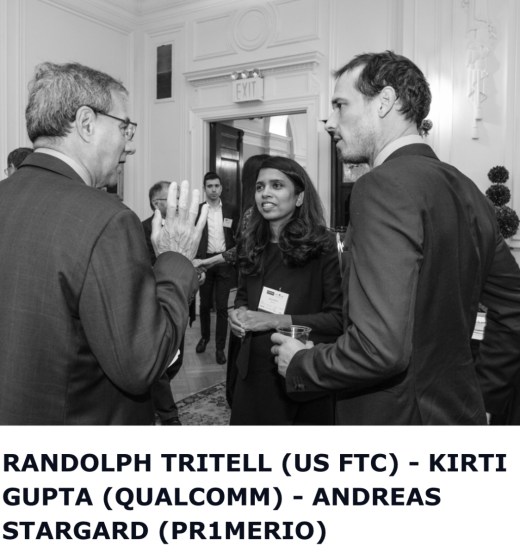
In the words of Professor Stiglitz, his advice to developing nations was (perhaps to the chagrin of U.S. government representatives, such as the FTC’s international director, Randy Tritell): “don’t copy the US antitrust laws and presumptions!”  Smaller markets in developing countries are even more susceptible to market power by few large firms.  Competition law can be used in developing countries to advance the public interest, as there are fewer “tools in the toolkit” in those nations, and in his view, all available tools should thus be used.  He referred to the WalMart/Massmart transaction in South Africa in this regard, noting the public-interest conditions imposed there.

On the day’s Mega Mergers panel, SACC Commissioner Tembinkosi Bonakele noted how the outcomes of truly global “mega mergers” all having been positive, “there has been no outright prohibition, there really is no problem that’s too big which could not be remedied by the authorities and the parties.”

Andreas Stargard and Commissioner Tembinkosi Bonakele (South Africa)

Observes Andreas Stargard: “Commissioner Bonakele also pointed to the importance of international merger enforcers cooperating on remedies, in order to allow these positive outcomes to be maintained.  Taking up Professor Harry First’s hypothetical of a joint or ‘merged’ antitrust enforcement agency, Mr. Bonakele considered a combined merger authority for the African continent a possibility, especially in light of the many small jurisdictions which individually lack resources to police cross-border M&A activity.”  Mr. Bonakele expressed the concern that “the smaller, national enforcers certainly feel as if they cannot block a mega deal on their own, so they largely defer” to the established agencies, such as the EC and DOJ / FTC.

In response to Frederic Jenny’s critical introduction of the South African Competition Amendment Act, Commissioner Bonakele commented that the current legal regime lacked the ability to tackle concentration as a market feature in itself, whilst the SACC had a comparatively positive track record on unilateral enforcement issues.  Overall, he disagreed with the moderator that most of the Bill’s changes were drastic, stating simply that it would in fact bring South Africa more in line with other international regimes.

As to the ministerial intervention powers, he identified two concerns, namely the use of the agency’s resources as well as the possible risk of abuse by a minister who could employ the new law to pursue ulterior motives against a firm or a sector.

Counterpoint: public interest or politicization?

Prof. Ioannis Lianos characterized the “slightly fuzzy public interest test” as largely a scheme to enhance the bargaining power of the competition agencies that do apply such a test.

Canadian attorney and former enforcer Lawson Hunter pointed out that the trend of growing political interference in the merger approval process has spread globally, not only in developing nations but also in well-established regimes — often under the guise of national security reviews, which are “obscure, opaque in process, fundamentally political, and without any ‘there there’.”  Merger review has “simply become very broad and less doctrinal.”  “I found it interesting that Mr. Hunter recommended that other antitrust agencies should give more frank input into their sister agencies, if and when those stray from the right path,” said Stargard, who focuses his practice on competition matters across the continent.  “Hunter also pointed to the tendency in emerging antitrust jurisdictions to abuse the remedy process in merger control to address economic issues that lie well outside the actual competition concerns that may have been found — an issue we have also come across, sadly.”

Commissioner Bonakele closed the final panel of the day by addressing the recently ratified South African Competition Amendment Bill: he admitted that there were some “radical” provisions in the law, such as the power to break up companies, as well as the existence of a risk of government using the law’s new national security provision in a protectionist manner. He concluded by stating his personal worry that the law had possibly too much ambition, which could be difficult to implement in reality by the SACC.