As reported by AAT here last month, the PepsiCo / Pioneer Foods mega deal has caused the parties to agree to a number of conditions imposed by the South African Competition Commission, despite there being no material overlap between the parties which give rise to any legitimate competition concerns.
Now, COMESA has joined the field, with its Competition Commission likewise reviewing the transaction’s effect on the common market under its jurisdiction, pursuant to Notice 39/2019. The Competition and Tariff Commission of Zimbabwe will likely provide its confidential input as to the transaction to the CCC. According to local news outlets, the proposed U.S. $1.7 billion takeover by American conglomerate giant Pepsi has sent Zimbabwean and other local and regional competitors “into panic mode.”
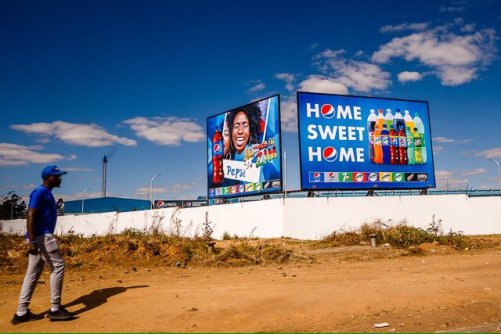
In the specific context of the Zimbabwean non-alcoholic beverage market, local beverage producer Varun Beverages sells Pepsi’s brands and already enjoys significant tax benefits from its “special economic zone” status. The local competitors’ concern is that, if Varun also obtains the full rights to distribute all of Pioneer’s FMCG products, it will put smaller rivals at a disadvantage.
Taken together with other regional taxation incentives (in Zambia, Varun had temporarily been granted a deferment of value-added tax and excise duty for five years, which was however reversed upon a finding of likely illegality), the impact may indeed affect the competitiveness of Varun’s rivals. However, it remains to be seen whether the Pepsi/Pioneer deal itself has any material adverse competitive effects overall, as this is the transaction under review after all, comments legal practitioner Andreas Stargard. “Besides, merger reviews pursuant to established antitrust law concern themselves not with the welfare of competitors, but with the maintenance of overall competition in the total relevant market. Just because some rival is hurt does not make the deal anti-competitive per se,” says Stargard. Moreover, there are major competitors still to reckon with, such as Delta brands, which has historically dominated the Zimbabwean market, and only recently lost market share to Varun, which has budgeted US$150 million in investments over the next five years. “These investments and the increased rivalry between a potentially strengthened Varun and the existing market leader Delta may actually be considered pro-competitive indicators by the competition regulators, such as the CCC and the Zim authorities,” concludes Stargard.
On 9-10 September 2019, the Comesa Competition Commission (CCC) hosted its 6th “Regional Sensitization Workshop for Business Reporters on Competition Law and Trade Developments within the Common Market” workshop in Nairobi, Kenya as part of its advocacy initiative to promote competition law and enforcement activities across the COMESA region.
AfricanAntitrust, having attended last year’s event, was again invited to attend the event and senior contributor and competition lawyer, Michael-James Currie, attended the event on behalf of AAT and participated in a serious of panel discussions and informal interactive sessions with members of the CCC and Competition Authority of Kenya.
The workshop was well attended with a year on year increase in attendees reflecting the importance and popularity of this initiative. The CCC should be congratulated on a well organized and structured workshop.
Patrick Okilangole, Board Chairperson of the CCC, opened the event by highlighting the importance of competitive domestic markets to “realize the benefits of trade; multilateral and bilateral trade agreements recognize the need to guarantee that restrictive business practices do not hinder the positive effects of free trade”.
Protectionist policies was identified by Okilangole as one of the key impediments to effective regional growth and trade. More specifically, Okilangole highlighted the following consequences of protectionist policies:
“(i) Ineffective competition policy frameworks. Over the past few years, competition law has been enacted in several Member States of the Common Market. However, in some countries, competition frameworks have included:
(ii) unjustified and discretionary exemptions, for example, utilities managed by the state in key economic sectors,
(iii) lack of sufficient investigative powers and tools in the current national and regional legislation to deter anticompetitive behaviour,
(iv) lack of independency in decision making since competition agencies report to and their decisions may be vetoed by a ministry, and
(v) significant government intervention in markets such as price controls in potentially competitive markets, controlling essential products, margins, and geographic areas.”
Okilangole reaffirmed the true hallmark of an effective competition law regime, namely that competition law should be focused on protecting the competitive process and not a particular competitor. “The rules are not meant to punish large companies on account of their size or commercial success. The key feature of the competition rules is to create a level playing field for all business players in the market.”
Okilangole’s remarks were echoed by the Chief Executive Officer of the CCC, George Lipimile who emphasised the need to move away from protectionist policies in order to realise the benefits that flow from increased regional trade.
Restrictive business practices, particularly abuse of dominance practices and collusion were identified by Lipimile as being particularly prevalent within COMESA and that increased enforcement activities are required, both by the CCC and regional agencies, to detect and prosecute anti-competitive behaviour.
The workshop was also used as an opportunity to present and engage on the CCC’s Guidelines on Restrictive Business Practices (which were approved in April 2019). The objective of the Guidelines is to provide greater clarity, predictability and transparency in relation to the analytical framework which will be used to evaluate alleged anti-competitive conduct. The Guidelines also provide greater guidance on the process and circumstances in which the CCC may grant exemptions.
The CCC was well represented (so to was the CAK) and senior investigators, analysts and members from the executive team provided useful insights into the enforcement activities of the CCC as well as what lay ahead in the pipeline. Attendees were invited to engage, debate and where appropriate raise concerns regarding the efficacy of competition law enforcement in COMESA. It is this willingness to be open and engage proactively with constructive criticism which is perhaps the hallmark of this CCC initiative and certainly welcomed by the attendees.
As to enforcement updates, the CCC put together comprehensive presentations both in relation to merger control and restrictive business practices more generally. We highlight some of the more noteworthy developments below.
Merger Control
Willard Mwemba, manager of mergers and acquisitions at the CCC, confirmed that over 230 transactions have been notified to the CCC between 2013 and July 2019. Of these, 17 were approved subject to conditions.
From a merger trend perspective, the CCC witnessed an increased shift in merger notifications in traditional sectors, such as agriculture and construction, to emerging sectors such as energy, banking and financial services with the most active member states including Kenya, Zambia, Mauritius, Zimbabwe and Uganda.
As to merger activity in COMESA, Mwemba confirmed that there has been a decrease in merger activity in the first half of 2019, largely as a result of a decrease in global activity and that the value of transactions that occurred within the first half of 2019 dropped from USD 527 billion to USD 319 billion for the same period in 2018. This is also consistent with the 19% decrease in the number of notifiable transactions globally.
The combined total turnover value of all mergers assessed by the CCC to date amounts to over USD 110 billion. Although 2019 figures were not presented, the CCC highlighted that total Foreign Direct Investment in COMESA grew in 2016 from USD 18.6 billion to USD 19.3 billion in 2017 representing nearly half of Africa’s total FDI inflows. Again, highlighting the significance of the COMESA market in the global space.
Enforcement Activities
Although the CCC has had an active merger control regime in place for many years, a number of commentators have raised the lack of robustly investigated and prosecuted abuse of dominance or cartel cases as a key hindrance to effective competition law enforcement in COMESA. While the CCC acknowledges that more should be done in this regard, below is a list of non-merger matters which the CCC has concluded in past three years:
Exemptions
Matter
Sector
Affected Member States
Assessment of the supply agreement between Eveready East Africa Limited and Supreme Imports Limited
Assessment of the supply agreement between Eveready East Africa Limited and Sayyed Engineers Limited
Writing implements
East Africa
Assessment of the supply agreement between Eveready East Africa Limited and Chloride Egypt SAE
Automotive Batteries
Burundi, DRC, Ethiopia, Kenya, Rwanda, Uganda
Assessment of the Distribution Agreement between John Deere (Proprietary) Limited and AFGRI Zimbabwe Private Limited
Agriculture Equipment
Zimbabwe
Assessment of the Distribution Agreement between the Wirtgen Group and the Motor Engineering Company of Ethiopia
Agriculture and Construction Equipment
Ethiopia
Assessment of the Distribution Agreement between the Wirtgen Group and UMCL Limited
Agriculture and Construction Equipment
Comoros, Mauritius, Seychelles
Assessment of the Distribution Agreement between the Wirtgen Group and Sodirex SA, Madagascar
Road Construction Machinery
Madagascar
Application for the Joint Venture Agreement between Kenya Airways PLC, Koninklijke Luchvaart Maatscahppij NV (KLM) and Societe Air France SA
Aviation
Kenya
Assessment of the distribution agreements between Unilever Market Development (Pty) Limited and Distributors in the Common Market
FMCGs
DRC, Madagascar, Mauritius,
Determination of Anti-Competitive Conduct: Procedure of Commission on its own volition
Matter
Sector
Affected Member States
Investigation into the Distribution Agreements entered into between Eveready East Africa Limited and Clorox Sub Saharan Africa
Bleaching agents
East Africa
Investigation into the Distribution Agreements entered into between Parmalat SA (Pty) Limited and its Distributors
Milk and dairy products
Eswatini, Malawi, Zambia and Zimbabwe
Investigation into the Distribution Agreements between Coca-Cola Beverages Africa and Distributors in the Common Market
Non-alcoholic beverages
Comoros, Ethiopia, Uganda
False or Misleading Representation
Matter
Sector
Affected Member States
Misleading Advertising by Fastjet Airlines Limited
Aviation
Kenya, Uganda, Zambia, Zimbabwe
The CCC also confirmed that they are currently conducting a number of market screening initiatives across priority sectors. Following the conclusion of these screening exercises, the CCC will decide whether to prosecute any firms engaged in restrictive business practices.
As part of the CCC’s efforts in detecting and investigating anti-competitive behavior, the CCC has increased its collaborative efforts with domestic member agencies and has established the “Restrictive Business Practices Network” to increase the efficacy of cross-border cases.
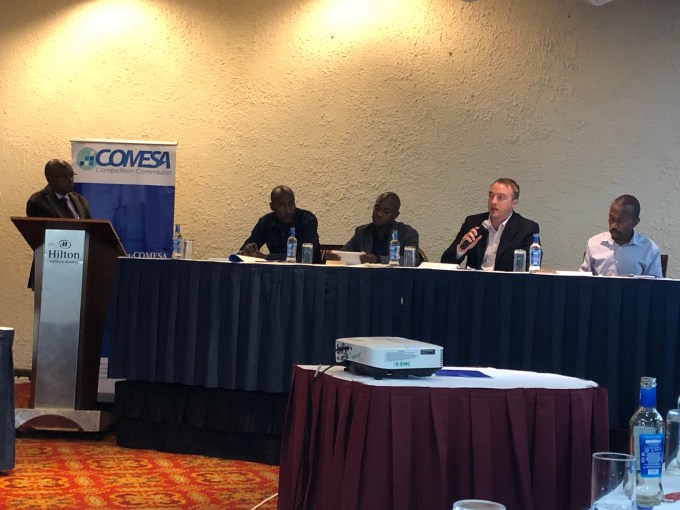
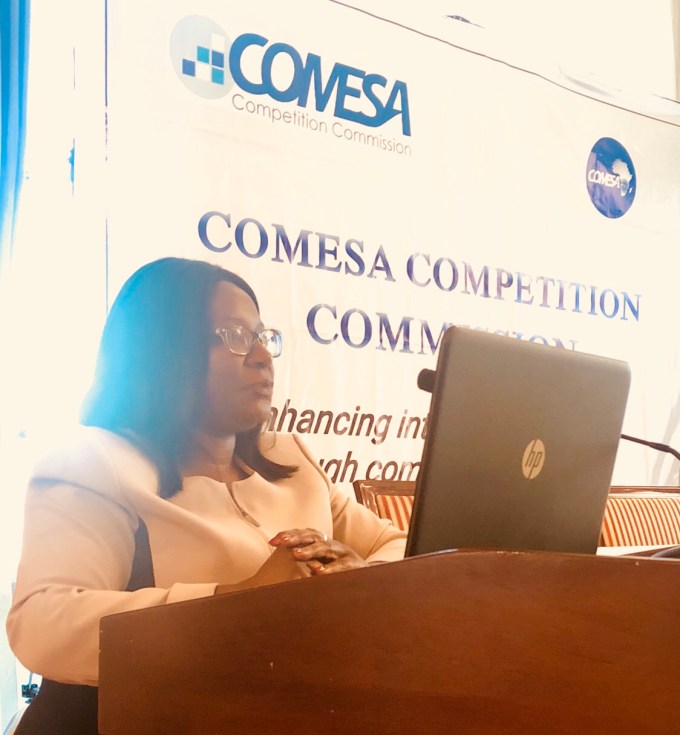
[Michael-James Currie speaking on a panel discussion on “How to improve the quality of reporting on regional integration and competition law related matters” facilitated by Mr Mwangi Gakunga from the Competition Authority of Kenya]
Conclusion
In light of the tripartite negotiations between SADC-EAC-COMESA as well as the negotiation of competition policy in terms of the African Continental Free Trade Agreement, it is imperative that the CCC develops an effective competition enforcement regime which assists and incentivizes free trade across the relevant markets. To do so, the CCC must be equipped with the necessary resources to ensure that it has the capacity to effectively execute its policies.
Despite the significant challenges faced by the CCC, it is encouraging to note that the CCC is taking a more robust approach to detecting and prosecuting anti-competitive practices in the COMESA market and are endeavoring to do so in accordance with international best practices.
If the CCC is able to deliver on the objectives and action items which were discussed in detail at the workshop, then there is every reasons to look forward to a more active CCC in the months to come with interesting cases likely to be brought to the fore.
While the ECOWAS competition regime is not new in and of itself (it was adopted in 2008), the actual operationalization of the ECOWAS Regional Competition Authority (ERCA) is — its inaugural ceremony in took place this past Tuesday in The Gambia, 11 years after its technical launch (although it was established jointly with the adoption of the ECOWAS competition legislation, it remained non-operational for over a decade). Its mission is to enforce the multi-national body’s Regional Competition Policy Framework (RCPF).
ERCA’s efforts will be supported by the twin launch of the ECOWAS technical committee meeting of national trade and competition representatives to assist in implementing the RCP, including both its competition/antitrust as well as consumer protection mandates.
ERCA is a specialized, autonomous quasi-judicial body designed to help promote regional economic growth and competitiveness in the ECOWAS common market.
Andreas Stargard, a competition law practitioner with a focus on African antitrust issues, noted that the ECOWAS rules, while not enforced in practice until now, will reflect more of a European approach to competition regulation, as “they include provisions to evaluate and render invalid certain types of governmental support for domestic champion companies and industries, akin to the EU model of ‘state aid’ rules, which do not always form part of antitrust regimes globally. This makes sense, in our view, in the African context, however, as most domestic economies on the continent have long been subject to state-owned monopoly enterprises and so-called national champions — one need not look further than the various large African state-owned airlines, for example.”
He concluded that two key issues remain to be seen, once ERCA launches its first investigations and brings enforcement actions: “First, with the increasing number of regional enforcers, how will jurisdictional overlaps be resolved, both regional/national, as well as regional/regional, conflict? Many ECOWAS members are also part of other African multi-national organizations that have some form of competition or consumer protection regulations as part of their mandate, such as the west African monetary union. Second, what will the be the degree — if any — of ‘public interest’ considerations that may be in play for the 15-member state body’s antitrust enforcement, perhaps copying many of its African sister commissions’ approach…”
Primerio’s Merger Team First to Obtain Clearances on Bayer’s $66 Billion Monsanto Acquisition
The Global Competition Review 2019 GCR Awards honoured the companies and their in-house and outside counsel responsible for shepherding the massive agriculture transaction through the multi-jurisdictional merger-control processes around the globe. The Bayer/Monsanto (with divestitures to BASF) merger garnered overall “Matter of the Year” as well as “Merger Control Matter of the Year” in Europe. The ceremony took place in Washington, D.C., during the annual ABA Spring Meeting antitrust conference.
The legal team advising St. Louis-based Monsanto on all African competition approvals was led by John Oxenham and Andreas Stargard, ably assisted by attorneys in 4 African jurisdictions — South Africa, COMESA, Tanzania, and Kenya. The Primerio lawyers had the unique distinction of obtaining the first out of dozens of required clearances.
Monsanto Africa counsel, Stargard and Oxenham, of Primerio
COMESA’s second restrictive trade practices investigation ends inconclusively
Having now concluded two non-merger cases (the first was an exclusivity issue in football broadcasting and sponsorship agreements, seehere), the COMESA Competition Commission’s (“CCC”) second investigation into restrictive vertical distribution practices engaged in by Coca-Cola and its distributors has culminated in somewhat of an indeterminate ending.
No fines were imposed, and the Coca-Cola parties agreed to eliminate the price-maintenance clause from their distribution contracts, as well as committing to implementing a generic compliance programme.
Says Andreas Stargard, a competition practitioner with Primerio Ltd., in an in-depth analysis of the short Decision (dated 6th December 2018, but only released recently):
I am very disappointed in this missed opportunity. The Decision lacks intellectual rigour and avoids critical detail, to assist practitioners or business going forward in any meaningful way.
This investigation began in earnest well over a year ago, when the CCC opened formal Article 22 proceedings against the parties in January 2018. In its disappointingly short 9-paragraph decision, lacking any degree of detailed reasoning, factual or legal analysis underlying its conclusions, the Commission has now determined the following:
The relevant product market is the sale of non-alcoholic carbonated beverages. I note that the wording of this definition would presumably include sparkling mineral water, which appears to be an outlier from the ‘soft drinks’ category that is actually at issue here (“Coke,” Fanta,” “Sprite,” etc.).
A relevant geographic market was notably not defined at all (!). The absence of this key dimension is unfortunate — it is not in accordance with established competition-law principles, as market power can only be measured in well-defined product and geographic markets. While the decision mentions the countries in which the parties are active, it fails to identify whether each country was viewed as a relevant sub-market, or whether Coca-Cola’s market power (or dominance) was assessed across the entire COMESA region. This appears to be a glaring oversight.
The CCC found relatively low entry barriers, as well as apparently actual “new product” entry (NB: does “new product” imply products by a new or different competitor?).
Yet, despite ‘non-prohibitive’ entry barriers, the Commission somehow views the mere fact that the respondent’s brands “continued to command a majority share of the relevant markets” (NB: where is the plural (‘markets’) coming from here? I thought there was only a single market for ‘non-alcoholic carbonated beverages’?) as leading to a finding of dominance.
Crucially, the actual conduct complained-of (the vertical restraints, the alleged RPM, etc.) is barely identified and lacks any significant detail. Paragraph 7 merely provides that there are “clauses which stipulate the profit margins to be enjoyed by the distributors, as well as the commission at different levels of the market. … [and] vertical restraints which constrain the distributors’ conduct in the relevant markets” (note the plural again). This absence of key information — ‘what were these so-called vertical restraints’? how were distributors constrained in their conduct? — in an official ‘Decision’ by the enforcement agency wholly fails to assist businesses seeking antitrust guidance for operating within the legal boundaries in the COMESA region.
Finally, the CCC’s overall conclusion is rather weak: the Decision states that the Commission merely “registered its concern that the stipulation of prices [I thought it was profit margins?] mayhave anti-competitive effects in the market [back to a single market?].” To address these ‘potential’ ‘concerns’, Coca-Cola appears to have voluntarily committed to removing the offending contract language and instituting a (wholly undefined) “compliance program” that exclusively concerns Part III of COMESA’s regulations.
In sum, Coca-Cola seems to have got away easy here: no fine was imposed at all (which could have been as much as 10% of the parties’ COMESA revenues), a limited, voluntary training exercise was agreed, as was the removal of the RPM provision.
The CCC, on the other hand, missed a truly golden opportunity to draft a more well-reasoned decision. Its 9-paragraph reasoning (which notably concludes with a finding of actual dominance nonetheless!) can literally fit on a single page… Remember: resale price maintenance is considered in many jurisdictions to be a “hard-core” offence, and is often deemed per se illegal. In this regard, the Decision likewise fails to make any mention of the relevant legal standard under the COMESA Regulations for evaluating the RPM (and the other unidentified, vertical) conduct.
Andreas Stargard
The flaws outlined above — from the lack of geographic market definition, missing market share data and other highly relevant details, zero explanation of why low entry barriers somehow did not preclude a finding of dominance, use of tautological and circuitous verbiage (“restraints which constrain“?) — preclude this “conduct” case, notably already a rarity in the CCC’s portfolio, to be a lightning rod for the assent of the COMESA Competition Commission to become a respected competition enforcer. This was a chance for the agency to be placed on the radar screen of international businesses, agencies and practitioners, to be seen together on the map with its respected peer antitrust enforcers such as the South African Competition Commission — yet, it was a chance unfortunately missed…
For the small but growing segment of COMESA Competition Commission observers in the world, some recent developments relating to a key member state may have gone unnoticed: the CCC held a training workshop for Ugandan officials, including over 110 ministerial District Commercial Officers, in sensitizing them to competition-law issues, spotting antitrust offences, and catalysing the enactment of robust competition legislation in the East African nation, whose GDP exceeds $25 billion and has exhibited consistent growth over the past several years.
This development of the CCC supporting domestic antitrust enforcement and legislative efforts is not only affirmatively required by the COMESA Treaty, obligating member states to enact legislation comporting with the CCC Regulations, but has long been foreshadowed by CCC officials.
For example, at this year’s region-wide sensitization workshop held by the CCC in Nairobi, Kenya, the agency’s leadership assured me personally that they would undertake these capacity-building programmes throughout COMESA member states, especially those with less-developed competition-law regimes, including Uganda.
CCC Board Chair Patrick Okilangole (Uganda)
Uganda is a key COMESA country that does not have a functioning antitrust enforcement body or underlying legislation. Mr. Stargard adds that “the CCC’s choice of Uganda as a target jurisdiction may, in addition, also have been influenced by the fact that the current CCC Board Chairman is Patrick Okilangole, a Ugandan national,” whose appointment to the Commission’s Board was recently renewed in July.
The COMESA Competition Commission (CCC) has vowed to develop a system which will allow the CCC to have better oversight (to in turn ensure effective enforcement) over anti-competitive behaviour in member states.
This follows extensive research conducted by the CCC’s which indicates that anti-competitive practices are increasingly prevalent throughout its member states and is causing consumer harm.
George Lipimile, CEO of the CCC says that while protective measures put in place by national governments (aimed at shielding their companies from competition) is a serious threat to the region as cartels are prevalent is almost all sectors of the economy.
The CCC has also singled out the banking sector, stating that: “[w]e [CCC] have seen quite a lot of abuse in terms of non-disclosure of critical information to consumers”.
Andreas Stargard, antitrust lawyer at Primerio Ltd., attributes the increase in anti-competitive behaviour in the region to a lack of awareness of consumers’ rights groups to recourse under competition laws. “Antitrust is a comparatively new and developing phenomenon in most of the COMESA member states, and it will take time for local authorities to increase public awareness around the benefits of antitrust to consumers”, he says. “One way to increase such awareness is, of course, closer engagement of private legal consultants as well as media, whether online, print, or radio and television.”
The CCC has vowed to intensify efforts to increase awareness within member states and to ensure effective and robust enforcement of competition laws in the region.
KENYA
The Competition Authority of Kenya (CAK) has rejected a study (presented at the National Assembly Committee on Communication, Information and Innovation) by the Communications Authority which aims to introduce price capping in the telecommunications sector as a means to ‘remedy’ high concentration in the market.
In dismissing the study, the CAK Director General Kariuki Wang’ombe stated that “[i]t is important to highlight that dominance is not an illegality. What is an illegality is the abuse of dominance position. The intervention of a regulator should be informed by abuse of dominance position.”
Ruth Mosoti, a leading Kenyan competition practitioner, notes that the CAK, in an effort to steer clear of being considered a pricing regulator, “proposed that the Communications Authority focus on ensuring the sharing of resources by dominant firms (so as to ease barriers to entry and reduce switching costs so as to facilitate the entry and participation of competitors in the market) as opposed to setting a price cap.”
The CAK further urged the Assembly Committee to facilitate co-operation between the CAK and the Communications Authority in order to ensure effective regulation in the sector. “I request this committee to come up with a way of compelling the regulators to work together for the betterment of this sector. It might not be easy for only one regulator to regulate this sector. This issue is more of personal relationship,” Kariuki said.
Safricom Kenya CEO, in response, expressed his concerns stating that “[t]he operators who are seeking these interventions today will have been taught not to invest but instead to rely upon the infrastructure that is built by others. They will have been taught not to innovate as innovations will be served to them on a silver platter”.
NAMIBIA
Following an announcement by the Namibia Taxi and Transport Union (NTTU) that taxi fares will increase (following approval of its members at a joint meeting), the Namibia Competition Commission (NCC) warned the taxi operators to follow due process in seeking to introduce joint price increases to avoid falling foul of the Namibia Competition Act (Competition Act).
In terms of the Namibia Road Traffic and Transport Act (Transport Act), the Transport Board may endorse a collusive price increase in the industry (of not more than 10%). The NTTU has, however, announced that despite their understanding that the Transport Act stipulates that any fare increase should not be more than 10%, they will continue to implement the 50% price increase, with or without approval.
The NCC has, therefore, warned taxi operators that any collusive price increase (which is contrary to the Transport Act) will amount to a contravention of the Competition Act. The NNC released a statement saying “[t]axi operators who collusively and intentionally impose fixed taxi fare increases without following the due process set out in the Road Transport Act will render themselves liable in terms of the Competition Act and thereby attract a formal investigation which may lead to punitive civil and/or criminal sanctions”.
The NCC has previously resolved not to investigate Bus and Taxi Associations for price fixing, provided that such conduct was authorised under the Transport Act.
John Oxenham, also a director at Primerio Ltd. notes that the passenger transport is sector is increasingly considered a priority sector in Africa with Namibia’s neighbouring country, South Africa, having commenced a market inquiry into the public passenger transport sector which, inter alia, will assess the impact of ride-hail apps such as Uber on competition in the traditional taxi sector.
In a milestone enlargement of the (now formerly) 19-member COMESA region, Tunisia and Somalia have acceded to the trade bloc at the 20th COMESA Summit on 19th July 2018, creating #COMESA21 – Africa’s largest free trade region.
Their application to join had been pending since 2016. Under the Treaty, the new members will be bound by the provisions of the Treaty and must deposit their formal instrument of acceptance of the terms of admission with the Secretary General, together with an instrument of accession pursuant to Articles 194 and 195 of the Treaty with regard to a State admitted to full membership. Says Primerio’s Andreas Stargard, “with the privilege of membership comes the obligation of agreeing to abide by the antitrust rules promulgated under the COMESA Treaty. This includes the Competition Commission’s procedural and substantive rules and notably its merger regulations. It remains to be seen how the still weakened bureaucratic structure of the Somali Republic will be able to implement the strictures of a working competition-law regime…”
Indeed, the CCC’s recent Notice No. 2/2018 provides that “the provisions of the COMESA Competition Regulations of 2004, and its accompanying rules, shall be enforceable in the territories of the Republic of Tunisia and the Federal Republic of Somalia with immediate effect.”
Personnel News 2018
In addition to gaining two new member states, COMESA also underwent personnel changes, adding an experienced antitrust practitioner, Zimbabwean Competition and Tariff Commission director, Ellen Ruparanganda, as one of the nine CCC commissioners, for a term of three years. Besides Ms. Ruparanganda, Francis Lebon (Seychelles), Ali Hamadou Ali Kako (Djibouti), Thembelihle Dube (Eswatini, formerly Swaziland), Danson Buya Mungatana (Kenya), Michael Teklu Beyene (Ethiopia), Charlotte Wezi Malonda (Malawi), Islam Tagelsir Ahmed Alhasan (Sudan), and Brian Muletambo Lingela (Zambia) were also sworn in.
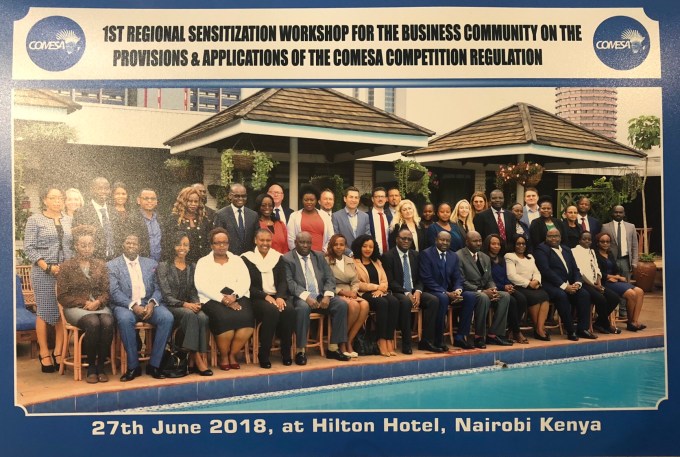
The first-ever COMESA-sponsored competition law workshop focussed solely on the business community, currently underway in Nairobi, Kenya, stretches the capacity of the Hilton conference room where it is being held.
The event’s tag line is “Benefits to Business.” Especially now, with the African continent sporting over 400 companies with over $500m in annual revenues, the topic of antitrust regulation in Africa is more pertinent than ever, according to the COMESA Competition Commission (CCC).
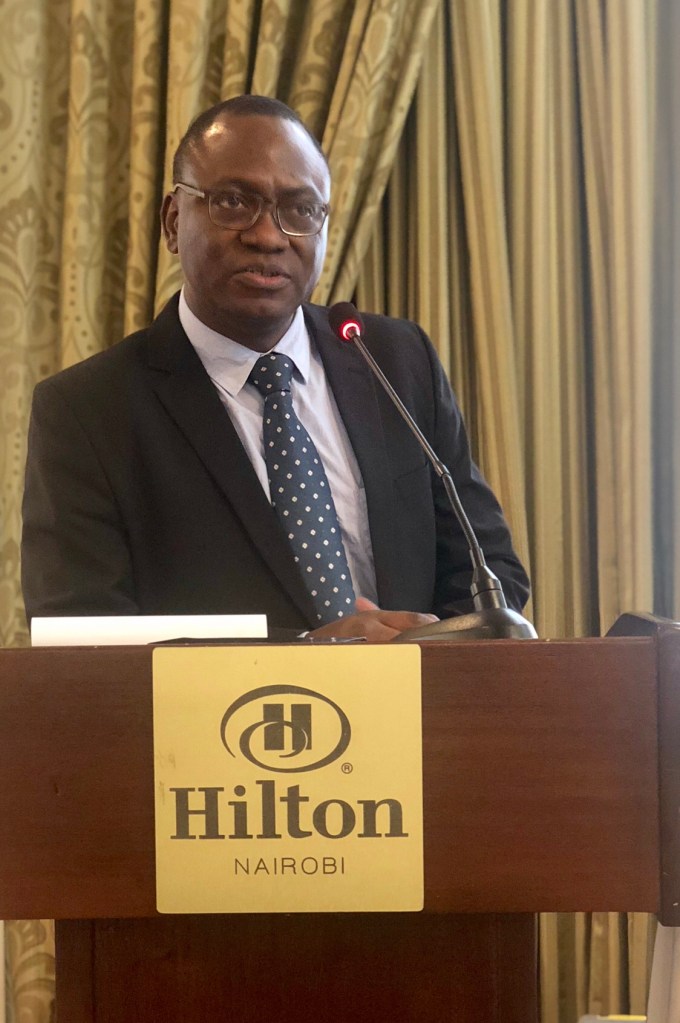
The head of the Zambian competition regulator (CCPC), Dr. Chilufya Sampa, introduced the first panel and guest of honour. He identified the threats of anticompetitive last behaviour as grounds for he need to understand and support the work of he CCC and its sister agencies in the member states.
With COMESA trade liberalisation, the markets at issue are much larger than kenya or other national markets. The effects of anticompetitive conduct are thus often magnified accordingly.
The one-stop shop nature of the CCC’s merger notification system simplifies and renders more cost-effective the transactional work of companies doing business in COMESA.
The Keynote speaker, Mr. Mohammed Nyaoga Muigai, highlighted the exciting future of the more and more integrated African markets, offering new challenges and opportunities. He challenged the audience to imagine a single market of over 750 million consumers. Companies will have to think creatively and “outside the box” in these enlarged common markets.
His perspective is twofold: for one, as a businessman and lawyer, but also as a regulator and board chairman and member of the Kenyan Central Bank. Effective competition policy (and access to the legal system) allows to prepare the ground for the successful carrying out of business in the common market. Yet, businesses must know what the regulatory regime actually is. Therefore, the duty of lawyers is to educate their clients about the strictures and requirements of all applicable competition law, across all COMESA member states.
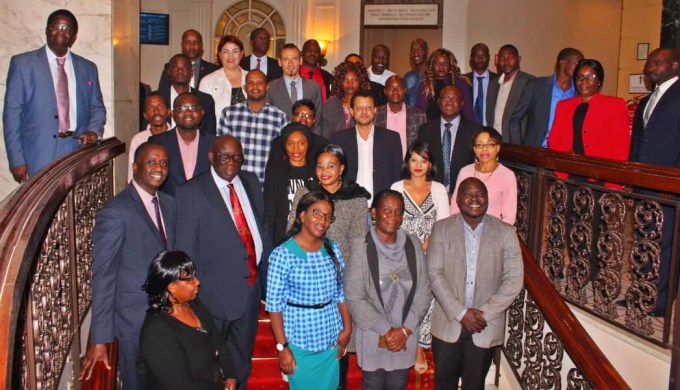
After a group photo, the event continued with an informative presentation by Mr. Willard Mwemba on key facts that “companies should know” on merger control in the (soon enlarged to 21 member states, with the imminent addition of Tunisia and Somalia) COMESA region, starting with its historical roots in COMESA Treaty Article 55 and continuing through the current era since 2013 of the CCC’s regulatory oversight.
Willard Mwemba, Head of M&A at the CCC
He provided relevant merger statistics, jointly with Director of Trade affairs, Dr. Francis Mangeni, which were of great interest to the audience, followed by a discussion of substantive merger review analysis as it is undertaken by the Commission. The benefits of the “one-stop-shop” characteristic of CCC notification versus multiple individual filings were extolled and individual past M&A cases discussed.
AAT will live-update the blog as the event progresses.
Dr. Sampa, CCPC executive
Dr. Sampa, as head of the Zambian CCPC and a former CCC Board member, emphasized the importance for companies to have functioning and well-implemented antitrust compliance programmes in place.
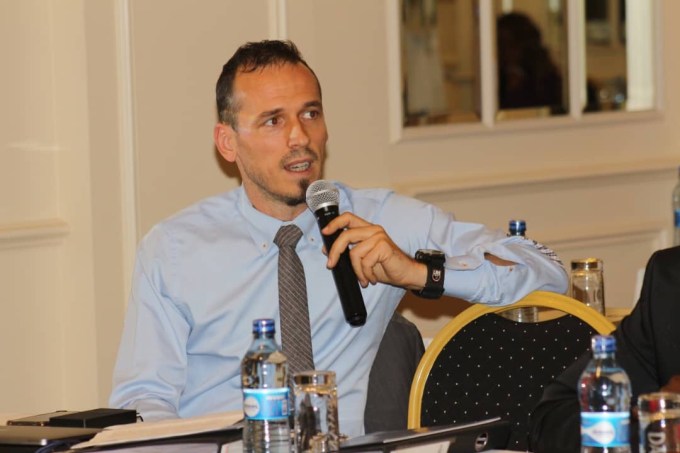
A spirited discussion was had relating to the 30% market share threshold the Commission utilises to evaluate triggers for launching antitrust conduct investigations. Primerio’s Andreas Stargard argued for COMESA’s consideration of an increase in this trigger threshold to 40%, proposing that:
“Especially in an already concentrated market (where players possess majority shares anyway), a low initial share threshold is of little to no additional enforcement value. On the contrary, a low threshold may hamper vigorous competition by smaller to midsize competitors or newer entrants, who wish to grow their (previously innocuous) smaller share of the market but are simultaneously held back in their growth efforts by trying not to cross the 30% barrier so as not to attract the attention of the Commission.”
There was also an issue raised regarding private equity and non-profit / “impact investors” and the like having to bear the burden of notifications and ancillary fees in cases that are otherwise unobjectionable almost by definition (since the investors are not present on the market of the acquired entities in which they invest). Dr. Mangeni indicated that the CCC will investigate and consider whether a proposed change in the applicable Rules to account for this problem may be advisable in the future.
Mary Gurure, head of legal (CCC)
The CCC’s chief legal advisor, Ms. Mary Gurure, presented on conflict of laws issues within the COMESA regime, harmonisation of laws, and CCC engagements with individual member states on these issues.
Crucially, she also mentioned a novel initiative to replicate a COMESA-focused competition enforcer network, akin to the ECN and ICN groupings of international antitrust agencies.
Business panel #CCCworkshop 2018
The conference concluded with a business lawyer panel, in which outside counsel and in-house business representatives voiced their perspectives, largely focusing on the issue of merger notifications. These topics included the (1) burdens of having to submit certified copies of documents, (2) high filing fees (particularly in light of relatively low-value deals being made in the region), (3) comparatively low notification thresholds (e.g., the $10m 2-party turnover limit), (4) remaining, if minimal, confusion over multiple filing obligations, (5) questions surrounding the true nature of the “public interest” criterion in the CCC’s merger evaluation, which could benefit from further clarification via a Guideline or the like, and (6) the importance of predictability and consistency in rulings.
Panellists also commented on the positive, countervailing benefits of the one-stop-shop nature of the CCC, as well as highlighting the friendly nature of the COMESA staff, which permits consensus-building and diplomatic resolutions of potential conflicts.
Mr. Mwemba concluded the event by responding to each of the panel members’ points, noting that forum-shopping based on the costs of filing fees reflected a misguided approach, that the CCC may consider increasing filing thresholds, and that the CCC’s average time to reach merger decisions has been 72 (calendar) days.
Events focus on media & business community’s understanding of competition rules and practical workload of CCC
Media
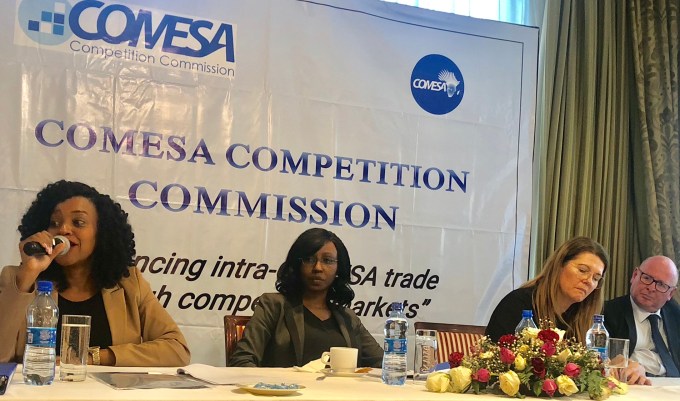
For two days this week, COMESA will hold its 5th annual “Regional Sensitization Workshop for Business Reporters“, focussed on provisions and application of the COMESA competition regulations and trade developments within the 19-country common market.
Over 30 journalists from close to a dozen countries are expected to participate in the event, held in Narobi, Kenya, from Monday – Tuesday.
AfricanAntitrust.com will cover all pertinent news emerging from the conference. We will update this post as the conference progresses.
Speakers include a crème de la crème of East African government antitrust enforcement, including the CCC’s own Willard Mwemba (head of M&A), the CCC’s Director Dr. George Lipimile, and the Director and CEO of the Competition Authority of Kenya, Francis Wang’ombe Kariuki. Topics will include news on the rather well-developed area of of mergerenforcement, regional integration & competition policy, as well as the concept of antitrust enforcement by the CCC as to restrictive business practices, an area that has been thus far less developed by the Commission in terms of visibility and actual enforcement, especially when compared to M&A. We previously quoted Director Lipimile’s statement at a 2014 conference that, since the CCC’s commencement of operations “in January, 2013, the most active provisions of the Regulations have been the merger control provisions.”
“We have been impressed with the Commission’s progress to-date, but remain surprised that no cartel cases have emerged from the CCC’s activities. We believe that the CCC has sufficient capacity and experience now, in its sixth year of existence, to pursue both collusion and unilateral-conduct competition cases.
Personally, I remain cautiously optimistic that the CCC will, going forward, take up the full spectrum of antitrust enforcement activities — beyond pure merger review — including monopolisation/abuse of dominance cases, as well as the inevitable cartel investigations and prosecutions that must follow.”
The media conference will conclude tomorrow evening, June 26th.
Business Community
The second event, also held in Nairobi, will shift its focus both in terms of attendees and messaging: It is the CCC’s first-ever competition-law sensitization workshop for the Business Community, to take place on Wednesday. It is, arguably, even more topical than the former, given that the target audience of this workshop are the corporate actors at whom the competition legislation is aimed — invited are not only practicing attorneys, but also Managing Directors, CEOs, company secretaries, and board members of corporations. It is this audience that, in essence, conducts the type of Mergers & Acquisitions and (in some instances) restrictive, anti-competitive business conduct that falls under the jurisdiction of Messrs. Lipimile, Mwemba, and Kariuki as well as their other domestic African counterparts in the region.
The inter-regional trade component will also be emphasized; as the CCC’s materials note, “we are at a historical moment in time where the Tripartite and Continental Free Trade Area agreements are underway. The objective of these agreements is to realize a single market. Competition law plays a vital role in the realization of this objective, therefore its imperative that journalists have an understanding of how competition law contributes to the Agenda.”
Boniface Kamiti, the CAK representative replacing Mr. Kariuki at the event, noted that Africa in general and including the COMESA region “has a weak competition culture amongst businesses — which is why cartels are continuing in Africa, and the level of M&A is not at the level one would expect.” This is why media “reporting on competition advocacy is very important, to articulate the benefits of competition policy and how enforcement activities further its goals, so the COMESA countries may be able to compete with other countries, including even the EU members, at a high level.”
He also highlighted — although without further explanation — the “interplay between the COMESA competition laws and those of the member countries; most people are not aware of that!” This comment is of particular interest in light of the prior jurisdictional tension that had existed between national agencies and the CCC in the past regarding where and when to file M&A deals. These “teething issues are now fully resolved”, according to Dr. Lipimile, and there are neither de iure nor any de facto merger notification requirements in individual COMESA member states other than the “one-stop shop” CCC filing (which has, according to Mr. Mwemba, reduced parties’ M&A transaction costs by 66%).
On the issue of restrictive trade practices (RTP), the CAK reminded participants that trade associations often serve to facilitate RTP such as price-fixing cartels, which are subject to (historically not yet imposed, nor likely to be) criminal sanctions in Kenya. It also observed that (1) manufacturers’ resale price maintenance (RPM) would almost always be prosecuted under the Kenyan Competition Act, and that (2) since a 2016 legislative amendment, monopsony conduct (abuse of buyer power) is also subject to the Act’s prohibitions.
Concluding, the CAK’s Barnabas Andiva spoke of its “fruitful” collaboration with the CCC on ongoing RTP matters, noting the existing inter-agency Cooperation Agreement. Added Mr. Mwemba, “we have approximately 19 pending RTP cases.”
CCC leadership perspective: Nudging Uganda and Nigeria towards competition enforcement
George Lipimile, CEO, COMESA Competition Commission
Dr. Lipimile took up Mr. Kamiti’s “weak African competition culture” point, noting the peculiar regional issue that “between poverty and development lies competition” to enhance consumer welfare.
He took the audience through a brief history of antitrust laws globally, and encouraged journalists to explain the practical benefits of “creating competitive markets” for the population of the COMESA region at large.
He called on Uganda and Nigeria to — finally — enact a competition law. (AAT has independently reported on Uganda and also the EAC’s emphasis on its member nations having operational antitrust regimes. We observe that Uganda does have a draft Competition Bill pending for review; a fellow Ugandan journalist at the conference mentioned that there has been some, undefined, progress made on advancing it in the Ugandan legislature.) Dangote — the vast Nigerian cement conglomerate (see our prior article here) — and Lafarge played exemplary roles in Lipimile’s discourse, in which he commented that “they do not need protecting, they are large”, instead “we need more players” to compete.
Importantly, Dr. Lipimile emphasized that protectionism is anti-competitive, that “competition law must not discriminate,” and that its goal of ensuring competitive market behaviour must not be confused with the objectives of other laws that are more specifically geared to developing certain societal groups or bestow benefits on disadvantaged populations, as these are not the objectives of competition legislation.
The CCC also called on the press to play a more active role in the actual investigation of anti-competitive behaviour, by reporting on bid rigging, unreported M&A activity, suspected cartels (e.g., based on unexplained, joint price hikes in an industry), and the like. These types of media reports may indeed prompt CCC investigations, Lipimile said. Current “market partitioning” investigations mentioned by him include Coca Cola, SABMiller, and Unilever.
He concluded with the — intriguing, yet extremely challenging, in our view — idea of expanding and replicating the COMESA competition model on a full-fledged African scale, possibly involving the African Union as a vehicle.
2018 CCC workshop participants
COMESA Trade perspective
The organisation’s Director of Trade & Commerce, Francis Mangeni, presented the ‘competition-counterpart’ perspective on trade, using the timely example of Kenyan sugar imports, the cartel-like structure supporting them, and the resulting artificially high prices, noting the politically-influenced protectionist importation limitations imposed in Kenya.
Dr. Mangeni opined that the CCC “can and should scale up its operations vigorously” to address all competition-related impediments to free trade in the area.
CCC Mergers
Director of M&A, Mr. Mwemba, updated the conference on the agency’s merger-review developments. He pointed to the agency’s best-of-breed electronic merger filing mechanism (reducing party costs), and the importance of the CCC’s staying abreast of all new antitrust economics tools as well as commercial technologies in order to be able to evaluate new markets and their competitiveness (e.g., online payments).
As Mr. Mwemba rightly pointed out, most transactions “do not raise competition concerns” and those that do can be and often are resolved via constructive discussions and, in some cases, undertakings by the affected companies. In addition, the CCC follows international best practices such as engaging in pre-merger notification talks with the parties, as well as follow-ups with stakeholders in the affected jurisdictions.
Key Statistics
Year-to-date (2018), the 24 notified mergers account for approximately $18 billion in COMESA turnover alone. Leading M&A sectors are banking, finance, energy, construction, and agriculture.
In terms of geographic origination, Kenya, Zambia, and Mauritius are the leading source nations of deal-making parties, with Zimbabwe and Uganda closely following and rounding out the Top-5 country list.
The total number of deals reviewed by the CCC since 2013 amounts to 175 with a total transaction value of US $92 billion, accounting for approximately $73.7 billion in COMESA market revenues alone. (The filing fees derived by the Commission have totaled $27.9 million, of which half is shared with the affected member states.)
All notified deals have received approval thus far. Over 90% of transactions were approved unconditionally. In 15 merger cases, the CCC decided to impose conditions on the approval.
 Now, COMESA has joined the field, with its Competition Commission likewise reviewing the transaction’s effect on the common market under its jurisdiction, pursuant to Notice 39/2019. The Competition and Tariff Commission of Zimbabwe will likely provide its confidential input as to the transaction to the CCC. According to local news outlets, the proposed U.S. $1.7 billion takeover by American conglomerate giant Pepsi has sent Zimbabwean and other local and regional competitors “into panic mode.”
 Taken together with other regional taxation incentives (in Zambia, Varun had temporarily been granted a deferment of value-added tax and excise duty for five years, which was however reversed upon a finding of likely illegality), the impact may indeed affect the competitiveness of Varun’s rivals. However, it remains to be seen whether the Pepsi/Pioneer deal itself has any material adverse competitive effects overall, as this is the transaction under review after all, comments legal practitioner Andreas Stargard. “Besides, merger reviews pursuant to established antitrust law concern themselves not with the welfare of competitors, but with the maintenance of overall competition in the total relevant market. Just because some rival is hurt does not make the deal anti-competitive per se,” says Stargard. Moreover, there are major competitors still to reckon with, such as Delta brands, which has historically dominated the Zimbabwean market, and only recently lost market share to Varun, which has budgeted US$150 million in investments over the next five years. “These investments and the increased rivalry between a potentially strengthened Varun and the existing market leader Delta may actually be considered pro-competitive indicators by the competition regulators, such as the CCC and the Zim authorities,” concludes Stargard.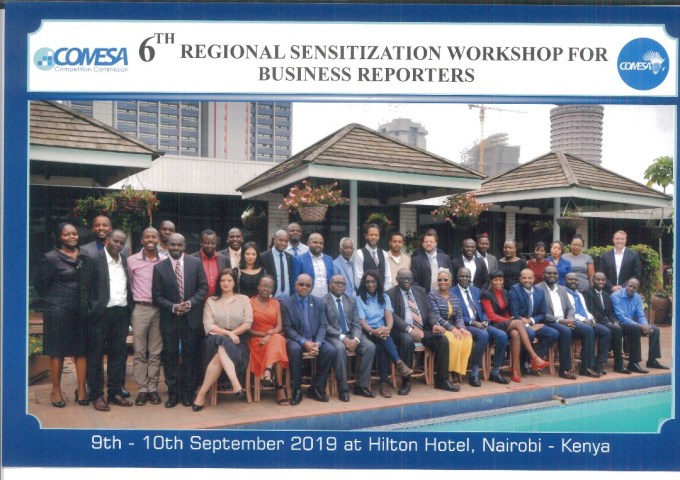
 ERCA’s efforts will be supported by the twin launch of the ECOWAS technical committee meeting of national trade and competition representatives to assist in implementing the RCP, including both its competition/antitrust as well as consumer protection mandates.


 The event’s tag line is “Benefits to Business.” Especially now, with the African continent sporting over 400 companies with over $500m in annual revenues, the topic of antitrust regulation in Africa is more pertinent than ever, according to the COMESA Competition Commission (CCC).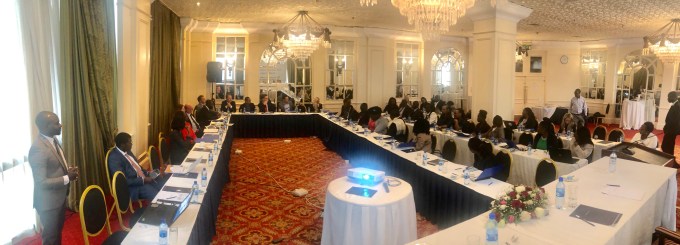

 Media
Media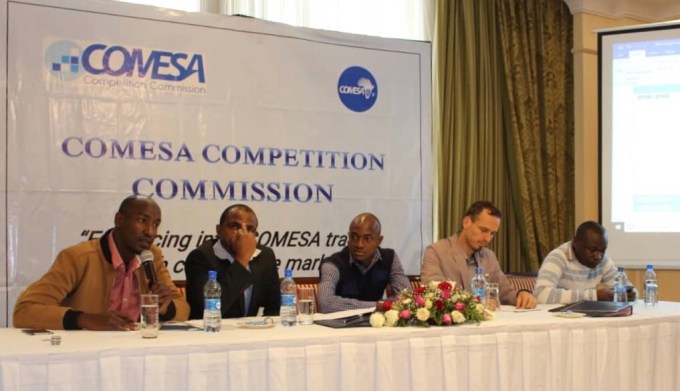 Speakers include a crème de la crème of East African government antitrust enforcement, including the CCC’s own Willard Mwemba (head of M&A), the CCC’s Director Dr. George Lipimile, and the Director and CEO of the Competition Authority of Kenya, Francis Wang’ombe Kariuki. Topics will include news on the rather well-developed area of of mergerenforcement, regional integration & competition policy, as well as the concept of antitrust enforcement by the CCC as to restrictive business practices, an area that has been thus far
 The second event, also held in Nairobi, will shift its focus both in terms of attendees and messaging: It is the CCC’s first-ever competition-law sensitization workshop for the Business Community, to take place on Wednesday. It is, arguably, even more topical than the former, given that the target audience of this workshop are the corporate actors at whom the competition legislation is aimed — invited are not only practicing attorneys, but also Managing Directors, CEOs, company secretaries, and board members of corporations. It is this audience that, in essence, conducts the type of Mergers & Acquisitions and (in some instances) restrictive, anti-competitive business conduct that falls under the jurisdiction of Messrs. Lipimile, Mwemba, and Kariuki as well as their other domestic African counterparts in the region.
 As Mr. Mwemba rightly pointed out, most transactions “do not raise competition concerns” and those that do can be and often are resolved via constructive discussions and, in some cases, undertakings by the affected companies. In addition, the CCC follows international best practices such as engaging in pre-merger notification talks with the parties, as well as follow-ups with stakeholders in the affected jurisdictions.
 African Antitrust & Competition Law