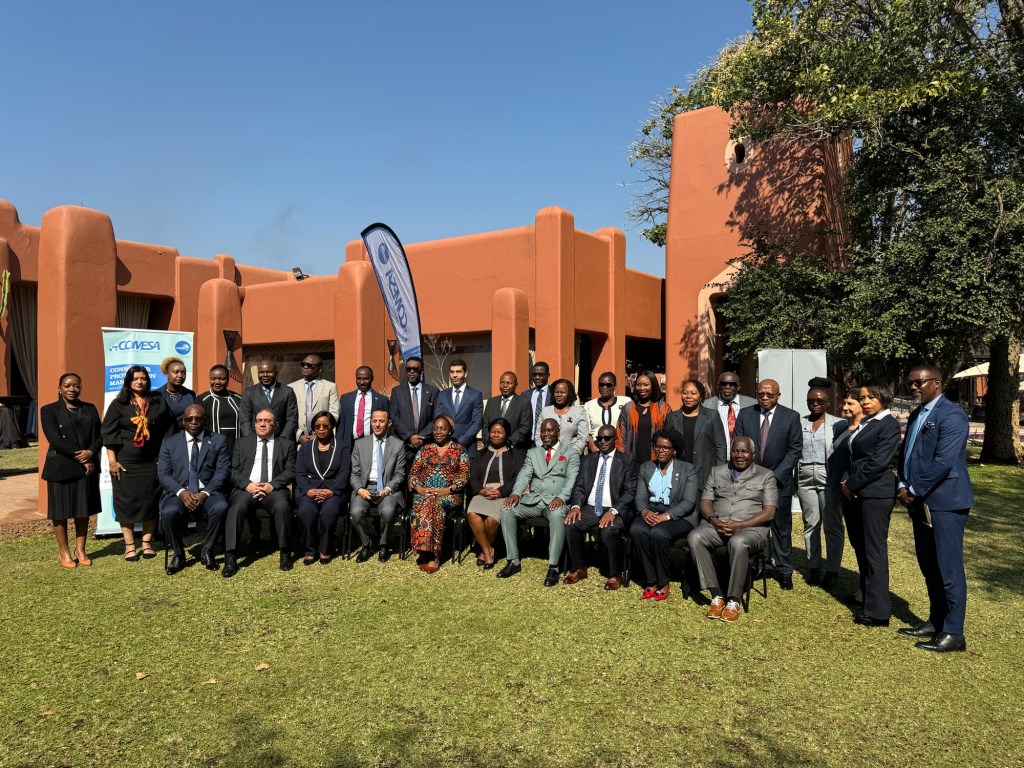
Senior diplomats from the COMESA region gathered in Livingstone, Zambia, for the fourth in a series of diplomatic antitrust-focused conferences that began in 2016 but were halted due to the coronavirus pandemic in 2019.
At today’s formal resumption of the recurring event, Dr. Willard Mwemba, CEO of the COMESA Competition Commission, introduced the conference session by calling out the importance of the agricultural sector to the people residing in the region, especially the very poorest of citizens.
He stated in unmistakable terms that his agency would prioritize this and related markets for heightened antitrust enforcement, to ensure the sector operates efficiently and competitively. “Accessibility (and affordability) of food is one of the most fundamental human rights. $2 per day are spent by the poorest people on average, and the majority of those two dollars is spent on food,” noted Mwemba.
Says Andreas Stargard, who attended the session, “it is clear that the view of the Commission is that agricultural markets in COMESA are not functioning as they should, based on studies the agency has undertaken with outside assistance. The massive foodstuffs price inflation levels COMESA residents have suffered in recent years are not merely natural consequences of irreversible climate change but rather represent mostly economic profit to the manufacturers and traders, to the detriment of consumers, based on what Dr. Mwemba presented today.”
COMESA Secretary General, Chileshe Mpundu Kapwepwe, summarized the stark importance of the AG sector to the region, its people, and the economic zone in sobering statistical terms: “The agriculture sector is one of the key sectors for most Member States as it contributes more than 32% to the Gross Domestic Product of COMESA, provides a livelihood to about 80% of the region’s labour force, accounts for about 65% of foreign exchange earnings and contributes more than 50% of raw materials to the industrial sector.”
In light of this crucial importance of the agricultural and food markets, food security is high on the list of action items that COMESA must address practically and effectively, she concluded. COMESA evaluates supply and demand levels across all 21 member states to assist with market assessment and planning.
The Diplomatic Conference’s guest of honour, Zambian Minister of Commerce, Trade and Industry, Hon. Chipoka Mulenga, noted in prepared remarks delivered by his deputy and permanent secretary to COMESA that, while “food production must be profitable for farmers, it must not be exploitative.”
In this regard, the famous Adam Smith quote referenced by Dr. Mwemba at a prior antitrust session comes to mind: “It is not from the benevolence of the butcher, the brewer, or the baker that we expect our dinner, but from their regard to their own self-interest. We address ourselves not to their humanity but to their self-love, and never talk to them of our own necessities, but of their advantages.”
Beyond the immutable wisdom of the Wealth of Nations from two and a half centuries ago, the (1) CCC’s increased competition law enforcement in the agricultural and food sectors, as well as (2) national member states are assisting the effort of ensuring wide and secure availability to all COMESA residents by creating and strengthening cross-border value chains in the food sectors with overlaps across member state borders, the Zambian minister observed.
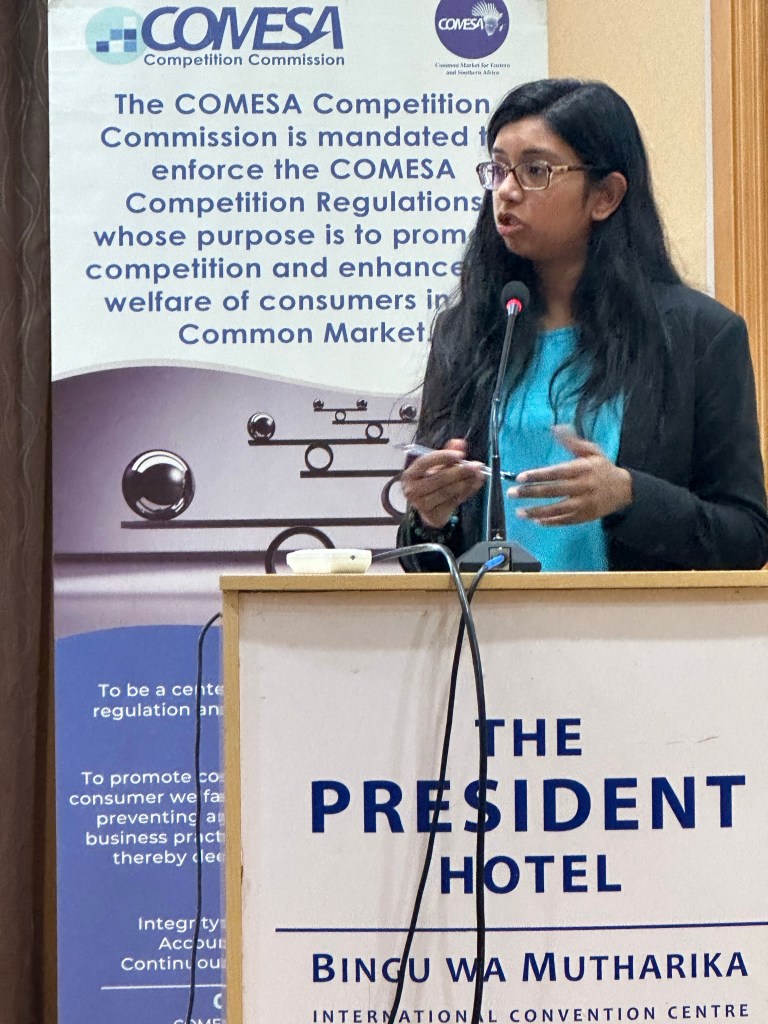
At today’s CCC Business Reporter Workshop, Senior M&A Analyst Sandya Booluck presented major plans to amend the regional trading bloc’s merger-control regime.
The most notable part of this “complete overhaul” of the CCC regime will be the likely change from the current non-suspensory to a suspensory merger notification scheme.
Says Primerio Ltd. antitrust counsel Andreas Stargard: “This change is, of course, still subject to approval by the CCC Board and the COMESA Secretariat Council of Ministers, but it is likely to pass in my personal opinion. This is especially true since, as former CCC Head Lipimile pointed out at today’s session, this change was in fact demanded by several of the NCAs of the COMESA member states, also in view of the Art. 24(8) referral procedure. It thus presumably enjoys broad support from the bloc’s leadership and will obtain a passing vote before the end of 2023!”
Anniversary of CCC’s 2013 Creation to be Celebrated, Developments Discussed
Next week, African heads of state, ministers of trade and commerce, the secretary general of the 21-member state COMESA organization, Commissioners, and several heads of various competition agencies across the region, from Egypt to Eswatini & from Mauritius to Malawi, will join antitrust practitioners, legal experts, business people, and journalists in celebrating the occasion of the 10-year anniversary of the COMESA Competition Commission in Lilongwe, where the agency is headquartered.
Of course, AAT will be there to cover it.
As leaders of this august publication will know by now, our authors have followed the development of the CCC since its very beginning: from the nascent stages of having only a rudimentary staff and foundational rule documents, lacking sufficient guidance for practitioners and businesses alike, to the significant developmental stage under its first chief executive officer, Dr. Lipimile, who built out his enforcement team to coincide with the stellar growth of the CCC’s “one-stop-shop” merger notification statistics and attendant agency reviews (hiring economists and lawyers alike from across COMESA member nations) — and culminating, so far at least, in what we have come to call “CCC 2.0”: the latest iteration of the vastly successful multi-jurisdictional antitrust body, now led by its long-term member Dr. Willard Mwemba.
Under Mwemba’s aegis, the Commission has advanced well beyond a mere ‘rubber-stamping’ merger review body, as some had perceived the fledgling agency in its very early years (approx. 2013-15). The triple-C has since then begun to launch serious investigations into price-fixing, monopolization, attempted monopolization, gun-jumping, as well as market allocation schemes and secretly implemented transactions that parties had failed to notify.
While ‘antitrust is on our minds’, we note here for the record that, beyond its “competition” ambit that mostly remains in our focus at AAT, the CCC’s enforcement mission also includes a fairly large “consumer protection” brief, and the agency’s dedicated unit has investigated areas of consumer concern as broad as airline practices, imported faulty American baby powder, online ‘dark’ practices, pay-TV, and agricultural product quality disputes (milk and sugar come to mind) between Uganda and Kenya, to name only a few…
Our publication, together with several of the business journals and newspapers across the southeastern region of Africa, will report in great detail on the events, and possible news, to take place next week. Says Andreas Stargard, a competition practitioner with Primerio International:
“I look forward to hearing from these leaders themselves what they have accomplished in 10 years, and more importantly what they wish to accomplish in the near to mid-term future. In addition, I have a feeling that we may be treated to some truly newsworthy developments: I could imagine there being either confirmation or denials of the circulating rumour that the COMESA merger regime will soon become not only mandatory, but also suspensory. As most attorneys practicing in this arena know by now, the current Competition Regulations are not suspensory, which may be deemed too restrictive by the group’s Secretariat and its agency leadership in terms of its enforcement powers. After all, it is much more difficult to unscramble the egg than to never let it drop in the pan from the get-go!
Also, the CCC may reveal its plans in relation to a leniency programme for cartel conduct, which is plainly in order!”
Beyond that, Stargard surmises, participants at the almost week-long event may be treated to news about the CCC’s thoughts on digital markets, sectoral investigations, and the Commission’s upcoming “beyond-mere-merger” enforcement activities.
February 17th, 2021: TODAY, the COMESA Competition Commission (“Commission”) released the following statement, wishing “to inform the general public that the tenure of office of Dr George Lipimile who was the Director and Chief Executive Officer of the Commission for the past ten years, came to an end on 31st January 2021.“
Dr Lipimile was appointed by the COMESA Council of Ministers as the first Director and Chief Executive Officer of the Commission in February 2011. He served in this capacity at the Commission for ten years during which time he played a pivotal role in the establishment of the Commission as the first fully operational regional competition authority in Africa and the second fully functional regional competition authority in the world after the European Commission. Dr Lipimile tirelessly worked towards the enforcement of the COMESA Competition Regulations and Rules. He dedicated his time at the Commission in strengthening the institution with but not limited to:
Growth in its staff compliment;
Creating sound legal framework;
Processes and Procedures for enforcement of the Regulations;
Advocacy and technical assistance to COMESA Member States; and
Setting up the necessary corporate governance systems.
Further, the Commission wishes to announce to the general public that Dr Willard Mwemba has been appointed as the Acting Director and Chief Executive Officer of the Commission from 1st February 2021 until such time the substantive Director of the Commission is recruited. The Commission wishes to congratulate Dr Mwemba on his appointment as the Acting Director and Chief Executive Officer of the Commission.
Incoming Mwemba & outgoing Lipimile
Andreas Stargard, a Primerio competition lawyer who knows both men from having notified transactions to the CCC as well as socially, says that “an era is now concluded — namely the ‘Genesis Era’ of the CCC, as George was its very first, and thus formative, leader. That said, I am deeply assured by the appointment of Dr. Mwemba to his post as acting Director, as he is of utmost competence and I have no doubt will guide the Commission in the right direction in this new ‘CCC 2.0 Era’ after Dr. Lipimile’s departure.”
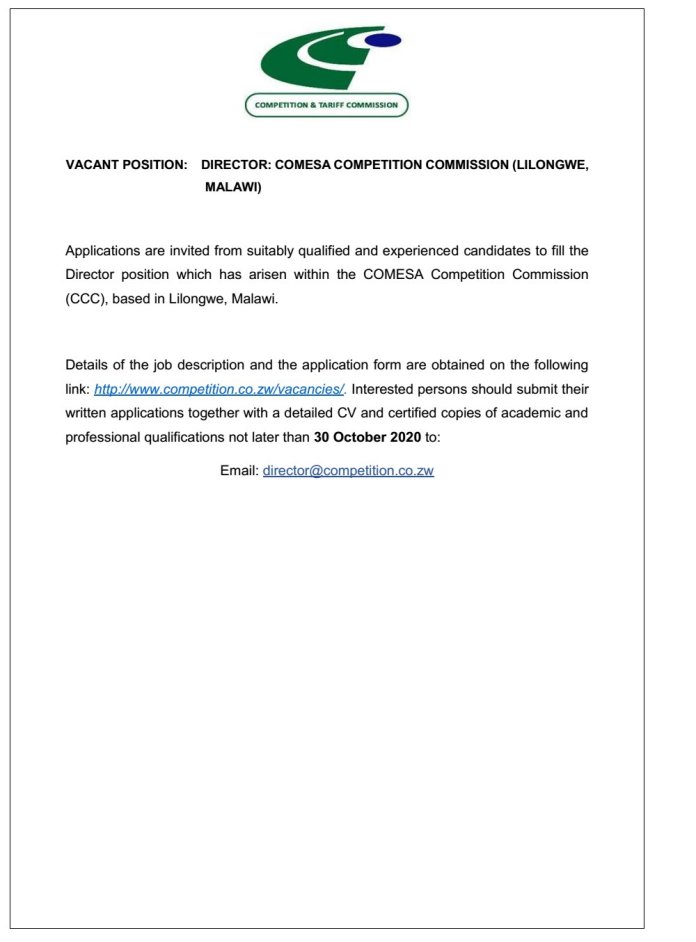
The COMESA Competition Commission has announced that it is accepting applications for the position of Director of the CCC until the end of October. Says Andreas Stargard, an antitrust practitioner with Primerio Ltd.:
“The post is currently held by Dr. George Lipimile, the agency’s first and, therefore by definition, most influential chief. Dr. Lipimile has certainly steered the comparatively young Commission into the right direction during its formative years, notably overseeing a complete makeover of the merger-notification procedure early on in the process, after much criticism of the initial system.
We are curious to see who will replace him in March 2021, as Dr. Lipimile’s term expires at the end of February. Will it be a true competition-law expert, or will it be a politically-motivated appointment made by the COMESA Secretariat, pushing for someone who is more of a trade lawyer or, worse, economic protectionist. What the CCC needs now to continue gaining international recognition and respect (from its peer agencies, as well as from commercial parties!) is a qualified antitrust attorney who understands the law & economics aspect of competition practice, and who will apply these principles neutrally throughout the COMESA region!”
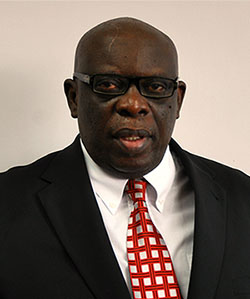
George Lipimile, CEO, COMESA Competition Commission
Back in 2015, we quoted Mr. Stargard as follows, suggesting a path forward for the agency:
“If the CCC steps up its enforcement game in the non-transactional arena, it could become a true force to reckon with in the West. I can envision a scenario where the CCC becomes capable of launching its own cartel matters and oversees a full-on leniency regime, not having to rely on the ‘follow-on enforcement’ experience from other agencies abroad. The CCC has great potential, but it must ensure that it fulfills it by showing principled deliberation and full transparency in all of its actions — otherwise it risks continued doubt from outsiders.”
It remains to be seen who the Director’s replacement will be and which of these topics will dominate her or his agenda, if any. The Director’s term is for 5 years, offering a salary of between $70,000 and $83,000. Details on the opening can be found here. Only Member State nationals can apply. Interestingly, COMESA member states’ antitrust enforcers likewise posted the announcement on their individual web sites:
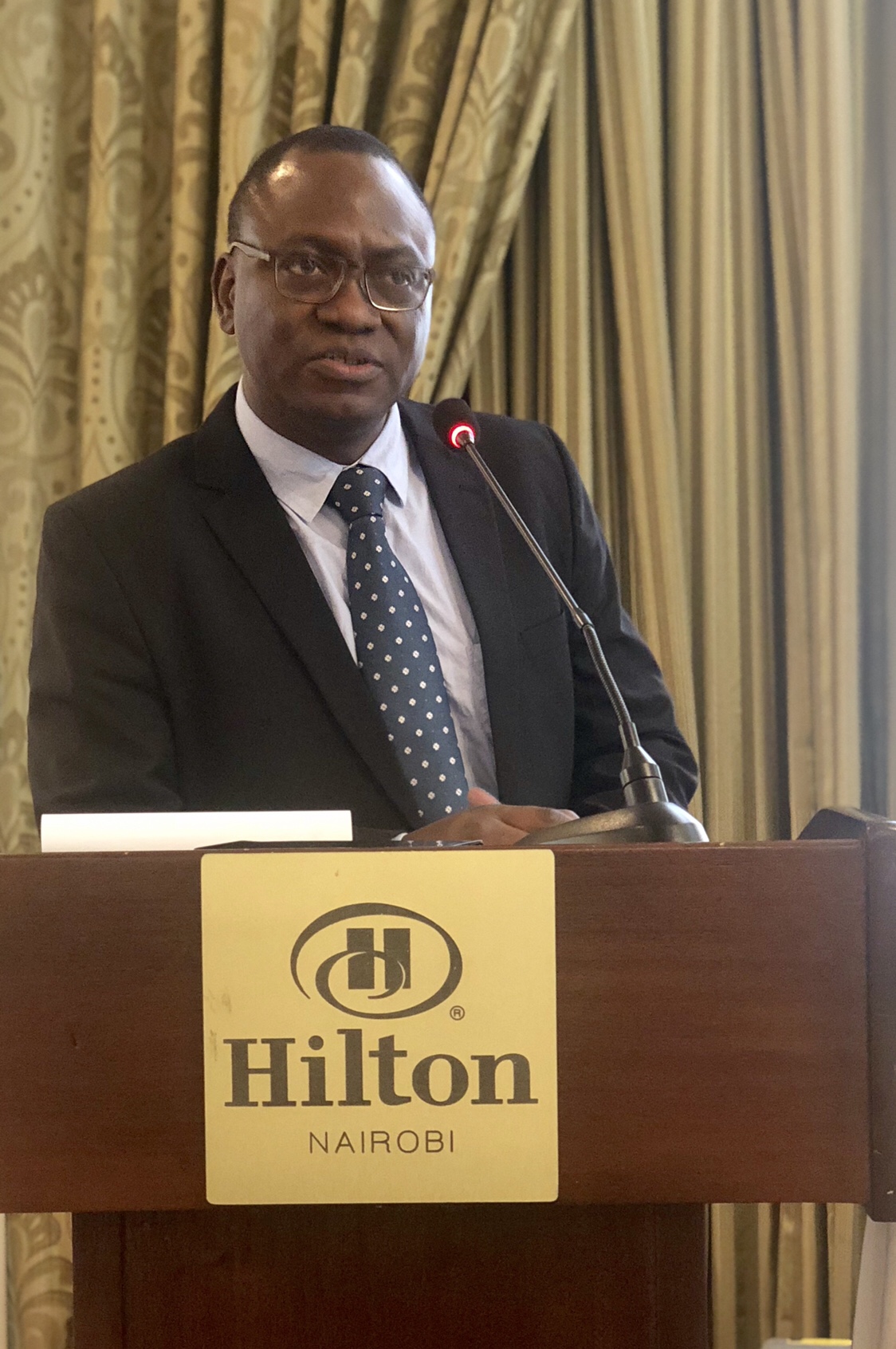
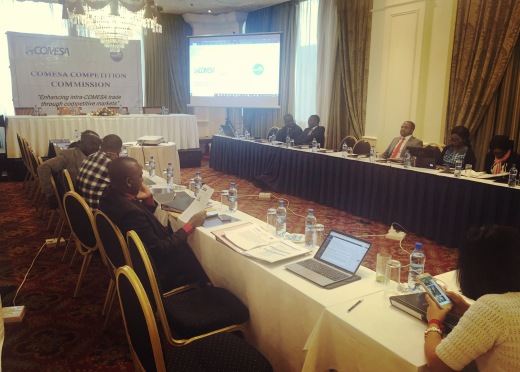
The first-ever COMESA-sponsored competition law workshop focussed solely on the business community, currently underway in Nairobi, Kenya, stretches the capacity of the Hilton conference room where it is being held.
The event’s tag line is “Benefits to Business.” Especially now, with the African continent sporting over 400 companies with over $500m in annual revenues, the topic of antitrust regulation in Africa is more pertinent than ever, according to the COMESA Competition Commission (CCC).
The head of the Zambian competition regulator (CCPC), Dr. Chilufya Sampa, introduced the first panel and guest of honour. He identified the threats of anticompetitive last behaviour as grounds for he need to understand and support the work of he CCC and its sister agencies in the member states.
With COMESA trade liberalisation, the markets at issue are much larger than kenya or other national markets. The effects of anticompetitive conduct are thus often magnified accordingly.
The one-stop shop nature of the CCC’s merger notification system simplifies and renders more cost-effective the transactional work of companies doing business in COMESA.
The Keynote speaker, Mr. Mohammed Nyaoga Muigai, highlighted the exciting future of the more and more integrated African markets, offering new challenges and opportunities. He challenged the audience to imagine a single market of over 750 million consumers. Companies will have to think creatively and “outside the box” in these enlarged common markets.
His perspective is twofold: for one, as a businessman and lawyer, but also as a regulator and board chairman and member of the Kenyan Central Bank. Effective competition policy (and access to the legal system) allows to prepare the ground for the successful carrying out of business in the common market. Yet, businesses must know what the regulatory regime actually is. Therefore, the duty of lawyers is to educate their clients about the strictures and requirements of all applicable competition law, across all COMESA member states.
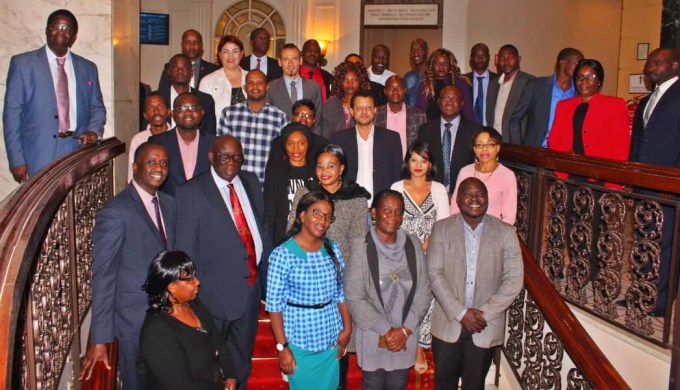
After a group photo, the event continued with an informative presentation by Mr. Willard Mwemba on key facts that “companies should know” on merger control in the (soon enlarged to 21 member states, with the imminent addition of Tunisia and Somalia) COMESA region, starting with its historical roots in COMESA Treaty Article 55 and continuing through the current era since 2013 of the CCC’s regulatory oversight.
Willard Mwemba, Head of M&A at the CCC
He provided relevant merger statistics, jointly with Director of Trade affairs, Dr. Francis Mangeni, which were of great interest to the audience, followed by a discussion of substantive merger review analysis as it is undertaken by the Commission. The benefits of the “one-stop-shop” characteristic of CCC notification versus multiple individual filings were extolled and individual past M&A cases discussed.
AAT will live-update the blog as the event progresses.
Dr. Sampa, CCPC executive
Dr. Sampa, as head of the Zambian CCPC and a former CCC Board member, emphasized the importance for companies to have functioning and well-implemented antitrust compliance programmes in place.
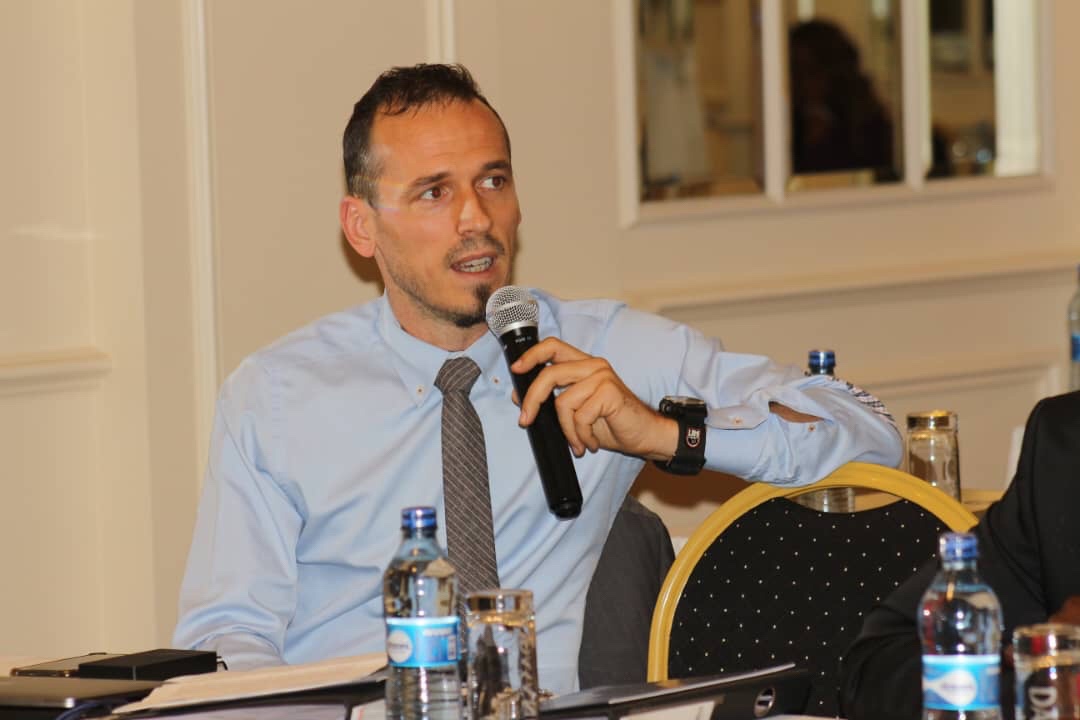
A spirited discussion was had relating to the 30% market share threshold the Commission utilises to evaluate triggers for launching antitrust conduct investigations. Primerio’s Andreas Stargard argued for COMESA’s consideration of an increase in this trigger threshold to 40%, proposing that:
“Especially in an already concentrated market (where players possess majority shares anyway), a low initial share threshold is of little to no additional enforcement value. On the contrary, a low threshold may hamper vigorous competition by smaller to midsize competitors or newer entrants, who wish to grow their (previously innocuous) smaller share of the market but are simultaneously held back in their growth efforts by trying not to cross the 30% barrier so as not to attract the attention of the Commission.”
There was also an issue raised regarding private equity and non-profit / “impact investors” and the like having to bear the burden of notifications and ancillary fees in cases that are otherwise unobjectionable almost by definition (since the investors are not present on the market of the acquired entities in which they invest). Dr. Mangeni indicated that the CCC will investigate and consider whether a proposed change in the applicable Rules to account for this problem may be advisable in the future.
Mary Gurure, head of legal (CCC)
The CCC’s chief legal advisor, Ms. Mary Gurure, presented on conflict of laws issues within the COMESA regime, harmonisation of laws, and CCC engagements with individual member states on these issues.
Crucially, she also mentioned a novel initiative to replicate a COMESA-focused competition enforcer network, akin to the ECN and ICN groupings of international antitrust agencies.
Business panel #CCCworkshop 2018
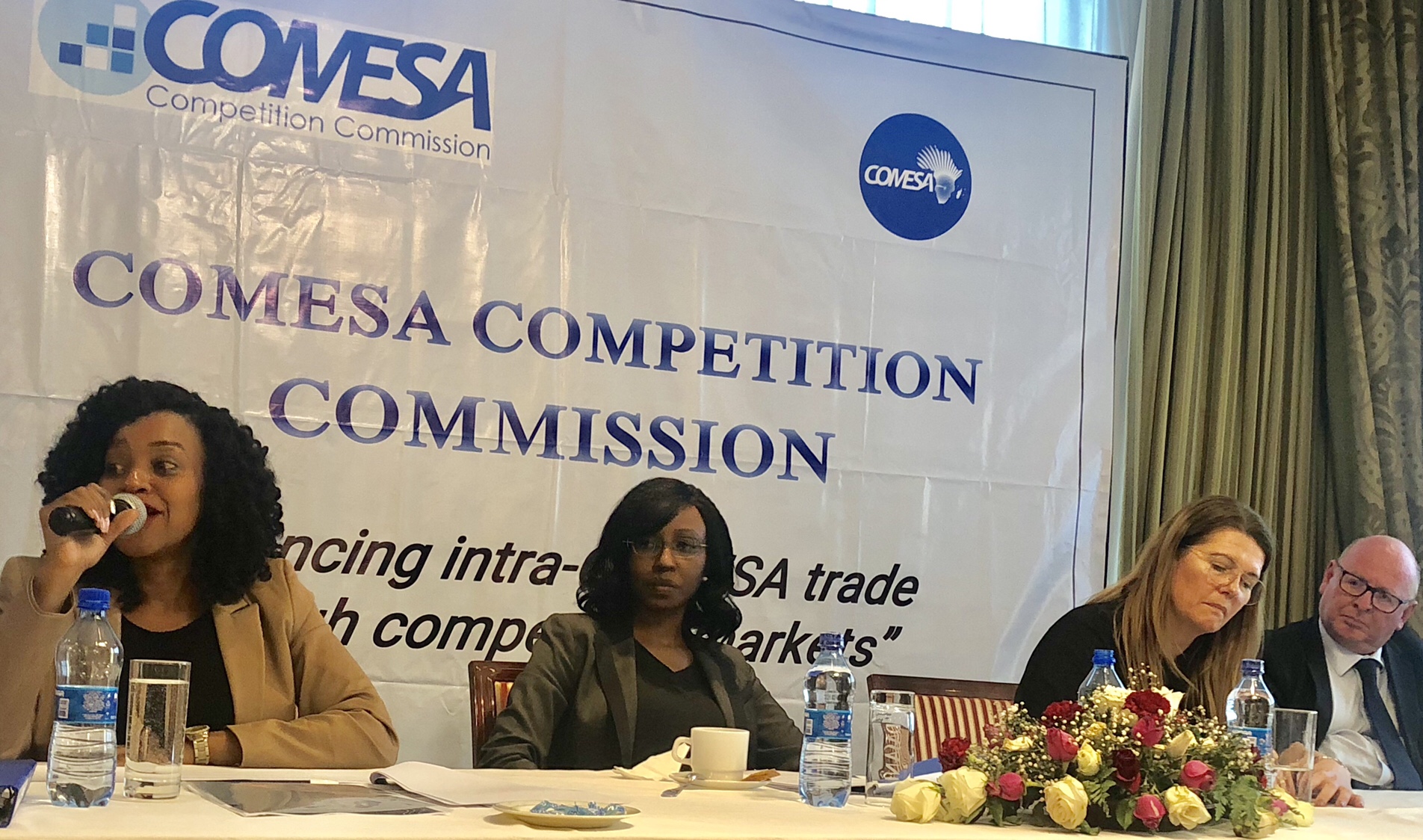
The conference concluded with a business lawyer panel, in which outside counsel and in-house business representatives voiced their perspectives, largely focusing on the issue of merger notifications. These topics included the (1) burdens of having to submit certified copies of documents, (2) high filing fees (particularly in light of relatively low-value deals being made in the region), (3) comparatively low notification thresholds (e.g., the $10m 2-party turnover limit), (4) remaining, if minimal, confusion over multiple filing obligations, (5) questions surrounding the true nature of the “public interest” criterion in the CCC’s merger evaluation, which could benefit from further clarification via a Guideline or the like, and (6) the importance of predictability and consistency in rulings.
Panellists also commented on the positive, countervailing benefits of the one-stop-shop nature of the CCC, as well as highlighting the friendly nature of the COMESA staff, which permits consensus-building and diplomatic resolutions of potential conflicts.
Mr. Mwemba concluded the event by responding to each of the panel members’ points, noting that forum-shopping based on the costs of filing fees reflected a misguided approach, that the CCC may consider increasing filing thresholds, and that the CCC’s average time to reach merger decisions has been 72 (calendar) days.
Events focus on media & business community’s understanding of competition rules and practical workload of CCC
Media
For two days this week, COMESA will hold its 5th annual “Regional Sensitization Workshop for Business Reporters“, focussed on provisions and application of the COMESA competition regulations and trade developments within the 19-country common market.
Over 30 journalists from close to a dozen countries are expected to participate in the event, held in Narobi, Kenya, from Monday – Tuesday.
AfricanAntitrust.com will cover all pertinent news emerging from the conference. We will update this post as the conference progresses.
Speakers include a crème de la crème of East African government antitrust enforcement, including the CCC’s own Willard Mwemba (head of M&A), the CCC’s Director Dr. George Lipimile, and the Director and CEO of the Competition Authority of Kenya, Francis Wang’ombe Kariuki. Topics will include news on the rather well-developed area of of mergerenforcement, regional integration & competition policy, as well as the concept of antitrust enforcement by the CCC as to restrictive business practices, an area that has been thus far less developed by the Commission in terms of visibility and actual enforcement, especially when compared to M&A. We previously quoted Director Lipimile’s statement at a 2014 conference that, since the CCC’s commencement of operations “in January, 2013, the most active provisions of the Regulations have been the merger control provisions.”
“We have been impressed with the Commission’s progress to-date, but remain surprised that no cartel cases have emerged from the CCC’s activities. We believe that the CCC has sufficient capacity and experience now, in its sixth year of existence, to pursue both collusion and unilateral-conduct competition cases.
Personally, I remain cautiously optimistic that the CCC will, going forward, take up the full spectrum of antitrust enforcement activities — beyond pure merger review — including monopolisation/abuse of dominance cases, as well as the inevitable cartel investigations and prosecutions that must follow.”
The media conference will conclude tomorrow evening, June 26th.
Business Community
The second event, also held in Nairobi, will shift its focus both in terms of attendees and messaging: It is the CCC’s first-ever competition-law sensitization workshop for the Business Community, to take place on Wednesday. It is, arguably, even more topical than the former, given that the target audience of this workshop are the corporate actors at whom the competition legislation is aimed — invited are not only practicing attorneys, but also Managing Directors, CEOs, company secretaries, and board members of corporations. It is this audience that, in essence, conducts the type of Mergers & Acquisitions and (in some instances) restrictive, anti-competitive business conduct that falls under the jurisdiction of Messrs. Lipimile, Mwemba, and Kariuki as well as their other domestic African counterparts in the region.
The inter-regional trade component will also be emphasized; as the CCC’s materials note, “we are at a historical moment in time where the Tripartite and Continental Free Trade Area agreements are underway. The objective of these agreements is to realize a single market. Competition law plays a vital role in the realization of this objective, therefore its imperative that journalists have an understanding of how competition law contributes to the Agenda.”
Boniface Kamiti, the CAK representative replacing Mr. Kariuki at the event, noted that Africa in general and including the COMESA region “has a weak competition culture amongst businesses — which is why cartels are continuing in Africa, and the level of M&A is not at the level one would expect.” This is why media “reporting on competition advocacy is very important, to articulate the benefits of competition policy and how enforcement activities further its goals, so the COMESA countries may be able to compete with other countries, including even the EU members, at a high level.”
He also highlighted — although without further explanation — the “interplay between the COMESA competition laws and those of the member countries; most people are not aware of that!” This comment is of particular interest in light of the prior jurisdictional tension that had existed between national agencies and the CCC in the past regarding where and when to file M&A deals. These “teething issues are now fully resolved”, according to Dr. Lipimile, and there are neither de iure nor any de facto merger notification requirements in individual COMESA member states other than the “one-stop shop” CCC filing (which has, according to Mr. Mwemba, reduced parties’ M&A transaction costs by 66%).
On the issue of restrictive trade practices (RTP), the CAK reminded participants that trade associations often serve to facilitate RTP such as price-fixing cartels, which are subject to (historically not yet imposed, nor likely to be) criminal sanctions in Kenya. It also observed that (1) manufacturers’ resale price maintenance (RPM) would almost always be prosecuted under the Kenyan Competition Act, and that (2) since a 2016 legislative amendment, monopsony conduct (abuse of buyer power) is also subject to the Act’s prohibitions.
Concluding, the CAK’s Barnabas Andiva spoke of its “fruitful” collaboration with the CCC on ongoing RTP matters, noting the existing inter-agency Cooperation Agreement. Added Mr. Mwemba, “we have approximately 19 pending RTP cases.”
CCC leadership perspective: Nudging Uganda and Nigeria towards competition enforcement
George Lipimile, CEO, COMESA Competition Commission
Dr. Lipimile took up Mr. Kamiti’s “weak African competition culture” point, noting the peculiar regional issue that “between poverty and development lies competition” to enhance consumer welfare.
He took the audience through a brief history of antitrust laws globally, and encouraged journalists to explain the practical benefits of “creating competitive markets” for the population of the COMESA region at large.
He called on Uganda and Nigeria to — finally — enact a competition law. (AAT has independently reported on Uganda and also the EAC’s emphasis on its member nations having operational antitrust regimes. We observe that Uganda does have a draft Competition Bill pending for review; a fellow Ugandan journalist at the conference mentioned that there has been some, undefined, progress made on advancing it in the Ugandan legislature.) Dangote — the vast Nigerian cement conglomerate (see our prior article here) — and Lafarge played exemplary roles in Lipimile’s discourse, in which he commented that “they do not need protecting, they are large”, instead “we need more players” to compete.
Importantly, Dr. Lipimile emphasized that protectionism is anti-competitive, that “competition law must not discriminate,” and that its goal of ensuring competitive market behaviour must not be confused with the objectives of other laws that are more specifically geared to developing certain societal groups or bestow benefits on disadvantaged populations, as these are not the objectives of competition legislation.
The CCC also called on the press to play a more active role in the actual investigation of anti-competitive behaviour, by reporting on bid rigging, unreported M&A activity, suspected cartels (e.g., based on unexplained, joint price hikes in an industry), and the like. These types of media reports may indeed prompt CCC investigations, Lipimile said. Current “market partitioning” investigations mentioned by him include Coca Cola, SABMiller, and Unilever.
He concluded with the — intriguing, yet extremely challenging, in our view — idea of expanding and replicating the COMESA competition model on a full-fledged African scale, possibly involving the African Union as a vehicle.
2018 CCC workshop participants
COMESA Trade perspective
The organisation’s Director of Trade & Commerce, Francis Mangeni, presented the ‘competition-counterpart’ perspective on trade, using the timely example of Kenyan sugar imports, the cartel-like structure supporting them, and the resulting artificially high prices, noting the politically-influenced protectionist importation limitations imposed in Kenya.
Dr. Mangeni opined that the CCC “can and should scale up its operations vigorously” to address all competition-related impediments to free trade in the area.
CCC Mergers
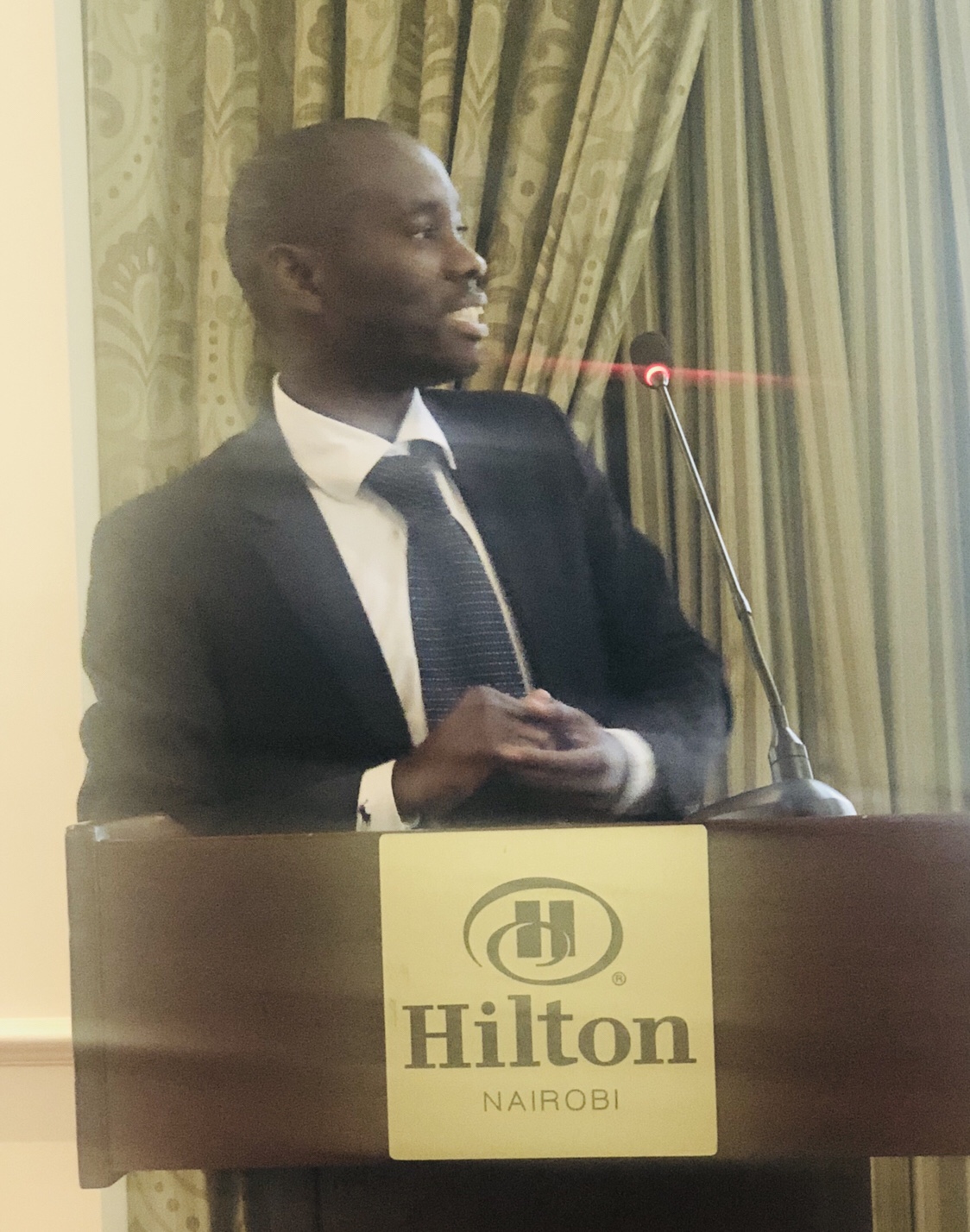
Director of M&A, Mr. Mwemba, updated the conference on the agency’s merger-review developments. He pointed to the agency’s best-of-breed electronic merger filing mechanism (reducing party costs), and the importance of the CCC’s staying abreast of all new antitrust economics tools as well as commercial technologies in order to be able to evaluate new markets and their competitiveness (e.g., online payments).
As Mr. Mwemba rightly pointed out, most transactions “do not raise competition concerns” and those that do can be and often are resolved via constructive discussions and, in some cases, undertakings by the affected companies. In addition, the CCC follows international best practices such as engaging in pre-merger notification talks with the parties, as well as follow-ups with stakeholders in the affected jurisdictions.
Key Statistics
Year-to-date (2018), the 24 notified mergers account for approximately $18 billion in COMESA turnover alone. Leading M&A sectors are banking, finance, energy, construction, and agriculture.
In terms of geographic origination, Kenya, Zambia, and Mauritius are the leading source nations of deal-making parties, with Zimbabwe and Uganda closely following and rounding out the Top-5 country list.
The total number of deals reviewed by the CCC since 2013 amounts to 175 with a total transaction value of US $92 billion, accounting for approximately $73.7 billion in COMESA market revenues alone. (The filing fees derived by the Commission have totaled $27.9 million, of which half is shared with the affected member states.)
All notified deals have received approval thus far. Over 90% of transactions were approved unconditionally. In 15 merger cases, the CCC decided to impose conditions on the approval.
Lipimile Advocates for Foreign Direct Investment, Encouraging Acquisition-Hungry Multi-Nationals in Recent COMESA Trade Remarks
In a comment on the COMESA Simplified Trade Regime (STR) regional programme, recently being implemented locally in the border region between Rwanda and the DRC, George Lipimilie, the Chief Executive Officer of the COMESA Competition Commission, stated that the regional body’s “focus on free movement of goods has generally paid dividends resulting in [] a lot of cross-border mergers and acquisitions,” according to an article in the Rwanda New Times.
George Lipimile of the COMESA Competition Commission
It appears that the CCC chief is expressly favouring foreign direct investment into the region by way of mergers (or perhaps more accurately, acquisitions). “This is particularly so where the ‘foreign’ (presumably implying non-COMESA) multi-national entity brings with it novel technologies or R&D to improve the market position of the local competitor,” according to Andreas Stargard, a Pr1merio Ltd. competition-law practitioner.
Of interest to M&A practitioners, Mr. Lipimile is quoted as saying: “There are situations when foreign companies use acquisitions to enter the market where you find a multinational company buying a local companywhich is good because it comes with a lot of technology.” (Emphasis added).
Mr. Lipimile was also rather specific about encouraging FDI in the region’s raw-materials sector from nation states other than the PRC: said Lipimile, “[w]e have seen China taking advantage of our raw materials and we hope more countries can follow suit.”
We note that the domain of international trade — specifically tariffs as barriers to trade — has historically not been within the jurisdictional purview of the COMESA Competition Commission, which was designed to be a competition-law enforcement body. Technically, there exists the post of COMESA Director for Trade, Customs & Monetary Affairs, held by Dr. Francis Mang’eni and not by Mr. Lipimile. The CCC, however, “has recently emerged to take a more active role within the COMESA architecture of regional enforcement institutions,” Mr. Stargard says. He notes that Article 4 of the COMESA Treaty expressly provides that “[i]n the field of trade liberalisation and customs co-operation [the Member States shall] (a) establish a customs union, abolish all non-tariff barriers to trade among themselves”, and that the regional Competition Regulations expressly bestow the CCC with the authority to investigate and abolish all “anti-competitive practices affecting COMESA regional and international trade.”
Commission goes after Dutch paint manufacturer in Uganda in supra-national enforcement action threat
By AAT staff
The African expansion saga of Japanese paint manufacturer Kansai continues, albeit not in Southern Africa (after having travailed through a hostile takeover of South African paint company Freeworld Coatings and obtaining a majority stake in Zimbabwean competitor Astra Industries in 2010 and 2013, respectively): the current Kansai-related antitrust story is a COMESA one, which comes to us from East Africa.
As was reported back in 2013 in industry publication CoatingsWorld, Kansai had set its sights on expanding into Eastern Africa as well, focussing on the Sadolin brand (formerly owned by AkzoNobel and since its private equity buy-out produced under a continuing AkzoNobel licence and under the parent label Crown Paints).
This has now changed, says competition attorney Andreas Stargard with Primerio Ltd.: “Recently, the COMESA Competition Commission had become aware of press reports that AkzoNobel had withdrawn its Kansai/Sadolin licence in Uganda (a COMESA member state) and effectively entered into — or planned to enter into — a new agreement with an unnamed ‘local producer’.”
Mr. Stargard, who practices competition law with a focus on African companies and jurisdictions, points out that the COMESA merger-notification regime requires a mandatory filing under certain conditions, such as those affecting 2 or more member states and involving businesses with at least $10m in combined regional revenues.
“Whilst the COMESA review is non-suspensory (meaning the parties must notify, but can go ahead and implement the transaction prior to the termination of the CCC’s antitrust review), the notification itself is mandatory. A failure-to-file can result in significant fines of up to 10% of combined turnover, as well as the regional annulment of the merger within the COMESA countries.
This is what has now happened with Mr. Lipimile’s Sept. 19th letter to AkzoNobel: the CCC chief warned the company that it would risk voiding any contracts if it failed to make a ‘curative’ retroactive filing by yesterday, Monday, 25 September 2017.”
The CCC’s letter to the Dutch paint giant reads in relevant part: “Kindly be informed that the COMESA competition commission has become aware through the media that Akzo Nobel Powder Coatings has entered into sales, manufacturing and distribution agreements with a local paint manufacturer in Uganda. I wish to inform you that, mergers and any other forms of agreements between competitors are required to be notified to the Commission….without such notification, and subsequent approval by the Commission, such transactions are null and void ab initio and no rights or obligations imposed on the participating parties shall be legally enforceable in the Common Market.”
As to the likelihood of any notification having been made — or at least made satisfactorily and completely — Andreas Stargard observes that:
“By any antitrust lawyer’s standards, scrambling to make a filing within less than a week, as seems to be required by George’s letter here, is a tall order — merger notifications usually require significant preparatory work, including data analysis, document collection, and interviews with the business people to advance to a final ‘filing’ stage. To do so in 6 calendar days is extremely difficult.”
He concludes that, “as COMESA is still a relatively young regime in terms of merger filings — with few resources at hand to manage notifications in and of themselves, much less enforcement actions — we expect that the CCC and the parties will somehow arrive at an amicable settlement in this matter.”
COMESA Chief Warns of Delayed Implementation of Leniency Policy
George Lipimile, Director, COMESA Competition Commission
In an interview with Concurrences, CCC Director George Lipimile stated cautiously that, while the agency had engaged a consultant to help it craft a regional leniency programme, it still had to “be discussed in detail with Member States. Given the different legal systems and the feedback coming from the consultations with Member States so far, this may take some time.”
Thus, “while there is no amnesty programme visible on the near-term horizon, the CCC’s novel cartel enforcement push poses particular concerns for undertakings operating in the COMESA region,” says Andreas Stargard, attorney with Africa advisory firm Pr1merio. “Director Lipimile has expressed his agency’s plan — jointly with the World Bank organisation — to launch a project designed to combat cartel activity. They propose to do so first, it seems, by piggy-backing off of other enforcers’ previous investigations, such as the South African Competition Commission’s cartel cases, and analysing whether those instances of foreign collusion could have harmful effects on the COMESA economies.”

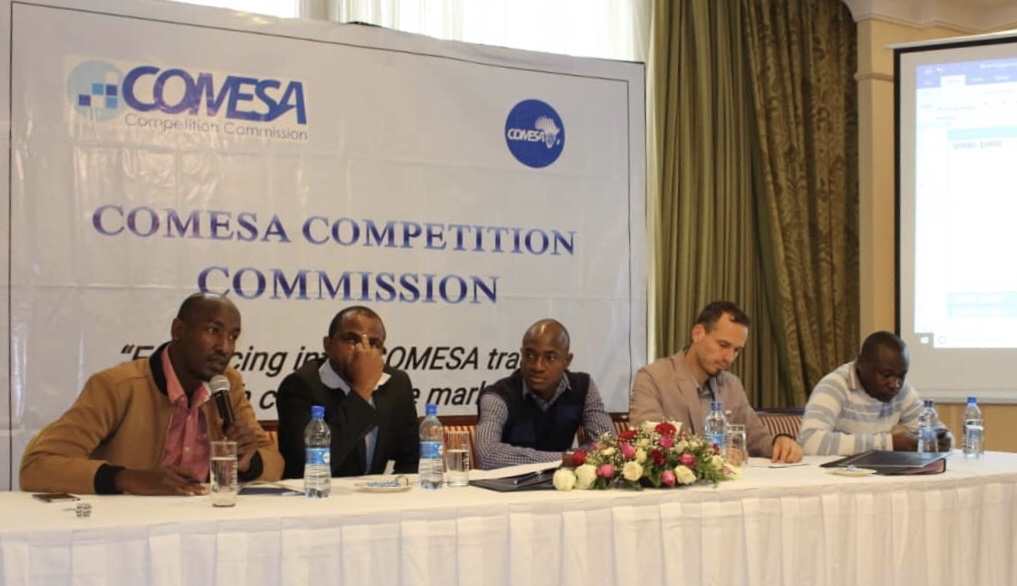
 The event’s tag line is “Benefits to Business.” Especially now, with the African continent sporting over 400 companies with over $500m in annual revenues, the topic of antitrust regulation in Africa is more pertinent than ever, according to the COMESA Competition Commission (CCC).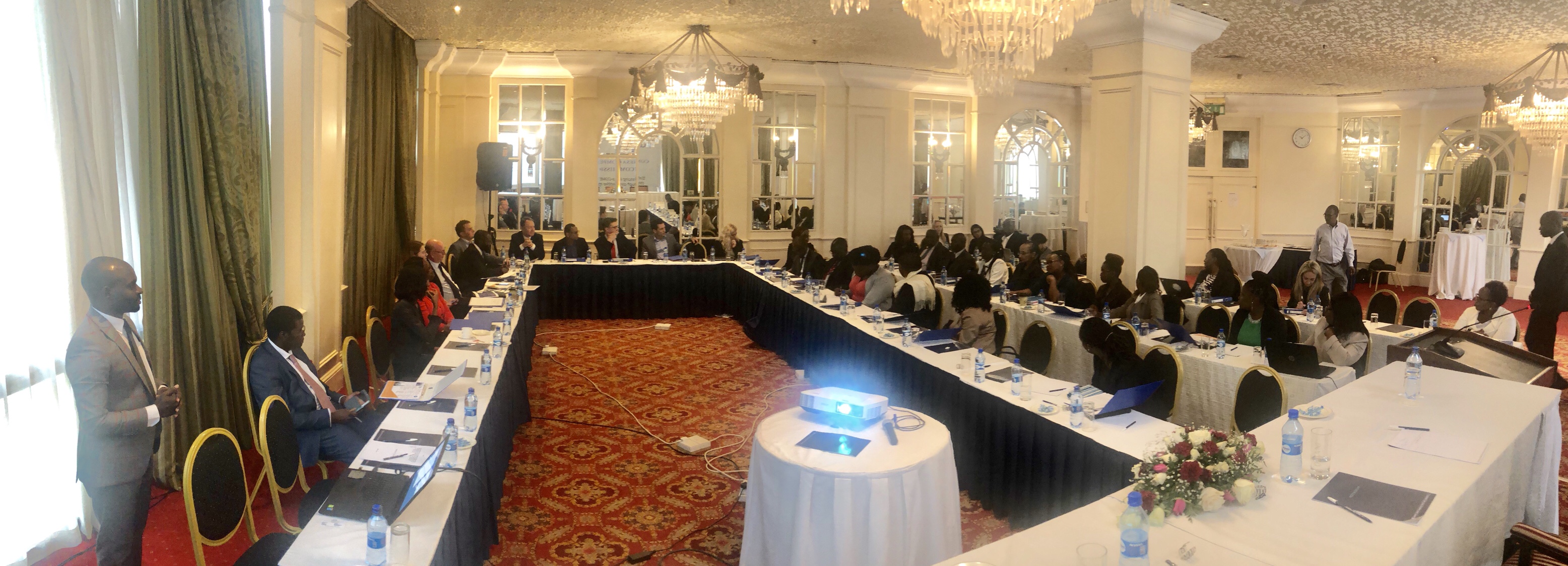


 Media
Media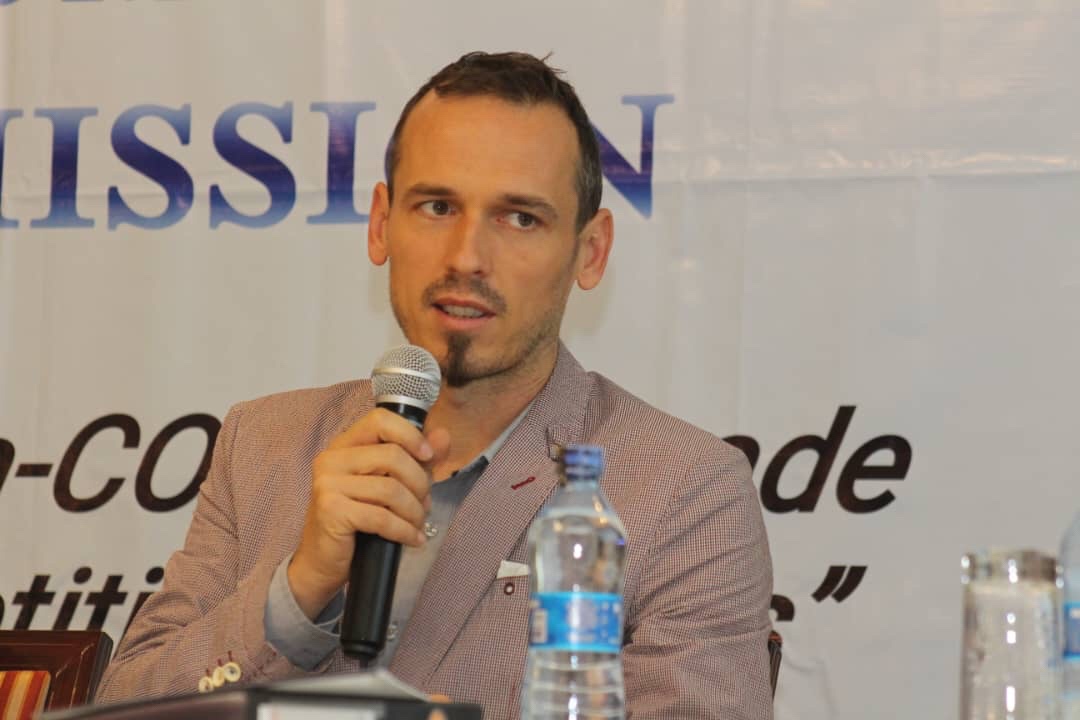
 The second event, also held in Nairobi, will shift its focus both in terms of attendees and messaging: It is the CCC’s first-ever competition-law sensitization workshop for the Business Community, to take place on Wednesday. It is, arguably, even more topical than the former, given that the target audience of this workshop are the corporate actors at whom the competition legislation is aimed — invited are not only practicing attorneys, but also Managing Directors, CEOs, company secretaries, and board members of corporations. It is this audience that, in essence, conducts the type of Mergers & Acquisitions and (in some instances) restrictive, anti-competitive business conduct that falls under the jurisdiction of Messrs. Lipimile, Mwemba, and Kariuki as well as their other domestic African counterparts in the region.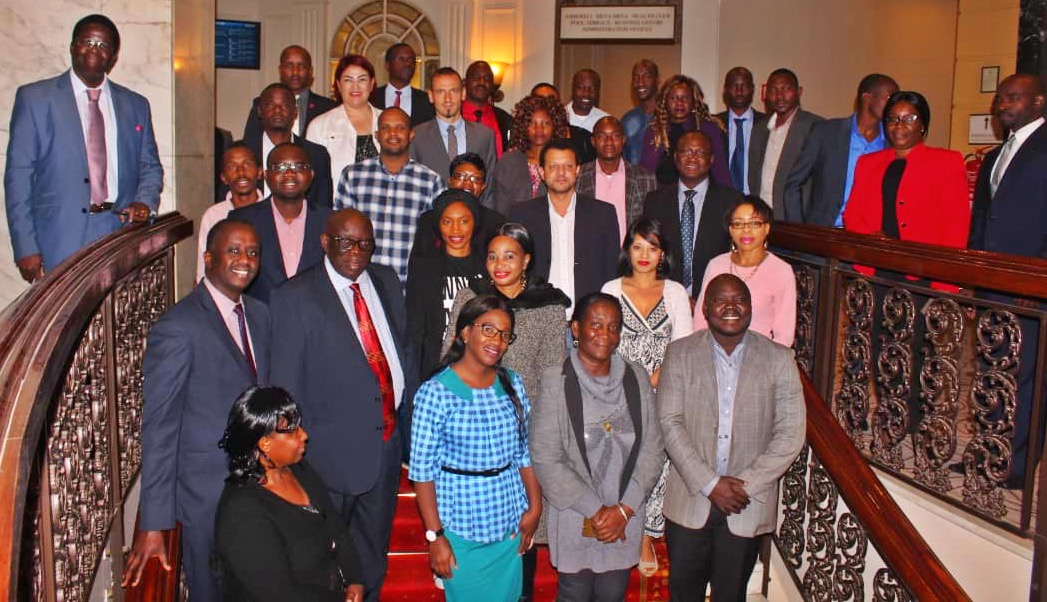
 As Mr. Mwemba rightly pointed out, most transactions “do not raise competition concerns” and those that do can be and often are resolved via constructive discussions and, in some cases, undertakings by the affected companies. In addition, the CCC follows international best practices such as engaging in pre-merger notification talks with the parties, as well as follow-ups with stakeholders in the affected jurisdictions.
 This has now changed, says competition attorney Andreas Stargard with
  African Antitrust & Competition Law