Slippery Business: COMESA Court Invalidates Mauritius’ Edible Oil Tariff

By Matthew Freer

Introduction

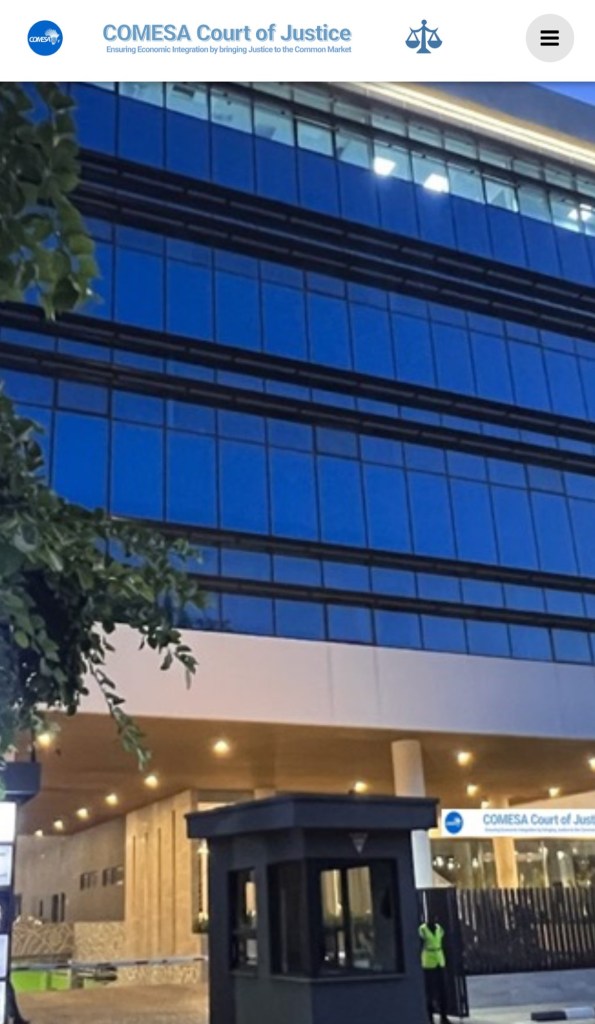
On 4 February 2025, the First Instance Division (the “FID”) of the COMESA Court of Justice (the “CCJ”) delivered a landmark judgment in Agiliss Ltd v. The Republic of Mauritius and Others (Reference No. 1 of 2019). This case examined the legality of a safeguard measure imposed by Mauritius on edible oil imports from COMESA member states, raising fundamental questions about trade remedies, due process, and compliance with the COMESA Treaty and its subsidiary legislation.

The judgment is significant as it clarifies the procedural and substantive requirements for imposing safeguard measures under the COMESA Treaty (the “Treaty”) and the COMESA Regulations on Trade Remedy Measures, 2002 (the “2002 Regulations). It reinforces the principle that such measures cannot be used arbitrarily or as disguised trade barriers but must follow due process, including proper investigation, consultation, and notification requirements.

Background

The Common Market for Eastern and Southern Africa (“COMESA”) is a regional economic organization established in 1994 to promote economic integration and development among its member states. It has a primary goal of creating a large, integrated economic area through the removal of trade barriers and the promotion of cooperation in areas such as trade, industry, and agriculture. COMESA comprises 21 member states, including countries like Kenya, Egypt, Zambia, and Ethiopia, and focuses on fostering intra-regional trade through the harmonisation of customs procedures and the elimination of tariffs between member states. Article 46 of the Treaty specifically states that Member States of COMESA are required “to eliminate customs duties and other charges of equivalent effect imposed on goods eligible for Common Market tariff treatment” (COMESA Treaty, Art 46). This common market was ultimately formed to enhance trade and economic stability within the region, improve competitiveness, and encourage sustainable development through collective economic policies and regional cooperation.

Agiliss Ltd, a Mauritian based, imports various basic commodities which includes pre-packaged edible oils, from Egypt, a fellow COMESA Member State. Agiliss Ltd is “principally an importer and distributor of staple food in the Republic of Mauritius with the edible oil segment representing some 30% of its business” (para 11). In 2018, the Government of Mauritius (the “Government”), after seeing an increase in edible oil imports, invoked Article 61 of the Treaty to impose a 10% customs duty on edible oils imported from COMESA countries (para 12). This safeguard measure was said to be necessary to protect Mauritius’ domestic edible oil industry from serious economic disturbances.

Agiliss, however, raised its concern that the measure was imposed without proper notification, consultation, or investigation, violating various COMESA legal frameworks. After unsuccessful engagements with the Government, Agiliss Ltd filed a Reference before the CCJ, challenging the legality of the safeguard measure and requesting an order to prohibit its enforcement.
Findings of the Court

In this case, Ms. Ramdenee, CEO of Agiliss Ltd, and her expert witness, Mr. Paul Baker, presented a case to challenging the decision by the Government to impose a safeguard measure on edible oil imports from Egypt, a COMESA Member State, using Article 61 of the Treaty (para 151). Article 61 of the Treaty states, In the event of serious disturbances occurring in the economy of a Member State following the application of the provisions of this Chapter, the Member State concerned shall, after informing the Secretary-General and the other Member States, take necessary safeguard 79 measures” (COMESA Treaty, Art 61).

The central claim was that Government violated the Treaty and the 2002 Regulations by not adhering to required processes, particularly in terms of the investigation and consultations related to the imposition of the safeguard measure.

The key issue was whether the Government conducted the investigation required by the 2002 Regulations and the Treaty before imposing the safeguard measure. The Government’s report on “Investigation on Imports of Oil” was deemed insufficient and non-compliant (para 163). Although the report referenced Regulation 7.1 of the 2002 Regulations, which allowed for safeguard measures due to “serious injury” caused by increased imports, it failed to comply with the more detailed procedural requirements of Regulation 8 of the 2002 Regulations, which mandates that investigations must include public notice, hearings, and the opportunity for stakeholders to provide evidence (para 162). Ms. Ramdenee argued that her company, as a major importer, was not consulted, and that this lack of due process would severely impact her business (para 157).

Moreover, the investigation was criticized for not being thorough or adequately substantiated. Mr. Baker pointed out inaccuracies, such as the failure to compare oil prices internationally, and argued that the alleged “surge” in imports was not supported by data (para 165). He further noted that the report’s conclusions about the link between import increases and the domestic industry’s decline lacked comprehensive evidence, specifically disregarding other relevant factors affecting the industry. The Government did not provide rebuttal evidence to counter these criticisms (para 165).

Additionally, the Government’s failure to notify the COMESA Committee on Trade Remedies as required by Regulation 15 of the 2002 Regulations was a significant violation (para 168). Although the Government argued that the Trade Remedies Committee did not exist at the time, the Court found that the absence of the Committee did not absolve the Government from conducting the investigation as required by Regulation 8 of the 2002 Regulations, which was not dependent on the Committee’s existence (para 171).

Lastly, the Court examined whether the safeguard measures imposed were necessary and proportionate. The proposed safeguard measure, which included a 10% customs duty on oil imports above a 3,000-tonne quota, lacked justification. There was no explanation provided for why these specific thresholds were chosen, and Mr. Baker suggested that the 10% rate appeared arbitrary and unsupported by any modelling or analysis of the impact on imports (para 177). Furthermore, the application of a quota and tariff did not align with Regulation 10.1 of the 2022 Regulations, which demands a careful analysis of market conditions to ensure that safeguard measures are not overly restrictive (para 178).

Ultimately, the Court found that the investigation carried out by the Government did not comply with the provisions of the Treaty and 2002 Regulations, and the proposed safeguard measure was not justified by sufficient evidence or proper procedures. In the final analysis, the Court has issued several key orders. First, the decision of the Government to impose the safeguard measure, along with all consequential steps taken, is declared a nullity (para 227(a)). In terms of costs, the Court has ordered the Government to pay half of the Agiliss Ltd’s costs incurred in this Reference (para 227 (c)).

Key aspects of the case

This case marks a significant milestone for the COMESA Court of Justice due to its critical examination of safeguard measures within the context of Common Markets. The FID’s ruling highlights key aspects of trade remedy procedures, particularly emphasising the importance of compliance with the COMESA Treaty and the 2002 Regulations. The Court’s findings reinforce that safeguard measures cannot be applied arbitrarily; they must adhere to proper investigation, consultation, and notification processes.

Furthermore, the judgment serves as a reminder that such measures must be substantiated with sufficient evidence to avoid being used as disguised trade barriers. The ruling clarifies procedural expectations for all COMESA member states, ensuring that trade remedies are transparent, fair, and justifiable in line with regional economic integration goals. Although safeguards are a vital tool for shielding domestic industries, the ruling underscores that they must not be applied without the proper investigations and Member State consultation processes. This case establishes a key precedent for future trade disputes within COMESA and emphasises the Court’s essential role in upholding the rule of law and interpreting the Treaty and its related regulations.

Insular Africa: Mauritius provides Antitrust Updates

The Mauritius Competition Commission published the 6th issue of its newsletter, dealing with the latest activities of the Commission over the past year (June 2023 – July 2024)

By Jannes van der Merwe

The Commission has undertaken a significant number of developments in the past few months, in order to increase its activity and enforcement as well as advocacy work. Most notably, the Commission has contributed to the Protocol on Competition Policy under the African Continental Free Trade Area; hosted Professor Alan Fels for three days helping the Commission with capacity building where he shared his experiences and discussed how to better enforce the law and challenges faced by the Commission; hosted Professor Pierre Régibeau to lecture, contribute and advise the Commission on various topics such as merger control, abuse of dominance, IP and competition law; the commission has been elected as the Chair of the African Competition Forum; and the Commission has been appointed as the Co-Chair of the International Competition Network Merger. Working Group, attending to educational outreaches, all while managing the competition activities within Mauritius. [1]

The Commission has made headway on several critical investigations within the Mauritian economy.

  • The Executive Director has completed its investigation in the merger of two major suppliers of snacks and drink through automated vending machines and has submitted the report for the Commission’s decision.[2]
  • The Commission completed its ports market study, led by John Davies.[3]
  • The Commission is continuing its investigation into possible cartel conduct with Third-Party Liability on Contractor’s All Risk Insurance.[4]
  • The Commission is continuing its investigation into a possible cartel, price-fixing the wholesale markup of pharmaceutical products.[5]
  • The Commission is investigating possible anti-competitive behaviour by TNS Tobacco, an importer and distributor of British American Tobacco’s brands.[6]

Completed Market Investigations

Acquisition of Engen Ltd by Vivo Group:

After the acquisition by Vivo Energy of the shares held by Engen Holding in different Engen entities in several countries, including Zimbabwe, Zambia, Gabon, Rwanda, Mozambique and other African countries in recent times, Vivo Energy turned its eyes to South Africa.

This in turn, caused the Commission to commence an investigation into the possible competition concerns the transaction between Vivo Energy and Engen Limited (South Africa) in South Africa could raise in the Mauritius’ fuel market. The Commission’s investigation found that the transaction in South Africa raises competition concerns as Engen Limited owns and operates Engen Petroleum Limited in Mauritius, while Vivo Energy competes in the Mauritius Fuel Market through its vertical integration.

The transaction that the commission then had to consider entailed the acquisition of Engen Limited (“Engen Mauritius”) by Vitol Emerald Bidco (PTY) Ltd, who is controlled by Vitol Holdings through Vitol Africa B.V. Vitol Holding proposed to transfer Vitol Emerald Bidco to Vivo Energy Emerald Holding B.V, who is part of Vivo Energy Limited.

Vivo Energy Limited has stakes in Vivo Energy Mauritius who trades under the name of Shell, a competitor to Engen Mauritius.  The commission’s concern with all of the above was that effectively, the Mauritian fuel market will be transformed from 4 dominant players to 3.

This resulted in the parties’ providing undertakings to the Commission to ensure that the fuel market in Mauritius remains competitive, which the Commission accepted as the conditions to the agreement. [7]

The parties agreed that a separate divestment business will acquire Engen Mauritius, subject to the terms as per the merging parties’ undertakings which include the majority of Engen Mauritius’ business, excluding 7 filing stations and various contracts related to the commercial operation between Engen and Vivo Group.[8]

Read more of the Mauritius Competition Commission’s news here.


[1]The Competition Commission, Competition News, Issue 6, August 2024.  https://media.licdn.com/dms/document/media/D4D1FAQFYxpZFjAS5JQ/feedshare-document-pdf-analyzed/0/1725357604620?e=1726704000&v=beta&t=f-zCi3QZ4siJdvpTtzgoGSlgFvXwUeCovjxQYtfO0Ks

[2] News letter, page 12.

[3] News letter, page 13.

[4] News letter, page 13.

[5] News letter, page 14.

[6] News letter, page 14.

[7] The Government Gazette of Mauritius, General Notice No. 668 of 2024, 1 June 2024.

[8] The Competition Commission, Competition News, Issue 6, August 2024. page 12.

Mauritius: Competition Commission orders VISA and MasterCard to lower interchange fees

[By Michael-James Currie]

On 13 August 2019, the Competition Commission of Mauritius (CCM) has, following a lengthy investigation, ordered VISA and MasterCard (Respondents) to reduce their banking interchange fees from 1% to 0,5%.

The CCM found that the Respondents set an interchange fee of 1% which in turn led to higher merchant fees. As a consequence, the interchange fee were found to have hampered the incentive for banks to issue credit/debit cards and to provide card facilities to merchants. This led to either some merchants electing not to have card accepting facilities or to increase the final price to consumers.

The high interchange fees were found by the CCM to impede competition between banks and in particular, the ability of smaller “acquirer” banks to compete with more established banks.

In determining the 0,5% “fee cap”, the CCM noted that the respondents offered a 0,5% interchange fee for payments at petrol stations and that the lower interchange fee applicable to petrol station payments has had positive effects.

The executive director of the CCM, Mr Deshmuk Kowlessur, stated that:

“The decision of the Commission requiring VISA and MasterCard to limit the interchange fees to a maximum of 0.5% is likely to reshape the competition landscape in the local payment card market. The reduction of the interchange fees will open-up the market for existing and  potential banking and other financial institutions to offer acquiring services to merchants.  At the same time, the two dominant banks will have to compete more rigorously. A  new dynamism  in  the local payment  card  market  is  likely  to encourage  existing  competitors  and  new  entrants  to  offer innovative  services.  The resulting lower merchant service commission will encourage card-acceptance by merchants and thus offer card users the convenience, security and lower costs of settling their transactions.  It can also be expected that consumers can benefit from lower prices of goods and services, as merchants’ cost of transaction will be reduced with lower merchant service commission. At the end, the  reduction  in  the  interchange  fee  will  bring  more competition  in  the  payment  card  market and positively impact  on trade,  commerce  and  economic development.”

The decision by the CCM is noteworthy for a number of reasons. The CCM’s findings is based on an abuse of dominance case by “setting a high interchange fee”. The CMM’s reasons (at those which are publicly available) do not, however, provide any indication of the benchmark used for finding that the prices were “high”. Unlike traditional excessive pricing cases (which are notoriously difficult to prosecute), the CMM does not set out the requisite test which should be used for purposes of determining whether a price is “high” (or excessive). The media release published by the CCM appears to suggest that the conduct amounted to a “collective dominance” / tacit collusion type of case without expressly stating as much.

John Oxenham, director at Primerio, says that the CCM’s remedy is noteworthy as “the CCM is for all practical purposes acting as a price regulator which is traditionally not the role of competition authorities“.

VISA and MasterCard have, however, indicated that they will appeal the CCM’s findings before the Supreme Court.

[Primerio specializes in providing competition law advice to clients across Africa including Mauritius]

Enforcement Alert: MU Competition Commission to Permit Cartel Initiators to Seek Leniency

The Competition Commission of Mauritius (CCM) has announced changes to its leniency programme. Though the CCM did have a functioning leniency programme in place since its inception in 2009, the it was often criticised as being inadequate.

Competition lawyer John Oxenham notes that under the existing programme, firms which were found to be cartel ‘initiators’ (an enterprise which has coerced others into a collusive agreement) did not qualify to receive any immunity or other benefit.

John Oxenham
John Oxenham

Oxenham believes that this had led to uncertainty and prevented companies from applying for leniency (which required full disclosure of anti-competitive conduct), as firms may be unsure whether or not they would be considered to be ‘instigators’ (and so be disqualified from receiving immunity from prosecution). This meant that firms often had to weigh the risk of being considered an ‘initiator’ against the risk of prosecution to ultimately decide on whether to apply for leniency.

The CCM had previously identified this aspect as a potential area of concern, which led to the temporary special amnesty programmes under which firms who believed themselves to be ‘initiators’ could apply for leniency. This, according to the CCM, led to various successful leniency applications and related prosecutions.

In its media release of 23 January 2018, CCM executive director Deshmuk Kowlessure stated that “[w]ith respect to leniency programmes, we have observed that several advanced competition authorities have adopted leniency for cartel initiators and coercers…” “Likewise, the CCM has taken a step beyond traditional leniency programmes and we are now extending the possibility for initiators or coercers to apply for leniency.”

The recent amendment, therefore, seeks to formalise the CCM’s previous (temporary) amnesty programme for ‘initiators’ by allowing them to approach the CCM for leniency in return for a 50% reduction in the administrative penalty otherwise payable, says fellow Primerio Ltd. antitrust attorney Andreas Stargard.  “This level of fine reduction is in line with what the CCM has been offering in the past to leniency applicants who were not ‘first through the door’.  Unlike certain other countries, such as the United States, where the Department of Justice offers leniency benefits only to the first successful applicant, Mauritius allows for successive, reduced penalties to subsequent amnesty seekers.”

Corporate leniency policies are widely considered to be the most effective tool in the prosecution of cartel conduct. The CCM’s decision to include ‘initiators’ among those eligible to participate, therefore, not only strengthens its leniency programme but is also a significant step towards the prosecution and enforcement of cartel conduct in Mauritius, as more leniency applications directly imply more prosecutions of fellow cartelists.

Oxenham notes that the inclusion of initiators into the CCM’s official corporate leniency policy is welcomed from a business perspective, as it alleviates the concerns prospective leniency applicants may have previously had: “It will certainly lead to an increase in the amount of leniency applications received by the CCM”.

According the CCM’s media release, its guideline for leniency applicants will be amended accordingly and an explanatory note will be made available on its website in due course.

Competitiveness and a new African Public Procurement mindset

By Sanjeev Ghurburrun, Geroudis

Mauritius has long been one of those countries which favours restrictions in Public Procurement in order to limit the number of entities which can bid and benefit from Government or Government related tenders.

For lack of a better approach, tenderers restrict the number of entities which can bid by automatically asking for significant years of experience and operation and proven track records. This is the historical way in which tenderers consider that they will not end up with non-performing companies winning bids. Unfortunately, this system has led to a reduction in competition and an increase in joint bidding with local and international companies in order to comply with possible criteria which one entity on its own may not have.

Enter in 2009, a Competition framework and legislation which provides tools to change, at least for some sectors of the industry, the above mindset in Government, along with tools to sharpen competition between bidders who can use its principles to question authorities and competitors alike.

On the public-sector side, any corporation or Government company which ‘engages in commercial activity for gain or reward’ falls within the competition legislation and has to abide by it.Getting to a new Public Procurement mindset

What this also means is that if such a Government Corporation or company (or parastatals as they are coined locally) is a monopoly in its market, it is also subject to the restrictions under competition principles which are generally applicable to any monopoly, and prohibited from exclusionary or exploitative conduct.

What it boils down to is that a monopolistic Government enterprise issuing tenders and awarding to any winning bidder a resulting contract containing clauses exploiting its monopoly position or excluding competitors could be considered as an abuse of its monopoly position by the Competition Commission.

Consider the UK example of London Luton Airport Operations Ltd (Luton Operations). This company conducted a tender to award a concession to operate a coach service between Luton Airport and London. Luton Operation was in a position to award this lucrative concession as Local Government had granted to it previously the enjoyment of this concession.

People getting out of the National Express Bus in London.

ATS, the losing bidder, brought a competition action alleging abuse of dominance by Luton Operations. The claim was based on alleged unfairness of the tender procedure and terms of the new contract, which included, in short, a seven-year exclusivity over routes of London and a right of first refusal over new routes to London.

The duration of the exclusivity was actually increased from 5 to 7 years during post-bid negotiations with the winning bidder National Express in return for a greater share of the revenue.

The Court confirmed that the grant of exclusivity for a long period to a single competitor had a distortive effect on the downstream market (for bus services between Luton Airport and London) by preventing any other operator from entering the market. The Court also went further to say that even if there was room for only one operator, a well-run competitive tender should mimic the competitive process by awarding the contract to the operator that offered the best service to consumers rather than the highest fee to the body awarding the concession.

The distortion was aggravated due to the extended exclusivity which could not be justified. In conclusion Luton Operations were found to have abused their dominant position, inter alia, in the grant and duration of the exclusivity to National Express and the right of first refusal over new routes.

In conclusion, the tools are here. Let us see how far the Mauritius private sector takes the game to the public sector on changing the Public Procurement mindset.

The African WRAP – SEPTEMBER 2017 Edition

Since our June 2017 Edition of the African WRAP, we highlight below the key competition law related topics, cases, regulatory developments and political sentiment across the continent which has taken place across the continent in the past three months. Developments in the following jurisdictions are particularly noteworthy: Botswana, Kenya, Mauritius, Namibia, Tanzania and South Africa.

[AAT is indebted to the continuous support of its regular contributors and the assistance of Primerio’s directors in sharing their insights and expertise on various African antitrust matters. To contact a Primerio representative, please visit Primerio’s website]


Botswana: Proposed Legislative Amendments

Introduction of Criminal Liability

The amendments to the Competition Act will also introduce criminal liability for officers or directors of a company who causes the firm to engage in cartel conduct. The maximum sanctions include a fine capped at P100 000 (approx. US$10 000) and/or a maximum five year prison sentence.

Fines for Prior Implementation

Once finalised, the legislative amendments will also introduce a maximum administrative penalty of up to 10% of the merging parties’ turnover for implementing a merger in contravention of the Act. This would include ‘gun-jumping’ or non-compliance with any conditions imposed on the merger approval.

Restructuring of the Authorities

Proposed legislative amendments to the Botswana Competition Act will likely result in the Competition Commission’s responsibilities being broadened to include the enforcement of consumer protection laws in addition to antitrust conduct.

Furthermore, there is a significant restructuring of the competition agencies on the cards in an effort to ensure that the Competition Authority – which will become the Competition and Consumer Authority (CCA) – is independently governed from the Competition Commission. Currently, the Competition Commission governs the CA but the CA is also the adjudicative body in cases referred to the Commission by the CA.

The proposed amendments, therefore, seek to introduce a Consumer and Competition Tribunal to fulfil the adjudicative functions while an independent Consumer and Competition Board will take over the governance responsibilities of the ‘to be formed’ CCA.

South Africa

Information Exchange Guidelines           

The Competition Commission has published draft Guidelines on Information Exchanges (Guidelines). The Guidelines provide some indication as to the nature, scope and frequency of information exchanges which the Commission generally views as problematic. The principles set out in the Guidelines are largely based, however, on case precedent and international best practice.

The fact that the Commission has sought to publish formal guidelines for information exchanges affirms the importance of ensuring that competitors who attend industry association meetings or similar forums must be acutely aware of the limitations to information exchanges to ensure that they do not fall foul of the per se cartel conduct prohibitions of the Competition Act.

Market Inquiry into Data Costs

The Competition Commission has formally initiated a market inquiry into the data services sector. This inquiry will run parallel with the Independent Communications Authority of South Africa’s market inquiry into the telecommunications sector more broadly.

Although the terms of reference are relatively broad, the Competition Commission’s inquiry will cover all parties in the value chain in respect of any form of data services (both fixed line and mobile). In particular, the objectives of the inquiry include, inter alia, an assessment of the competition at each of the supply chain levels, with respect to:

  • The strategic behaviour of by large fixed and mobile incumbents;
  • Current arrangements for sharing of network infrastructure; and
  • Access to infrastructure.

There are also a number of additional objectives such as benchmarking the standard and pricing of data services in South Africa against other countries and assessing the adequacy of the regulatory environment in South Africa.

Mauritius

Amnesty re Resale Price Maintenance

The Competition Commission of Mauritius (CCM) has, for a limited period of four months only, granted amnesty to firms who have engaged in Resale Price Maintenance. The amnesty expires on 7 October 2017. Parties who take advantage of the amnesty will receive immunity from the imposition of a 10% administrative penalty for engaging in RPM in contravention of the Mauritius Competition Act.

The amnesty policy followed shortly after the CCM concluded its first successful prosecution in relation to Resale Price Maintenance (RPM), which is precluded in terms of Section 43 of the Mauritius Competition Act 25 of 2007 (Competition Act).

The CCM held that Panagora Marketing Company Ltd (Panagora) engaged in prohibited vertical practices by imposing a minimum resale price on its downstream dealers and consequently fined Panagora Rs 29 932 132.00 (US$ 849,138.51) on a ‘per contravention’ basis. In this regard, the CMM held that Panagora had engaged in three separate instances of RPM and accordingly the total penalty paid by Pangora was Rs 3 656 473.00, Rs 22 198 549.00 and 4 007 110.00 respectively for each contravention.

Please see AAT’s featured article here for further information on Resale Price Maintenance under Mauritian law

Tanzania

Merger and Acquisition Threshold Notification

The Fair Competition Commission has published revised merger thresholds for the determination of mandatorily notifiable thresholds. The amendments, which were brought into effect by the Fair Competition (Threshold for notification of Merger) (Amendment) Order published on 2 June 2017, increases the threshold for notification of a merger in Tanzania from TZS 800 000 000 (approx.. US$ 355 000) to TZS 3 500 000 000 (approx.. US$ 1 560 000) calculated on the combined ‘world-wide’ turnover or asset value of the merging parties.

Kenya

            Concurrent Jurisdiction in the Telecommunications Sector

In June 2017, Kenya’s High Court struck down legislative amendments which regulated the concurrent jurisdiction between the Kenya Communications Authority and the Competition Authority Kenya in respect of anti-competitive conduct in the telecommunications sector.

In terms of the Miscellaneous Amendments Act 2015, the Communications Authority was obliged to consult with the Competition Authority and the relevant government Minister in relation to any alleged anti-competitive conduct within the telecommunications sector, prior to imposing a sanction on a market player for engaging in such anti-competitive conduct.

The High Court, however, ruled that the Communications Authority is independent and that in terms of the powers bestowed on the Communications Authority by way of the Kenya Communications Act, the Communications Authority may independently make determinations against market participants regarding antic-competitive conduct, particularly in relation to complex matters such as alleged abuse of dominance cases.

Establishment of a Competition Tribunal

The Kenyan Competition Tribunal has now been established and the chairperson and three members were sworn in early June. The Tribunal will become the adjudicative body in relation to decisions and/or taken by the Competition Authority of Kenya.

The Operational Rules of the Tribunal have not yet been published but are expected to be gazetted soon.

Introduction of a Corporate Leniency Policy

The Competition Authority of Kenya (CAK) has finalised its Leniency Policy Guidelines, which provide immunity to whistle-blowers from both criminal and administrative liability. The Guidelines specifically extend leniency to the firm’s directors and employees as well as the firm itself.

Only the “first through the door” may qualify for immunity in respect of criminal liability, but second or third responds would be eligible for a 50% and 30% reduction of the administrative penalty respectively, provided that provide the CAK with new material evidence.

It should be noted, however, that receiving immunity from criminal prosecution is subject to obtaining consent from the Director of Public Prosecution as well. As per the procedure set out in the Policy Guidelines, the Director pf Public Prosecutions will only be consulted once a leniency applicant has already disclosed its involvement in the cartel and provided the CAK with sufficient evidence to prosecute the other respondents.

It is not clear what powers the Director of Public Prosecutions would have, particular in relation to the evidence which has been provided by the leniency applicant, should either the CAK or the Director refuse to grant immunity from criminal prosecution.

Namibia

Medical aid schemes

In a landmark judgment, the Namibian Supreme Court overturned the High Court’s decision in favour of the Namibian Association of Medical Aid Funds (NAMAF) and Medical Aid Funds (the respondents) finding that the respondents did not fall within the definition of an “undertaking” for the purpose of the Namibian Competition.

Despite the substantial similarities between the Namibian and the South African Competition Act, Namibia’s highest court took a very different interpretative stance to its South African counter-part and held that because the respondents did not “operate for gain or reward” they could not be prosecuted for allegedly having  engaged in collusive behaviour in relation to their ‘tariff setting’ activities in terms of which the respondents collectively  determined and published recommended bench-marking tariffs for reimbursement to patients in respect of their medical costs.


Mauritius Competition Commission announces Amnesty for Resale Price Maintenance

By AAT guest contributor Sanjeev Ghurburrun of Geroudis

The Competition Commission of Mauritius has just launched an amnesty program open from 5th June to 5thOctober 2017 for companies which consider they have practices which may amount to resale price maintenance (see here for a recent example of RPM resulting in fines in Mauritius).

Why bother?

In Mauritius, resale price maintenance (RPM) is a per se prohibition and any agreement which provides for it is void and prohibited to that extent. There is comparatively no justification which is allowed under our law to justify RPM.

In RPM cases, the Competition Commission of Mauritius (CCM) can impose financial penalties, for intentional or negligent breaches, which go up to 10% of turnover of offending party, and can extend back for a period of 5 financial years.

What does RPM mean and include?

The CCM defines RPM as “an agreement between a supplier and a dealer with the object or effect of directly or indirectly establishing a fixed or minimum price or price level to be observed by the dealer when reselling a product or service to his customers.” In short, Suppliers should not require resellers to stick to an agreed price or even to the price printed on the product packaging or to sell above a certain price.

This prohibition includes and extends to imposing conditions preventing resellers from discounting or making special offers or, for example, having agreed maximum discounts applicable between supplier and reseller.

Examples of situations which could, in general, be considered as RPM:

  1. The retailer shall apply a shelf price of MUR 77.50 for the first quarter and the corresponding promotional price shall not be below MUR 70.50
  2. The retail price consists of the purchase price plus a minimum mark up of 18%
  3. Supplier X sends an email to dealers A, B, C “as agreed during our last negotiations, the minimum retail price of MUR 227,50 will not be undercut as long as main competitors A, B and C stick to the said price”
  4. A supplier informs its resellers that it will affix the resale price of its product on the product label. Neither does the product label mention that the affixed price is a ‘Recommended price” nor do resellers negotiate the resale price with the supplier individually. Dealers purchase the products with the affixed resale price and do not show any resistance to supplier’s pricing policy.
  5. A supplier agrees with a reseller to grant the latter a 1.5 % rebate or ‘ristourne’ on the wholesale price provided that the retailer adheres to the recommended minimum resale price. The rebate will be deducted from the amount invoiced to the retailer on a quarterly basis upon proof of implementation of the recommended resale price.

When does RPM not apply?

There are two situations where RPM may not apply:

  • A supplier may recommend resale prices to its resellers provided there is no mechanism to entice or make sure that the reseller sticks to the resale prices recommended, and pricing expressly contains the RRP notice.
  • RPM may be permissible within an agency agreement or arrangement, in which one enterprise acts on behalf of another but does not take title of the goods or services. Care should be taken to make sure that the agency infrastructure is not such as made only to bypass the restrictions provided on law.
  • Agreements may set a pricing ceiling preventing resellers from raising prices, are permitted.

Clarification: RPM restrictions apply to all companies, and not only to monopolies (e.g. those with more than 30% market share in their respective markets)

Criteria for Amnesty:

In order to benefit from the amnesty, a company needs to:

  • Admit its participation in an agreement involving RPM
  • Provide to the CCM all information, documents, and evidence available to it regarding the RPM, and as required by the CCM;
  • Maintain continuous and complete co-operation until the conclusion of any action by the CCM in relation to the matter;
  • Offer undertakings that satisfactorily address the competition concerns of the CCM

Essentials:

Should a company consider amnesty, it should also consider the following risks:

  1. For the Amnesty application:
    • Whether there is an RPM issue;
    • A proper impact assessment review of extent and scope of the RPM
    • Full information and issues pack creation
    • Undertakings to propose to the CCM as part of the solution and its impact on the business as well as likelihood of acceptance or amendment by the CCM
  1. In addition to making the application, do consider:
    • The risk of any third-party claims against the company for having to admit liability in order to obtain the amnesty.
    • What else the CCM may find from the information required to be disclosed to them – e.g. the company is to make sure its house is in order.
    • Some restraints contain both vertical and horizontal elements, such as a when a supplier also sells to customers directly making it a competitor and a supplier to the reseller. In such cases, assess and consider how the CCM may analyse this and risks for the company.

The African WRAP – JUNE 2017 edition

The first half of 2017 has been an exciting one from a competition law perspective for a number of African countries. As certain agencies have taken a more robust approach to enforcement while others have been actively pursuing or developing their own domestic competition law legislation. Further, there is an increasingly prevalent interplay between domestic laws with regional competition law and policy in an effort to harmonise and promote regional integration.

In this addition of the WRAP, we highlight some of the key antitrust developments taking place across the continent. The editors at AAT have featured a number of articles which provide further insight and commentary on various topics and our readers are encouraged to visit the AAT Blog for further materials and useful updates.


AAT is indebted to the continuous support and assistance of Primerio and its directors in sharing their insights and expertise on various African antitrust related matters. To contact a Primerio representative, please see the Primerio brochure for contact details. Alternatively, please visit Primerio’s website


Kenya

Grocery Market Inquiry

On 27 January 2017, the Competition Authority of Kenya (CAK) exercised its powers in terms of section 18 (1) (a) of the Competition Act, 2010, to conduct a market inquiry into the branded retail sector.

The key issues which the CAK’s will focus on during the inquiry include:

  1. the allocation of shelf space and the relative bargaining power between retailers and their suppliers;
  2. the nature of and the extent of exclusive agreements at one stop shop destinations and their effects on competition;
  3. the pricing strategies retailers employ especially in regards to responding to new entrants;
  4. whether there are any strategic barriers to entry created by incumbent firms to limit entry in the market; and
  5. the effect of the supermarkets branded products on competition

Legislative amendments

The Kenya Competition Act (Act) has undergone a number of amendments in the past year.

Most notably, however, section 24 of the Act, which deals with abuse of dominance generally, has been amended to also cater for an abuse of “buyer power”.

Without being exhaustive, a number of practices which would typically constitute an abuse of dominance include:

  1. imposing unfair purchasing or selling prices;
  2. limiting or restricting output, market access or technological advancements;
  3. tying and/or bundling as part of contractual terms; or
  4. abusing intellectual property rights.

In terms of the definition of “dominance” in the Act, a firm will be considered dominant if that firm has greater than a 50% market share.

The amendment, as drafted, raises a number of concerns as previously noted on AAT.

Botswana

Merger control – Prior Implementation

On 17 February 2017, the Competition Authority of Botswana (CA) prohibited a merger between Universal House (Pty) Ltd and Mmegi Investment Holdings (Pty) Ltd.

The CA prohibited the merger on the grounds that the transaction was likely to lead to a substantial prevention or lessening of competition in the market. In particular, the CA held that the “market structure in the provision of commercial radio broadcasting services will be altered, and as such raises competition and public interest concerns”.

At the stage of ordering the divestiture, a suitable third party had not yet been identified and the merging parties were obliged to sell the 28.73 shares to a third party “with no business interests affiliated in any way with the acquiring entity”. The divestiture was also to take place within three months of the CA’s decisions and, should the thresholds be met for a mandatorily notifiable merger, the CA would require that the proposed divestiture also be notified.

South Africa

Follow-on Civil Liability

A second civil damages award was imposed in 2017 on South Africa’s national airline carrier, SAA, following the Competition Tribunal’s finding that SAA had engaged in abuse of dominance practices, in favour of Comair. This award comes after the first ever successful follow-on civil damages claim in South Africa (as a result of competition law violation) which related to Nationwide’s civil claim against SAA.  In the Nationwide matter, the High Court awarded, (in August 2016) damages to Nationwide in the amount of R325 million.   Comair claim for damages was based on the same cause of action as Nationwide’s claim. The High Court, however, awarded damages in favour of Comair of R554 million plus interest bring the total award to over a R1 billion (or about US$ 80 million).

Please see AAT’s featured article here for further insights into this case.

Market Inquiries

The SACC published a notice in the Government Gazette on 10 May 2017, indicating that it will conduct a market inquiry into the Public Passenger Transport sector (PPT Inquiry) which is scheduled to commence in June 2017.

The PPT inquiry, is expected to span two years and will involve public hearings, surveys and meetings with stakeholders which will cover all forms of (land-based) public passenger transport. The SACC indicated in its report that “…it has reason to believe that there are features or a combination of features in the industry that may prevent, distort or restrict competition, and / or to achieve the purpose of the Competition Act”.

Legislative amendments

The South African Competition Commission (SACC) recently published draft guidelines for determining the administrative penalty applicable for prior implementing a merger in contravention of the South African Competition Acts’ merger control provisions (the Draft Guidelines).

In terms of the penalty calculations, the Draft Guidelines prescribe a minimum administrative penalty of R5 million (USD 384 615) for the prior implementation of an intermediate merger and a R20 million (USD 1.5 million) penalty for implementing a large merger prior to being granted approval. The Draft Guidelines cater further for a number of aggravating or mitigating factors which may influence the quantum of the penalty ultimately imposed.

Egypt

Investigations

The Egyptian Competition Authority (ECA), has also referred the heads of the Confederation of African Football (CAF) to the Egyptian Economic Court for competition-law violations relating to certain exclusive marketing & broadcasting rights. This follows the COMESA Competition Commission also electing to investigate this conduct.

In addition, it has been reported that the ECA has initiated prosecution of seven companies engaged in alleged government-contract bid rigging in the medical supply field, relating to hospital supplies.

Mauritius

Minimum resale price maintenance

In a landmark judgment, the Competition Commission of Mauritius (CCM) recently concluded its first successful prosecution in relation to Resale Price Maintenance (RPM), which is precluded in terms of Section 43 of the Mauritius Competition Act 25 of 2007 (Competition Act).

The CCM held that Panagora Marketing Company Ltd (Panagora) engaged in prohibited vertical practices by imposing a minimum resale price on its downstream dealers and consequently fined Panagora Rs 29 932 132.00 (US$ 849,138.51) on a ‘per contravention’ basis. In this regard, the CMM held that Panagora had engaged in three separate instances of RPM and accordingly the total penalty paid by Pangora was Rs 3 656 473.00, Rs 22 198 549.00 and Rs4 007 110.00 respectively for each contravention.

Please see AAT’s featured article here for further information.

Leniency Policy

The global trend in competition law towards granting immunity to cartel whistleblowers has now been embraced by the Competition Commission of Mauritius (CCM). The CCM will also grant temporary immunity (during the half-year period from March 1 until the end of August 2017) not only to repentant participants but also to lead initiators of cartels, under the country’s Leniency Programme.

COMESA

The COMESA Competition Commission (CCC) announced early 2017 that it will be investigating allegations of exclusionary conduct in relation to the Confederate of African Football’s (CAF) decision to extend an exclusive marketing of broadcasting rights and sponsorship agreement with Lagardère Sports in relation CAF tournaments.

Please see AAT’s featured article here for more information.

What to look out for?

Zambia

Guidelines

The Competition and Consumer Protection Commission (CCPC) published series of guidelines and policies during 2016. These included adopting a formal Leniency Policy as well as guidelines for calculating administrative penalties.

In addition, the CCPC also published draft “Settlement Guidelines” which provides a formal framework for parties seeking to engage the CCPV for purposes of reaching a settlement. The Settlement Guidelines present a number of practical challenges as currently drafted. One example is that the guidelines don’t cater or seem to recognise “without prejudice” settlement negotiations.

It is anticipated that the draft Settlement Guidelines will be formally adopted this year.

Please click here to read the feature article on AAT.

Namibia

In April 2017, the CEO of the Namibian Competition Commission (NCC), Mr. Mihe Gaomab II, announced that the NCC has made submissions to the Minister of Trade and Industry in relation to proposed legislation which will regulate franchise models in Namibia.

While recognising the benefits of franchise models, the NCC is, however, concerned that there are a number of franchises in Namibia which may be anti-competitive in that the franchisor-franchisee relationship creates certain barriers to entry.

The NCC has specifically identified the practice, by way of an example, whereby certain franchisors deliberately ensure that there is a lack of competition between franchisees in the downstream market. The rationale behind this commercial strategy is allegedly so that the franchisor may extract greater royalties or franchise fees from the respective franchisees, as the franchisee is assured of a lack of competition.

The NCC views this practice as well as a various similar practices as potentially anti-competitive as the structure of certain franchise models may result in collusion between franchisees.

For further commentary on this development, please see AAT’s featured article.

Nigeria

Nigeria remains, for now, one of the few powerhouse African economies without any antitrust legislation. The Federal Competition and Consumer Protection Bill of 2016, however, recently made it past the initial hurdle of receiving sufficient votes in the lower House of Representatives.  The Bill is, therefore, expected to be brought into effect during the latter part of 2017 or early 2018.

South Africa

Market inquiries

The Minister of the Department of Economic Development, who has fulfills the oversight function of the South African Competition Authorities, has announced that a market inquiry will be conducted in relation to the “high costs of Data” in South Africa.

This would be the fifth formal market inquiry since the Competition Act was amended to afford the Competition Commission with formal powers to conduct market inquiries.

Complex monopoly provisions

Both Minister Patel and the President have announced that the Competition Act will undergo further legislative amendments in order to address perceived high levels of concentration in certain industries.

In this regard, it is likely that the competition amendment act’s provisions relating to abuse of dominance and complex monopolies, which was drafted in 2009, will be brought into effect.

In terms of the provisions, as currently drafted, where five or less firms have 75% market share in the same market, a firm could be found to have engaged in prohibited conduct if any two or more of those firms collectively act in a parallel manner which has the effect of lessening competition in the market (i.e. by creating barriers to entry, charging excessive prices or exclusive dealing and “other market characteristics which indicate coordinated behavior”).

Please see AAT’s feature article here for further commentary.

Pan-African Antitrust Round-Up: Mauritius to Egypt & Tunisia (in)to COMESA

A spring smorgasbord of African competition-law developments

As AAT reported in late February, it is not only the COMESA Competition Commission (CCC), but also the the Egyptian antitrust authorities, which now have referred the heads of the Confederation of African Football (CAF) to the Egyptian Economic Court for competition-law violations relating to certain exclusive marketing & broadcasting rights.  In addition, it has been reported that the Egyptian Competition Authority (ECA) has also initiated prosecution of seven companies engaged in alleged government-contract bid rigging in the medical supply field, relating to hospital supplies.

Nigeria remains, for now, one of the few powerhouse African economies without any antitrust legislation (as AAT has reported on here, here, here and here).

But, notes Andreas Stargard, an antitrust attorney with Primerio Ltd., “this status quo is possibly about to change: still waiting for the country’s Senate approval and presidential sign-off, the so-called Federal Competition and Consumer Protection Bill of 2016 recently made it past the initial hurdle of receiving sufficient votes in the lower House of Representatives.  Especially in light of the Nigerian economy’s importance to trade in the West African sphere, swift enactment of the bill would be a welcome step in the right direction.”

The global trend in competition law towards granting immunity to cartel whistleblowers has now been embraced by the Competition Commission of Mauritius (CCM), but with a twist: in a departure from U.S. and EU models, which usually do not afford amnesty to the lead perpetrators of hard-core antitrust violations, the CCM will also grant temporary immunity (during the half-year period from March 1 until the end of August 2017) not only to repentant participants but also to lead initiators of cartels, under the country’s Leniency Programme.

The Executive Director of the CCM, Deshmuk Kowlessur, is quoted in the official agency statement as follows:

‘The policy worldwide including Mauritius, regarding leniency for cartel is that the initiators of cartel cannot benefit from leniency programmes and get immunity from or reduction in fines. The amnesty for cartel initiatorsis a one-off opportunity for cartel initiators to benefit from immunity or up to 100% reduction in fines as provided for under the CCM’s leniency programme. The amnesty is a real incentive for any enterprise to end its participation in a cartel. In many cases it is not clear for the cartel participant itself as to which participant is the initiator. The participants being unsure whether they are an initiator finds it too risky to disclose the cartel and apply for leniency. The amnesty provides this unique window of 6 months where such a cartel participant can apply and benefit from leniency without the risk of seeing its application rejected on ground of it being an initiator.’


COMESA Competition Commission logoFinally, COMESA will grow from 19 to 20 member states, welcoming Tunisia at the upcoming October 2017 summit: the official statement notes that “Tunisia first applied for observer status in COMESA in 2005 but the matter was not concluded. In February, 2016 the country formally wrote to the Secretary General making inquiries on joining COMESA. This set in motion the current process towards its admission. once successfully concluded, Tunisia will become the 20[th] member of COMESA.”

This means that within 6 months of accession to the Common Market, Tunisia’s business community will be bound by the competition regulations (including merger control) enforced by the CCC.  Speaking of the CCC, the agency also recently entered into a Memorandum of Understanding with the Mauritian CCM on March 24, facilitating inter-agency coordination.  In addition, the Zimbabwean Competition and Tariff Commission (CTC) will host a national sensitisation workshop on COMESA competition policy on May 16, 2017 in Harare, purportedly as a result of “over 50 transactions involving cross-border mergers notified” to the CCC involving the Zimbabwean market.  “The main objective of the national workshop is to raise awareness among the key stakeholders and business community in Zimbabwe with regards to the provisions and implementation of COMEA competition law,” the CTC noted in a statement.


MAURITIUS COMPETITION AUTHORITY PENALIZES FIRM FOR ENGAGING IN RESALE PRICE MAINTENANCE

By AAT Senior Contributor, Michael-James Currie

In a landmark judgment, the Competition Commission of Mauritius (CCM) recently concluded its first successful prosecution in relation to Resale Price Maintenance (RPM), which is precluded in terms of Section 43 of the Mauritius Competition Act 25 of 2007 (Competition Act).

The CCM held that Panagora Marketing Company Ltd (Panagora) engaged in prohibited vertical practices by imposing a minimum resale price on its downstream dealers and consequently fined Panagora Rs 29 932 132.00 (US$ 849,138.51) on a ‘per contravention’ basis. In this regard, the CMM held that Panagora had engaged in three separate instances of RPM and accordingly the total penalty paid by Pangora was Rs 3 656 473.00, Rs 22 198 549.00 and 4 007 110.00 respectively for each contravention.

The judgment is important as it not only demonstrates the CCM’s increasing enforcement efforts and risk of non-compliance with the Competition Act (this decisions follows on CCM’s recent findings against firms for engaging in abuse of dominance conduct) but has created a particularly strict threshold on firms in relation to what constitutes price maintenance in terms of Mauritius competition law. RPM is a prohibited vertical practice, in which suppliers restrict or prescribe the manner in which customers resell the relevant products or services. Minimum resale price maintenance is prohibited in most jurisdictions. Whether the contravention is a “per se’ contravention (i.e. that there is no rule of reason defence available to a respondent) or whether proving an anti-competitive effect is a necessary requirement to prove a contravention is generally the key difference in the manner in which competition agencies enforce RPM.

In relation to Panagora,  the company was found to have contravened the Competition Act as a result of having affixed the resale price on two of its ‘Chantecler’ branded chicken products (chilled and frozen), without affixing the words ‘recommended price’ next to the stated price.

In addition, Panagora engaged in promotional sales to dealers  utilising a ‘deal sheet’ which contained the following clause “Le fournisseur se reserve le droit d’annuler le tariff promotionnel au cas ou certains produits sont vendus en dessous du prix normal” (the supplier reserves the right to cancel the promotional price in the event that certain products are sold below the normal price).

Importantly, in reaching its determination, the Executive Director held that although foreign case law, particularly Australian, UK and EU legal precedent serves as a useful guideline. The Mauritius Competition Act (in so far as it relates to RPM), differs vastly from its international counter-parts. In this regard, the Competition Act merely requires evidence supporting the contention that there was an object or effect of directly or indirectly establishing a fixed or minimum price or price level to prove a contravention. The Mauritius Competition Act  does not require that the conduct in any way prevented, restricted or distorted competition in the market.

Andreas Stargard, a competition practitioner with Africa boutique firm Primerio Ltd., notes that ‘[a] further important aspect of the CCM’s ruling is that sanction (or threat of a sanction) is not a requirement to prove a contravention of the RPM prohibition. Accordingly, the inquiry did not consider whether the downstream customer retained the discretion to price below the “stated price”.’

The legal precedent created by the CMM’s ruling provides much needed clarity as to how the CMM will evaluate resale price maintenance cases and firms need to be particularly cautious in relation to the terms of engagement with customers who on-sell their products.